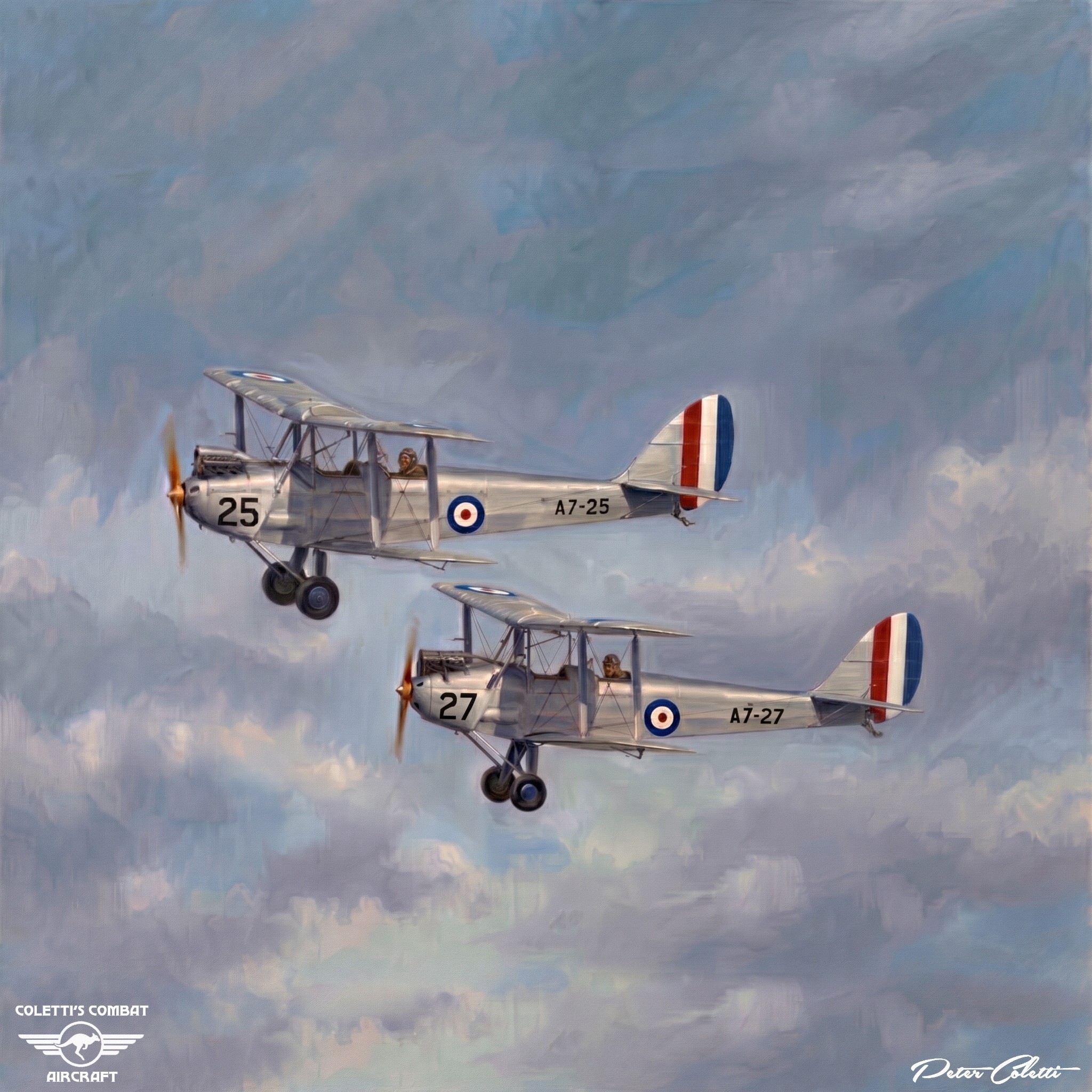
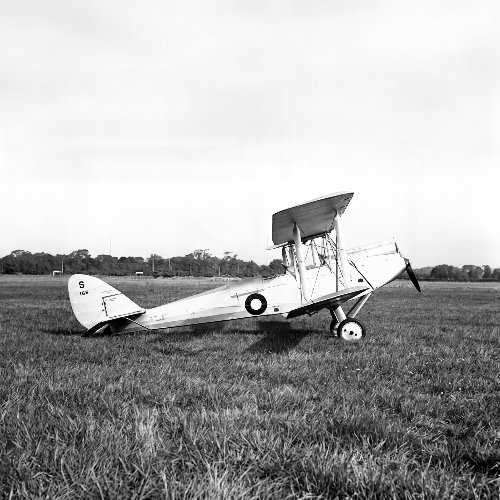
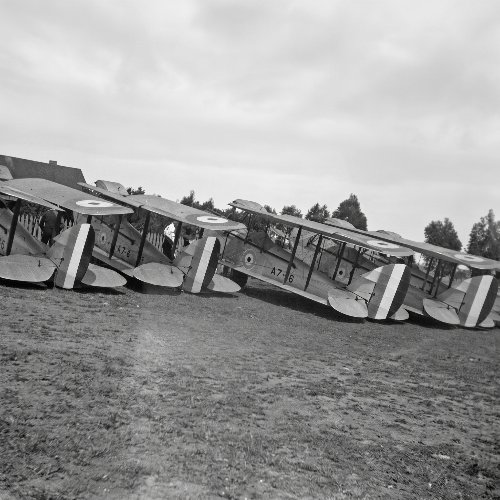
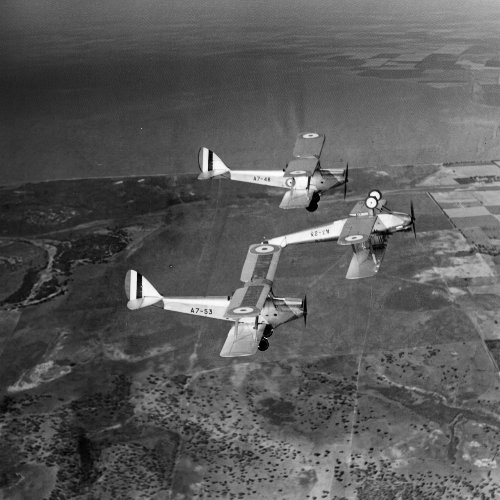
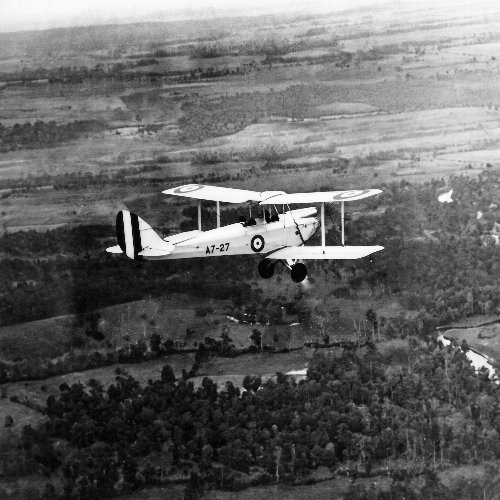
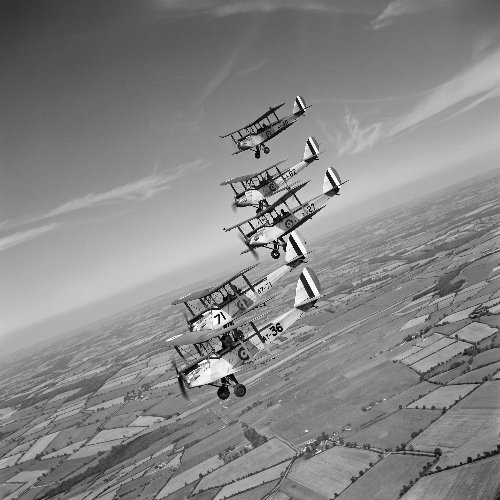
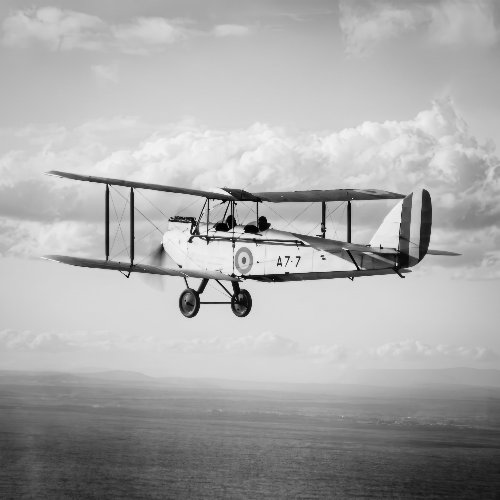
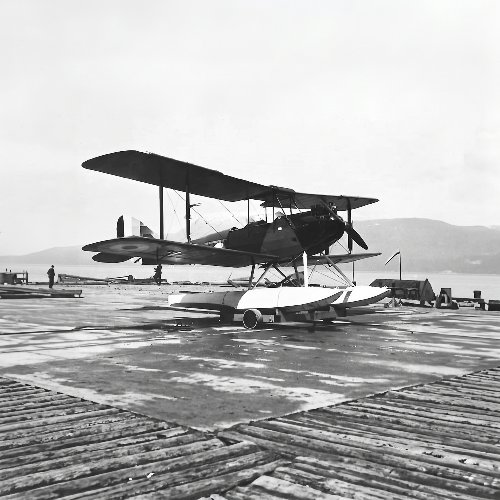
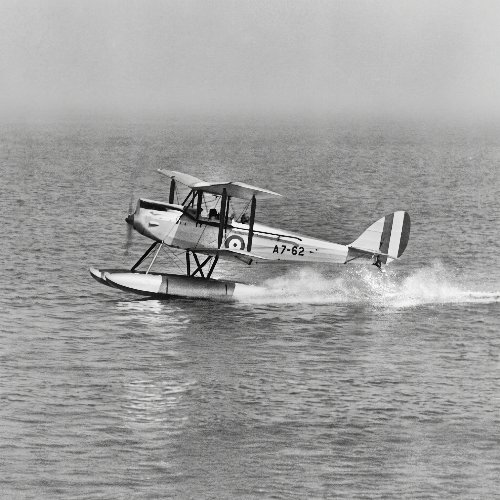
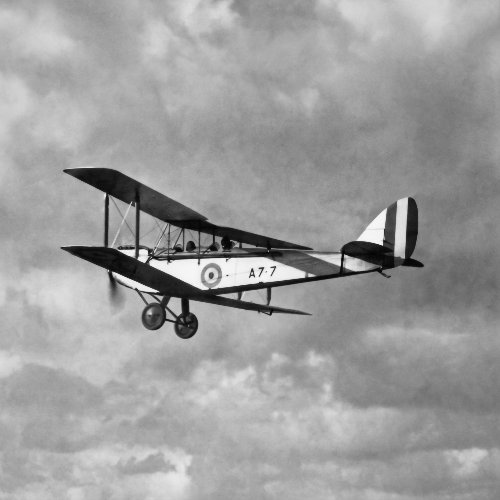
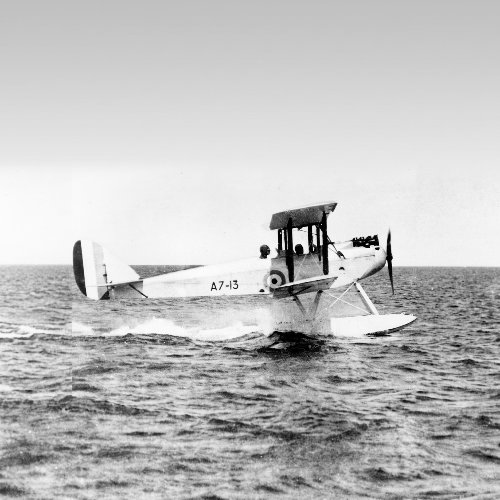
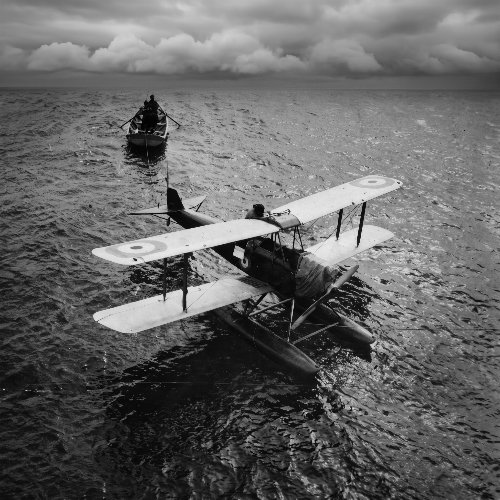
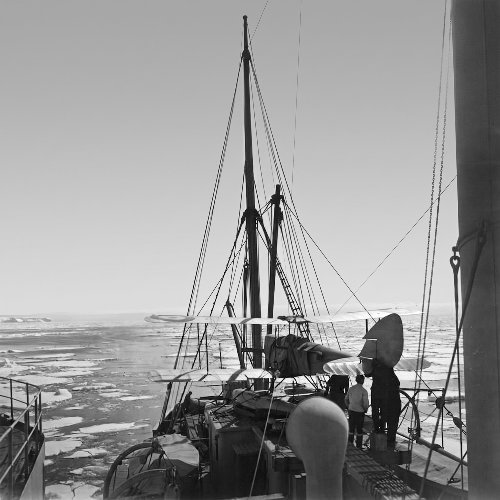
The de Havilland DH.60 Moth is one of the most significant light aircraft of the interwar period.
Introduced in 1925, it revolutionised private flying, enabled the rapid expansion of flying clubs across Britain and the Commonwealth, and established de Havilland as the foremost manufacturer of practical, affordable civil aircraft.
Its combination of simplicity, reliability, and ease of handling made it the defining light aeroplane of its era.
Origins and Development (1924–1925)
In the early 1920s, Geoffrey de Havilland recognised that civil aviation needed a new kind of aircraft.
Existing light aeroplanes were either converted military machines or overly complex designs that were too expensive for private owners and flying clubs.
De Havilland set out to create a purpose‑built light aircraft that was inexpensive to buy, economical to operate, and easy to store.
Design work began in 1924 at Stag Lane Aerodrome.
The concept emphasised:
Simple wooden construction to reduce cost
Low fuel consumption for affordable operation
Folding wings to minimise hangar space
Gentle, predictable handling suitable for novice pilots
The prototype DH.60 flew on 22 February 1925, piloted by Geoffrey de Havilland.
It immediately demonstrated excellent stability, reliability, and practicality, confirming that the design met its intended goals.
Design and Construction
Airframe
The DH.60 was a two‑seat, tandem‑cockpit biplane built primarily of wood.
The fuselage used a plywood‑covered box‑girder structure, while the wings were fabric‑covered wooden frames.
The aircraft featured:
Conventional tailwheel undercarriage
Two open cockpits with basic instrumentation
Folding wings, hinged at the rear spar, allowing the aircraft to be stored in a narrow space
The folding wings were a defining innovation.
They allowed flying clubs to store multiple aircraft in small sheds and made private ownership feasible for individuals with limited space.
Powerplant
The original DH.60 was powered by the 60 hp ADC Cirrus I, an upright four‑cylinder inline engine assembled from surplus WWI components.
Despite its modest power, it provided reliable performance and excellent fuel economy.
Later DH.60s used progressively improved Cirrus engines, including:
Cirrus II (85 hp)
Cirrus III (90 hp)
Cirrus Hermes (105 hp)
These upgrades improved climb rate, cruising speed, and operational flexibility while retaining the aircraft’s essential simplicity.
Performance (Typical Early DH.60)
Maximum speed: ~90 mph (145 km/h)
Cruise speed: ~80 mph (129 km/h)
Range: ~320 miles (515 km)
Service ceiling: ~13,000 ft (3,962 m)
Climb rate: ~430 ft/min
The aircraft’s forgiving handling and stable flight characteristics made it ideal for training, touring, and club flying.
Operational Use and Civil Aviation Impact
Flying Clubs and Private Owners
The DH.60 became the backbone of British flying clubs.
Its low cost, low fuel consumption, and docile behaviour allowed thousands of new pilots to learn to fly.
The Air Ministry supported this expansion by subsidising flying clubs that adopted the Moth, making it the most common civil aircraft in Britain by the late 1920s.
Long‑Distance Demonstrations
The Moth gained international attention through high‑profile flights, including long‑range tours across Europe and Africa.
These flights showcased the aircraft’s reliability and endurance, proving that a light aeroplane could undertake serious long‑distance work.
Global Production and Licensing
Demand quickly exceeded de Havilland’s domestic production capacity.
The DH.60 was built under licence in:
Canada
Australia
France
United States
Total production of DH.60 variants reached approximately 1,700 aircraft, making it one of the most widely produced light aeroplanes of the 1920s.
Technical Evolution Within the DH.60 Series (1925–1931)
Although the DH.60 remained fundamentally the same aircraft, de Havilland introduced several refinements to improve performance, durability, and suitability for training.
These changes remained within the DH.60 designation and did not constitute separate aircraft types.
Structural Improvements
Early operational feedback led to strengthened undercarriages, improved fittings, and refinements to wing bracing.
These changes increased durability during student training and rough‑field operations.
Engine Upgrades
The transition from the Cirrus I to the Cirrus II, III, and Hermes engines provided:
Better climb performance
Improved reliability
Higher cruising speeds
Greater operational flexibility
These upgrades allowed the DH.60 to remain competitive as engine technology advanced.
Fuel and Control System Refinements
Later DH.60s incorporated improved fuel systems, more robust control linkages, and minor aerodynamic adjustments.
These changes enhanced safety and reduced maintenance requirements without altering the aircraft’s fundamental design.
Throughout its evolution, the DH.60 retained its essential simplicity and charm while becoming progressively more capable and robust.
Military Use and Pre‑War Context
Although the DH.60 was designed for civilian flying, its reliability and gentle handling made it attractive to military organisations for elementary training.
Several air forces adopted the Moth in small numbers during the late 1920s and early 1930s for:
Initial pilot instruction
Communications duties
General utility work
However, as training requirements became more demanding—particularly regarding spin recovery and aerobatics—the DH.60’s geometry and cockpit layout proved insufficient for advanced military training.
It remained primarily a civil machine, though valued for its simplicity and availability.
World War II Context
By the outbreak of the Second World War, many DH.60s were still flying in civilian hands.
Although the type was no longer suitable for formal military training, wartime needs led to the impressment of numerous Moths for auxiliary roles, including:
Initial screening of pilot candidates
Communications and liaison duties
Light transport
Aeroclub training under wartime supervision
The aircraft’s simplicity and availability made it useful for non‑combat tasks, though it was not employed in frontline roles.
Postwar Legacy
After WWII, surviving DH.60s continued to fly in private hands, though many were replaced by newer designs.
Today, the Moth is celebrated as a landmark aircraft that opened aviation to the public.
Restored examples remain active in flying clubs, museums, and vintage aviation events, valued for their historical significance and graceful flying qualities.
Conclusion
The de Havilland DH.60 Moth stands as one of the most important light aircraft ever built.
It revolutionised private flying, enabled the growth of flying clubs worldwide, and established design principles that influenced light aircraft for decades.
Its combination of practicality, affordability, and reliability made it the defining civil aeroplane of the interwar period and a cornerstone of aviation history.