The De Havilland DH.87 Hornet Moth was a 1930s British two‑seat cabin biplane designed as a more modern, comfortable successor to the open‑cockpit Moth series.
Although conceived as a potential military trainer, it ultimately became a popular civil tourer and later served in valuable liaison and communications roles during the Second World War.
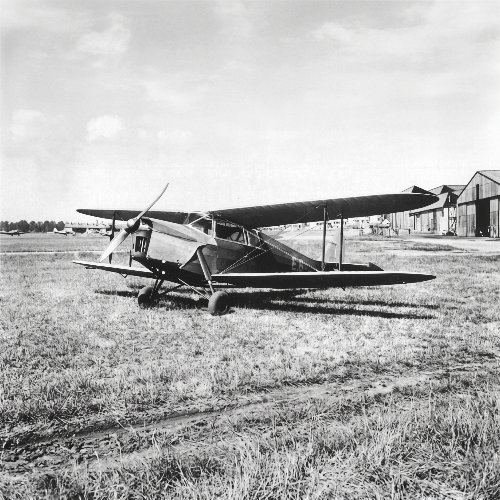
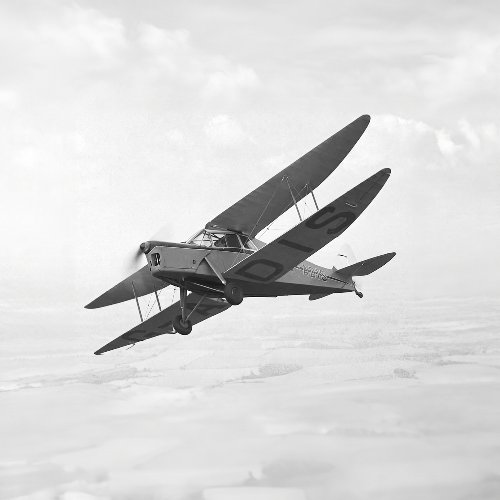
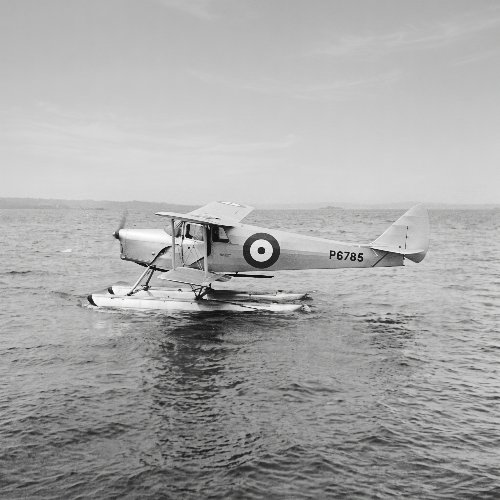
De Havilland DH.87 Hornet Moth first prototype
Development History
The Hornet Moth emerged from De Havilland’s desire to evolve the successful Moth lineage into a more comfortable and practical aircraft for both private owners and flying clubs.
The earlier DH.60 Gipsy Moth and DH.82 Tiger Moth had popularised light aviation, but their open cockpits and tandem seating were increasingly seen as outdated by the early 1930s.
Demand grew for an enclosed, side‑by‑side cabin aircraft that would better suit touring and instructional communication.
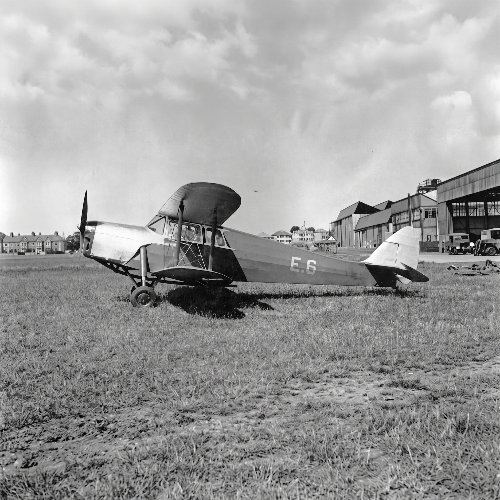
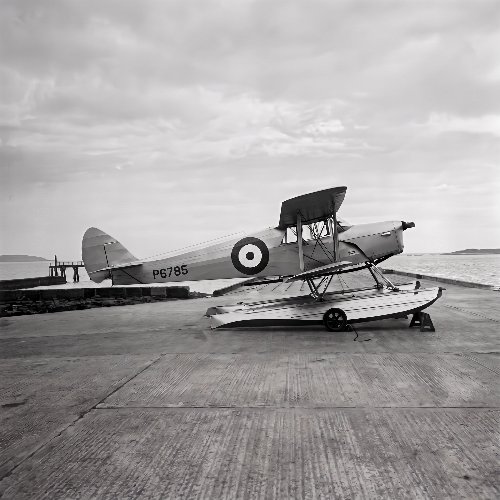
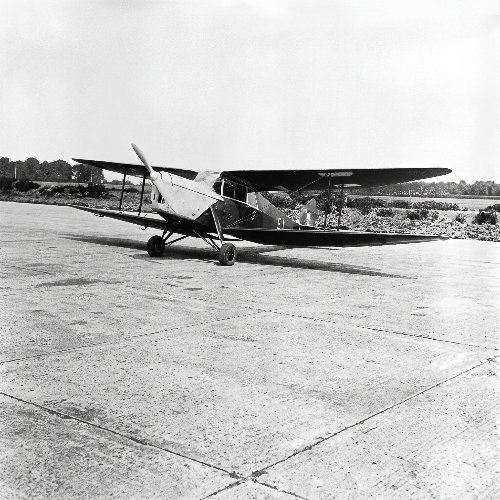
De Havilland DH.87 Hornet Moth Experimental tricycle landing gear
Prototype and Early Testing (1934–1935)
The prototype Hornet Moth first flew at Hatfield on 9 May 1934, powered by the 130 hp Gipsy Major engine.
It featured tapered wings with rounded tips, a configuration intended to improve aerodynamic efficiency.
However, flight testing revealed a serious flaw: the aircraft had a tendency to drop a wing during stall, an undesirable characteristic for a machine aimed at amateur pilots.
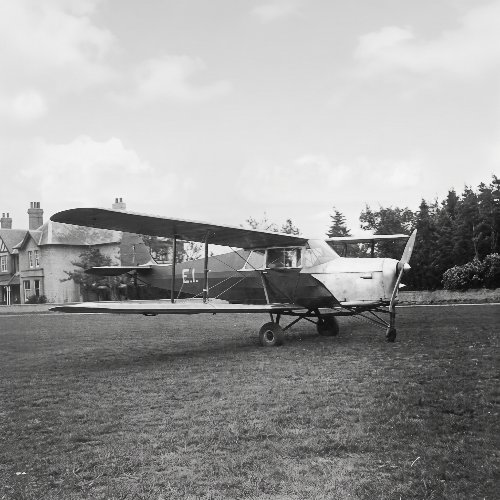
Two additional pre‑production aircraft joined the test programme, and by August 1935 the first production aircraft—designated DH.87A—was completed.
These retained the tapered wing but continued to exhibit stall‑handling issues.
Wing Redesign and the DH.87B (1936)
To correct the stall problem, De Havilland redesigned the wings with square tips and reduced taper, producing the DH.87B variant.
This modification slightly reduced wingspan by about 8 inches (20 cm) and increased weight, resulting in a small performance penalty but dramatically improved stability and stall behaviour.
Owners of DH.87A aircraft were offered replacement wings at reduced cost, and many early aircraft were retrofitted.
The redesigned wing became the standard for all subsequent production.
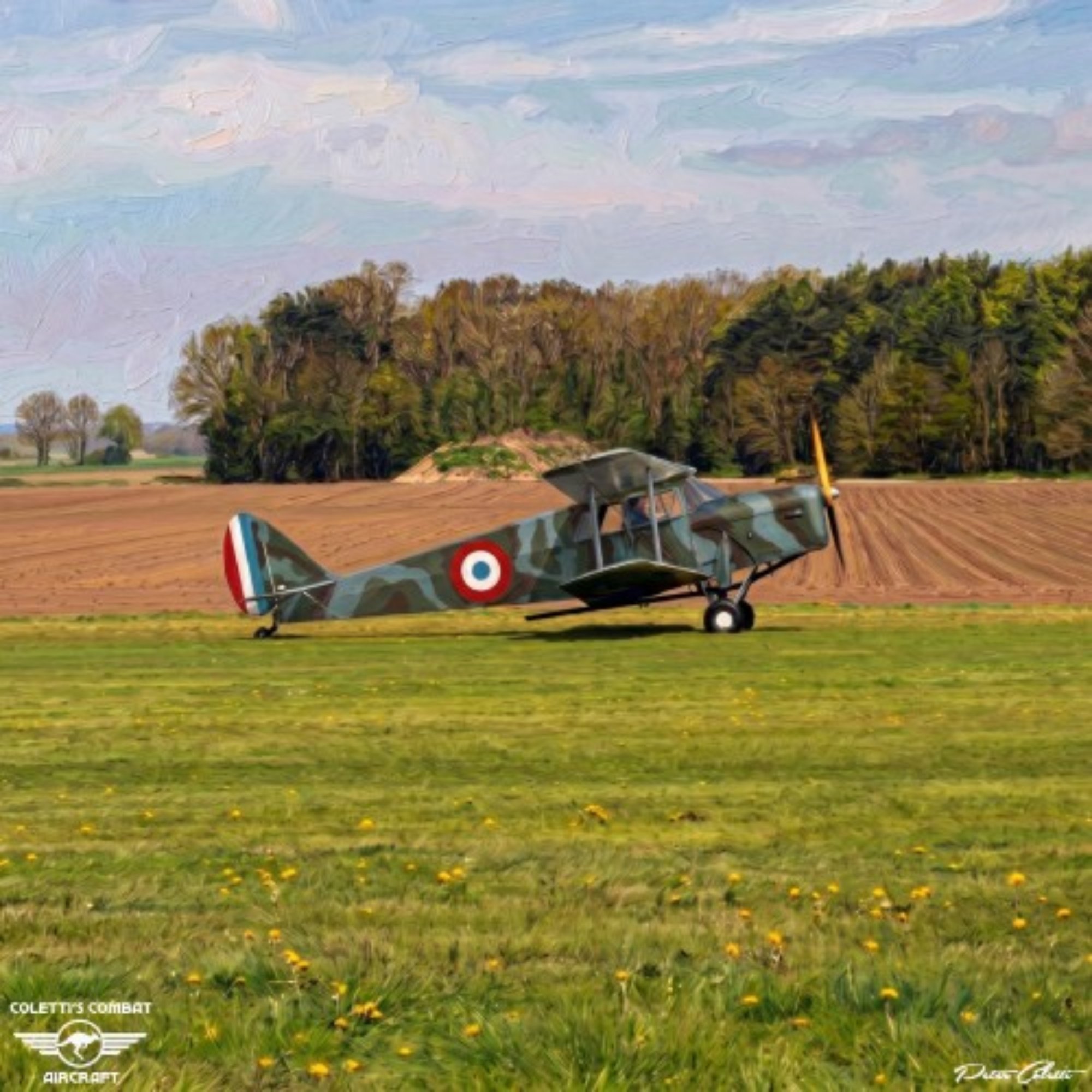
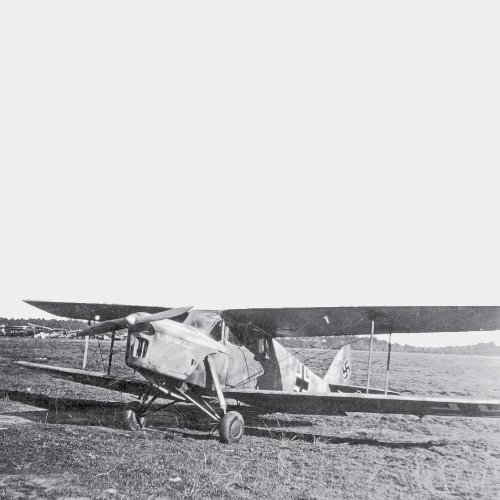
De Havilland DH.87 Hornet Moth – Luftwaffe
Production and Market Position
Between 1935 and 1938, De Havilland produced 164–165 Hornet Moths, with around 84 registered in Britain and many exported to Commonwealth and European countries.
The RAF declined to adopt it as a primary trainer, preferring the established Tiger Moth, so the Hornet Moth found its niche as a civil touring aircraft.
Design and Construction
Airframe and Structure
The Hornet Moth was a wooden, fabric‑covered biplane typical of De Havilland’s construction philosophy.
Its fuselage used a plywood box structure with spruce longerons and stringers, combining strength with light weight.
Cabin and Ergonomics
A major innovation was its fully enclosed cabin with side‑by‑side seating, a departure from the tandem arrangement of earlier Moths.
This layout improved communication between occupants and made the aircraft more comfortable for touring.
Features included:
Upholstered leather seats
Cabin heating
Windscreen wiper
Dual controls for instructional use
Wings
Two wing configurations existed:
DH.87A: pronounced taper, rounded tips; prone to tip‑stall
DH.87B: squared‑off tips, reduced taper, improved stability, and became standard
Powerplant
All Hornet Moths used the 130 hp De Havilland Gipsy Major inverted inline engine, shared with the Tiger Moth and other De Havilland types.
De Havilland DH.87 Hornet Moth
Operational Practicality
The aircraft featured folding wings, allowing storage in standard hangars, and was designed for low operating costs and ease of maintenance—key selling points for private owners and flying clubs.
Performance Characteristics
Performance varied slightly between the DH.87A and DH.87B due to wing changes, but typical figures include:
Maximum speed: 124–131 mph (200–211 km/h)
Cruise speed: ~105–111 mph (169–178 km/h)
Range: ~620 miles (998 km)
Service ceiling: 14,800–17,800 ft (4,511–5,430 m)
Stall speed: ~40 mph (64 km/h)
Rate of climb: ~800 ft/min (244 m/min)
Loaded weight: ~2,000 lb (907 kg)
The DH.87A’s tapered wing gave slightly higher top speed, while the DH.87B’s square‑tip wing traded speed for safer handling.
De Havilland DH.87B Hornet Moth
Variants
DH.87 (Prototype)
Initial tapered‑wing configuration
Used for flight testing and design refinement
DH.87A (Early Production)
Retained tapered wings
Higher performance but problematic stall characteristics
DH.87B (Standard Production)
Square‑tip wings
Improved stability and safer handling
Became the dominant variant; many DH.87As retrofitted
De Havilland DH.87B Hornet Moth
Operational Use and WWII Context
Civil Use (1935–1939)
Before the war, the Hornet Moth was widely used for:
Touring
Air rallies and club competitions
Flying‑club training
Private ownership across Britain, Australia, New Zealand, Canada, India, and Europe
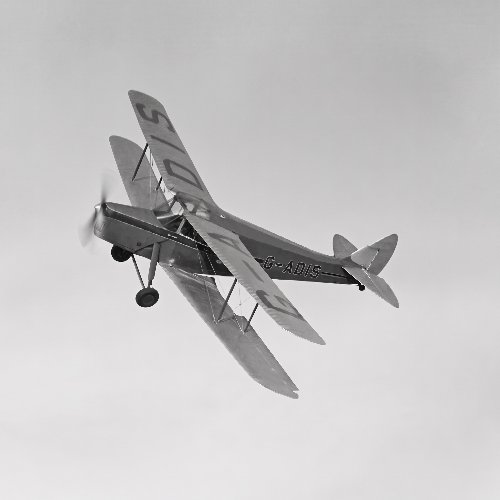
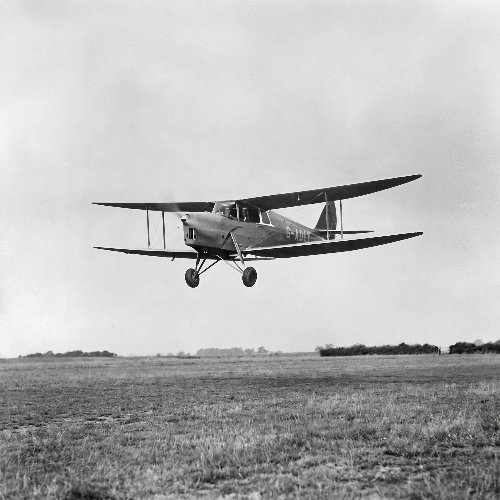
De Havilland DH.87 Hornet Moth second prototype
Impressment into Military Service (1939–1945)
With the outbreak of WWII, the RAF impressed over 70–86 Hornet Moths into service.
Their roles included:
Unarmed coastal patrols early in the war
Communications and liaison duties
Air Transport Auxiliary feeder training
General station utility aircraft
Other nations also requisitioned Hornet Moths:
South Africa: ~19 aircraft for communications duties
India: at least three aircraft impressed
Canada: used by the Royal Canadian Air Force under the British Commonwealth Air Training Plan
Although not designed as a military aircraft, its reliability, simplicity, and good short‑field performance made it useful for wartime auxiliary roles.
Postwar Legacy
A small number of Hornet Moths survived WWII and became prized vintage aircraft.
Their combination of classic biplane aesthetics, comfortable cabin, and gentle handling (in DH.87B form) has made them popular among historic aircraft enthusiasts.
Several remain airworthy more than 80 years after production ceased.
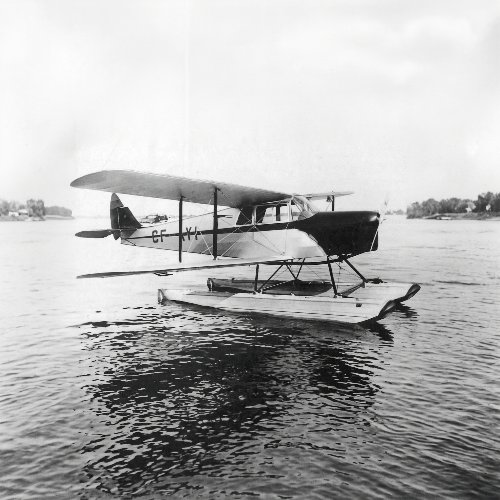
De Havilland DH.87 Hornet Moth – Canada
Summary
The De Havilland DH.87 Hornet Moth represents a transitional moment in light aviation: a move from open‑cockpit, tandem‑seat trainers towards more comfortable, enclosed touring aircraft.
Its development was shaped by aerodynamic experimentation, particularly the wing redesign that defined the DH.87B.
Although it never fulfilled its intended role as a military trainer, it became a valued civil aircraft and later served effectively in WWII auxiliary roles.
Today, it stands as a cherished example of 1930s British aviation craftsmanship.