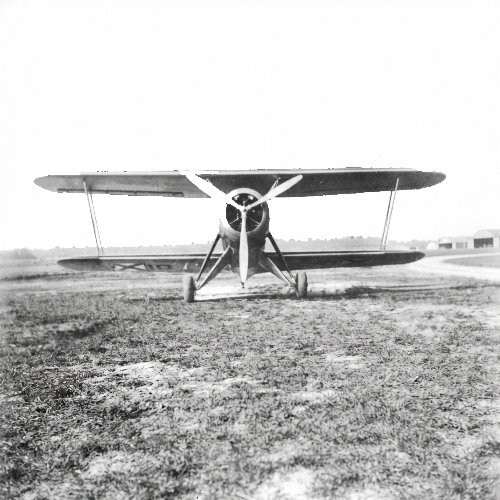
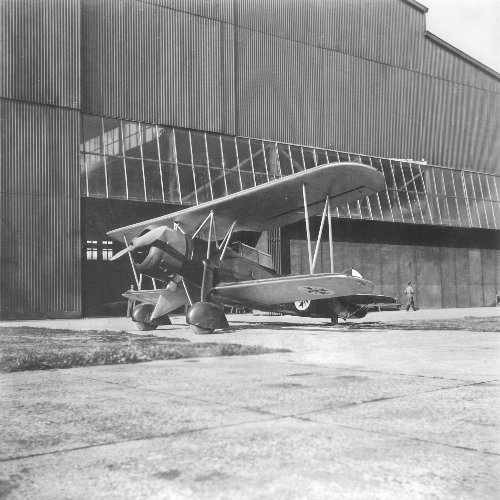
The DAR 3 Garvan was a Bulgarian multipurpose reconnaissance and light‑attack aircraft developed in the early 1930s by the Darzhavna Aeroplanna Rabotilnitsa (DAR)—the State Aircraft Workshops.
Bulgaria’s aviation industry at the time was still emerging from the restrictions imposed after World War I, and the DAR 3 represented one of the country’s first attempts to produce a domestically designed military aircraft in meaningful numbers.
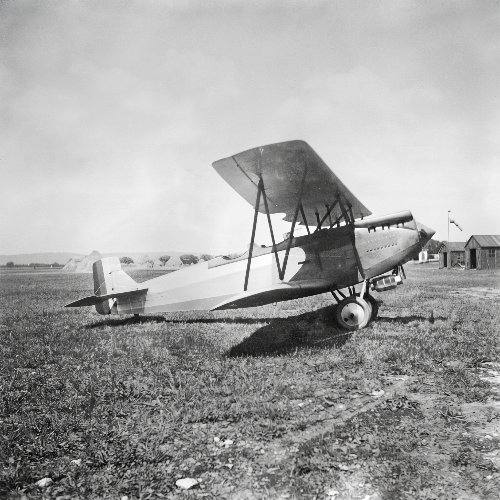
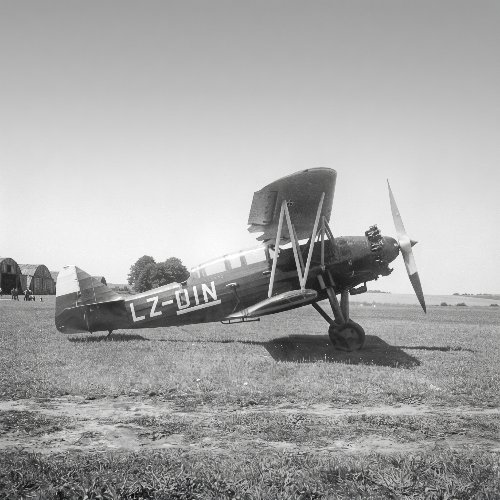
DAR-3 Prototype (Lorraine-Dietrich 12b)
Work on the DAR 3 began around 1930, with the goal of creating a rugged, simple aircraft suited to reconnaissance, liaison, and limited ground‑attack duties.
Bulgaria needed an aircraft that could operate from rough fields, be maintained with limited industrial infrastructure, and be produced with locally available materials.
The DAR 3 was conceived as an incremental improvement over earlier DAR designs, incorporating lessons learned from the DAR 1 and DAR 2 series.
The aircraft’s name, “Garvan” (Bulgarian for Raven), reflected its intended role as a persistent, all‑weather scout capable of operating close to the front lines.
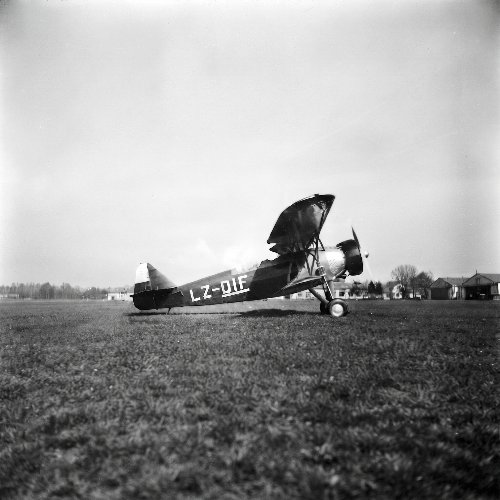
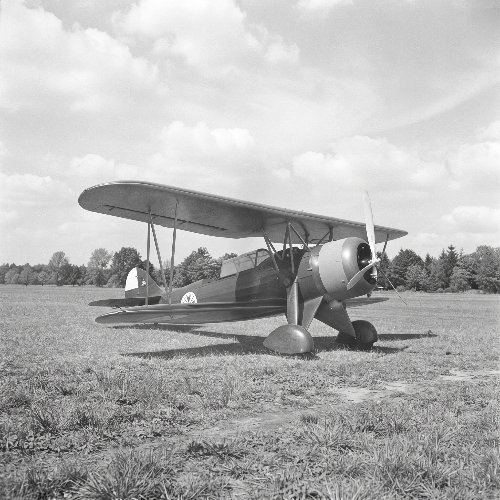
DAR-3 Garvan I
Design Characteristics
Airframe
The DAR 3 was a single‑engine, two‑seat biplane of mixed construction.
Its design emphasised durability and ease of repair:
Fuselage: A welded steel‑tube frame covered with fabric and light alloy panels around the engine section.
Wings: Wood‑and‑fabric biplane wings with slight stagger and bracing struts.
The lower wing was smaller, giving the aircraft a sesquiplane appearance.
Undercarriage: Fixed, robust landing gear with a tail skid or tail wheel depending on variant, optimised for unprepared airstrips.
The aircraft’s open cockpits—pilot in front, observer/gunner in rear—were typical of interwar reconnaissance aircraft.
The rear cockpit was equipped with a flexible mount for defensive armament and space for cameras or small bombs.
DAR-3 Garvan I
Powerplant
The DAR 3 was produced with several engines over its development life, reflecting Bulgaria’s limited access to foreign powerplants:
Early prototypes used Hispano‑Suiza inline engines.
Later production aircraft commonly used Siemens‑Halske Sh.14 or Bristol Jupiter radial engines.
Power output generally ranged from 150 to 400 horsepower, depending on the variant.
This gave the aircraft modest performance but adequate reliability and ease of maintenance.
DAR-3 Garvan I
Performance
Exact performance varied by engine, but typical figures for mid‑production DAR 3 aircraft included:
Maximum speed: ~180–200 km/h
Cruise speed: ~150 km/h
Range: ~500–600 km
Service ceiling: ~4,000–5,000 m
These numbers placed the DAR 3 firmly in the category of slow but dependable interwar reconnaissance biplanes—comparable to contemporaries like the Polish R‑XIII or early Soviet R‑5 variants.
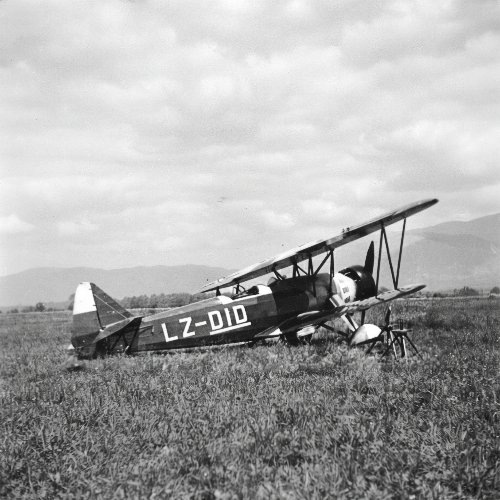
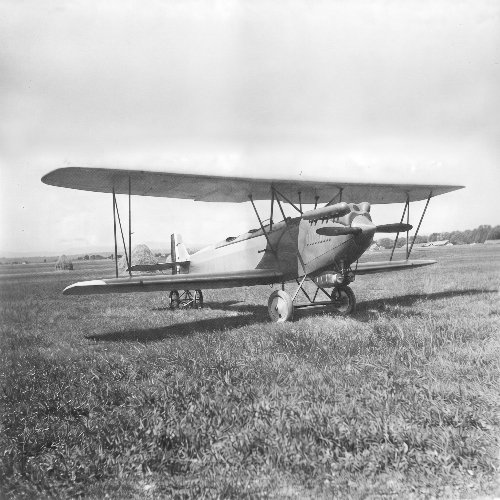
DAR-3 Garvan II
Armament
The DAR 3’s armament was light but sufficient for its intended roles:
Fixed forward‑firing machine gun for the pilot (usually 7.7 mm or 7.9 mm depending on supply).
Flexible rear machine gun for the observer.
Light bomb load on under‑fuselage racks, typically up to 100 kg for harassment or close‑support missions.
Some variants were equipped with cameras for photographic reconnaissance.
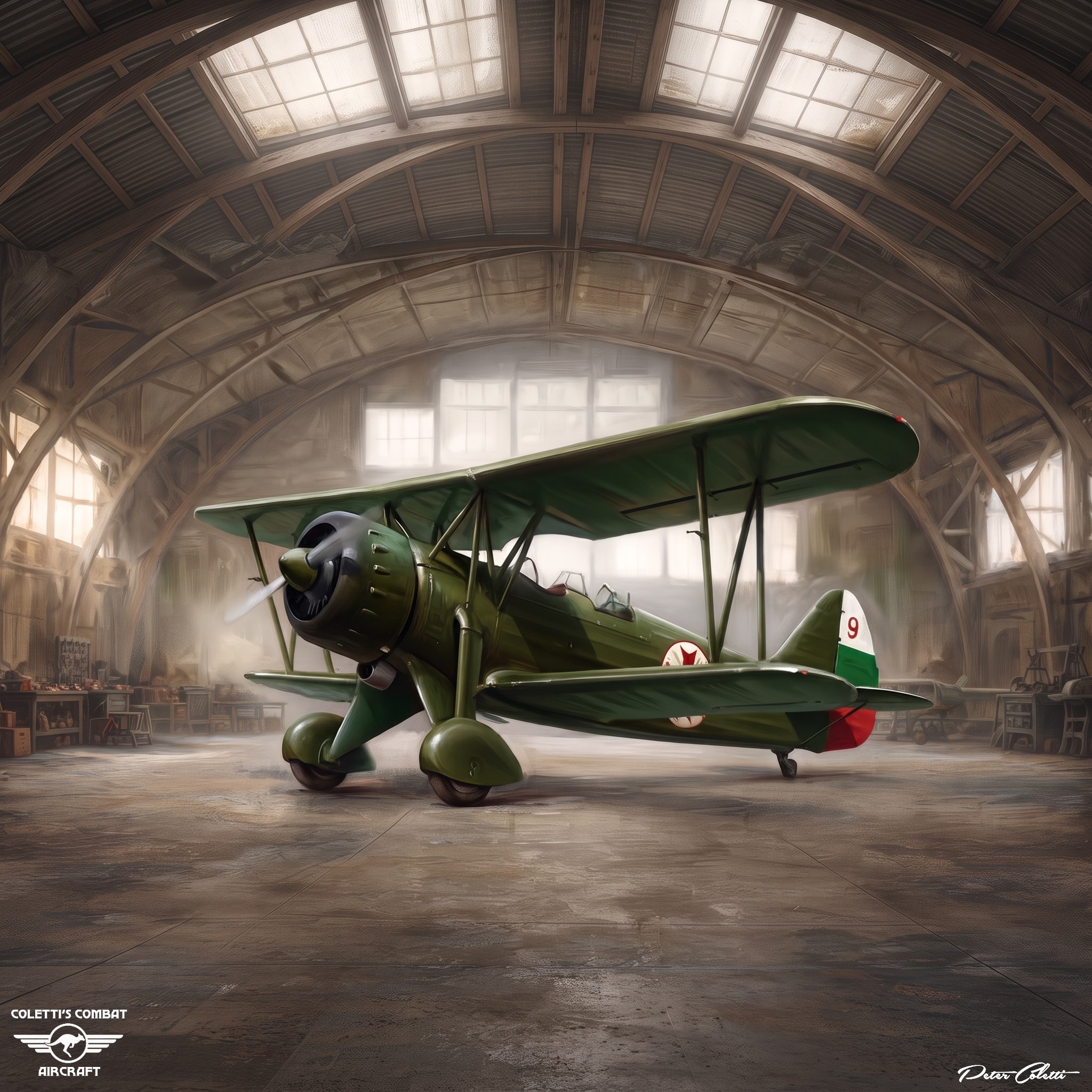
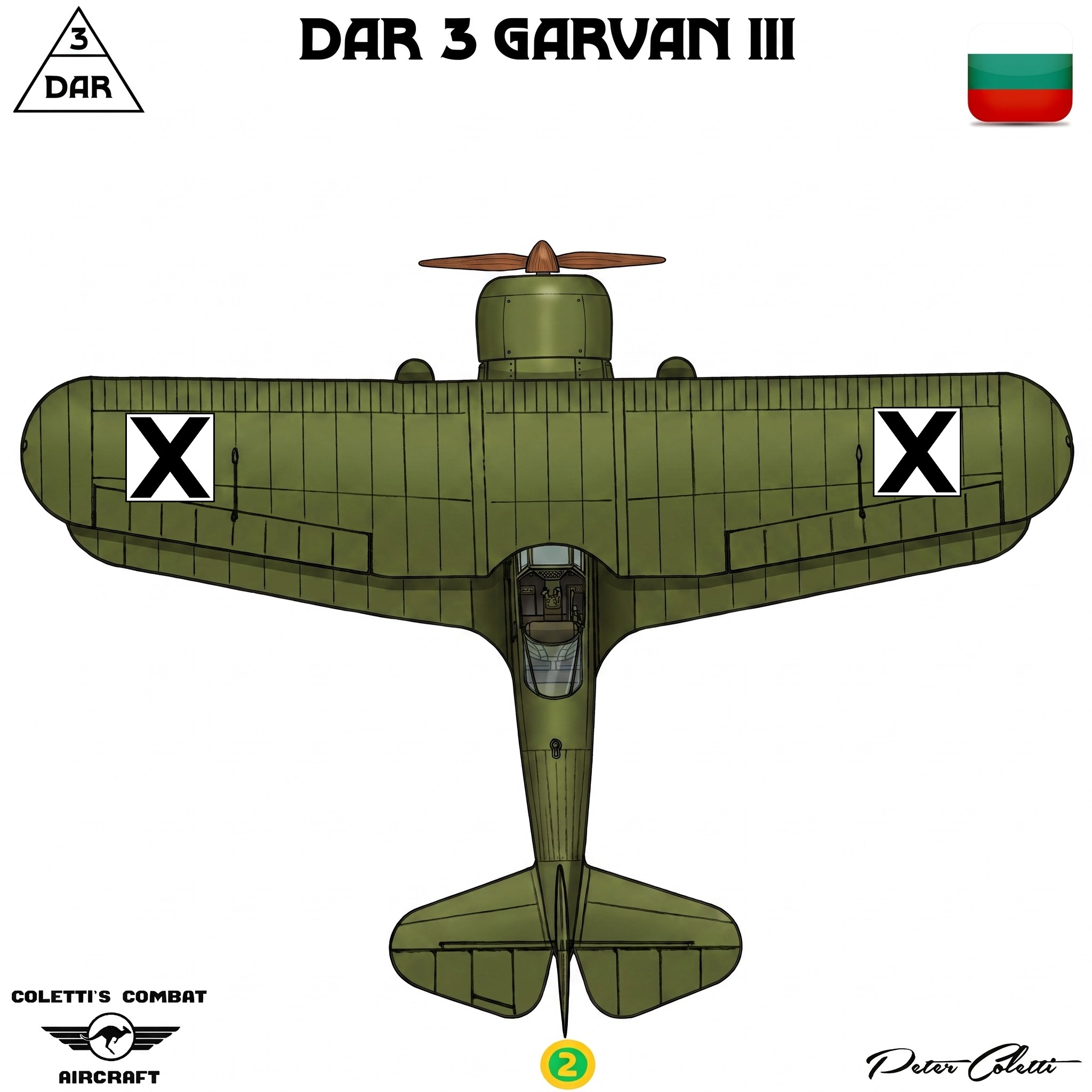
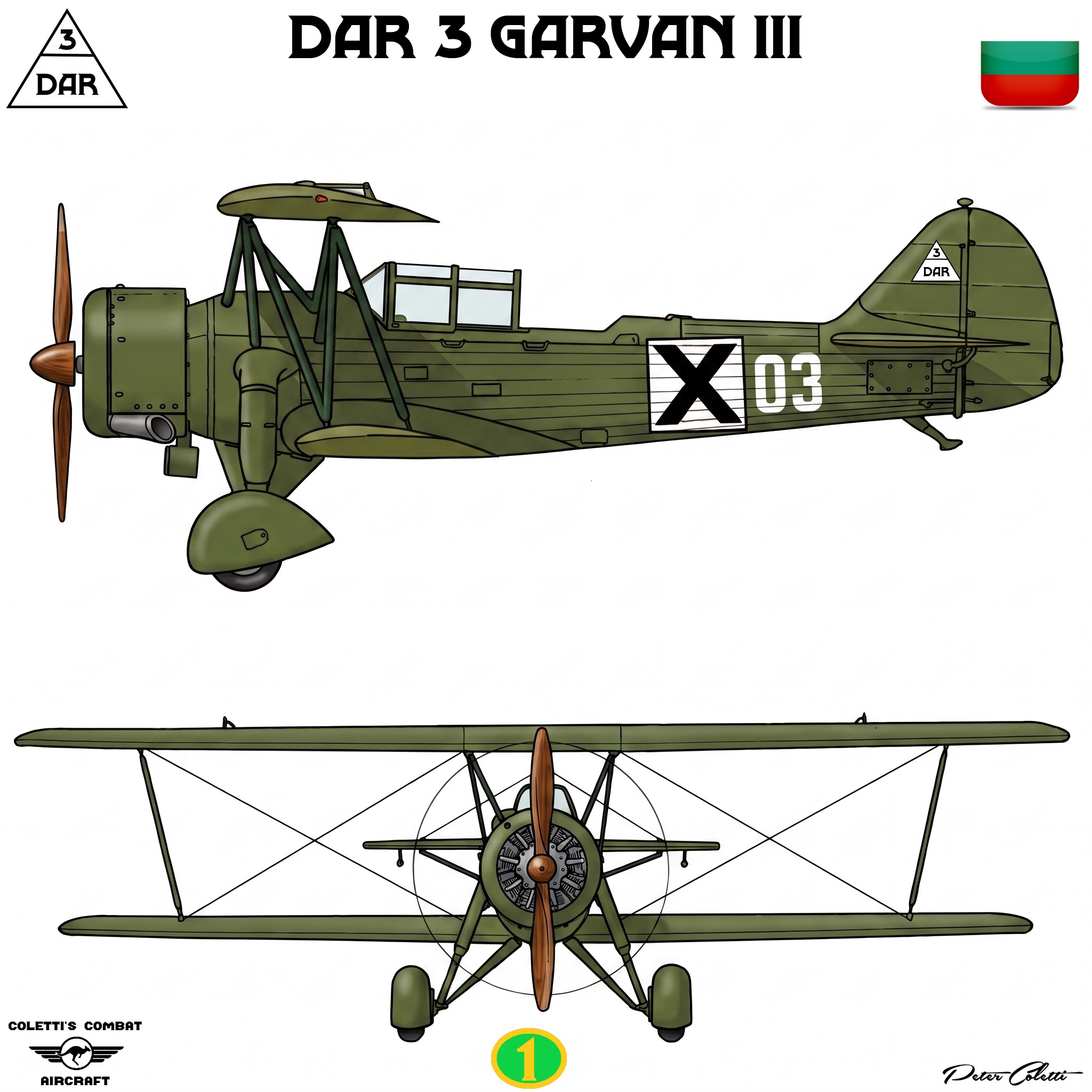
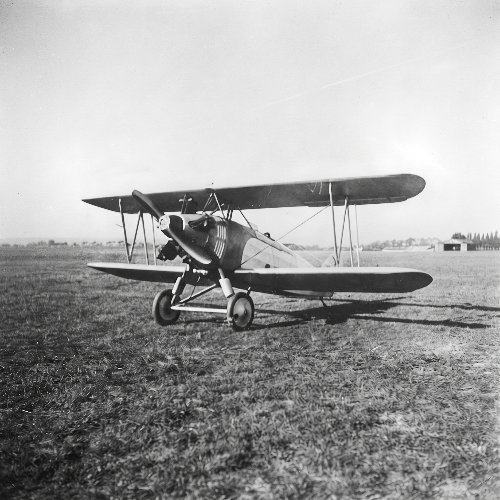
DAR-3 Garvan III
Variants
The DAR 3 underwent several iterations, each improving structural strength, engine compatibility, or mission equipment.
The main variants included:
DAR 3 I
The initial production version, featuring an inline engine and basic reconnaissance equipment. It established the airframe layout but was produced in small numbers.
DAR 3 II
A refined version with structural improvements and better aerodynamic surfaces. Some aircraft in this batch used radial engines, improving reliability and simplifying maintenance.
DAR 3 III Garvan
The definitive and most numerous variant.
It standardised the use of radial engines—often the Siemens‑Halske Sh.14—and incorporated strengthened wings, improved landing gear, and updated cockpit equipment.
The DAR 3 III is the version most commonly associated with the “Garvan” name.
Production across all variants totalled approximately 50–60 aircraft, though exact numbers vary by source.
DAR-3 Prototype (Lorraine-Dietrich 12b)
Operational Use and WWII Context
Pre‑War Service
Throughout the 1930s, the DAR 3 served as one of Bulgaria’s primary reconnaissance and liaison aircraft.
It was used for:
Border patrol
Artillery spotting
Training of reconnaissance crews
General liaison duties
Its slow speed and stable handling made it well suited for observation tasks, though it was already outdated by the late 1930s.
DAR-3 Prototype (Gnome-Rhone Jupiter 9)
World War II
When Bulgaria entered World War II as an Axis‑aligned nation in March 1941, the DAR 3 was already obsolete compared to modern monoplane designs.
Nevertheless, the aircraft continued to serve in secondary roles:
Home defence reconnaissance
Anti‑partisan patrols
Training and courier flights
The DAR 3 was not used in front‑line combat against Allied forces.
Instead, it filled support roles within Bulgaria’s borders, where its simplicity and reliability remained valuable.
As the war progressed and Bulgaria acquired more modern aircraft from Germany—such as the Bf 109 and various reconnaissance types—the DAR 3 was gradually relegated to training and utility duties.
Post‑War Fate
After the war, surviving DAR 3 aircraft were quickly retired.
Bulgaria’s post‑war air force modernised under Soviet influence, adopting aircraft like the Po‑2 and Yak series, leaving no place for the ageing biplane.
No DAR 3 aircraft are known to survive today.
DAR-3 Garvan III (2)
Significance
The DAR 3 Garvan holds an important place in Bulgarian aviation history:
It was one of the first domestically designed and produced Bulgarian military aircraft built in meaningful numbers.
It demonstrated the capabilities of Bulgaria’s early aviation industry during a period of limited resources and political constraints.
It served faithfully for over a decade, bridging the gap between Bulgaria’s interwar biplanes and the modern aircraft of the WWII era.
While modest in performance, the DAR 3 remains a symbol of Bulgaria’s determination to develop an independent aviation capability during a challenging period.