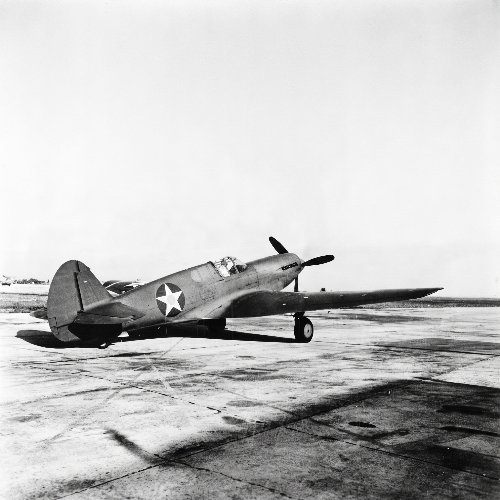
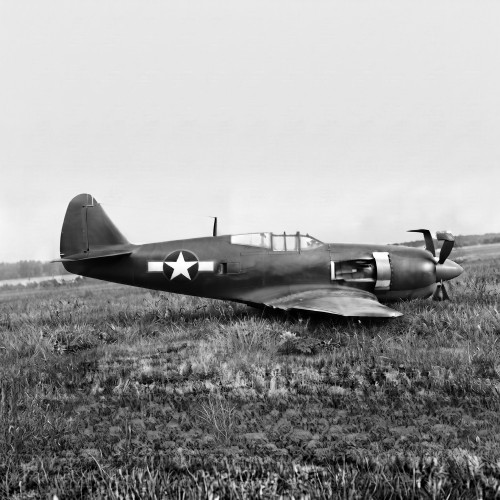
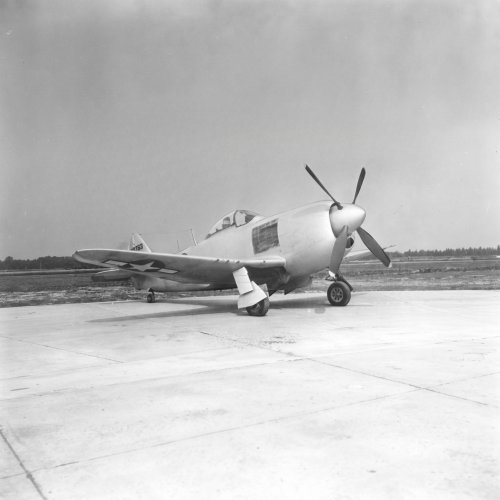
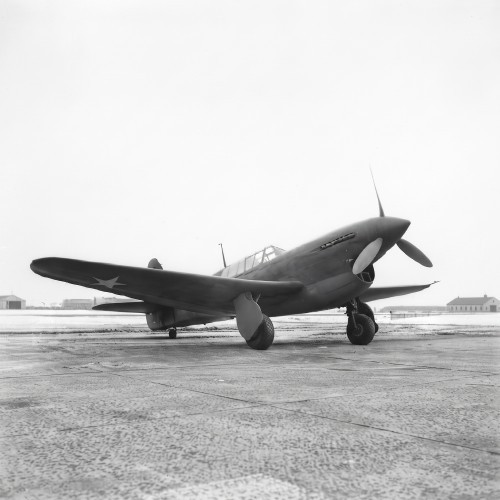
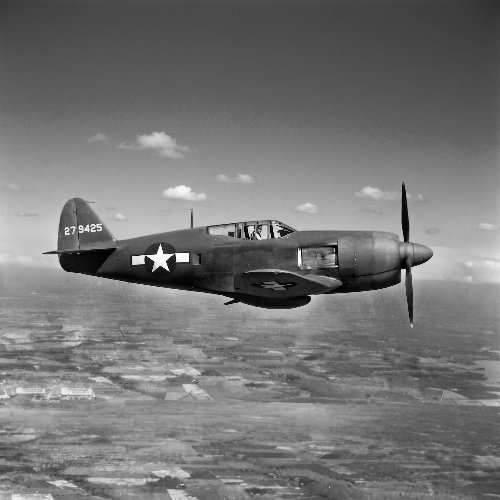
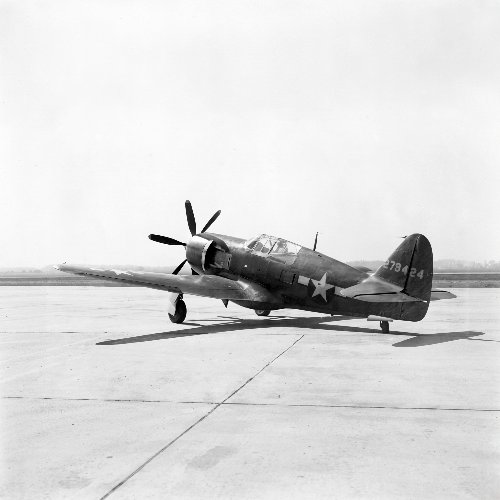
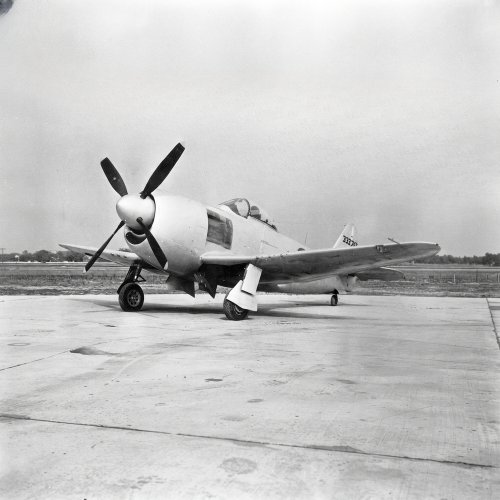
The Curtiss XP‑60 series was a family of American prototype fighter aircraft developed during World War II as potential successors to the P‑40 Warhawk.
Although the programme produced multiple variants and explored nearly every major U.S. fighter engine of the era, the XP‑60 ultimately failed to achieve the performance required for production.
Its history illustrates the rapid pace of wartime aviation development, the challenges of engine availability, and Curtiss’s declining competitiveness as other manufacturers surged ahead.
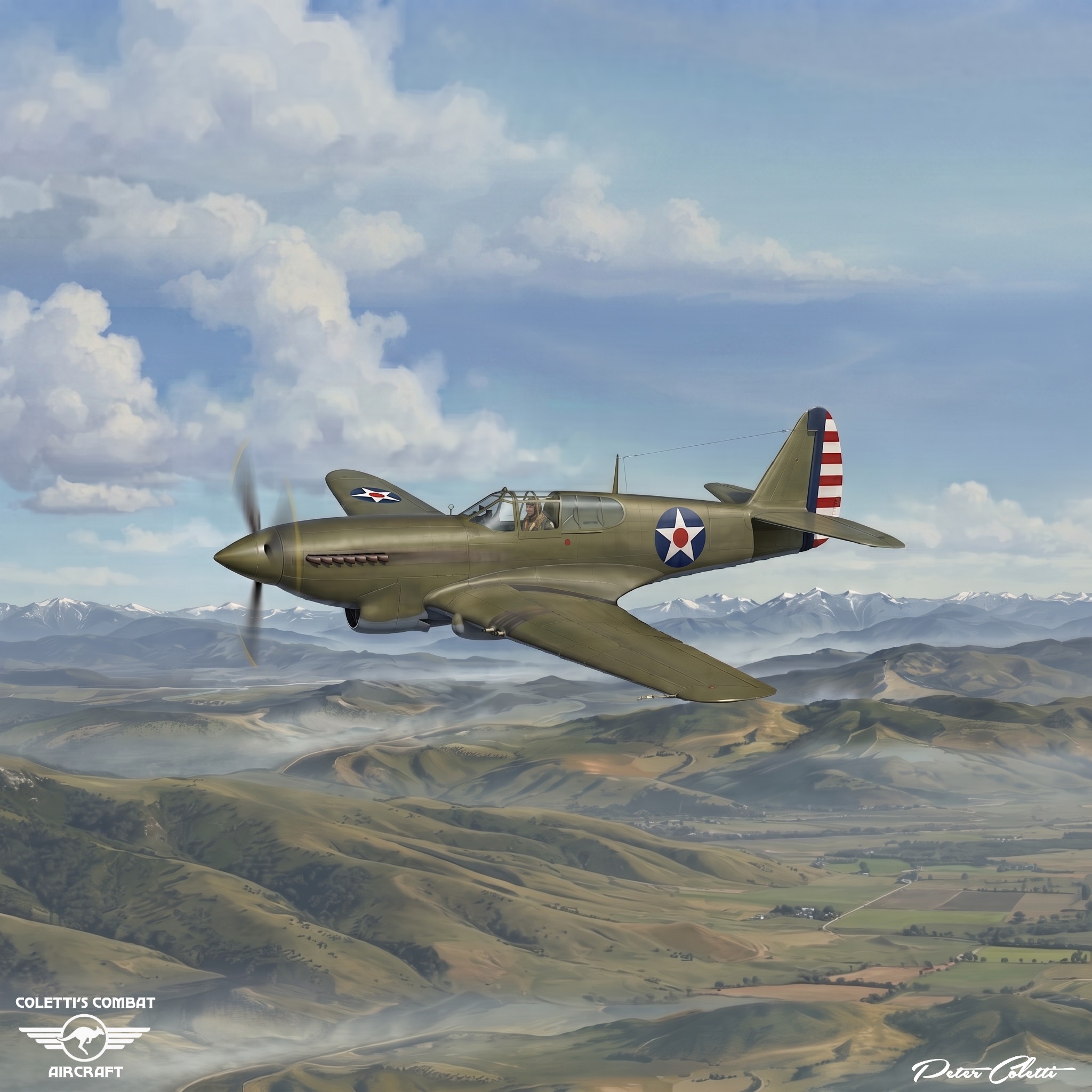
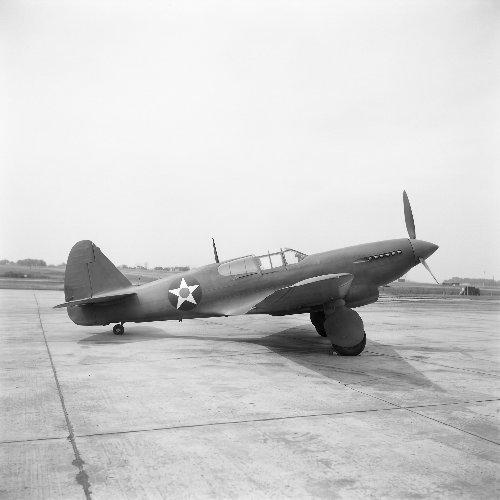
Curtiss XP-60D
Origins
By 1940, the U.S. Army Air Corps recognised that the P‑40 Warhawk, though serviceable, was becoming outdated.
Curtiss proposed several successors, beginning with the XP‑46, which was rejected.
Curtiss then offered Model 88, a design using a P‑40D fuselage combined with a new laminar‑flow wing and the advanced Continental I‑1430 engine.
This became the XP‑53, ordered in October 1940.
Soon afterwards, the Army requested a version using the Rolls‑Royce Merlin engine, whose performance in British fighters was proving exceptional.
Curtiss redesigned the second XP‑53 prototype around the Merlin, creating Model 90, designated XP‑60.
This marked the beginning of a long and troubled development programme.
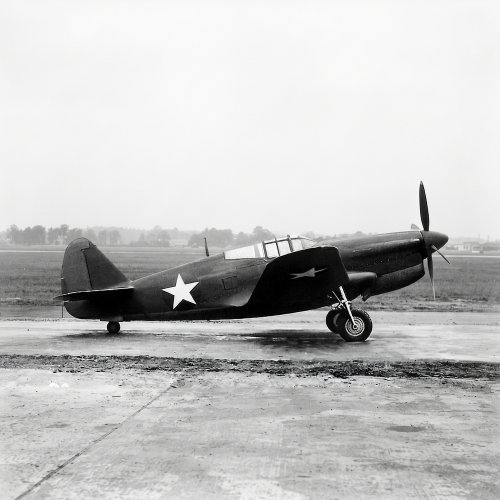
Curtiss YP-60E
Early development
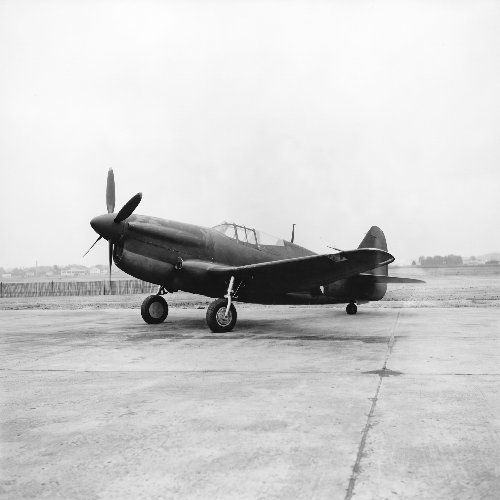
The XP‑60 incorporated a Packard‑built Merlin 28 engine, a laminar‑flow wing intended to reduce drag, and inward‑retracting landing gear to improve aerodynamic cleanliness.
Armament was planned as eight .50‑calibre machine guns.
The aircraft first flew on 18 September 1941.
Initial flight tests revealed several issues.
The landing gear mechanism was unreliable, the radiator installation created excessive drag, and the aircraft failed to achieve the expected top speed.
The laminar‑flow wing, which required an extremely smooth surface finish to function properly, did not deliver its theoretical benefits due to manufacturing limitations.
Curtiss YP-60E
Engine availability and programme shift
By late 1941, Merlin engines were being prioritised for the rapidly advancing P‑51 Mustang programme.
Concerned about shortages, the Army shifted planned production of XP‑60s to use the Allison V‑1710‑75 engine with a turbo‑supercharger.
On 31 October 1941, an order for 1,950 P‑60A fighters was placed, reflecting early optimism.
However, the Allison‑powered prototypes underperformed.
At the same time, Curtiss’s Buffalo plant was urgently needed for P‑47G Thunderbolt production.
As a result, the P‑60A order was cancelled before any production aircraft were built.
Curtiss XP-60
The XP‑60 Variants
The XP‑60 programme became a sequence of redesigns as Curtiss attempted to salvage performance.
Across nine designations, the company experimented with multiple engines, propellers, and canopy types.
XP‑60
The original Merlin‑powered prototype derived from the XP‑53.
It demonstrated inadequate speed and persistent landing gear problems.
It served as the baseline for later modifications.
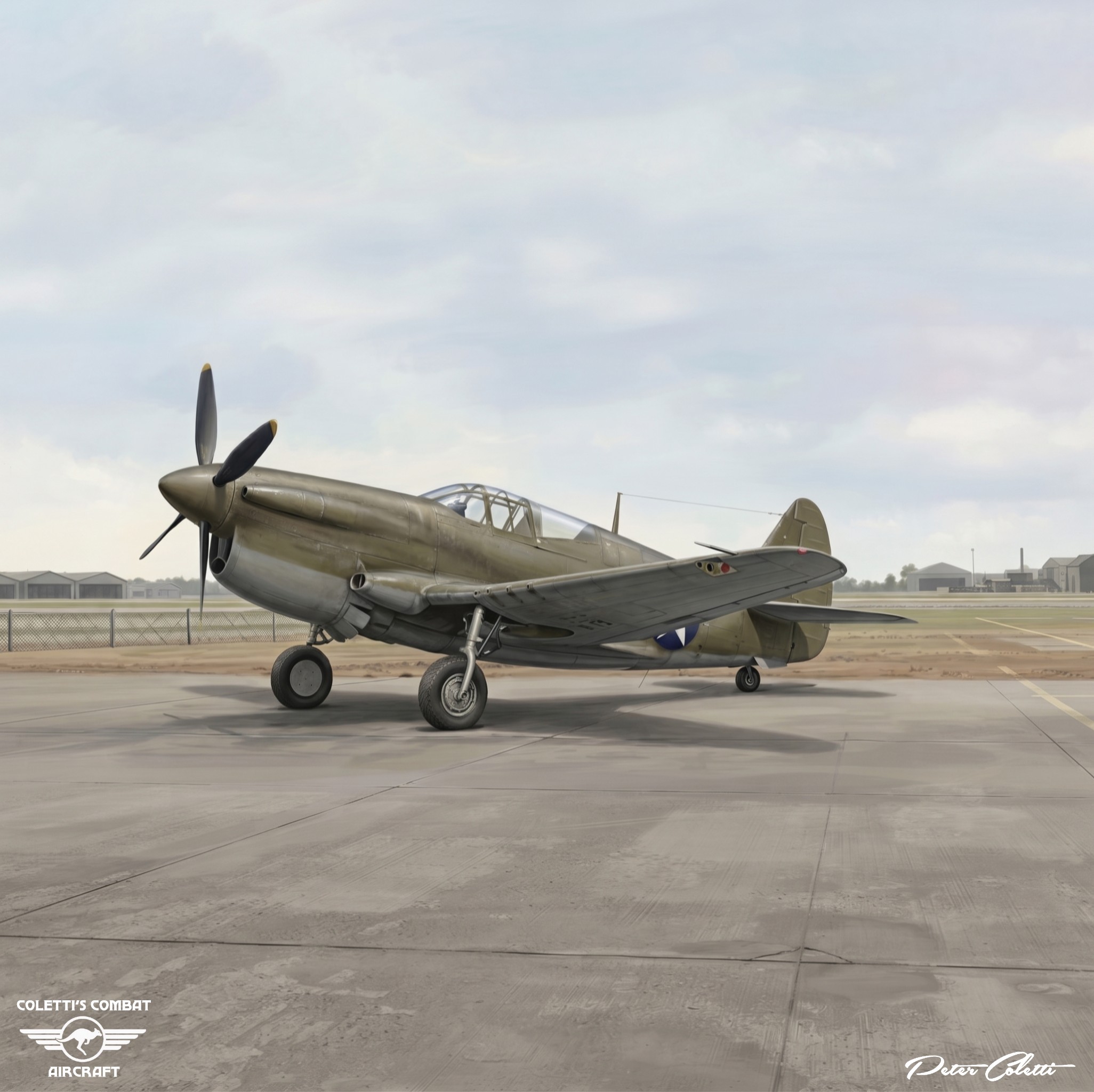
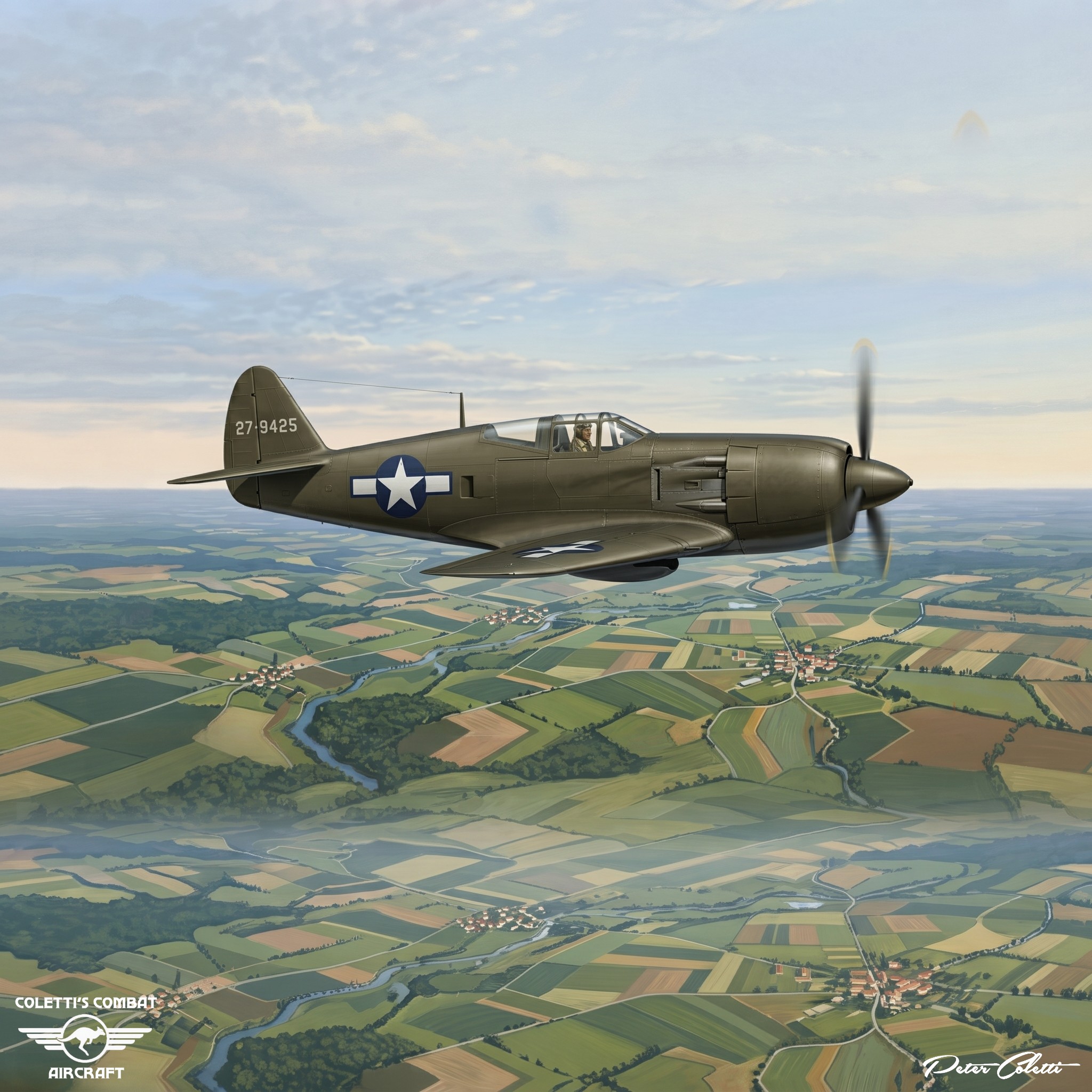
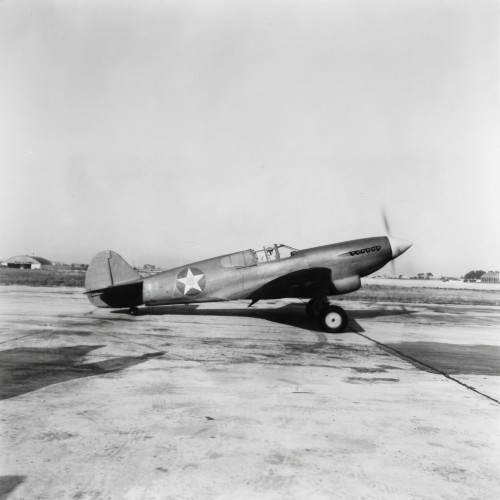
XP‑60A
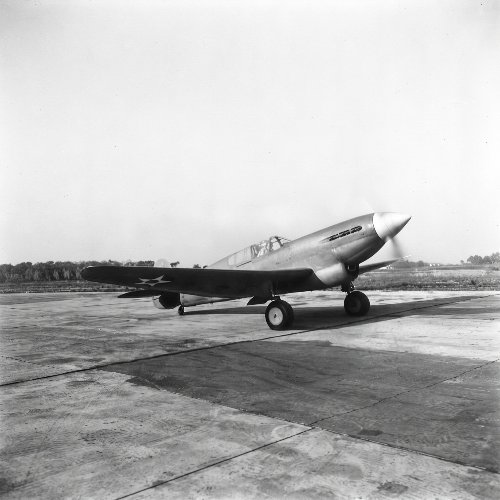
This variant used the Allison V‑1710‑75 engine.
Significant airframe changes were required to accommodate the turbo‑supercharger.
Although initially intended for mass production, the XP‑60A failed to meet performance expectations, and the production order was cancelled.
YP‑60A
A proposed pre‑production version of the XP‑60A.
It was intended to use the Pratt & Whitney R‑2800‑10 radial engine, but the aircraft was never completed.
XP‑60B
This was intended as a conversion of the original XP‑60 from the Merlin to the Allison engine.
The conversion was apparently never carried out.
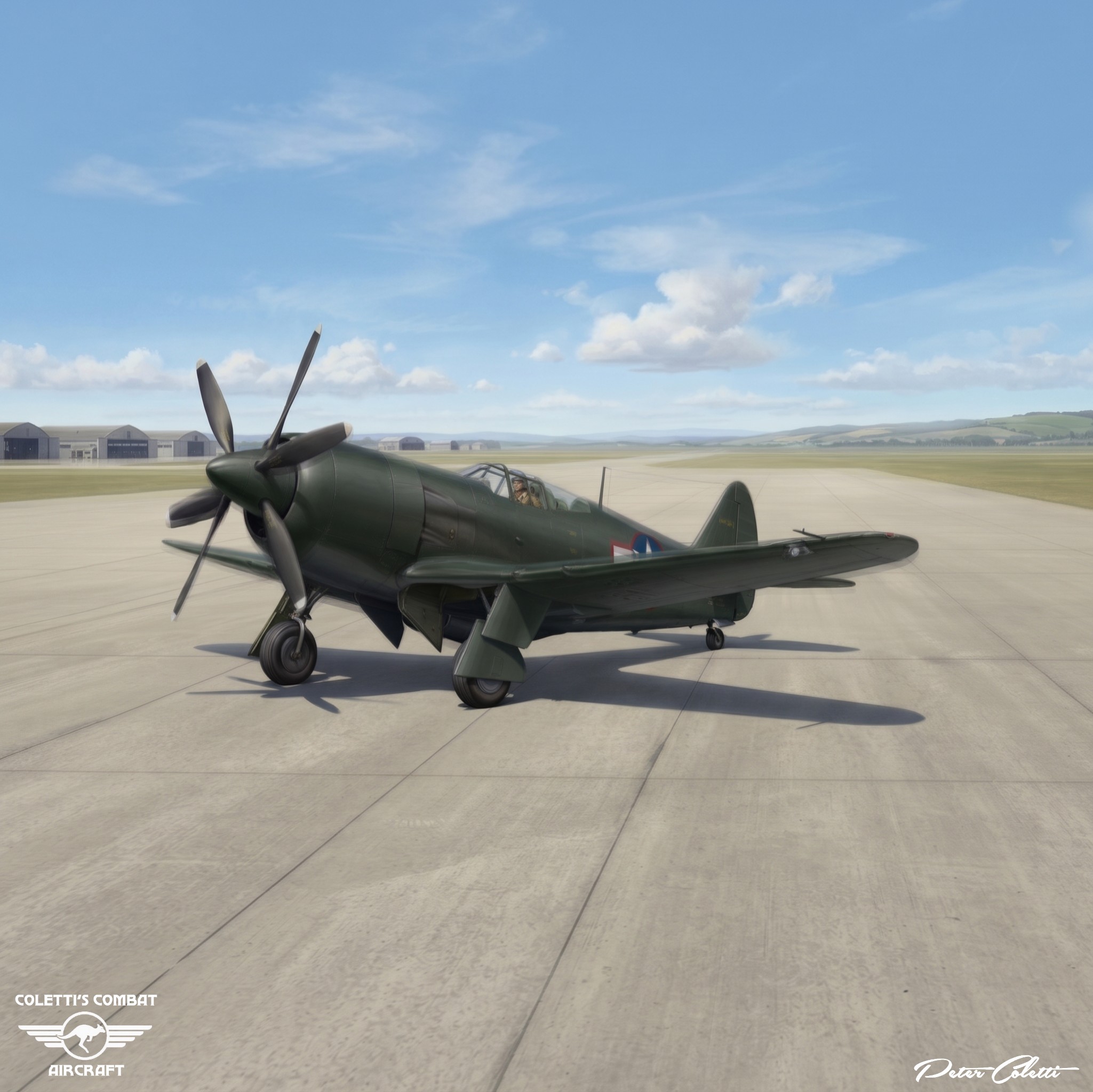
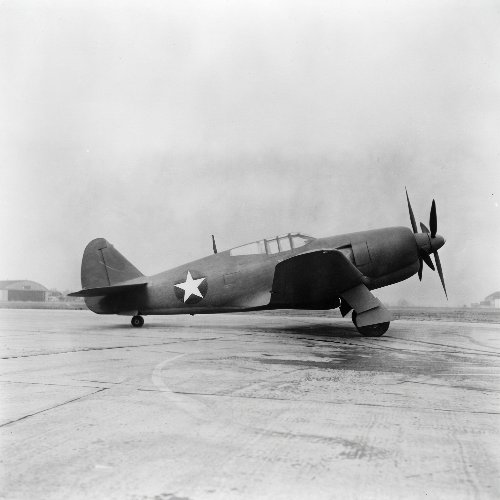
XP‑60C
This variant represented the most radical departure from the P‑40 lineage.
It used the Pratt & Whitney R‑2800 radial engine and featured contra‑rotating Curtiss Electric propellers.
The XP‑60C was converted from an XP‑60A airframe. Despite its advanced propeller system, the aircraft’s performance remained disappointing.
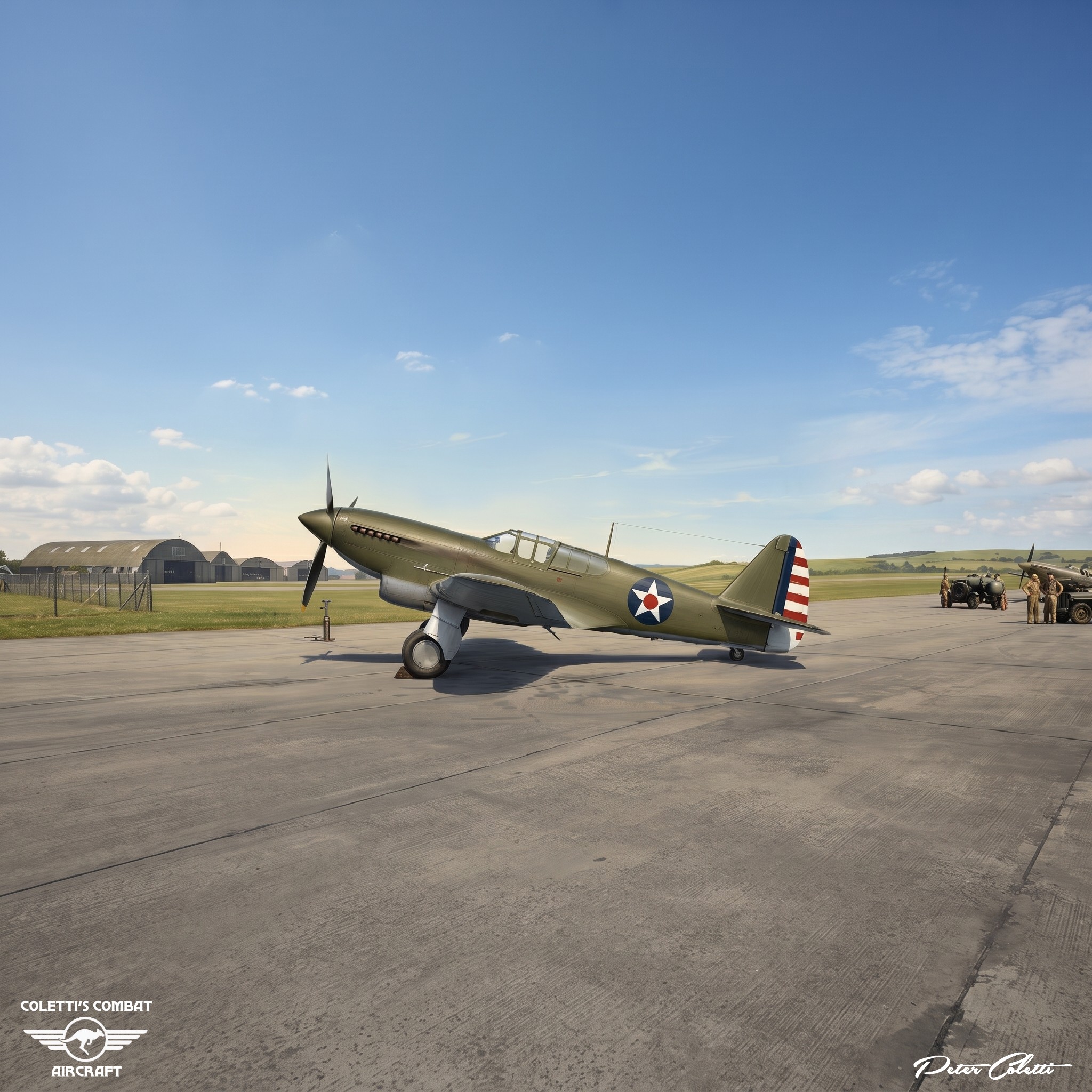
XP‑60D
This version retained the Merlin engine but incorporated enlarged tail surfaces and aerodynamic refinements.
It was based on the original XP‑60 airframe.
XP‑60E
Another radial‑powered variant using the R‑2800 engine, but with a conventional propeller instead of the contra‑rotating system used on the XP‑60C.
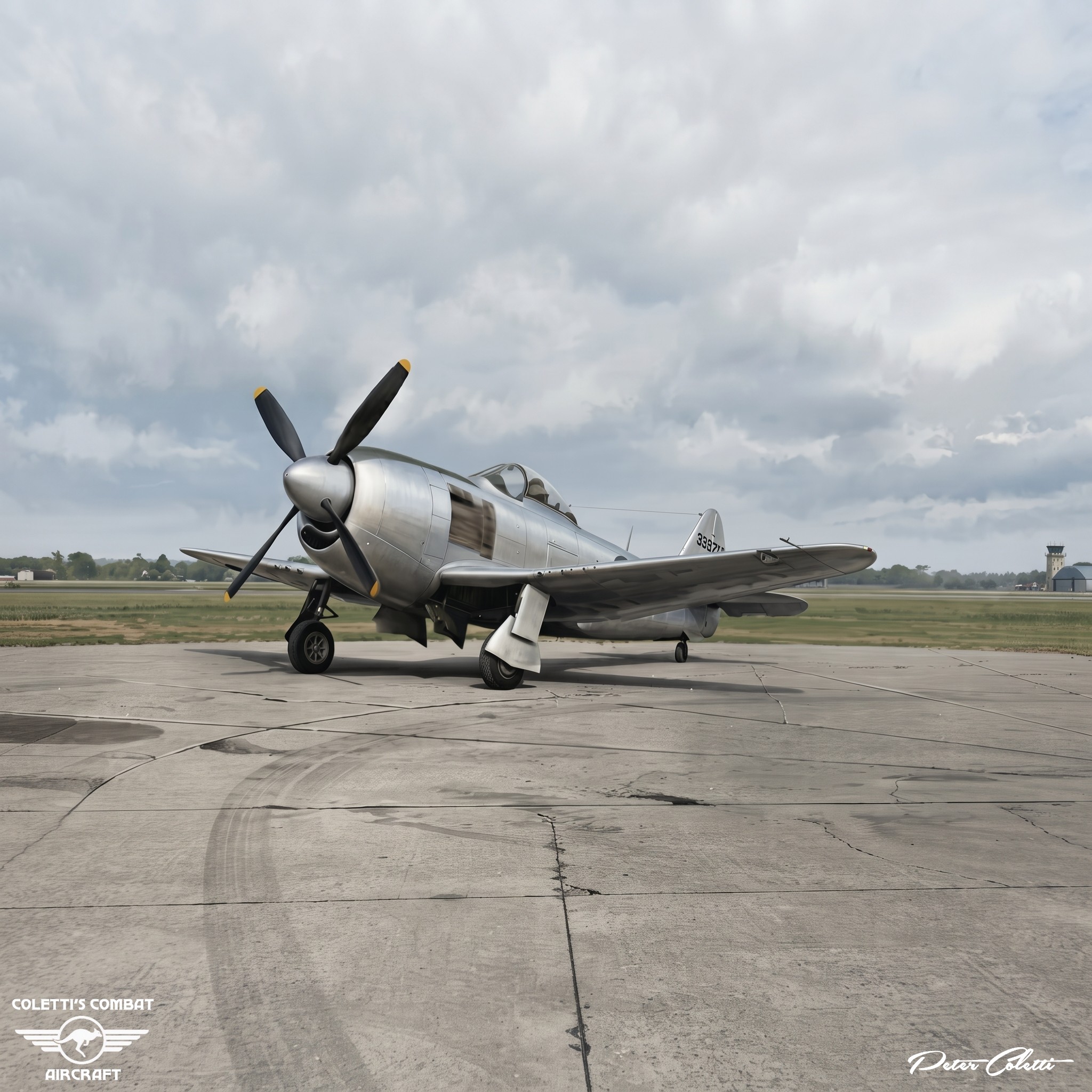
YP‑60E
The final variant in the series.
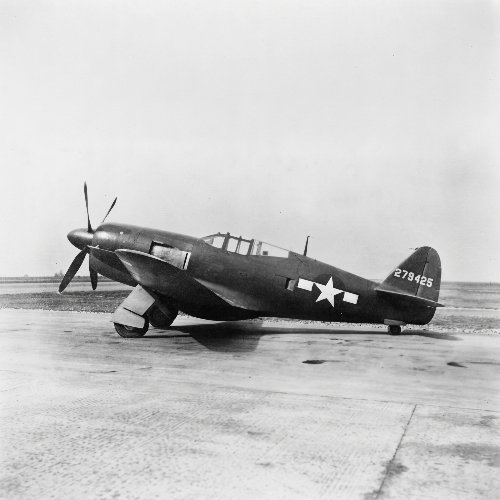
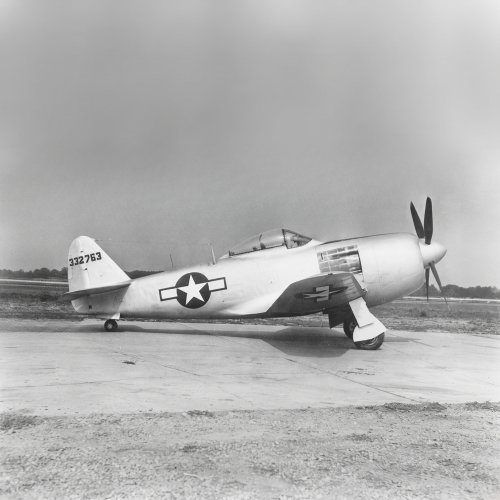
It used the R‑2800 radial engine and featured a bubble canopy and uncamouflaged finish.
The aircraft was completed only because the Army insisted on finishing one airframe still under contract.
It represented the most refined version of the XP‑60 but still failed to meet performance requirements.
Curtiss XP-60D
Technical Summary (XP‑60C)
Engine: Pratt & Whitney R‑2800 radial
Take-off weight: 10,516 lb (4,770 kg)
Empty weight: 8,697 lb (3,945 kg)
Wingspan: 41 ft 4 in (12.60 m)
Length: 34 ft 1 in (10.39 m)
Curtiss XP-60A
Height: 15 ft (4.57 m)
Wing area: 275 sq ft (25.55 m²)
Maximum speed: 386 mph (621 km/h)
Service ceiling: 35,750 ft (10,900 m)
Range: 615 miles (990 km)
Curtiss XP-60E
World War Two Context
The XP‑60 programme unfolded during a period of rapid fighter development.
The P‑51 Mustang matured quickly, outperforming all XP‑60 variants.
The P‑47 Thunderbolt demanded Curtiss factory capacity.
The U.S. Army Air Forces prioritised fighters already in production and combat‑proven.
Curtiss XP-60C
The XP‑60’s constant redesigns made it difficult to evaluate and impossible to standardise for production.
By mid‑1944, Curtiss requested termination of the programme due to poor results from the XP‑60C and XP‑60E.
The last airframe was scrapped on 22 December 1944.
The XP‑60 marked Curtiss’s final attempt to produce a competitive propeller‑driven fighter.
YP‑60E
Legacy
The XP‑60 series is remembered as Curtiss’s last major fighter development effort and a case study in how engine availability, industrial priorities, and rapid wartime innovation can doom even ambitious designs.
Although it never reached production, the XP‑60 programme explored a wide range of engines and configurations, reflecting the intense technological competition of World War II aviation.