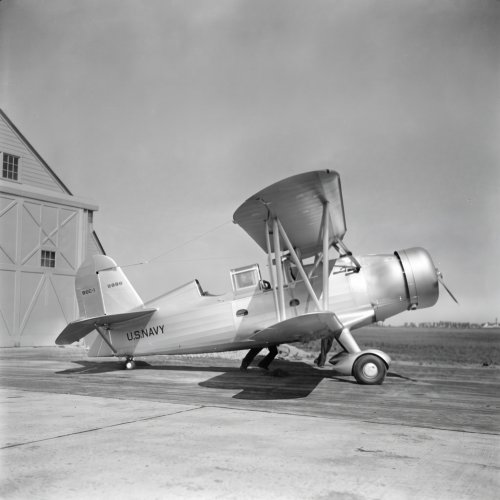
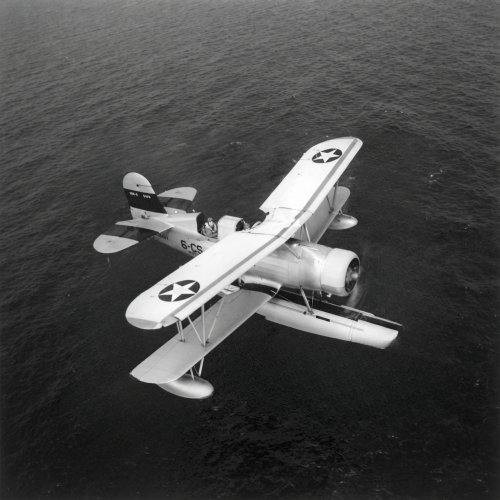
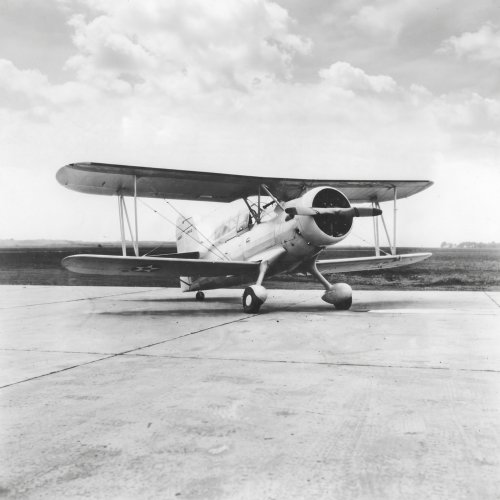
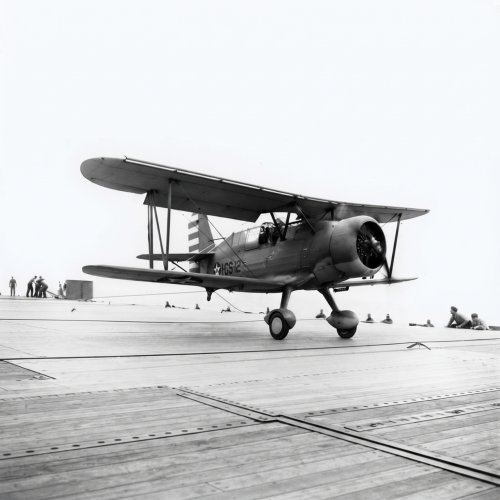
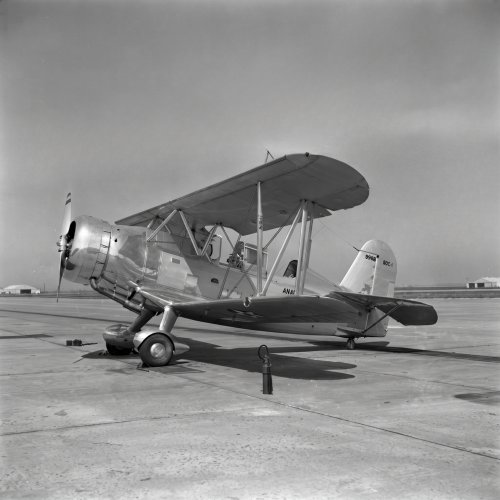
The Curtiss SOC Seagull emerged from a 1933 U.S. Navy requirement for a new aircraft that could merge the previously separate roles of scouting and observation.
The Navy wanted a compact, reliable, ship‑launched aircraft capable of operating from battleships and cruisers equipped with catapults.
Curtiss responded with the XO3C‑1 prototype, designated internally as the Model 71.
Designed by Alexander Solla, the aircraft first flew in April 1934 and demonstrated the versatility and ruggedness the Navy sought.
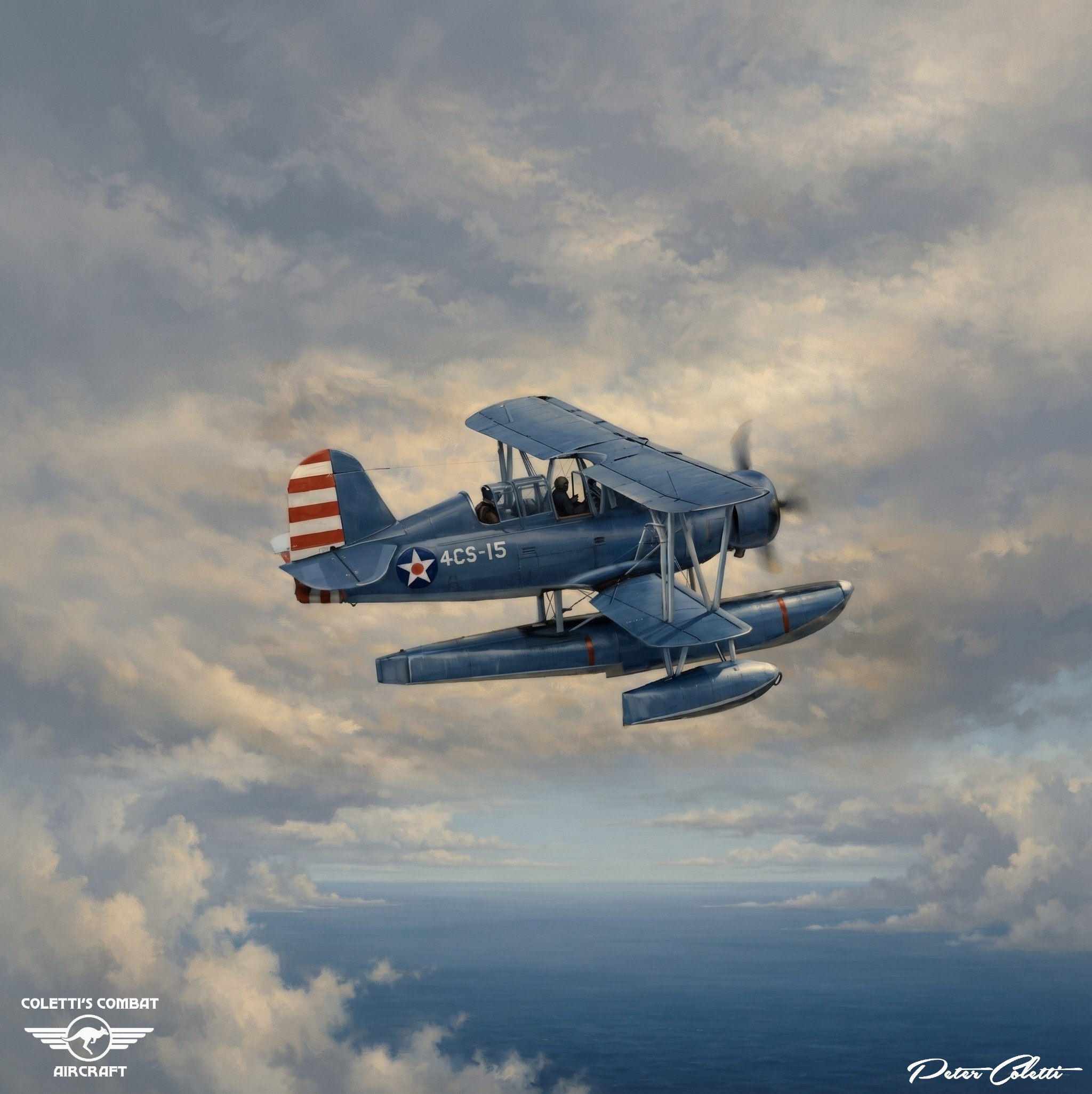
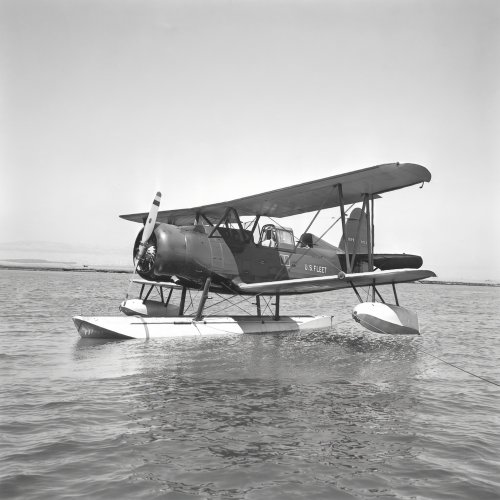
Curtiss XSOC-1 Seagull
After evaluation, the Navy adopted the aircraft as the SOC‑1, with the “S” indicating scout, the “O” observation, and the “C” Curtiss.
Production began in 1935, and the first operational aircraft were delivered in November of that year.
The SOC quickly became standard equipment aboard U.S. Navy cruisers and battleships.
Although conceived during the biplane era, the Seagull’s reliability and adaptability ensured it would remain in service far longer than anticipated.
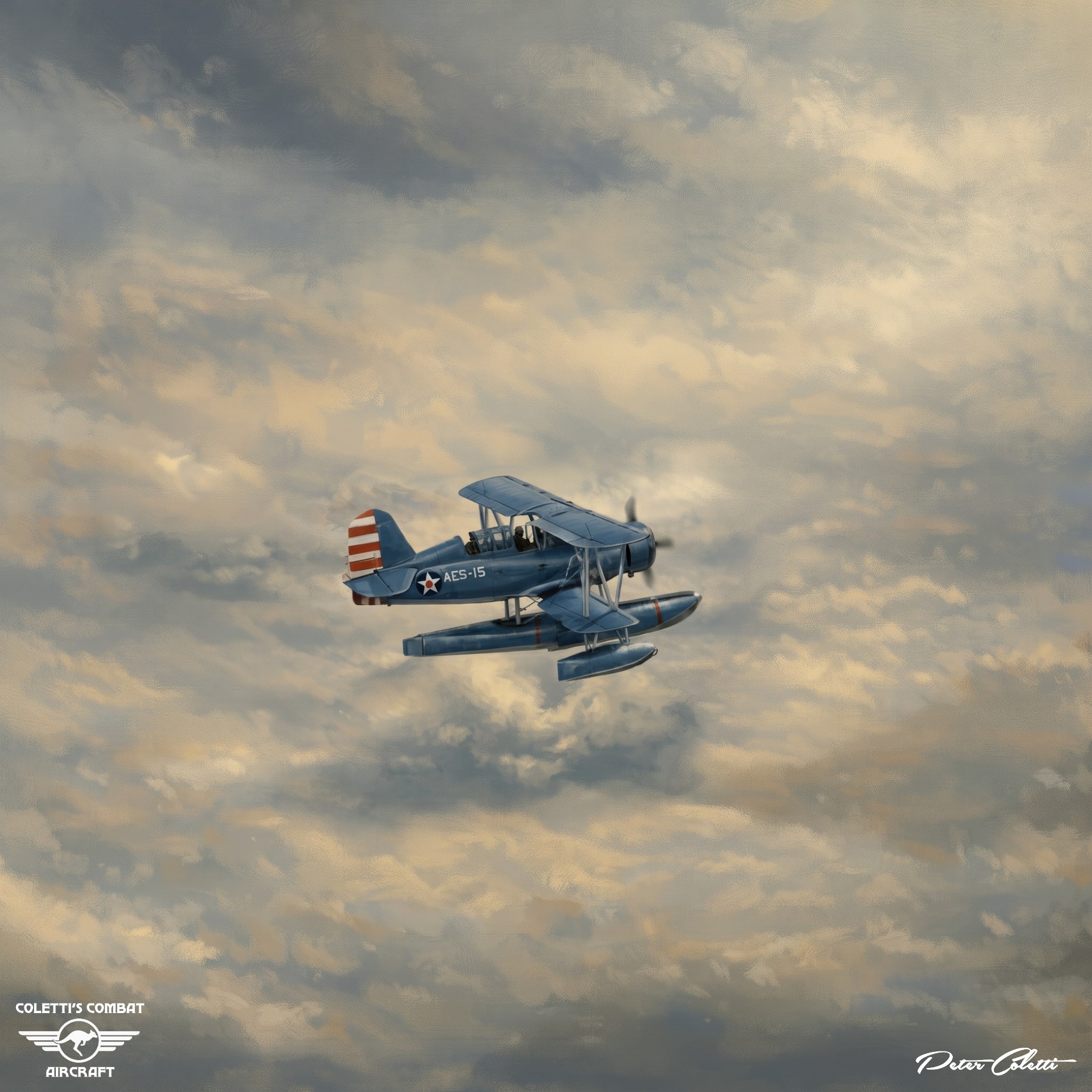
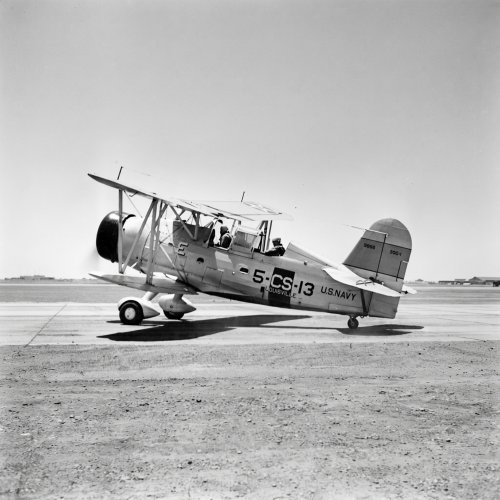
Curtiss SOC-2 Seagull
Airframe and Design Characteristics
The SOC Seagull was a two‑seat, single‑engine biplane built with a welded steel‑tube fuselage and fabric covering.
Its wings were constructed with light alloy components and were designed to fold, allowing compact storage aboard ships.
The aircraft featured tandem cockpits beneath a long greenhouse canopy, with the rear section capable of retracting to improve the observer’s field of fire.
One of the defining features of the SOC was its ability to switch between floatplane and wheeled configurations.
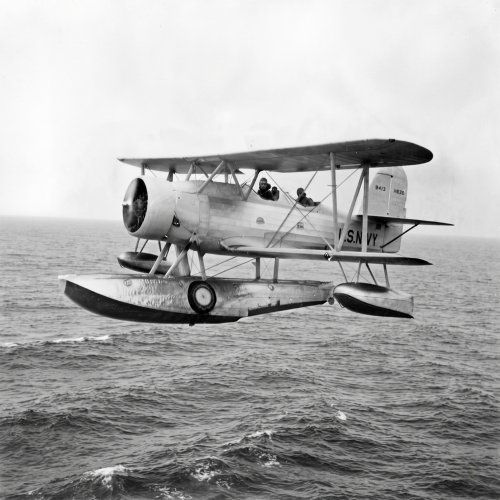
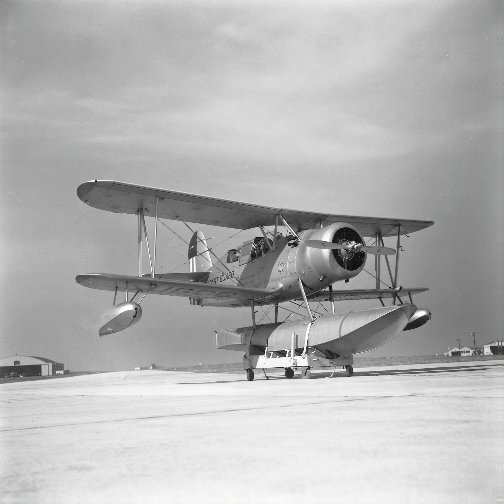
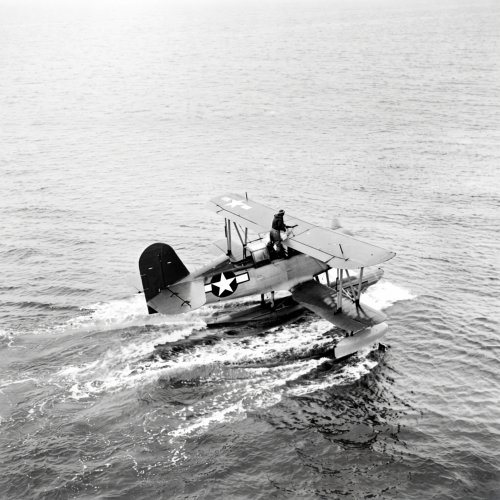
In its floatplane form, it used a large central float and two stabilising wingtip floats.
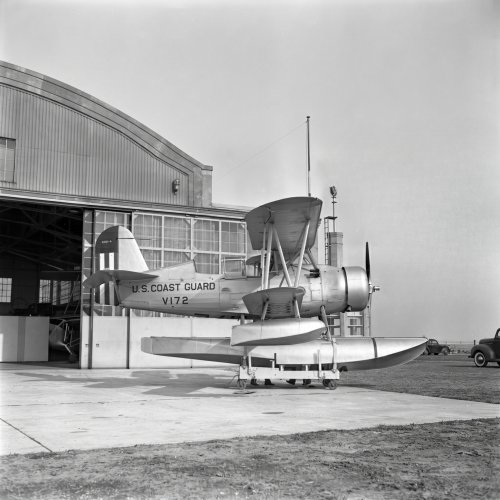
Curtiss SOC-3 Seagull
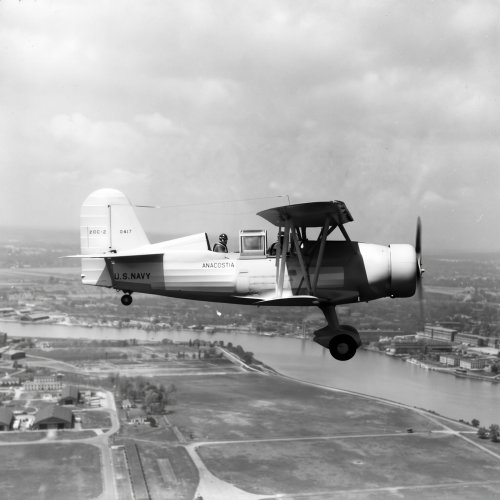
When equipped with wheeled landing gear, it became a conventional tail‑dragger suitable for land bases or carrier decks.
Some variants included arresting hooks for carrier operations, reflecting the Navy’s desire for maximum flexibility.
The aircraft was designed for catapult launch from ships.
After completing its mission, the pilot would land alongside the vessel, and the aircraft would be hoisted aboard by crane.
This method of operation was standard for U.S. Navy floatplanes of the era.
Curtiss SOC-1 Seagull
Powerplant and Performance
The SOC was powered by the Pratt & Whitney R‑1340 Wasp, a nine‑cylinder air‑cooled radial engine producing approximately 550 horsepower.
This engine gave the aircraft a maximum speed of around 165 miles per hour and a cruising speed near 133 miles per hour.
Its operational range was roughly 675 miles, sufficient for scouting missions around a fleet or coastline.
The aircraft’s stall speed was low enough to permit safe water landings in moderate conditions, and its handling characteristics were generally praised by pilots.
Although not fast by late‑1930s standards, the SOC’s reliability and forgiving nature made it a dependable shipboard aircraft.
Curtiss SOC-4 Seagull
Armament and Equipment
The SOC carried a modest armament suitable for its reconnaissance role.
It mounted a forward‑firing. 50‑calibre machine gun in the engine cowling and a flexible . 30‑calibre machine gun in the observer’s cockpit.
The aircraft could also carry up to 650 pounds of bombs, typically two 100‑ or 250‑pound bombs for light attack or harassment missions.
This limited offensive capability allowed the SOC to perform secondary roles such as anti‑submarine patrols or coastal strikes when necessary.
Curtiss SOC-4 Seagull
Variants
Several variants of the SOC were produced, reflecting incremental improvements and adaptations for different roles.
Curtiss SOC-1 Seagull
The SOC‑1 was the initial production model, built primarily as a floatplane.
The SOC‑2 introduced wheeled landing gear and minor structural changes.
Curtiss SOC-3 Seagull
The SOC‑3 returned to the floatplane configuration but incorporated refinements based on operational feedback.
The SOC‑3A added arresting gear for carrier operations.
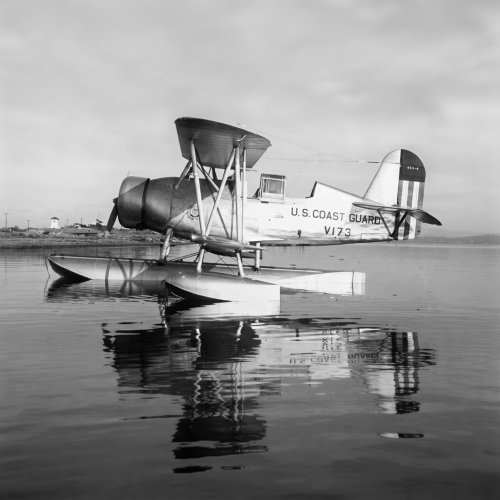
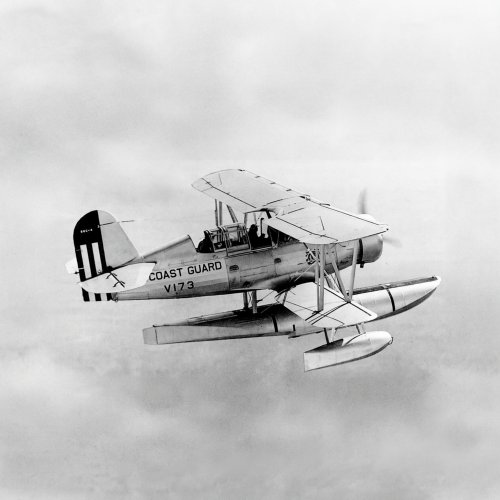
Curtiss SOC-4 Seagull
A small batch of SOC‑4 aircraft was built for the U.S. Coast Guard but later absorbed into Navy service and upgraded to SOC‑3A standard.
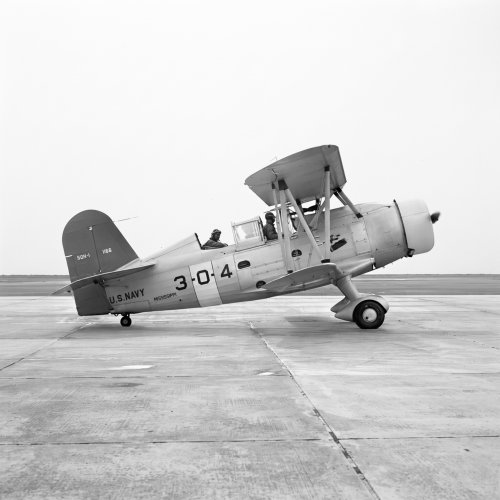
Curtiss SON-1 Seagull
In 1940, the Naval Aircraft Factory produced the SON‑1, essentially a licence‑built SOC‑3.
These aircraft supplemented Curtiss production and ensured adequate numbers remained available as the Navy expanded.
Curtiss SOC-4 Seagull
Operational Service and World War II
By the late 1930s, the SOC Seagull was widely deployed across the U.S. fleet.
It served aboard nearly every cruiser and battleship, performing scouting, gunnery spotting, and general observation duties.
The Navy planned to replace the SOC with two newer monoplanes: the Vought OS2U Kingfisher for battleships and the Curtiss SO3C Seamew for cruisers.
However, the SO3C proved unreliable, particularly due to chronic engine problems, and many ships reverted to the older SOC until more dependable aircraft became available.
When the United States entered World War II, the SOC was already considered obsolete, yet it continued to serve effectively.
Curtiss SON-1 Seagull
During the attack on Pearl Harbour, SOCs from the cruiser USS Northampton engaged Japanese aircraft, and one SOC reportedly shot down an A6M Zero, making it the only U.S. Navy biplane known to have achieved an aerial victory during the war.
Throughout the conflict, SOCs performed gunfire spotting during naval bombardments, scouted ahead of task forces, and conducted coastal patrols.
Their slow speed and open‑cockpit design were disadvantages in contested airspace, but in quieter sectors they remained useful.
As newer aircraft became available, the SOC was gradually withdrawn from frontline service, though some remained active until 1945.
Curtiss SOC-1 Seagull
Legacy and Significance
The Curtiss SOC Seagull occupies a unique place in U.S. naval aviation history.
It was the last operational biplane used by the Navy and one of the few pre‑war designs to remain in service throughout World War II.
Its longevity was due not to cutting‑edge performance but to reliability, versatility, and the failure of its intended replacement.
Like the British Fairey Swordfish, the SOC demonstrated that an outdated design could still be effective when matched to the right mission.
It served faithfully for nearly fifteen years, finally retiring in 1949.
Today, the SOC is remembered as a symbol of the transitional era between classic biplanes and modern naval aircraft.