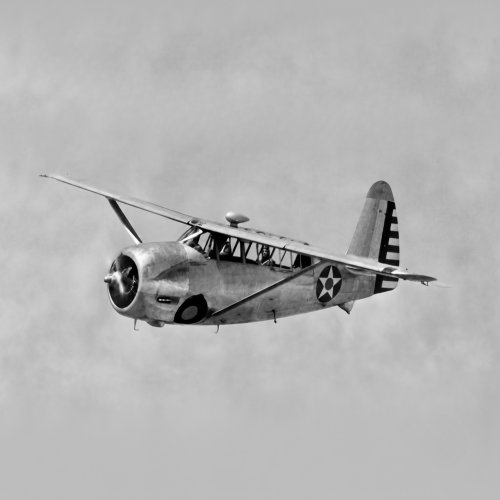
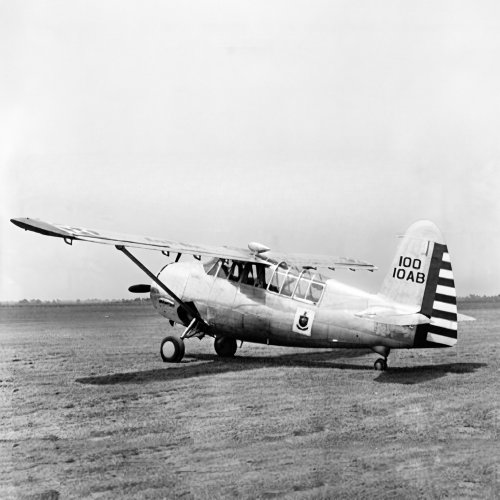
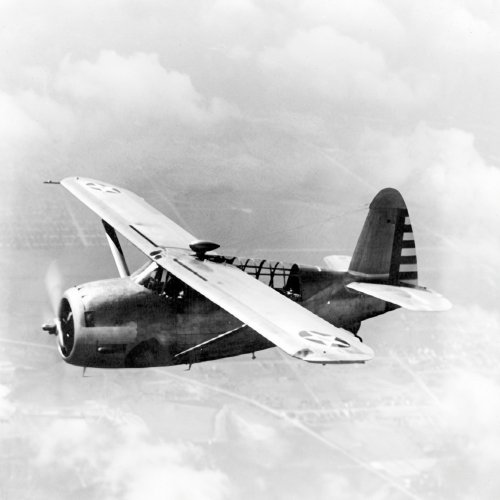
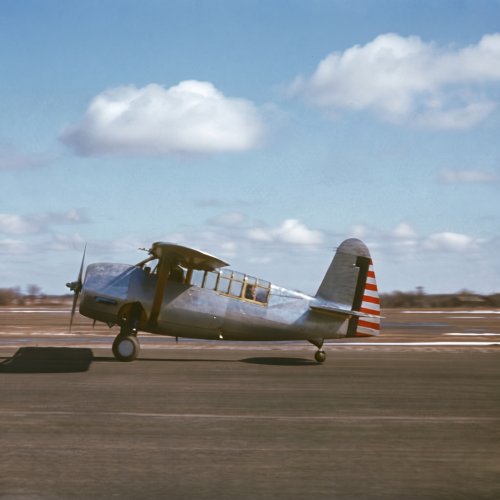
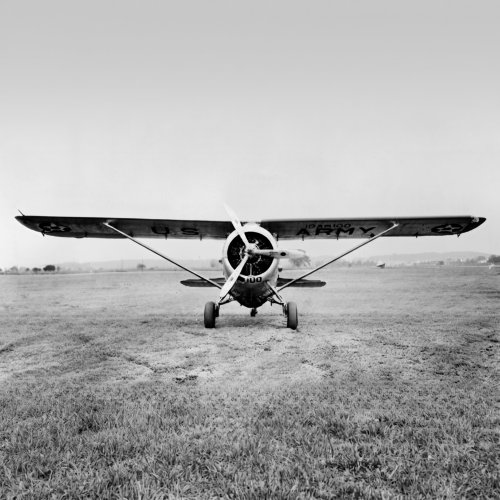
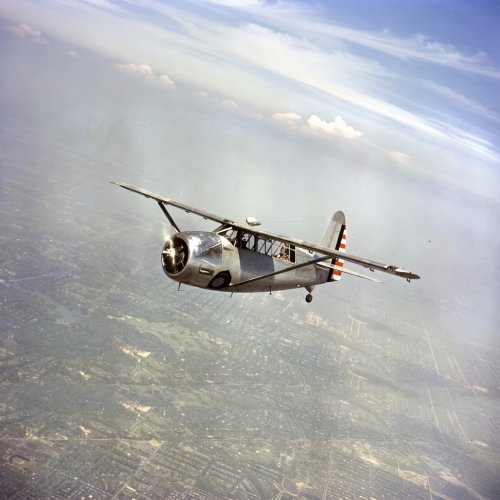
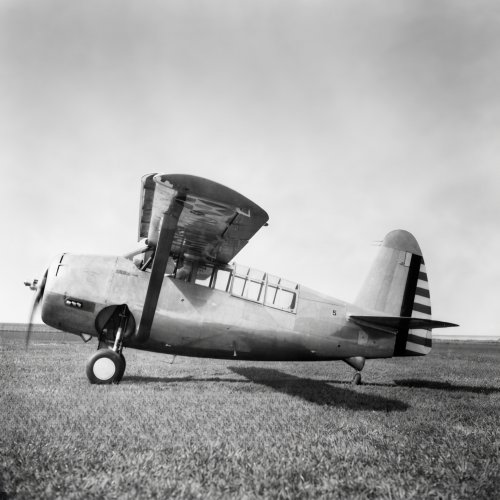
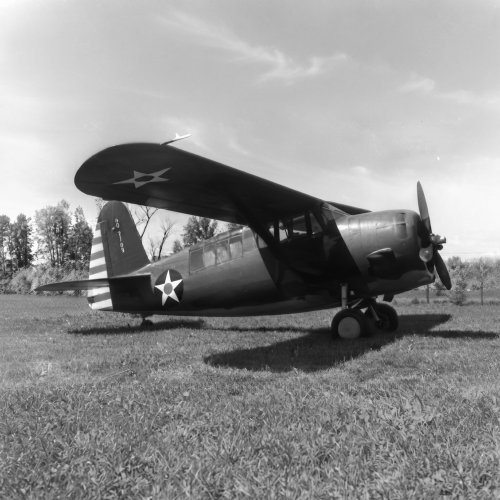
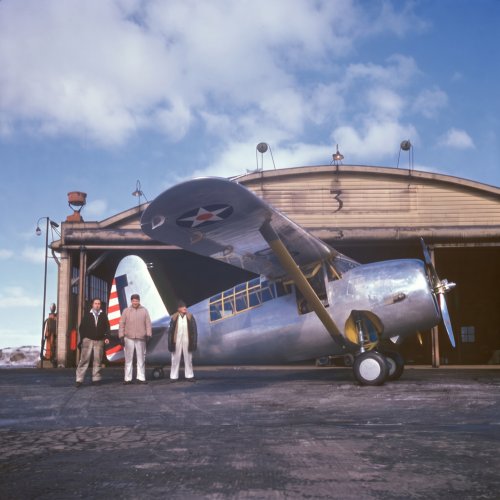
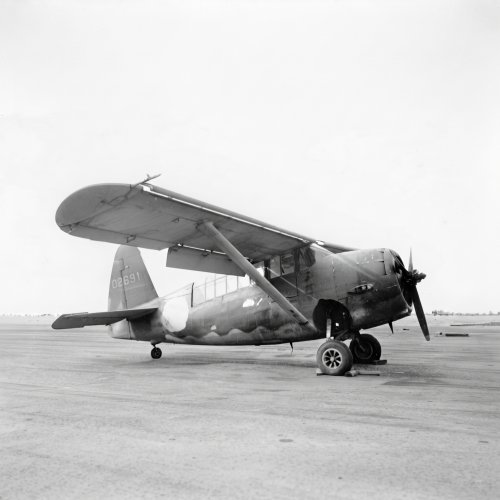
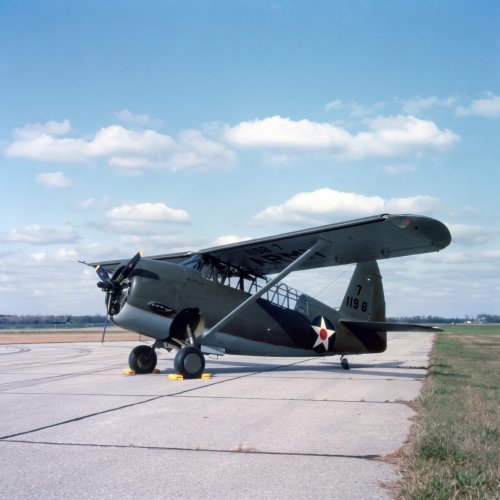
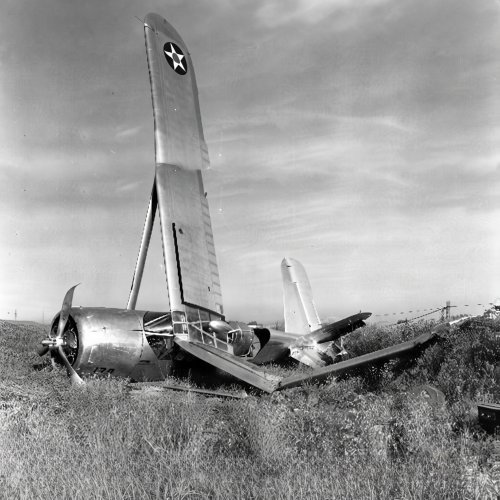
The Curtiss O‑52 Owl emerged from a late‑1930s U.S. Army Air Corps requirement for a “heavy” observation aircraft—an evolutionary continuation of the O‑series that dated back to World War I.
By 1939, the Air Corps sought a more robust, two‑seat monoplane capable of artillery spotting, photo‑reconnaissance, and general observation at corps and division level.
This doctrinal shift favoured heavier, more stable aircraft over the earlier light scouts, aiming for improved camera steadiness, longer endurance, and better integration with modernised ground forces.
Curtiss‑Wright responded with the Model 85, designated O‑52, which first flew in 1940 and entered service in 1941.
It was the last heavy observation aircraft procured in quantity before the Army abandoned the “O” category entirely after Pearl Harbour, shifting to the lighter L‑series liaison aircraft such as the L‑4 Grasshopper.
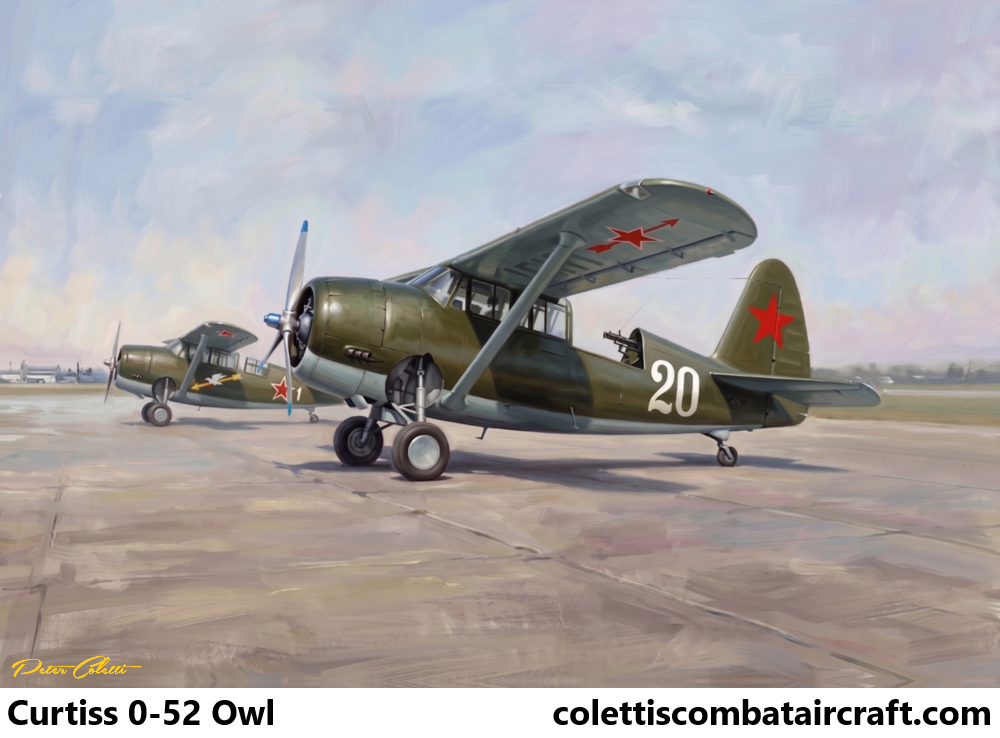
Soviet Owl
A total of 203 O‑52s were ordered in 1940, reflecting pre‑war confidence in the heavy observation concept.
However, rapid wartime technological change soon rendered the type obsolete.
Design and Technical Characteristics
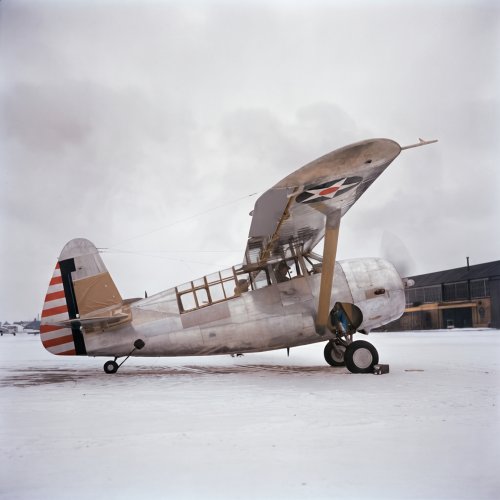
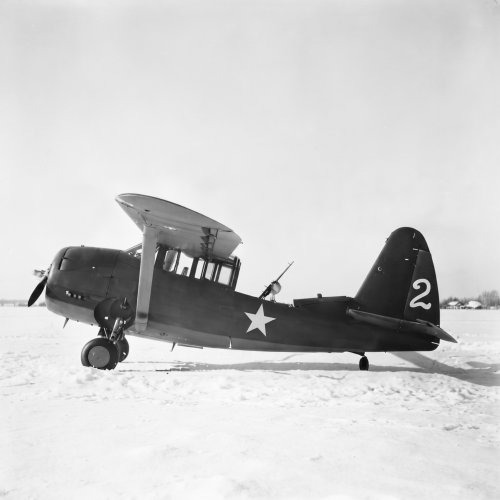
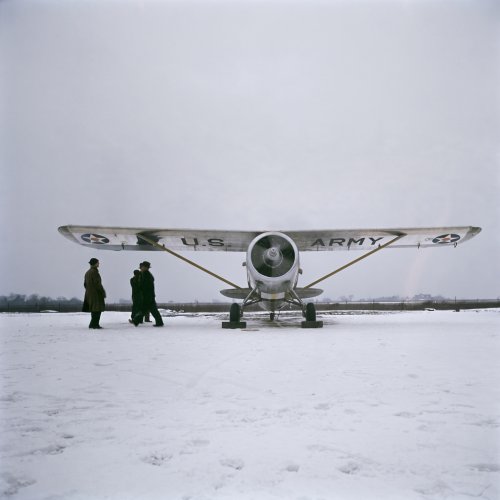
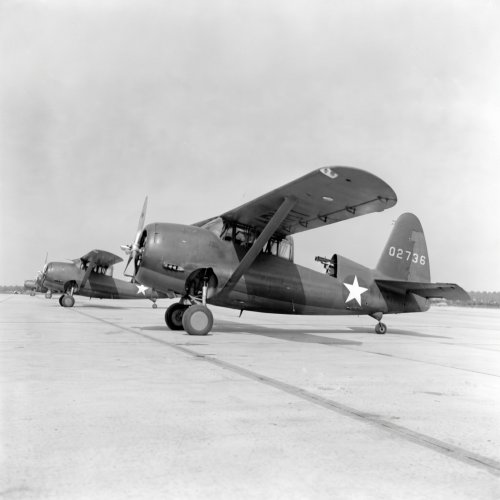
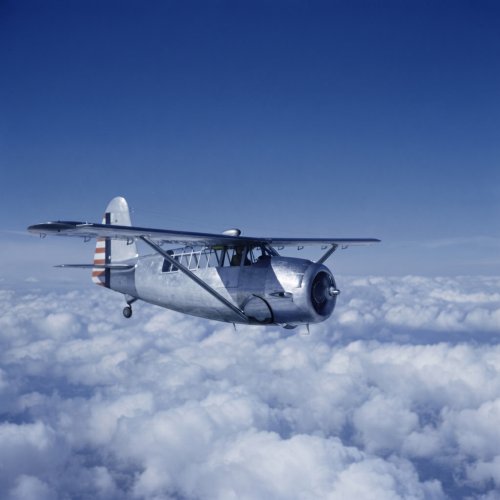
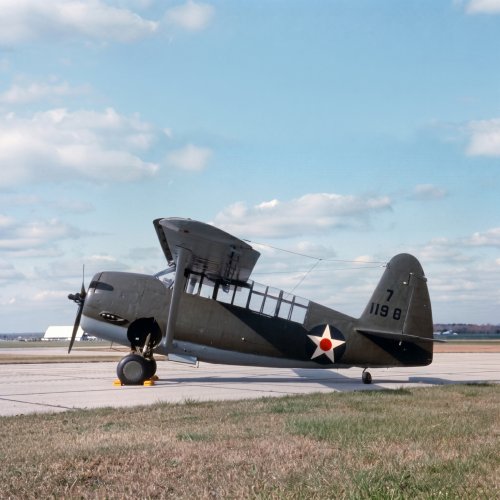
The Curtiss O‑52 was a high‑wing, two‑seat monoplane with a fixed landing gear and extensive cockpit glazing to maximise downward and lateral visibility—critical for reconnaissance and artillery spotting.
Airframe and Dimensions
Length: ~26 ft 3–5 in (≈8.0 m)
Wingspan: 40 ft 9–10 in (≈12.42 m)
Height: ~9 ft 11 in (≈3.03 m)
Wing area: 210 ft² (20 m²)
Construction: Fabric‑covered fuselage with metal structure (typical of late‑1930s U.S. designs).
Maximum speed: 215–221 mph (≈350 km/h) depending on source
Cruise speed: ~192 mph (309 km/h) at 75% power
Service ceiling: 18,045–23,200 ft (≈5,500–7,070 m)
Rate of climb: 1,250–1,700 ft/min (≈6–8.6 m/s)
Range: 249–455 miles (400–700 km) depending on mission profile and source
Crew and Armament
Crew: 2 (pilot + observer)
Armament: One fixed forward‑firing. 30‑cal Browning machine gun
One trainable rear .30‑cal Browning for defence
The design emphasised stability, not agility.
This made the O‑52 suitable for slow, steady observation but poorly suited to contested airspace once WWII began.
Operational History and WWII Context
U.S. Army Air Corps / U.S. Army Air Forces
Upon delivery in 1941, O‑52s were used in stateside military manoeuvres, fulfilling their intended role as artillery spotters and reconnaissance platforms.
However, after the U.S. entered WWII, the USAAF quickly determined that the O‑52 lacked the performance needed for modern combat zones.
Its fixed gear, modest speed, and limited defensive capability made it vulnerable to enemy fighters and unsuitable for frontline reconnaissance.
As a result, the O‑52 was relegated to secondary duties, including:
Courier and liaison flights within the U.S.
Short‑range anti‑submarine patrols over the Gulf of Mexico, Atlantic, and Pacific coastal waters—often flown by units such as the 2nd Reconnaissance Squadron from bases in Puerto Rico and Trinidad.
The type’s obsolescence contributed directly to the discontinuation of the “O” category in 1942, replaced by the more versatile L‑series liaison aircraft.
Soviet Lend‑Lease Service
In November 1942, the USSR ordered 30 O‑52s under Lend‑Lease.
26 shipped, 19 delivered, with losses on the Arctic convoy route.
10 accepted into service.
Soviet units used the O‑52 for:
Artillery fire spotting
Photographic reconnaissance
General observation on the northern and central fronts during spring–summer 1943
One aircraft was shot down by Luftwaffe fighters.
Soviet evaluations considered the O‑52 superior to older Polikarpov R‑5 and R‑Z spotters, but it was still disliked due to vulnerability and limited performance.
Some remained in service into the 1950s.
Other Operators
Brazilian Air Force (limited use)
Variants
The O‑52 had no major variants; all production aircraft fell under the base designation O‑52 Owl.
Assessment and Legacy
The Curtiss O‑52 Owl represents a transitional stage in U.S. military aviation—an aircraft conceived at the end of the interwar period but overtaken by the rapid evolution of WWII.
Its heavy observation concept was rendered obsolete by:
Faster, more survivable tactical reconnaissance aircraft