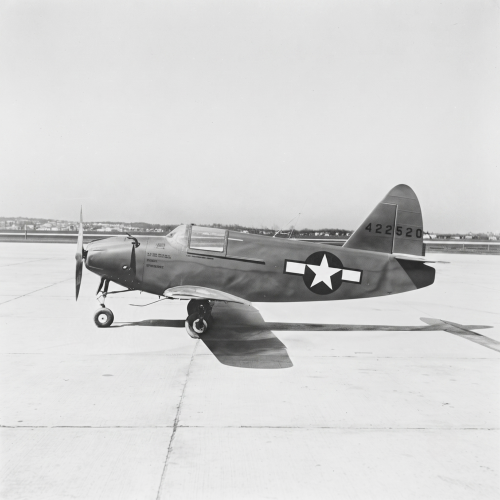
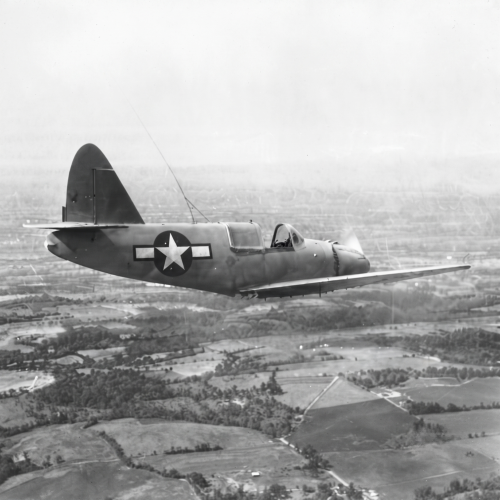
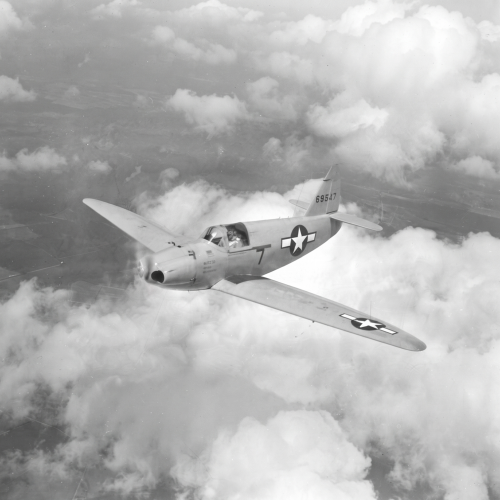
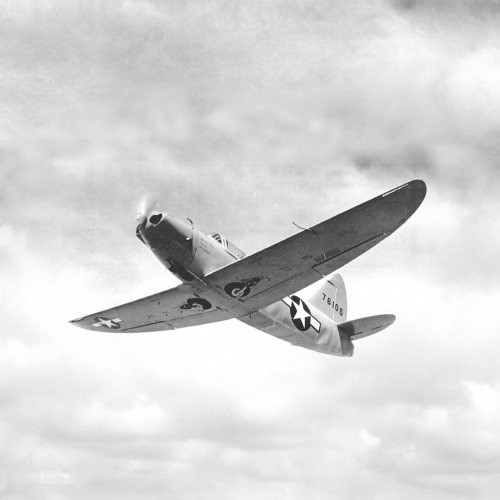
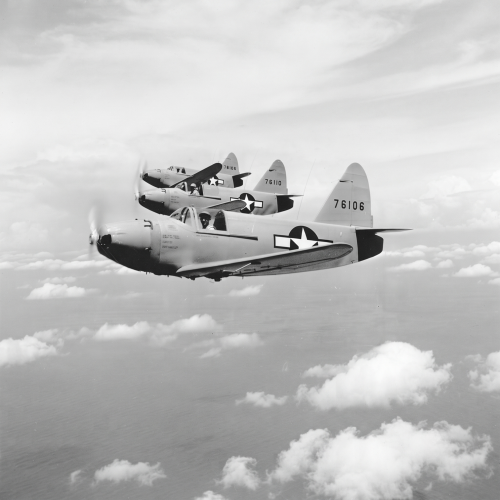
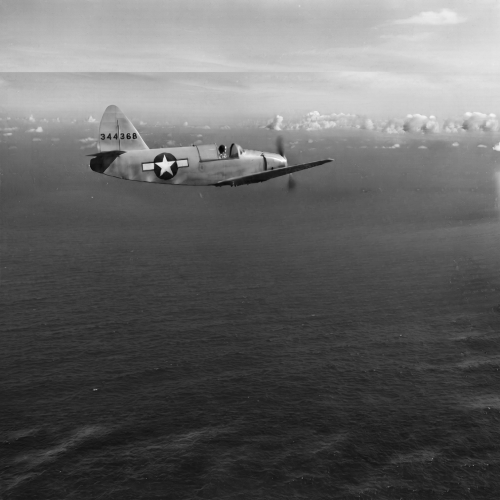
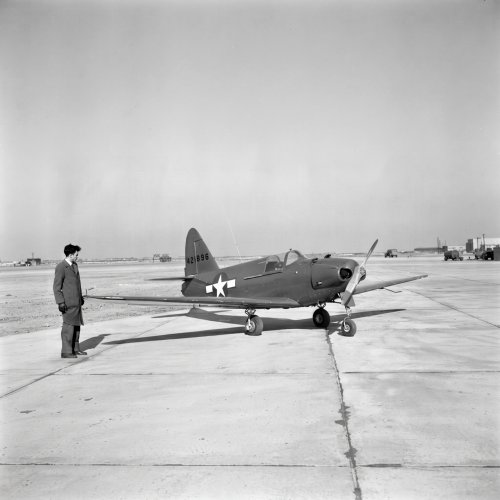
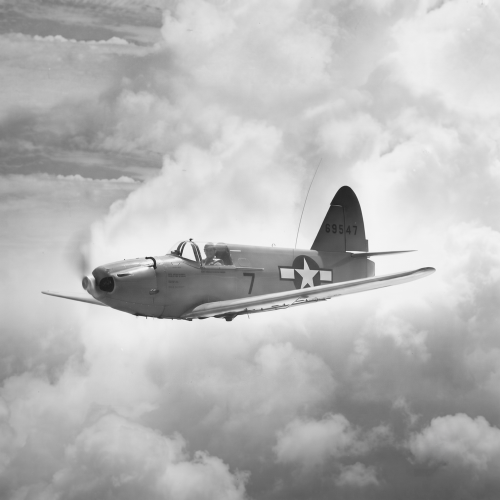
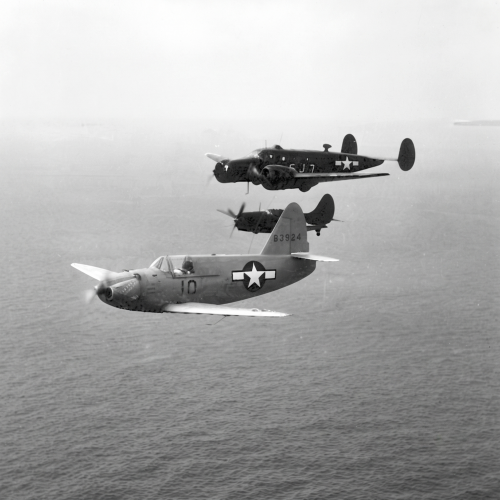
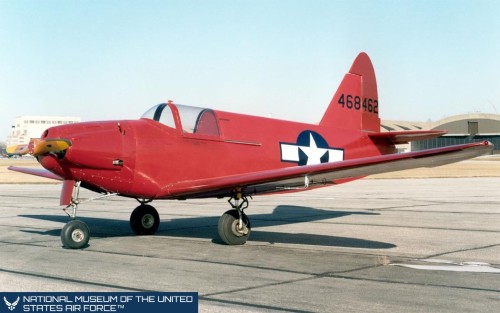
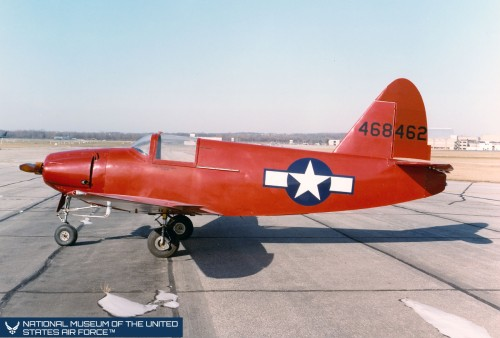
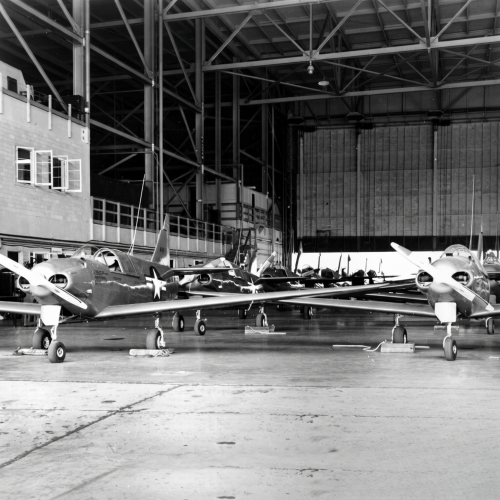
The Culver PQ‑14 Cadet was a World War II radio‑controlled target drone developed in response to the U.S. Army Air Corps’ growing need for realistic, expendable aircraft to train anti‑aircraft gunners.
Its lineage traces back to the civilian Culver Model LFA Cadet, a light sport aircraft designed by Albert Mooney in the late 1930s.
Culver had already adapted the Cadet into the earlier PQ‑8 drone, which proved that a small, inexpensive aircraft could be successfully converted into a reliable unmanned target.
By 1941, the Army Air Corps required a faster, more manoeuvrable drone that could better simulate modern combat aircraft.
Culver responded by enlarging and refining the PQ‑8 design, producing a new prototype designated XPQ‑14.
This aircraft incorporated structural improvements, a more powerful engine, and retractable landing gear, marking a significant step forward in drone capability.
The XPQ‑14’s trials were successful, leading to a series of service‑test aircraft designated YPQ‑14A.
These validated the design for mass production, and the PQ‑14 Cadet entered full‑scale manufacture in 1942.
Design Characteristics
The PQ‑14 was a compact, single‑engine, low‑wing monoplane built primarily of wood.
Wartime material shortages made wood an attractive choice, and Culver’s experience with wooden airframes allowed rapid production.
The fuselage and wings were constructed with stressed plywood skin over wooden framing, giving the aircraft a smooth, aerodynamic profile.
Although intended for unmanned flight, the PQ‑14 retained a minimal cockpit for ferrying and testing.
Pilots sat on a simple seat mounted over the wing root, often using their parachute as a cushion.
Controls were basic but sufficient for take-off, landing, and transit flights.
Key design features included the following:
A low‑wing monoplane layout for stability and manoeuvrability
Retractable main landing gear, unusual for a drone of its size
A single tailwheel
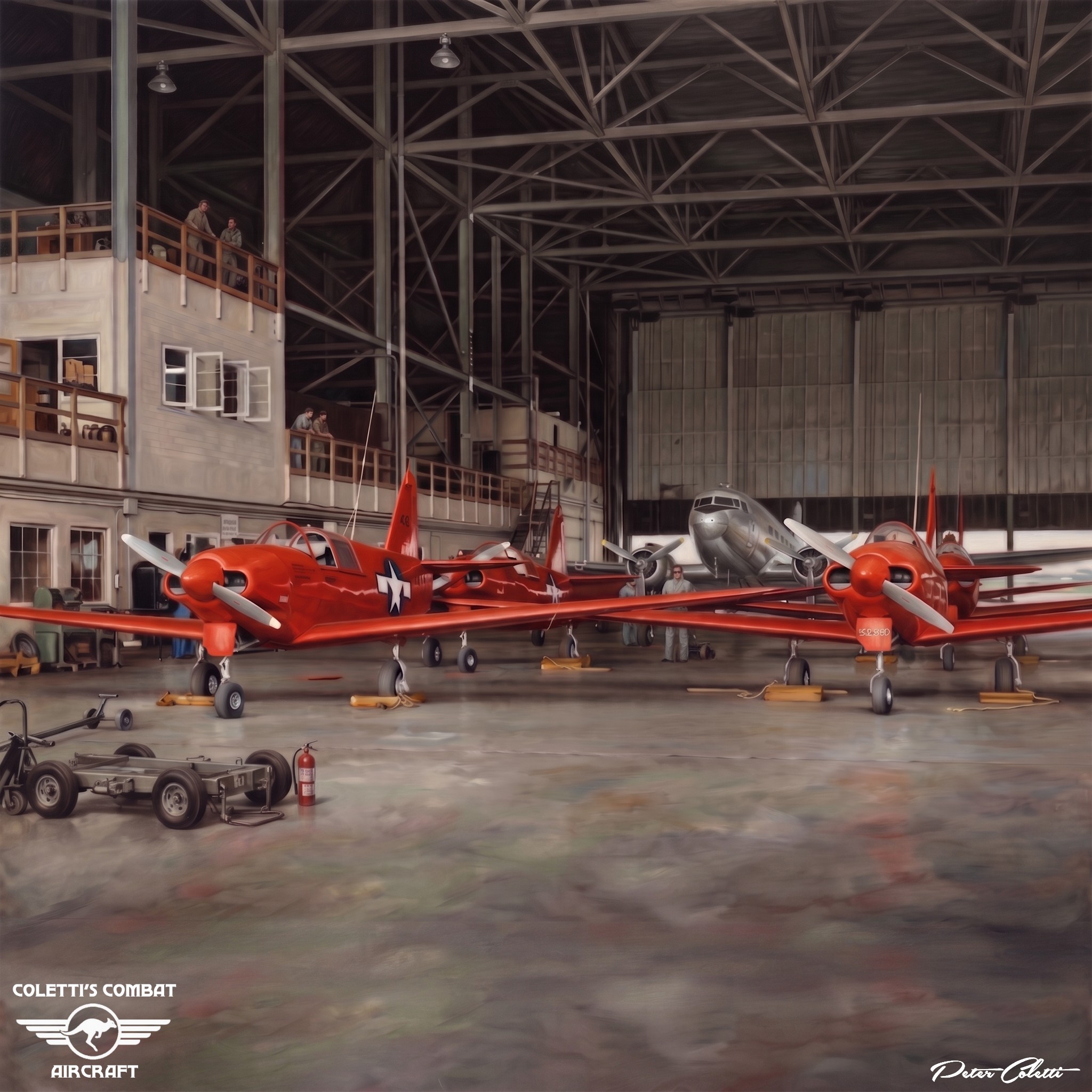
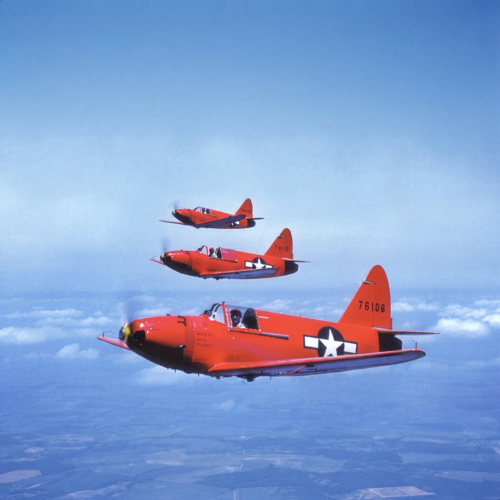
Brightly painted surfaces, typically red or silver, to improve visibility during live‑fire exercises
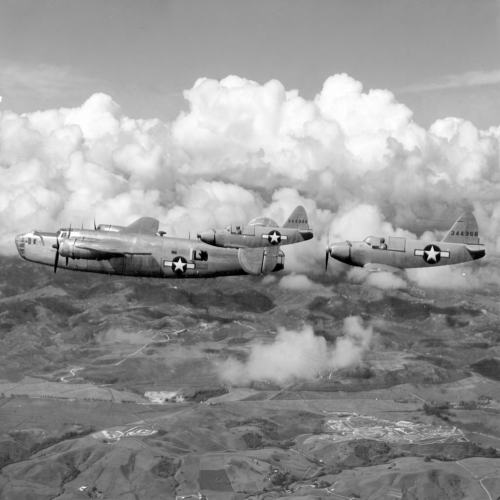
Radio‑control equipment allowing remote operation from a “mother ship”, usually a Beech C‑45 carrying the drone operator
The PQ‑14’s combination of simplicity, speed, and agility made it an ideal target aircraft for both Army and Navy gunnery training.
Powerplant and Performance
The PQ‑14 was powered by a Franklin 6ACT‑298‑35 (or related Franklin O‑300 series) air‑cooled, horizontally opposed six‑cylinder engine producing approximately 150 horsepower.
This engine was known for reliability and ease of maintenance, important qualities for an aircraft expected to fly frequently and often be destroyed in training.
Typical performance figures included the following:
Maximum speed: about 185 mph
Cruising speed: around 150–155 mph
Range: roughly 360 miles
Service ceiling: approximately 17,000 feet
Rate of climb: around 900 feet per minute
These numbers placed the PQ‑14 well above the performance of earlier drones, allowing it to mimic the speed and manoeuvrability of contemporary fighter aircraft more effectively.
Operational Use in World War II
The PQ‑14 entered service in 1942 and quickly became one of the most widely used target drones in the United States.
Its primary mission was to provide realistic, radio-controlled targets for anti-aircraft gunners.
During training exercises, the drone was flown remotely while ground or ship‑based gunners fired live ammunition at it.
The aircraft’s bright coloration helped gunners track it, but its speed and manoeuvrability made it a challenging target.
Most PQ‑14s were destroyed during these exercises, which was their intended fate.
The drone’s expendability was a key part of its design philosophy.
The U.S. Navy adopted the PQ‑14 in large numbers, redesignating it TD2C‑1 and nicknaming it the “Turkey”.
Navy gunners used it extensively to prepare for the increasing threat of fast, low‑flying enemy aircraft, including kamikaze attacks later in the war.
The PQ‑14’s reliability and performance made it a cornerstone of American anti‑aircraft training.
Thousands of gunners honed their skills against these drones before facing real enemy aircraft in combat.
Variants
The PQ‑14 family included several variants developed for testing, production, and Navy service:
XPQ‑14 – Prototype converted from a PQ‑8; basis for the entire series.
YPQ‑14A – Service‑test aircraft used to validate the design.
PQ‑14A – Main production version; approximately 1,348 built, with most transferred to the Navy as TD2C‑1.
YPQ‑14B – Heavier test variant preceding the PQ‑14B.
PQ‑14B – Improved production model; around 594 built for the Army Air Forces.
XPQ‑14C – One‑off experimental version fitted with a Continental O‑300‑9 engine.
TD2C‑1 – U.S. Navy designation for the PQ‑14A aircraft; widely used for shipboard gunnery training.
XPQ‑15 – Postwar derivative based on the Culver Model V; only four built before Culver’s bankruptcy in 1946.
In total, more than 2,000 PQ‑14 series aircraft were produced, making it one of the most numerous target drones of the war.
Postwar Use and Legacy
After World War II, surviving PQ‑14s continued in service until about 1950.
Because most drones were destroyed during training, relatively few remained.
Those that survived were sold as surplus and found new life as recreational aircraft.
Pilots appreciated their lively handling and respectable performance, though the cockpit accommodations remained spartan.
Today, several PQ‑14s survive in museums or private collections.
A few have been restored to airworthy condition, offering a rare glimpse into the early era of radio‑controlled military aviation.
The Culver PQ‑14 Cadet stands as a significant milestone in drone development.
It demonstrated that small, inexpensive aircraft could be mass‑produced for realistic gunnery training, and it helped prepare thousands of American gunners for the challenges of aerial combat.
Its legacy lives on in the modern concept of unmanned aerial targets and remotely piloted vehicles.