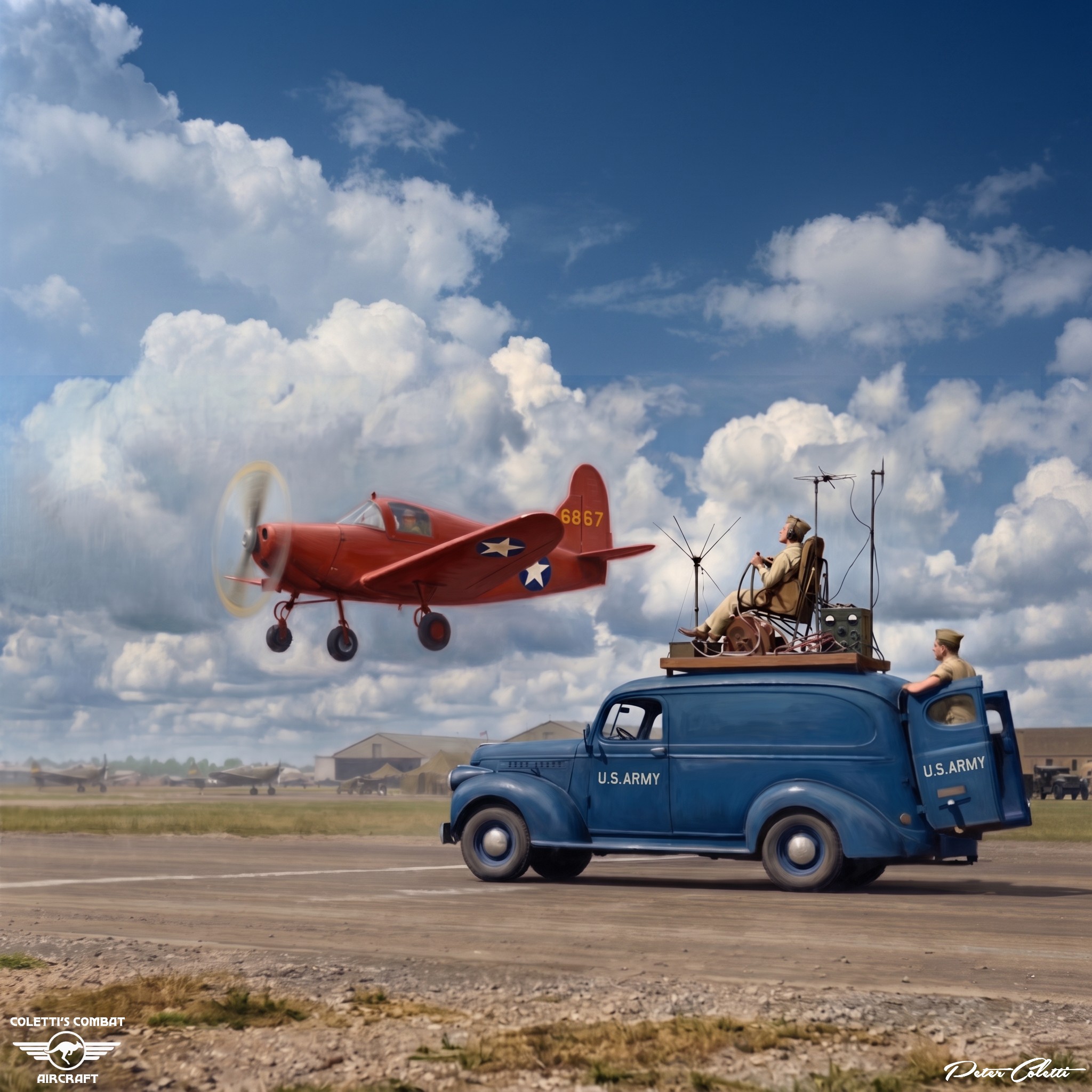
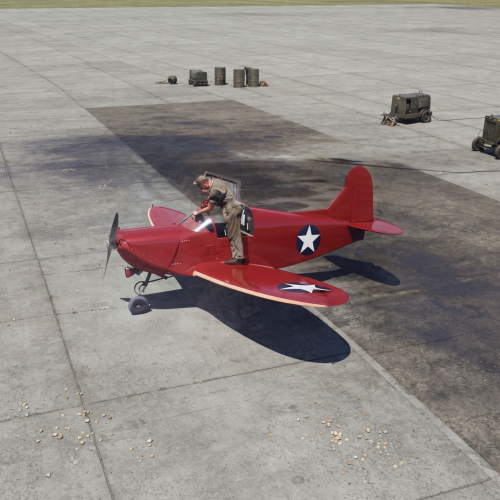
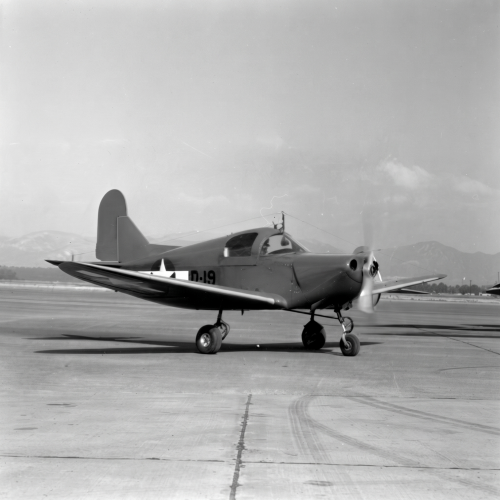
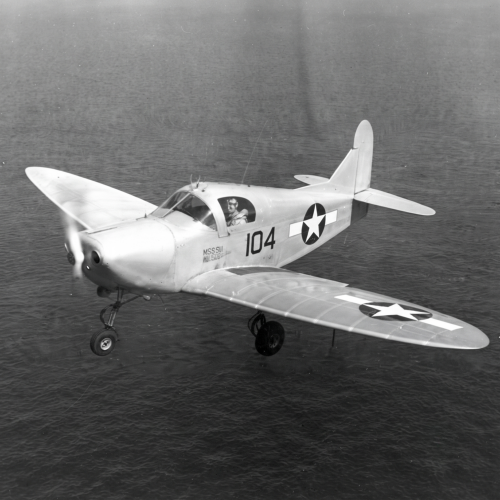
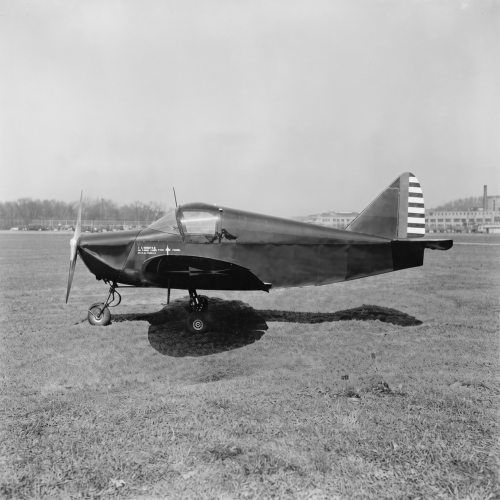
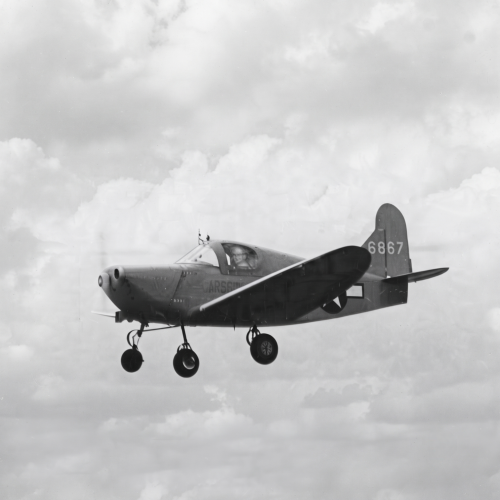
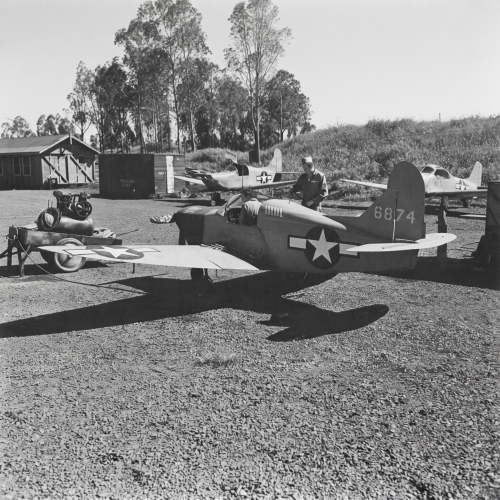
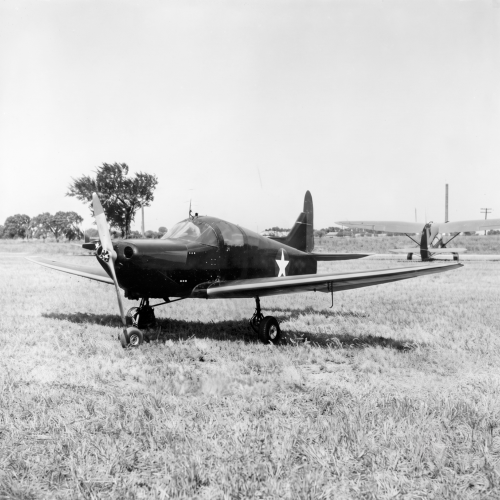
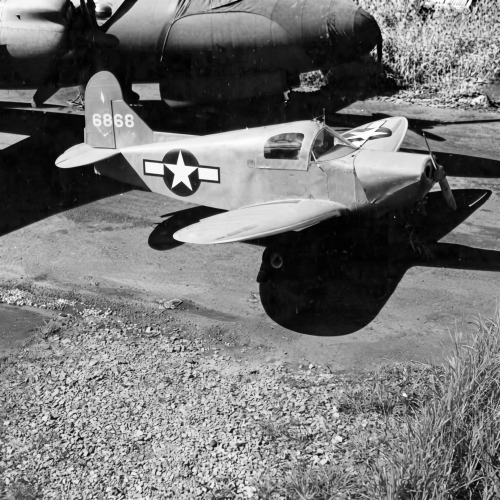
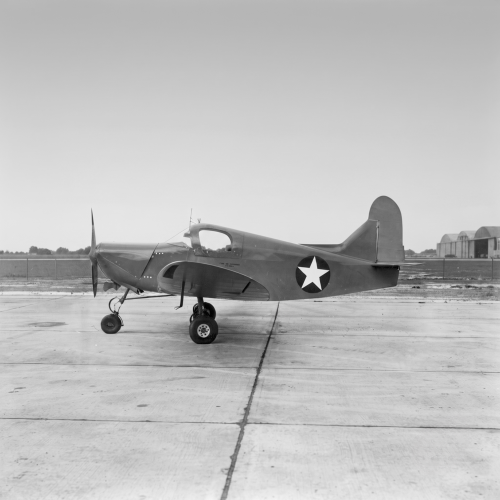
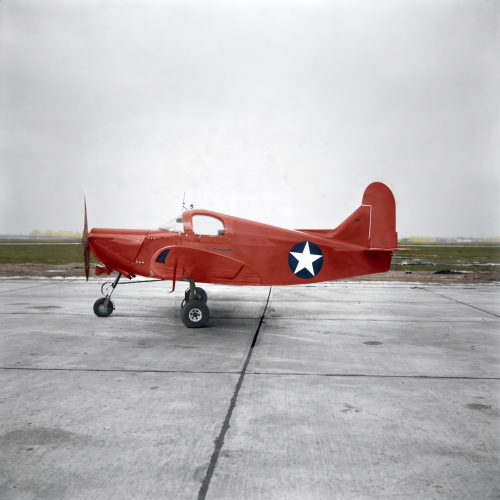
The Culver PQ‑8 was a small, radio‑controlled aerial target drone derived from the Culver Cadet light monoplane.
Developed just before the United States entered World War II, it became one of the earliest mass‑produced American target drones designed to train anti‑aircraft gunners.
Its combination of simplicity, low cost, and reliable handling made it an important stepping stone towards more advanced wartime drones such as the PQ‑14.
Development History
Origins in the Culver Cadet
The PQ‑8 originated from the Culver Cadet, a two‑seat light monoplane designed by Albert Mooney.
The Cadet first flew in 1939 and featured a semi‑monocoque fuselage and retractable tailwheel undercarriage, representing a refinement of Mooney’s earlier Culver Dart.
In 1940, the U.S. Army Air Corps evaluated the Cadet LCA and determined it was suitable for conversion into a radio‑controlled target aircraft.
The first military adaptation was designated A‑8, later redesignated XPQ‑8 when the Army dropped the “A‑for‑Aerial Target” category in 1941 to avoid confusion with attack aircraft.
Transition to PQ‑8 Series
After successful tests of the XPQ‑8, the Army ordered 200 production aircraft, designated PQ‑8, followed by 200 more with a more powerful engine as PQ‑8A.
The U.S. Navy evaluated one PQ‑8 (XTDC‑1) and one PQ‑8A (XTDC‑2), eventually ordering 200 TDC‑2 drones for naval use.
Although useful, the PQ‑8 series was soon overshadowed by the larger, faster, and more capable PQ‑14, which became the primary American target drone later in the war.
Design Characteristics
Airframe
The PQ‑8 retained the Cadet’s basic low‑wing monoplane configuration but incorporated modifications for drone use:
Semi‑monocoque fuselage, providing strength with low weight.
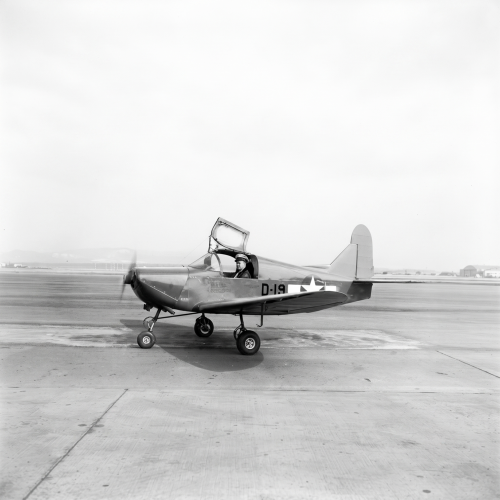
Fixed tricycle landing gear, replacing the Cadet’s retractable tailwheel to simplify construction and improve ground handling.
Single‑seat cockpit, used only for ferrying and checkout flights; drones are operated unmanned during training.
Control System
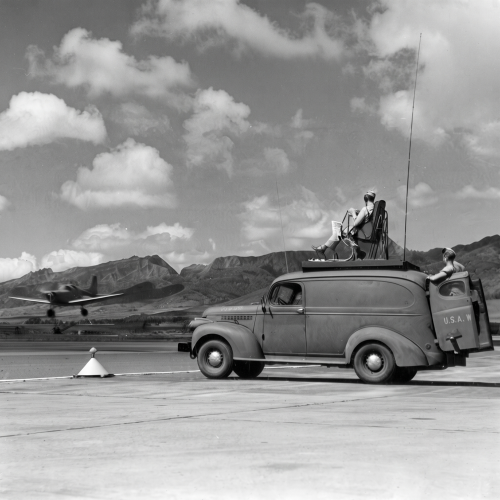
The PQ‑8 used a simple radio-command system that allowed a “mother ship” aircraft to direct its flight path.
The drone was visually tracked during exercises, enabling anti‑aircraft gunners to practise firing at a moving target without risking a manned aircraft.
Construction Philosophy
Culver designed the PQ‑8 to be:
Inexpensive
Easy to maintain
Expendable, though many survived training intact
These qualities made it ideal for mass production and repetitive gunnery training.
Performance and Technical Specifications
Specifications varied slightly among sources, but the following figures represent the commonly cited values for the PQ‑8A / TDC‑2 (the more powerful variant):
Length: 5.38 m (17 ft 8 in)
Wingspan: 8.20 m (26 ft 11 in)
Height: 1.68 m (5 ft 6 in)
Weight: 590 kg (1300 lb)
Maximum Speed: 225 km/h (140 mph)
Ceiling: 5300 m (17,500 ft)
Engine: Lycoming O‑290, 125 hp (93 kW)
For the PQ‑8 (original version):
Maximum Speed: 187 km/h (116 mph)
Engine: Franklin O‑200, 90 hp (67 kW)
These performance levels were adequate for simulating small, fast‑moving aircraft during anti‑aircraft training.
Variants
XPQ‑8
Prototype drone based on the Cadet LFA with fixed tricycle landing gear.
PQ‑8
First production version; 200 built.
Powered by the Franklin O‑200 engine.
PQ‑8A
Improved version with a more powerful Lycoming O‑290 engine; 200 built.
XTDC‑1 / XTDC‑2
U.S. Navy evaluation versions of the PQ‑8 and PQ‑8A.
TDC‑2
Navy production version; 200 built.
Operational Use and WWII Context
Role in Anti‑Aircraft Training
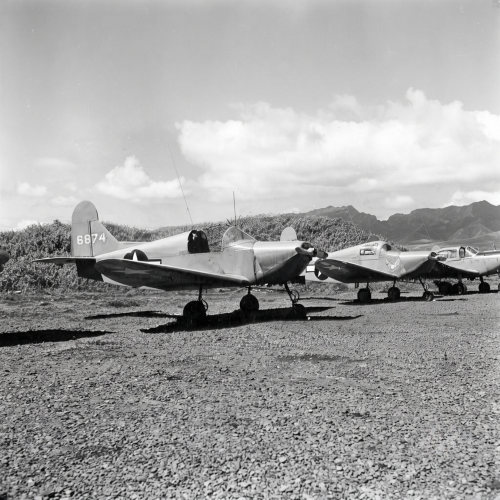
During World War II, the U.S. Army Air Forces and U.S. Navy needed safe, realistic ways to train anti-aircraft gunners.
The PQ‑8 provided:
A moving aerial target without risking a pilot
A reusable platform for repeated exercises
A low‑cost drone that could be produced quickly
The PQ‑8 was typically controlled from a “mother ship”, often a Cessna UC‑78 or similar aircraft, which relayed radio commands.
Production Scale
Culver Aircraft Company produced the following:
200 PQ‑8
200 PQ‑8A
200 TDC‑2
These numbers were modest compared to later drones, but significant for early wartime target aircraft.
Postwar Fate
After WWII, surviving PQ‑8s were sold as surplus and converted back into small recreational aircraft.
Some remained in service into the late 1940s, with a few reportedly redesignated Q‑8A in 1948, though sources disagree on whether any were still in inventory at that time.
Significance
The Culver PQ‑8 was one of the first standardised American target drones, bridging the gap between prewar experimentation and the large‑scale drone programmes of mid‑war years.
It demonstrated:
The feasibility of radio‑controlled unmanned aircraft
The value of drones in gunnery training
The adaptability of light civilian aircraft for military purposes
Its successor, the PQ‑14, would become the definitive U.S. target drone of WWII, but the PQ‑8 laid the foundation.
Conclusion
The Culver PQ‑8 was a compact, efficient, and historically important drone that played a key role in early U.S. anti‑aircraft training during World War II.
Derived from the Culver Cadet, it combined simple construction with reliable performance, enabling thousands of gunners to train safely and effectively.
Though overshadowed by later drones, the PQ‑8 remains a significant milestone in the evolution of unmanned military aviation.