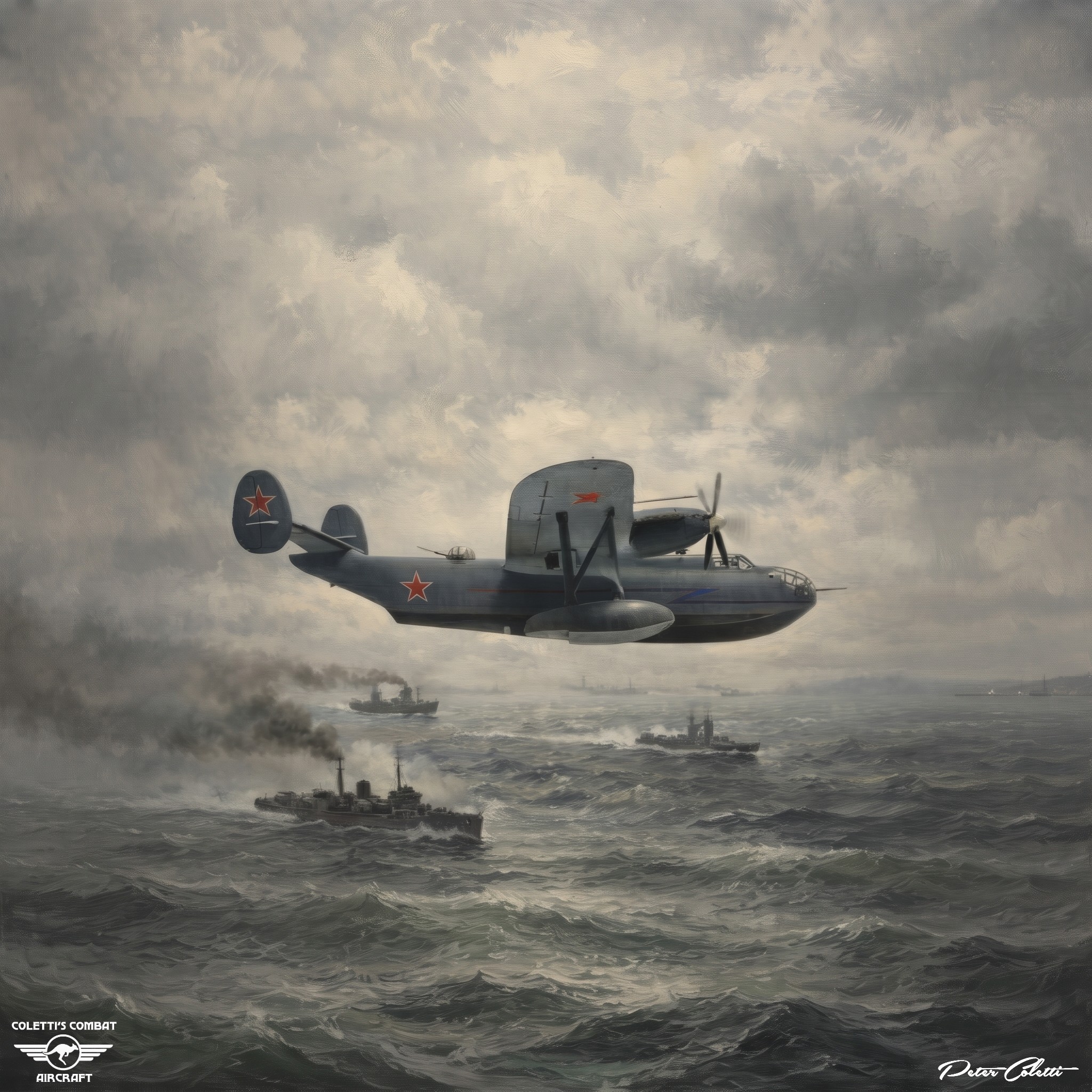
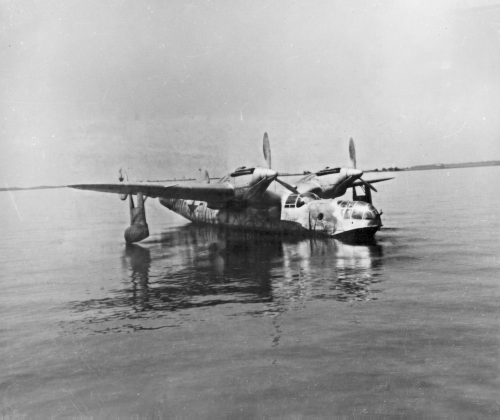
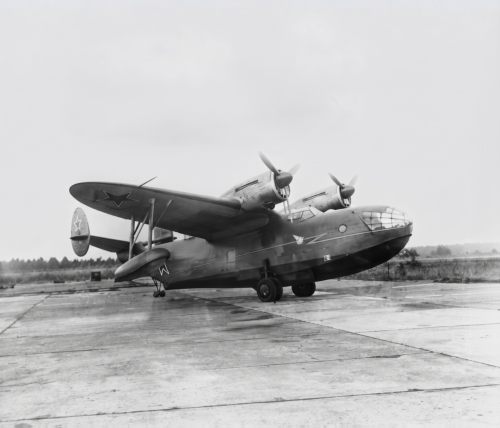
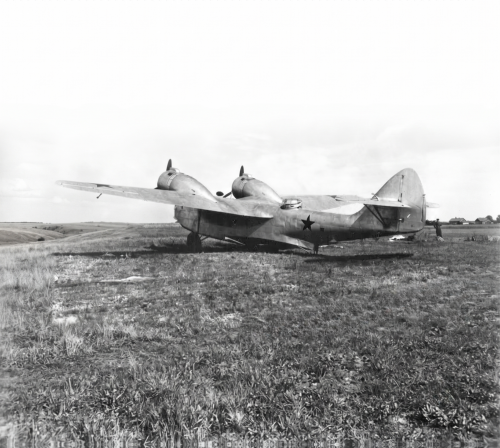
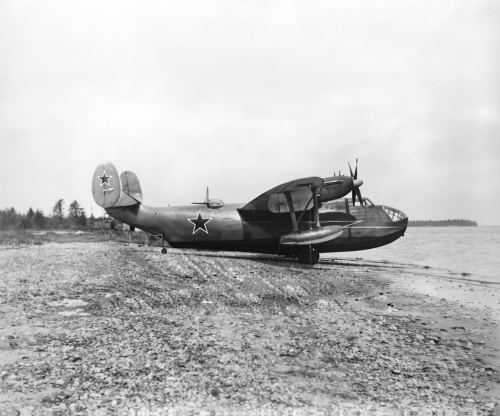
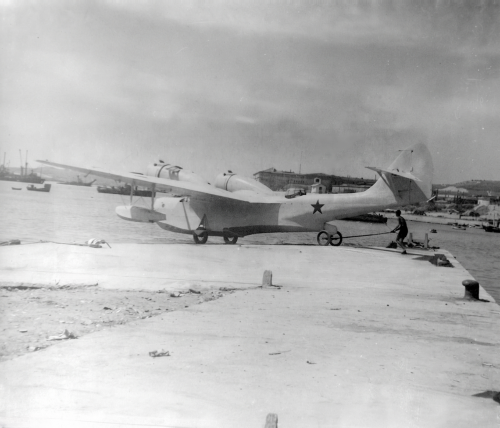
The Chyetverikov MDR‑6 (later designated Che‑2) was a Soviet long‑range maritime reconnaissance flying boat developed in the late 1930s.
It was the only aircraft from Igor Vyacheslavovich Chyetverikov’s design bureau to reach operational service, marking a rare success for a small and often overshadowed Soviet naval aviation design team.
The MDR‑6 first flew in July 1937, entering limited production shortly before the outbreak of the Second World War.
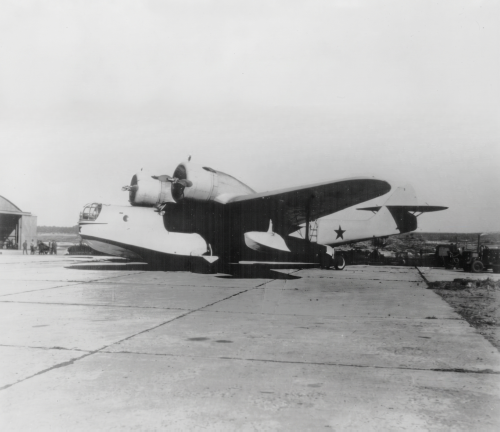
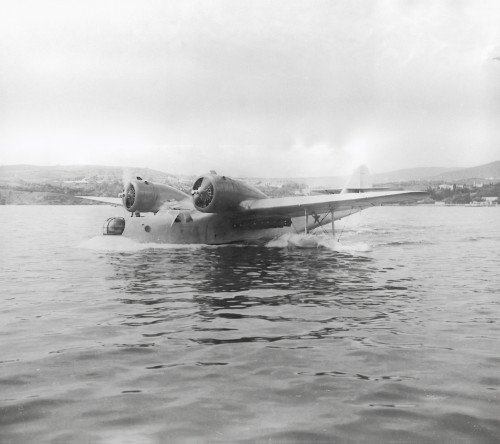
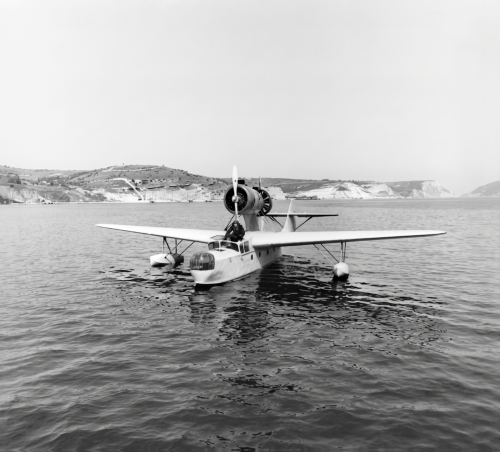
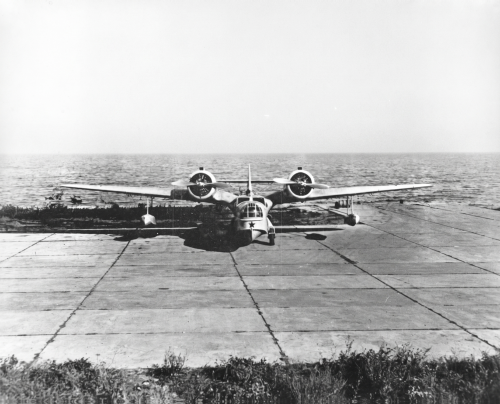
Chyetverikov MDR-6-2M-25A
Origins and Development
Strategic Requirements
In 1934, the Soviet Navy issued specifications for a new long‑range reconnaissance flying boat capable of operating in rough seas, conducting maritime patrols, and performing bombing or scouting missions over extended distances.
Chyetverikov’s team, working under the Naval Research Institute, developed the MDR‑6 to meet these requirements.
The mock-up was approved on December 4, 1936, and construction began at Factory No. 45 in Sevastopol.
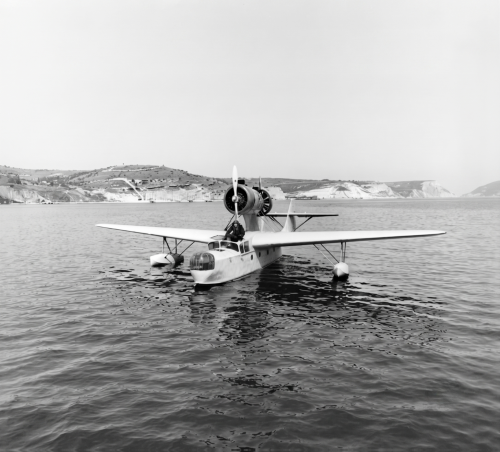
Chyetverikov MDR-6-2M-25A
Prototype Phase
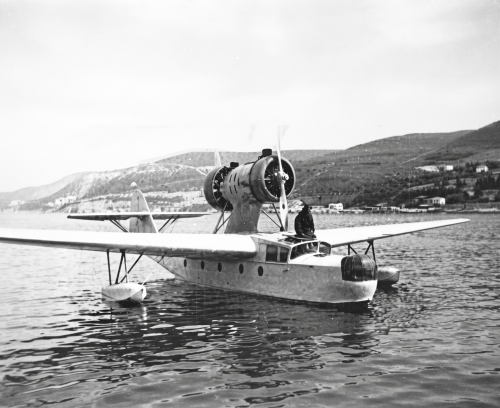
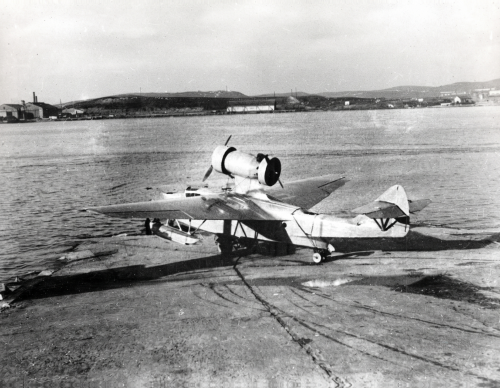
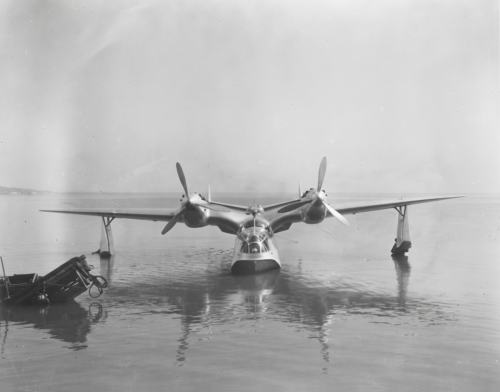
The first prototype flew in July 1937, powered by two experimental Shvetsov M‑25Ye radial engines.
These engines were used only to accelerate testing; the design team intended to replace them with more reliable and powerful units.
The prototype demonstrated promising seaworthiness and aerodynamic efficiency, validating the innovative gull‑wing layout.
Chyetverikov MDR-6-2M-25E
Transition to Production
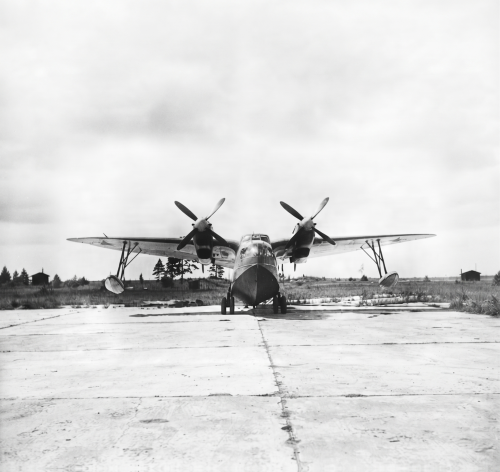
Production aircraft—designated Che‑2—were built between 1940 and 1941 at Plant No. 31 in Taganrog.
Most were equipped with Shvetsov M‑63 radial engines, each producing 1,100 hp, giving the aircraft significantly improved performance over the prototype.
Approximately 20 aircraft were produced according to Western sources, while some Russian sources suggest up to 44 total airframes, including prototypes.
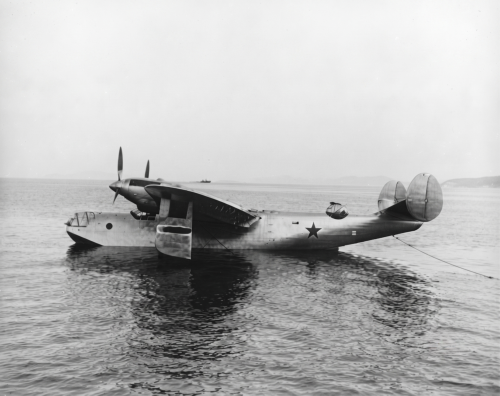
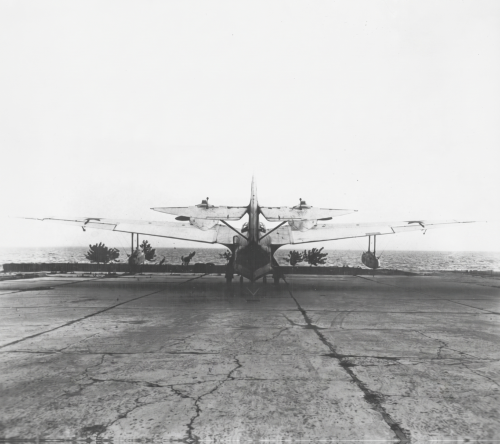
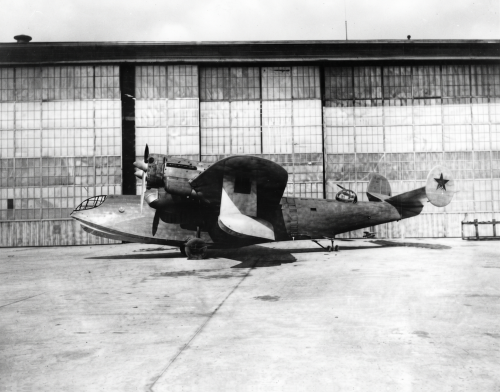
Chyetverikov MDR-6A
Design and Technical Characteristics
Airframe and Hull
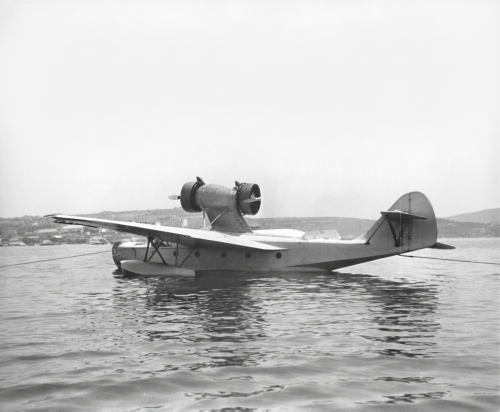
The MDR‑6 was an all‑metal, high‑wing monoplane flying boat with a double‑step hull designed for stability and smooth water handling.
The hull featured a pronounced keel and two distinct planning surfaces, improving take-off performance in choppy seas.
Fixed wingtip floats provided lateral stability on water.
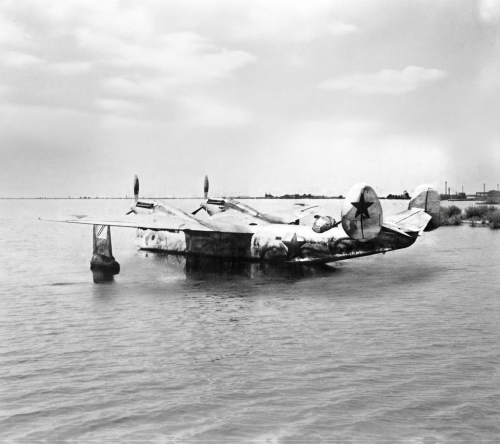
Chyetverikov MDR-6B
Gull‑Wing Configuration
One of the MDR‑6’s most distinctive features was its gull‑wing design, a first in Soviet naval aviation.
The wing bent downward near the fuselage and upward towards the engine nacelles, allowing the engines to sit high above the water without requiring a parasol wing or deeper hull.
Chyetverikov MDR-6A
This configuration reduced spray ingestion and improved propeller clearance.
The wing was fully cantilevered, with hydraulically actuated flaps and weight‑compensating ailerons.
Later prototypes experimented with retractable wingtip floats to reduce drag, though production aircraft retained fixed floats.
Chyetverikov MDR-6B2
Crew and Layout
The MDR‑6 typically carried a crew of three, housed in an enclosed cockpit.
Defensive armament was mounted in two turrets:
Bow turret: 7.62 mm ShKAS machine gun
Dorsal turret: 12.7 mm UBT machine gun
The aircraft could carry up to 1,000 kg of bombs, making it capable of light strike missions in addition to reconnaissance.
Chyetverikov MDR-6B4
Performance
Performance varied across prototypes and production models, but the MDR‑6A (a major refined version) provides the most complete data:
Maximum speed: 360 km/h
Cruise speed: 220–309 km/h (sources vary by configuration)
Range: 2,650 km
Service ceiling: 9,000 m
Empty weight: 4,100 kg
Gross weight: 7,200 kg
Powerplant: 2 × Shvetsov M‑63 radial engines, 1,100 hp each
These figures placed the MDR‑6 ahead of earlier Soviet flying boats such as the Beriev MBR‑2M‑34 and close to land‑based bombers like the DB‑3 in speed—one of Chyetverikov’s design goals.
Chyetverikov MDR-6B5
Operational History and WWII Context
Entry into Service
The MDR‑6 entered service with Soviet Naval Aviation in late 1940, just months before the German invasion of the USSR.
Chyetverikov MDR-6-2M-25A
It was used primarily for:
Long‑range maritime reconnaissance
Coastal patrol
Anti‑submarine search
Light bombing missions
Its range and seaworthiness made it suitable for operations over the Baltic and Black Seas.
Chyetverikov MDR-6B5
Limitations and Withdrawal
Despite promising performance, the MDR‑6 suffered from structural problems, particularly in the hull and wing root areas.
These issues led to the aircraft being withdrawn from frontline service in 1942, after only two years of operational use.
The withdrawal was accelerated by the availability of Consolidated PBY Catalinas supplied under Lend‑Lease, which offered superior reliability and payload.
Chyetverikov MDR-6-2M-25A
Continued Experimental Work
Chyetverikov continued developing improved prototypes until 1945, attempting to correct structural weaknesses and enhance performance.
None of these later variants entered production, and the design bureau itself was eventually dissolved in 1948.
Variants
MDR‑6 (Prototype)
First flight in July 1937
Powered by two M‑25 radial engines
One built
Che‑2 (Production Version)
Powered by M‑63 radial engines
Approximately 20 built (some sources claim up to 44 total airframes)
MDR‑6A
Smaller wing
Powered by two Klimov M‑105 V‑12 inline engines
Major aerodynamic refinements
MDR‑6B‑1 to B‑3
Further refinements of the MDR‑6A
Three prototypes built
MDR‑6B‑4 to B‑5
New, larger hull
Powered by Klimov VK‑107 engines
Two prototypes built
Legacy
Although produced in small numbers and retired early, the MDR‑6 represented a significant step in Soviet naval aviation:
It introduced the gull‑wing layout to Soviet flying boats.
It demonstrated advanced aerodynamic and structural concepts for its era.
Chyetverikov MDR-6-2M-25E
It provided valuable experience that influenced later Soviet amphibian designs.
The MDR‑6 remains a notable example of Soviet experimentation in maritime aircraft design during the interwar and early WWII periods.