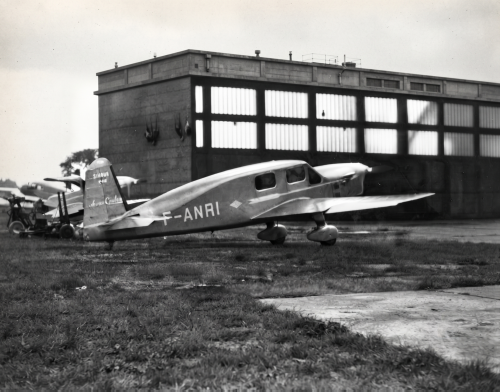
The Caudron Simoun series was born in France during the early 1930s, a period marked by rapid advances in aerodynamics and long‑distance civil aviation.
The Caudron company, later known as Caudron‑Renault after its acquisition by the Renault industrial group, sought to produce a fast, comfortable touring aircraft capable of crossing large distances reliably.
The design team was led by Marcel Riffard, whose work on streamlined racing aircraft strongly influenced the Simoun’s sleek profile.
The lineage began with the Caudron C.500 Simoun I, which first flew in 1934.
This prototype demonstrated the potential of a compact, low‑wing monoplane powered by Renault’s inverted inline engines.
Caudron refined the concept through several intermediate models—C.520, C.620, and C.630—each improving structural strength, cabin comfort, and engine performance.
By 1935, the design matured into the C.630 Simoun, the first major production version.
It quickly attracted attention from private aviators, postal carriers, and record‑setting pilots.
The aircraft’s combination of speed, range, and reliability made it ideal for long‑distance flights across Africa, the Middle East, and remote colonial territories.
This success encouraged further refinement, culminating in the C.635 Simoun, the most advanced prewar civil variant.
Caudron C.635 Simoun
Design and Construction
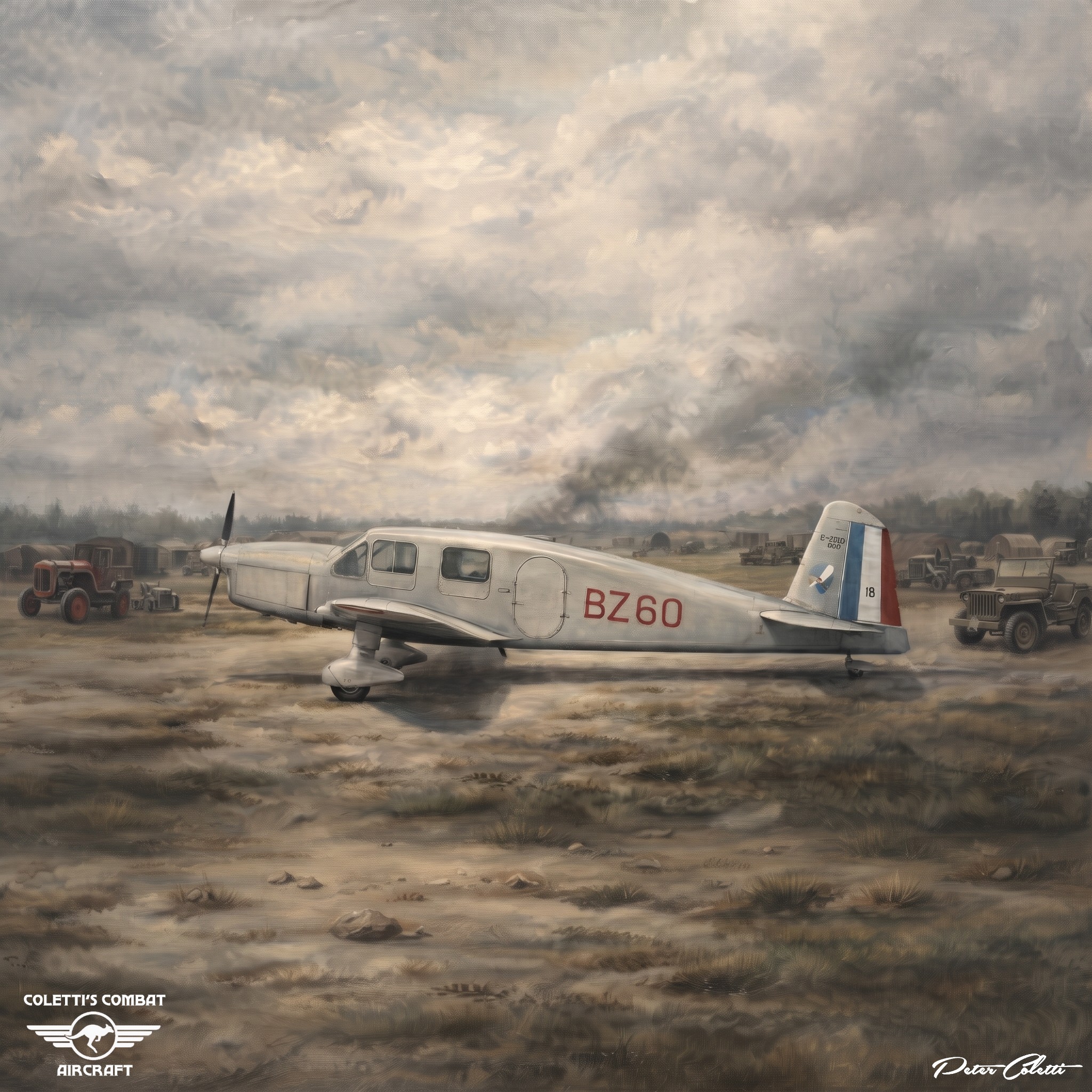
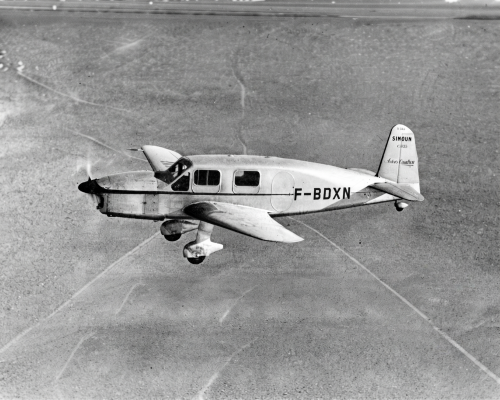
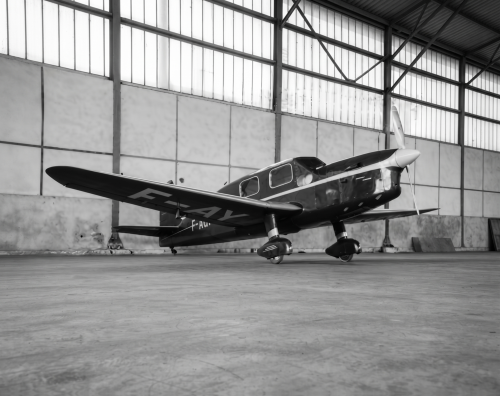
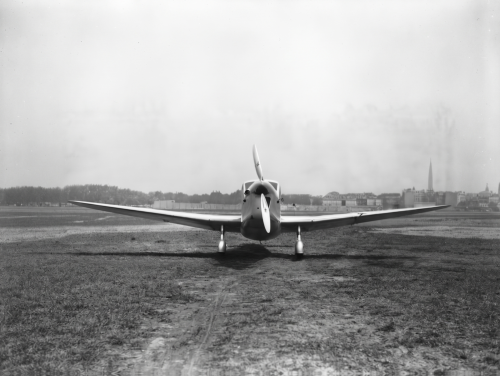
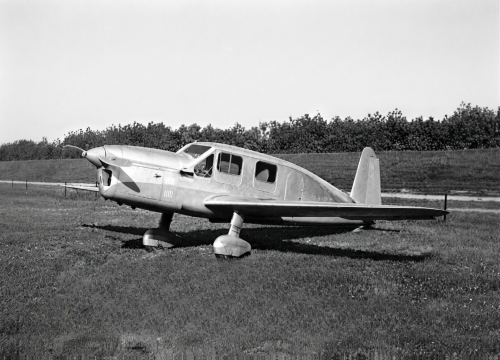
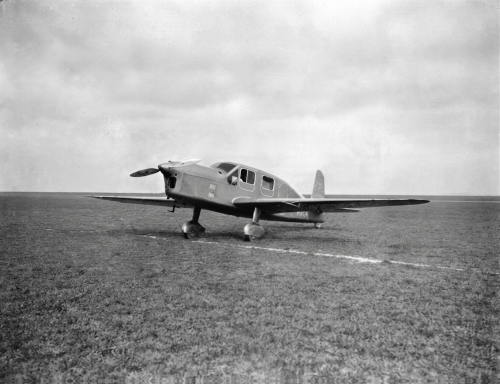
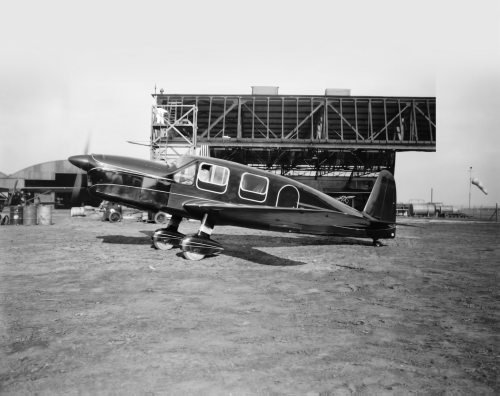
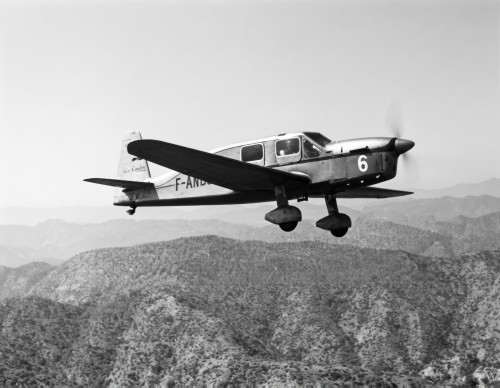
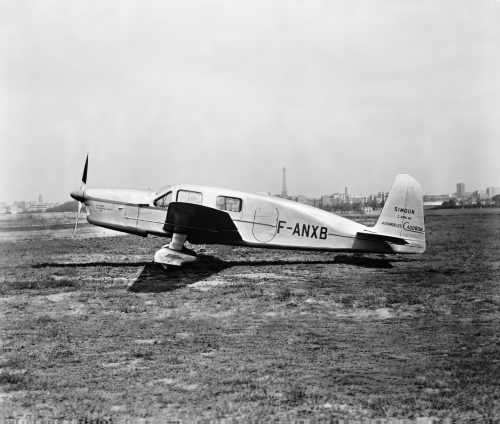
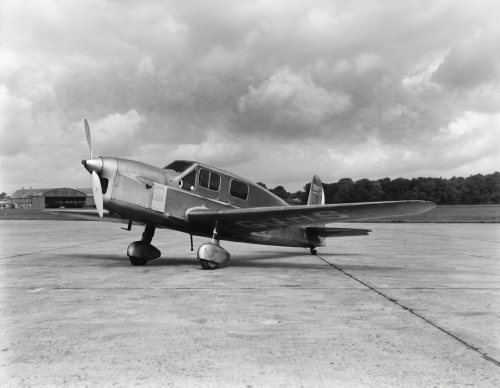
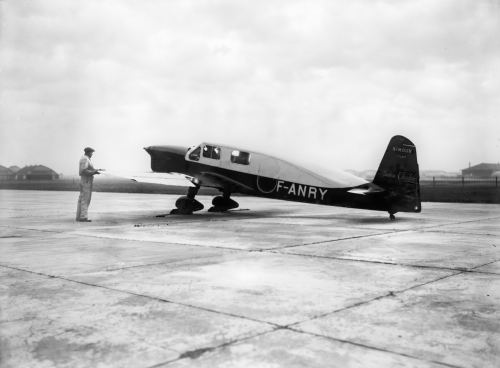
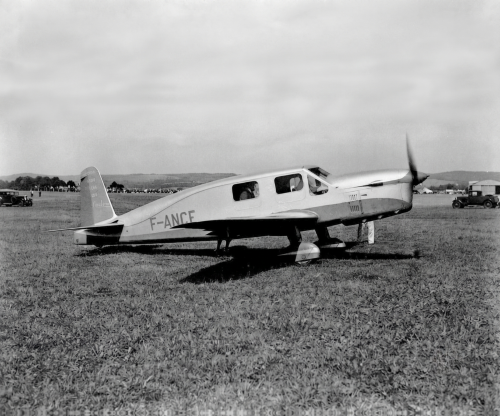
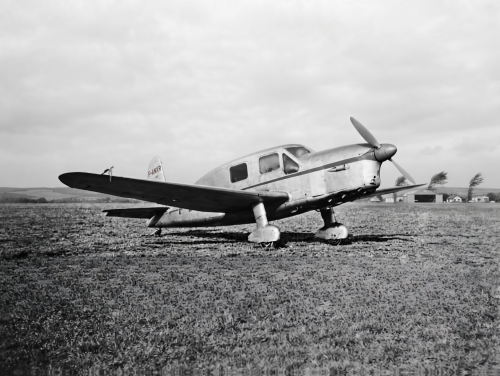
The Caudron C.635 Simoun was a low‑wing, four‑seat monoplane built using a mixture of wood and metal, typical of French aircraft construction of the era.
Its design emphasised aerodynamic cleanliness and structural simplicity.
Caudron C.635 Simoun
Fuselage:
The fuselage was a wooden monocoque structure, covered with plywood and fabric.
Its smooth, rounded contours reduced drag and gave the aircraft its distinctive streamlined appearance.
Caudron C.632 Simoun
Wings:
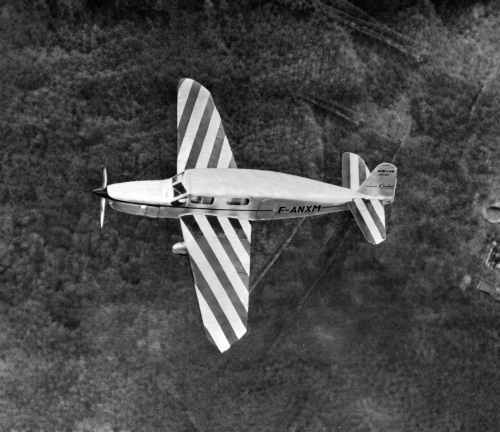
The wings were wooden cantilever structures with moderate taper and no external bracing.
This configuration provided good lift characteristics and stability at high cruising speeds.
Caudron C.633 Simoun
Landing Gear:
The aircraft used a fixed tailwheel undercarriage with spatted main wheels.
Although retractable gear was becoming more common internationally, Caudron prioritised simplicity and reliability for long‑range operations.
Caudron C.633 Simoun
Cabin:
The C.635 featured an enclosed cabin with seating for four.
Later production examples improved ventilation, visibility, and instrumentation, making the aircraft suitable for both touring and liaison duties.
Caudron C.634 Simoun
Powerplant:
The C.635 was powered by the Renault 6Q series of inverted, air-cooled inline engines.
These engines produced between 220 and 240 horsepower, depending on sub‑variant, and drove a two‑bladed variable‑pitch Ratier propeller.
The 6Q engines were known for smooth operation and good fuel economy, contributing significantly to the aircraft’s long‑range capability.
Caudron C.635M Simoun
Performance and Handling
The Simoun was regarded as a fast and capable aircraft for its size and era.
Its aerodynamic refinement allowed it to achieve the following:
Maximum speed: approximately 310 km/h
Cruising speed: around 280 km/h
Range: roughly 1,200–1,300 km
Service ceiling: about 7,300 m
Caudron C.630 Simoun
Pilots appreciated the aircraft’s stability in cruise and its responsive control surfaces.
However, its relatively high landing speed—close to 90 km/h—required careful handling during approach and touchdown.
The fixed landing gear, while robust, added drag that slightly reduced top‑end performance compared to retractable‑gear contemporaries.
Despite these limitations, the Simoun proved exceptionally reliable in harsh environments.
It operated successfully in desert climates, tropical regions, and remote territories where maintenance facilities were limited.
Variants and Evolution
The Simoun family included numerous variants, each representing incremental improvements or adaptations for specific roles.
Caudron C.630 Simoun
C.630 Simoun
The first major production version, powered by the Renault 6Pri engine.
Approximately twenty were built.
Caudron C.630 Simoun
C.631,
Caudron C.632 Simoun
C.632,
Caudron C.633 Simoun
C.633,
Caudron C.634 Simoun
C.634
A series of experimental or limited‑production variants exploring structural refinements, cabin changes, and engine upgrades.
Caudron C.635 Simoun
C.635 Simoun
The definitive civil version, featuring improved cabin comfort and the Renault 6Q‑01 or 6Q‑09 engine.
Around forty‑six were produced.
Caudron C.635M Simoun
C.635M (Militaire)
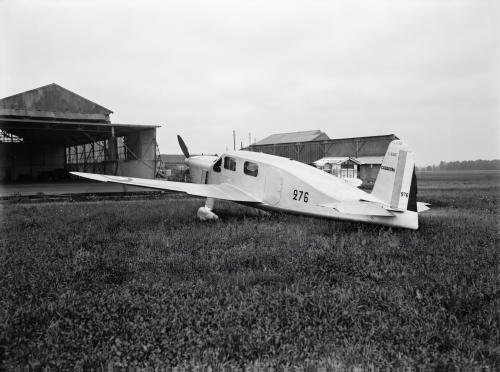
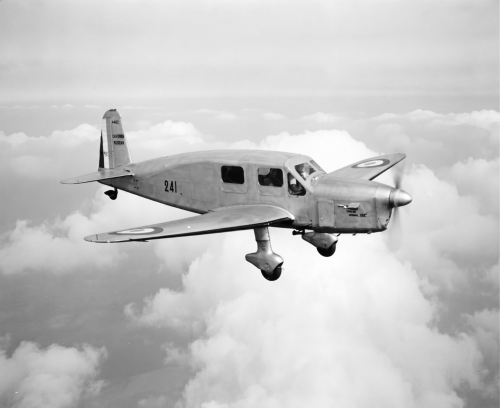
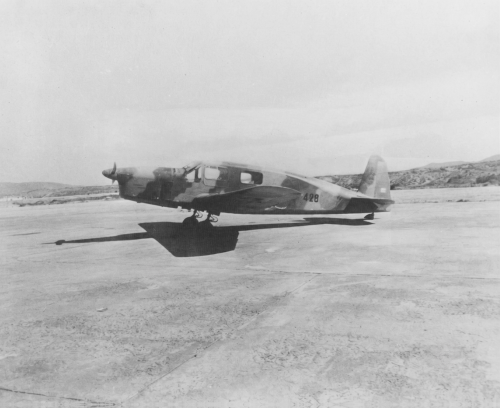
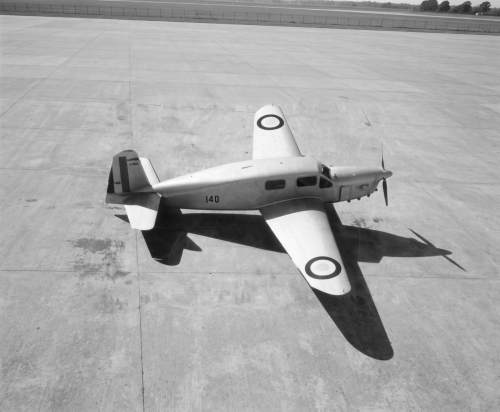
The military liaison and utility version.
This became the most numerous variant, with roughly 489 aircraft built.
It featured strengthened structures, military radios, and engines such as the Renault 6Q‑09 or 6Q‑19.
The C.635M’s widespread adoption by the French armed forces ensured the Simoun remained in production until the outbreak of the Second World War.
Caudron C.630 Simoun
Operational History and World War II Context
Before the war, the Simoun gained fame through long‑distance flights and record attempts.
It was flown by notable aviators, including Antoine de Saint‑Exupéry, whose experiences flying a Simoun across the Sahara influenced his later literary works.
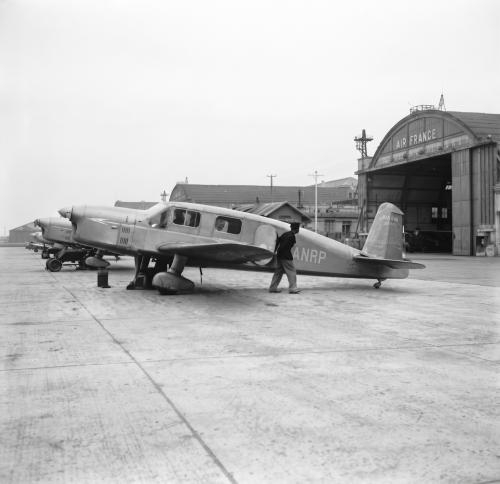
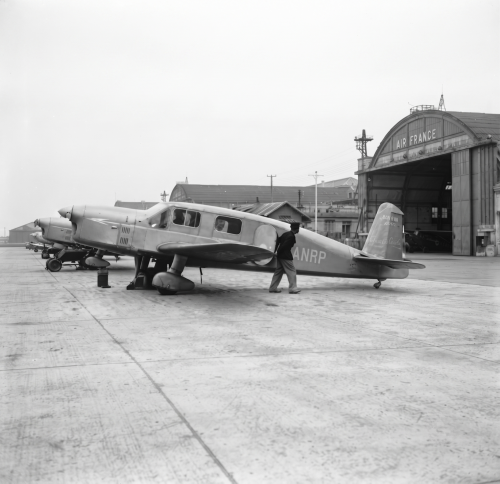
The aircraft served with Air Bleu, a French postal airline, on night mail routes, demonstrating its reliability and speed.
Caudron C.630 Simoun
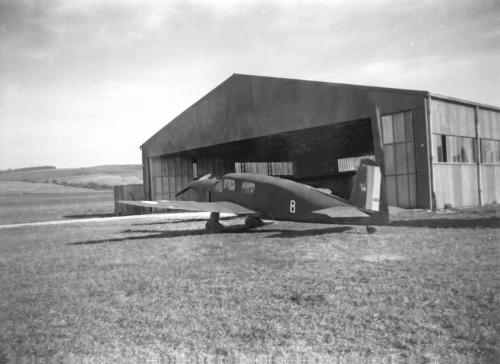
With the onset of World War II, the aircraft’s role shifted from civil touring to military utility. The French Air Force and Navy employed the C.635M for the following:
Liaison flights
Courier and dispatch missions
Personnel transport
Light reconnaissance
Caudron C.630 Simoun
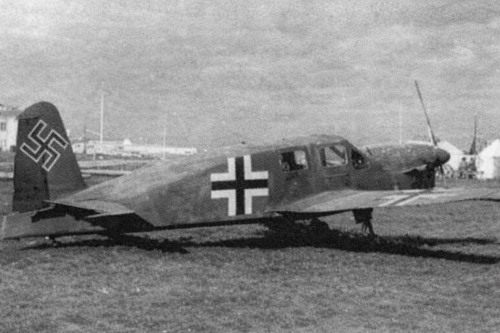
After the fall of France in 1940, many Simouns were captured by German forces and pressed into service with the Luftwaffe for liaison duties.
Others escaped to North Africa or were taken over by Allied forces.
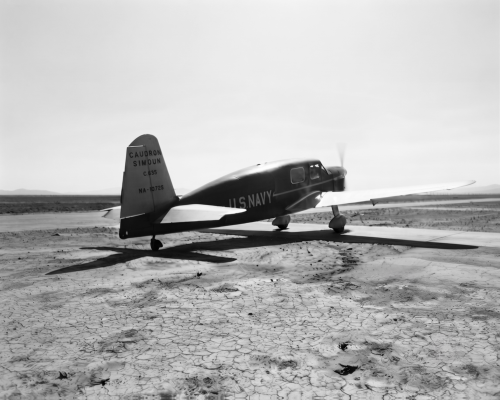
Small numbers were operated by Belgium, Hungary, the United Kingdom, and even the United States Navy, which used a few aircraft for communications work.
Although not designed as a combat aircraft, the Simoun proved adaptable and valuable in wartime conditions, especially where speed and range were more important than armament.
Caudron C.630 Simoun
Technical Specifications (Caudron C.635)
Crew: 1 pilot
Passengers: 3
Length: approximately 8.7 m
Wingspan: approximately 10.4 m
Height: approximately 2.25 m
Empty weight: around 855 kg
Caudron C.635 Simoun
Maximum take-off weight: around 1,350 kg
Engine: Renault 6Q‑01 or 6Q‑09, 220 hp
Maximum speed: about 310 km/h
Cruising speed: about 280 km/h
Range: about 1,230 km
Service ceiling: about 7,300 m
Caudron C.630 Simoun
Legacy
The Caudron C.635 Simoun stands as one of the most elegant and technically refined French touring aircraft of the 1930s.
Its combination of aerodynamic sophistication, reliable engines, and long‑range capability made it a favourite among adventurous pilots and a practical tool for military liaison work.
Approximately 680 aircraft of the Simoun family were built, making it one of Caudron’s most successful designs.
Its influence extended beyond France; the aircraft’s streamlined philosophy inspired later light aircraft designs, including some American types.
Today, surviving examples—such as those preserved in French aviation museums—serve as reminders of a period when speed, elegance, and exploration defined the spirit of civil aviation.