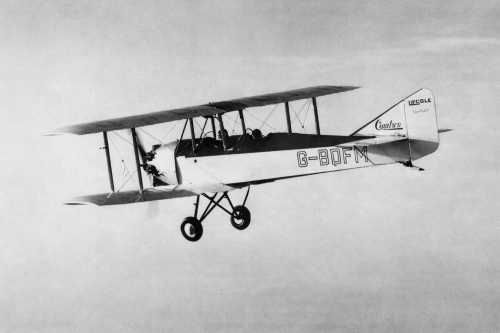
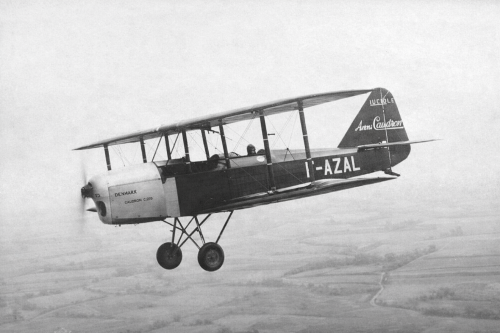
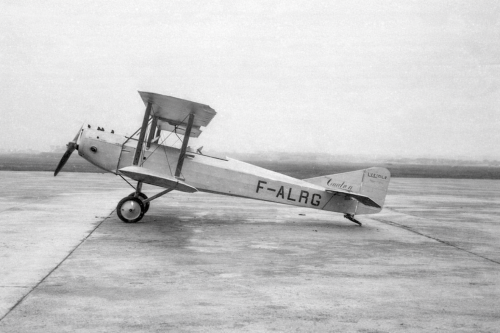
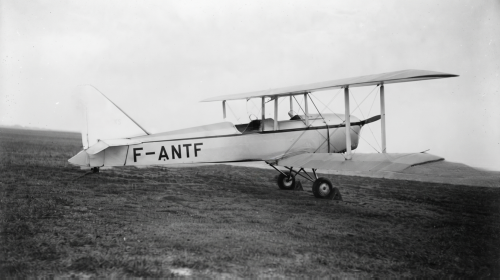
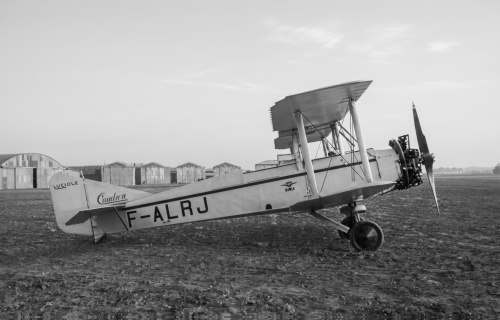
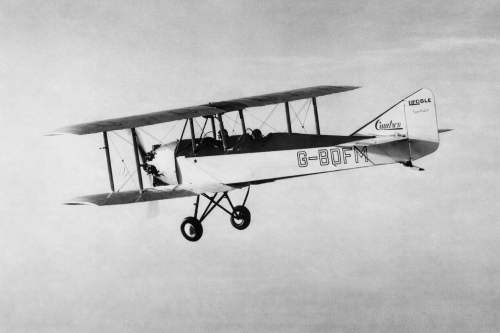
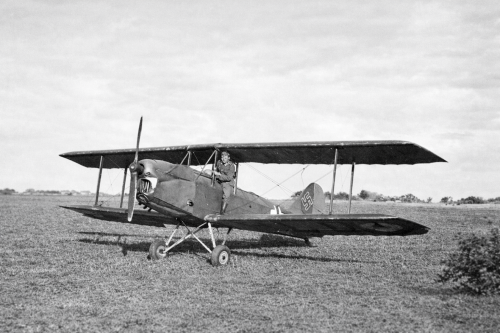
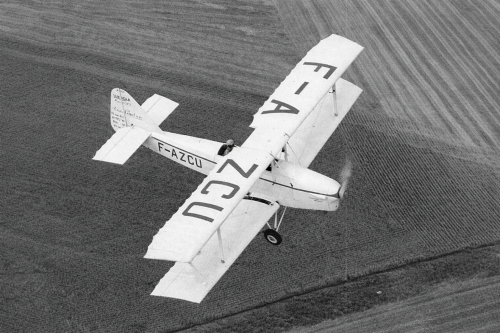
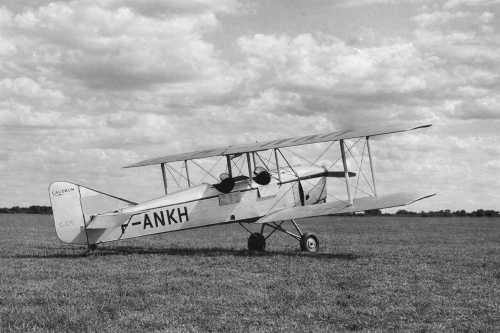
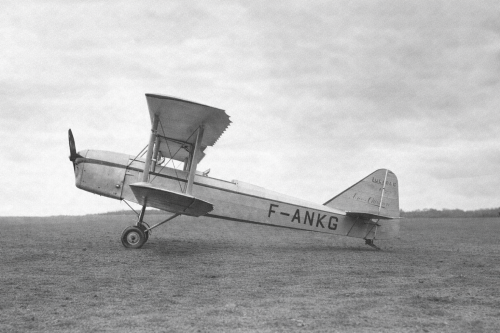
The Caudron C.270 series emerged in the early 1930s as part of Marcel Riffard’s broader effort to modernise Caudron’s light‑aircraft line.
Caudron had already established itself as a prolific builder of trainers and touring aircraft, and the company’s design philosophy emphasised aerodynamic cleanliness, structural simplicity, and low operating cost.
The C.270 family—often grouped under the name Phalène (“Moth”)—was conceived as a versatile, economical aircraft for private owners, aero clubs, and military auxiliary roles.
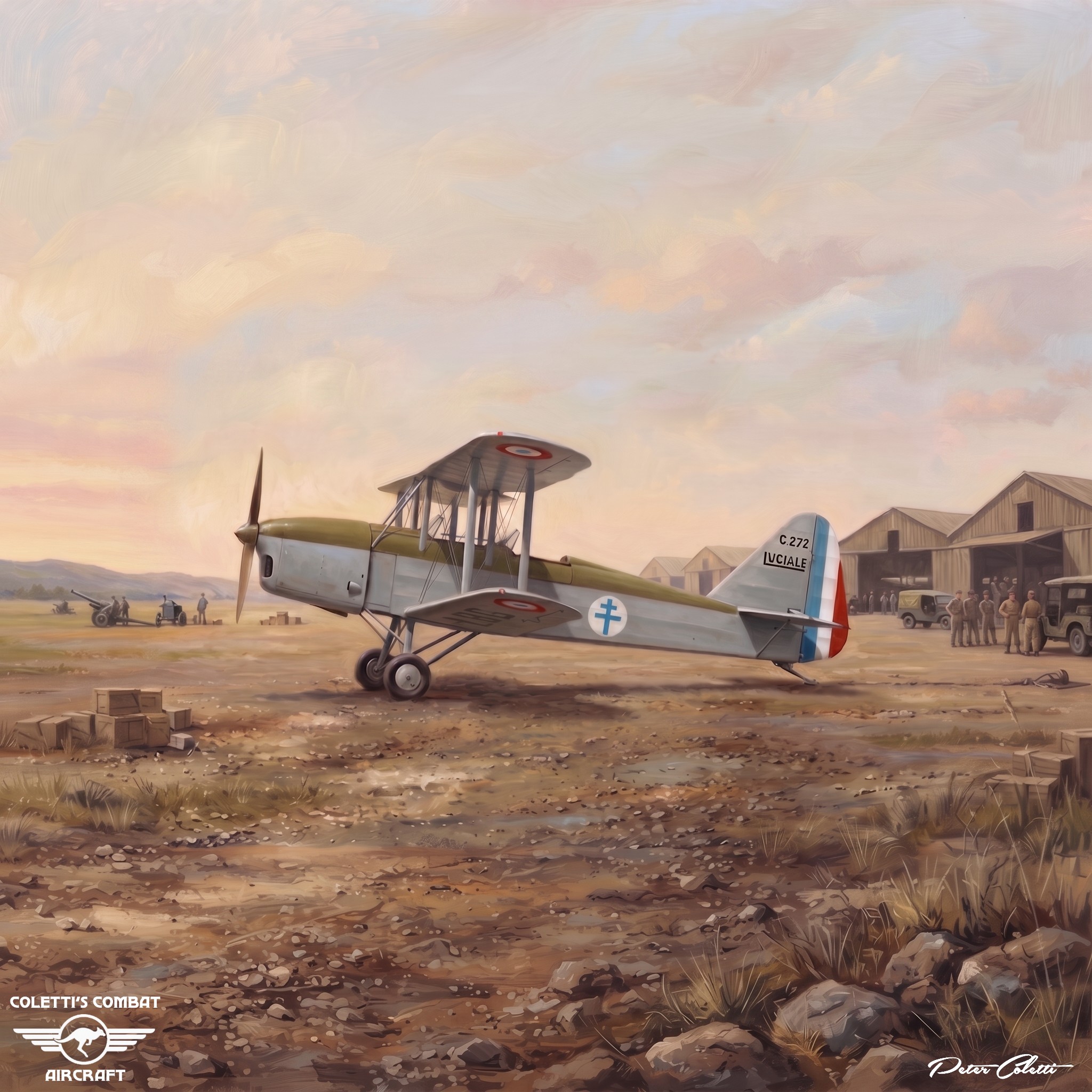
CAUDRON C.272
Development began around 1932, when Caudron sought to replace earlier wooden touring aircraft with a more refined, aerodynamically efficient model.
The C.270 prototype was designed as a high‑wing monoplane with a fully wooden structure, fabric covering, and a focus on stability and ease of handling.
Its configuration reflected the needs of France’s rapidly expanding civil aviation sector: short‑field capability, low fuel consumption, and adaptability to a wide range of engines.
The initial C.270 proved successful enough to spawn a long sequence of sub‑variants, each incorporating incremental improvements in powerplant, equipment, and structural detail.
Caudron’s production strategy relied on modularity—allowing different engines to be fitted without major redesign—resulting in a family of aircraft that shared a common airframe but varied widely in performance.
CAUDRON C.275
Design Characteristics
Airframe and Structure
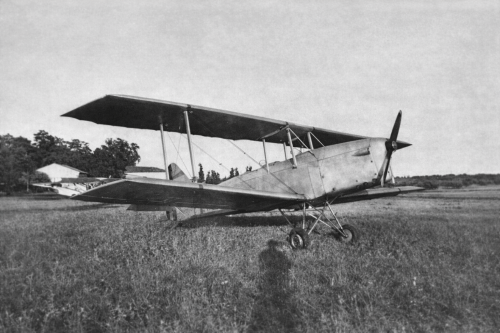
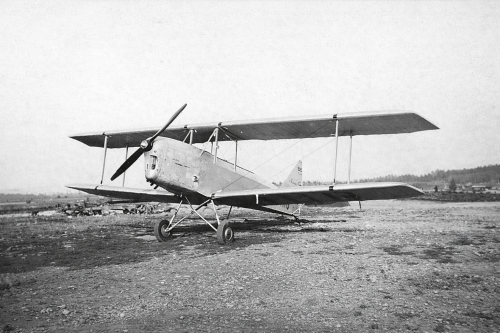
The C.270 series used a high‑wing, strut‑braced monoplane layout, chosen for its excellent visibility, docile handling, and suitability for touring and training.
The wing was built around wooden spars and ribs, covered in fabric, and supported by V‑struts connecting to the lower fuselage.
The fuselage itself was a wooden box‑girder structure, also fabric‑covered, with rounded decking to reduce drag.
The aircraft featured a fixed tailskid or tailwheel undercarriage, depending on the variant and production year.
The main gear used simple, faired legs with rubber shock absorbers, optimised for operation from grass fields.
The cabin was enclosed, typically seating two to three occupants, though some versions offered four seats.
Caudron prioritised comfort and visibility, making the aircraft attractive to private pilots and aero clubs.
CAUDRON C.270
Control and Aerodynamics
Riffard’s aerodynamic expertise is evident in the C.270’s clean lines and efficient wing.
The aircraft had:
Generous wing area for low stall speed
Balanced control surfaces for predictable handling
A relatively high aspect ratio wing for improved cruise efficiency
The C.270 series was known for forgiving flight characteristics, making it suitable for novice pilots and for liaison duties where reliability mattered more than speed.
CAUDRON C.272
Powerplants
One of the defining features of the C.270 family was its wide range of engines, including the following:
Salmson 7Ac radial
Renault 4Pb and 4Pgi inline engines
Various other small French radials and inlines
Power outputs typically ranged from 95 to 140 hp, depending on variant.
This flexibility allowed Caudron to tailor aircraft to customer needs and engine availability.
CAUDRON C.273
Performance
Performance varied by engine, but typical figures for mid‑series variants included:
Maximum speed: ~170–185 km/h
Cruise speed: ~140–155 km/h
Range: ~600–700 km
Service ceiling: ~4,000–5,000 m
These numbers placed the C.270 series firmly in the category of light touring and utility aircraft rather than high‑performance machines.
Its strengths were economy, reliability, and ease of operation.
CAUDRON C.274
Variants and Evolution
The C.270 series evolved through numerous subtypes, each refining the concept. Major variants included:
C.270 (Initial Model)
The baseline aircraft, powered typically by a Salmson radial. It established the basic airframe and layout.
CAUDRON C.271
C.272 Series
The most numerous and widely used subfamily.
Improvements included:
Revised cabin layout
More powerful Renault engines
Structural refinements for better performance
The C.272 variants became staples of French aero clubs and private owners.
CAUDRON C.270
C.273 and C.274
These versions explored alternative engines and minor aerodynamic changes.
They were produced in smaller numbers but contributed to the family’s adaptability.
C.275 and C.276
Later refinements with improved equipment and optional four‑seat arrangements. These variants targeted touring and liaison roles.
CAUDRON C.275
Operational Use and WWII Context
Civil Aviation
Before WWII, the C.270 series was widely used by the following:
French aero clubs
Private pilots
Small commercial operators
Its low cost and forgiving handling made it ideal for training, touring, and short‑range travel.
Many French pilots of the 1930s logged their early hours in Caudron Phalènes.
CAUDRON C.275
Military and Government Service
Although not designed as a military aircraft, the C.270 family found roles in:
Liaison
Communications
Training
Observation (non‑combat)
The French Air Force and various government agencies operated small numbers, valuing the aircraft’s reliability and low operating cost.
CAUDRON C.272
During WWII
When war broke out in 1939, many C.270‑series aircraft were impressed into military service.
Their roles included:
Liaison between airfields
Courier duties
Training of new pilots
Light transport
The aircraft’s wooden construction and modest performance made it unsuitable for frontline combat, but it remained valuable in support roles.
After the fall of France in 1940, surviving aircraft were scattered among Vichy forces, German occupation authorities, and private owners.
Some continued flying into the late 1940s, especially in civilian contexts where their simplicity and low cost remained attractive.
CAUDRON C.272
Legacy
The Caudron C.270 series represents an important chapter in French light aviation.
It embodied the interwar ideals of accessible flying, economical operation, and elegant aerodynamic design.
While overshadowed by Caudron’s racing aircraft and later military designs, the Phalène family played a crucial role in training pilots, supporting civil aviation, and providing auxiliary service during a turbulent historical period.
Its legacy endures in aviation museums, private collections, and the broader narrative of French aeronautical engineering—where it stands as a symbol of practical, well-crafted aircraft design in the years leading up to WWII.