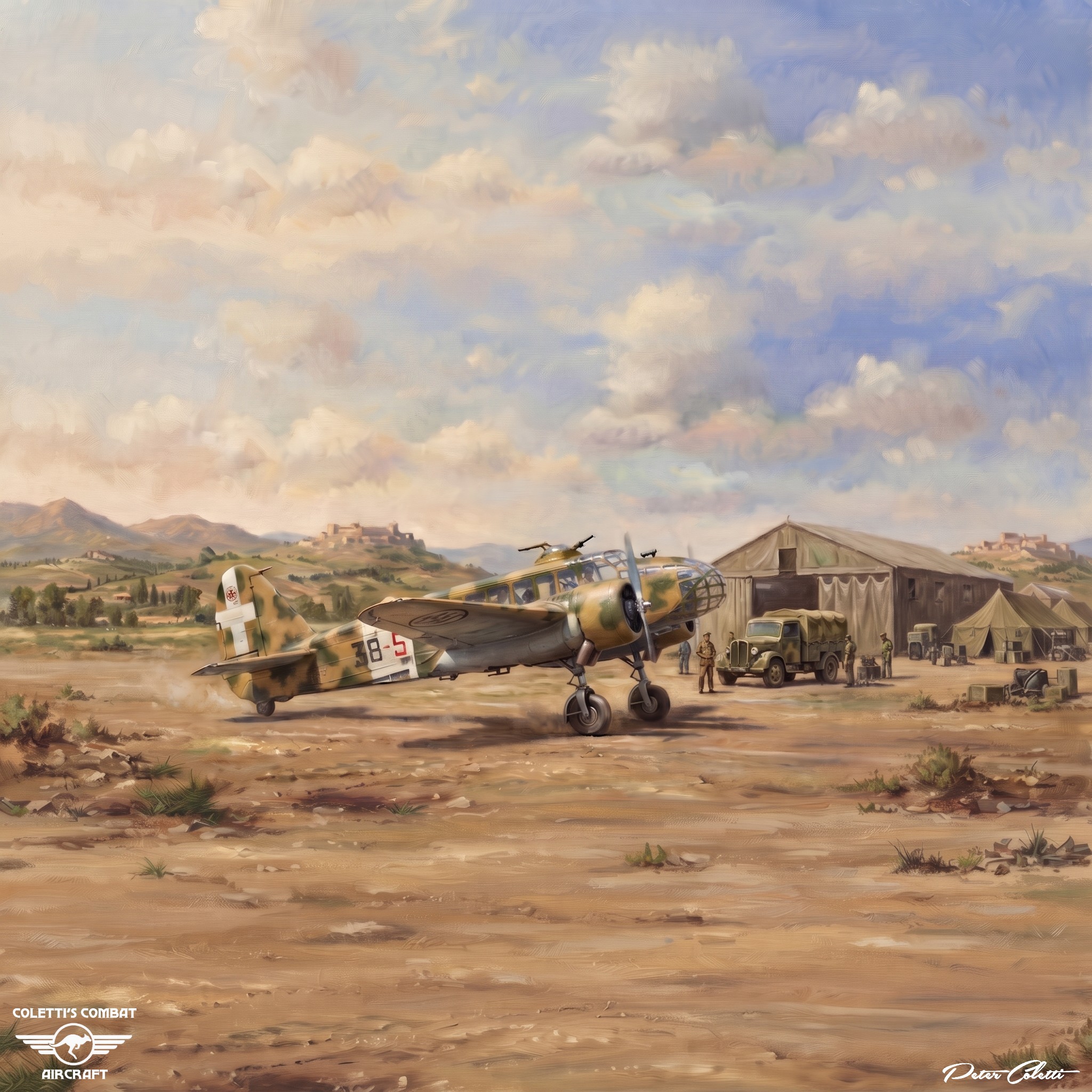
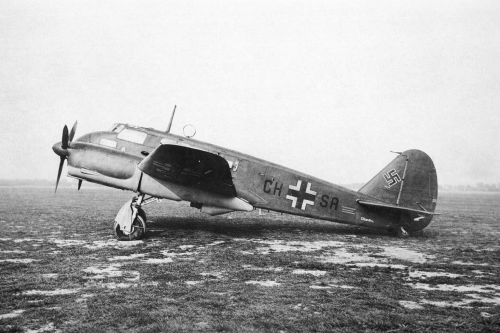
The Caproni Ca.313 emerged from a long lineage of Caproni twin‑engine light aircraft developed during the 1930s.
Caproni Aeronautica Bergamasca—part of the larger Caproni industrial group—had begun this line with the Caproni Ca.308 Borea, an all‑wooden airliner that first flew in 1935.
This design philosophy evolved through the Ca.309 Ghibli (1936) and the Ca.310 (1937), the latter featuring a retractable undercarriage and Piaggio P.VII radial engines.
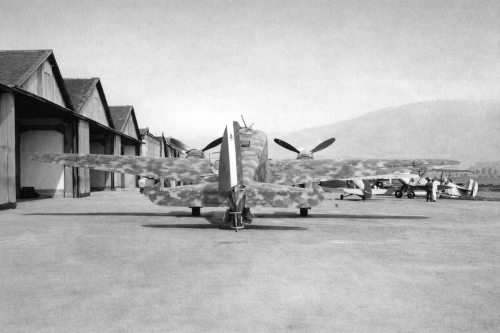
Caproni Ca.313RA
Although the Ca.310 attracted several export customers, including Peru, Hungary, and Norway, it failed to meet guaranteed performance figures.
To satisfy Norwegian requirements, Caproni produced the Ca.312, re‑engined with more powerful Piaggio P.XVI radials, first flown on 7 December 1938.
Meanwhile, Caproni developed the Ca.311, a reconnaissance‑bomber variant with a redesigned nose adopted by the Regia Aeronautica.
The Ca.313 was conceived as a further refinement of the Ca.311, incorporating more powerful Isotta‑Fraschini inverted V‑12 engines to achieve significantly improved performance.
The prototype—essentially a modified Ca.310 fitted with two 770 hp Isotta‑Fraschini A.120 engines, first flew on 22 December 1939.
Designed by Cesare Pallavicino, the Ca.313 was intended to replace the Ca.311 in reconnaissance-bomber roles.
Airframe and Structural Design
The Ca.313 employed mixed construction, typical of Caproni’s light twin-engine aircraft:
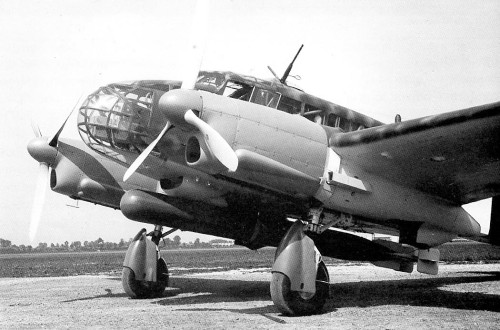
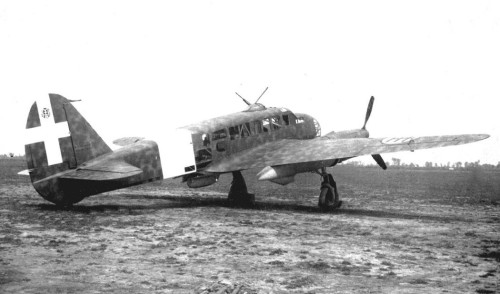
Caproni Ca.313RPB2
Fuselage: Steel‑tube structure covered with fabric.
Wings: Wooden construction—initially spruce, later fir—with plywood skin.
Tail surfaces: Metal structure with fabric and plywood covering.
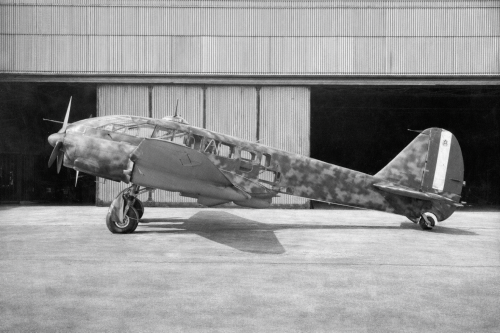
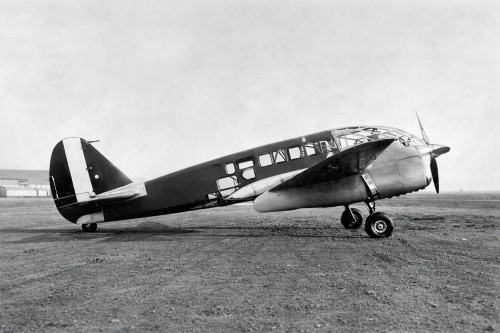
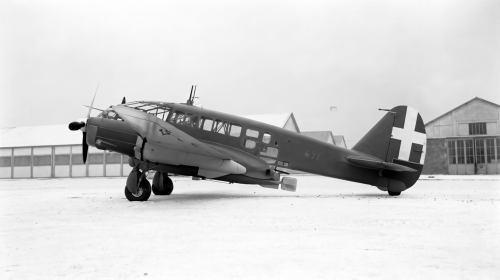
Undercarriage: Retractable tailwheel configuration; main wheels retracted into the engine nacelles.
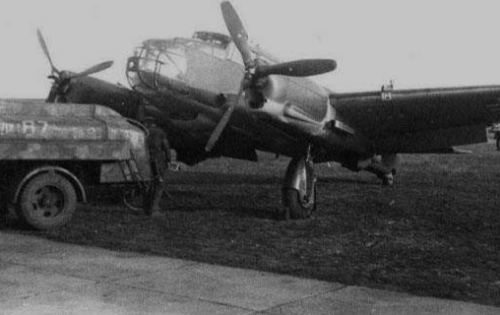
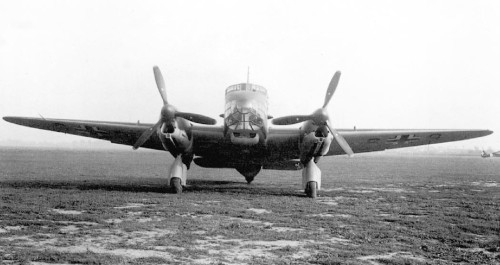
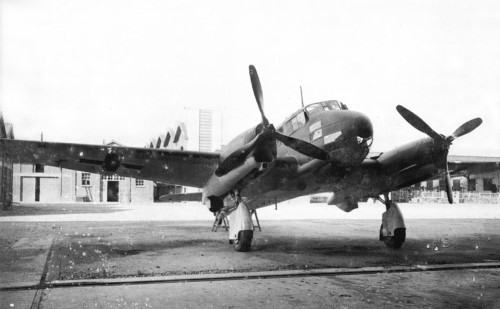
The aircraft featured a glassed‑in nose, reminiscent of the Heinkel He 111, providing excellent visibility for reconnaissance and bombing operations.
Caproni Ca.313RA
Powerplant and Performance
Production Ca.313s were powered by Isotta‑Fraschini Delta R.C.35 I‑D.S. inverted V‑12 engines, rated at 730 hp (540 kW) and driving three-bladed propellers.
These inline engines offered a smaller frontal profile than the radial engines used in earlier Caproni designs, reducing aerodynamic drag and improving speed.
Fuel was stored in two 520‑litre aluminium tanks in the wing centre section, with provisions for additional fuselage tanks.
Although the Ca.313’s performance was competitive for a light reconnaissance bomber, it remained inferior to contemporary aircraft such as the Bristol
Blenheim, despite similar payload and armament.
Caproni Ca.313RPB2
Armament and Bomb Load
The Ca.313 carried a 400 kg (880 lb) bomb load, typical for its class.
Defensive armament consisted of three 7.7 mm Breda or Scotti machine guns:
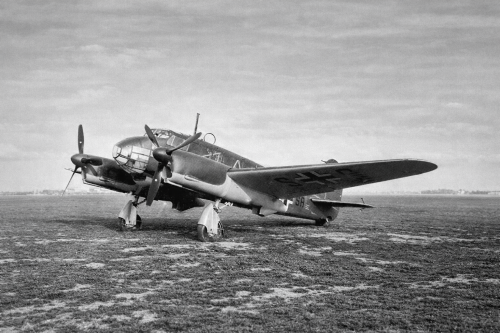
Caproni Ca.313RPB2
One fixed gun in the left wing
One in a dorsal turret
One in a ventral position
This modest defensive suite reflected the aircraft’s intended role as a fast reconnaissance bomber rather than a heavily armed frontline attacker.
Operational History
Italy (Regia Aeronautica)
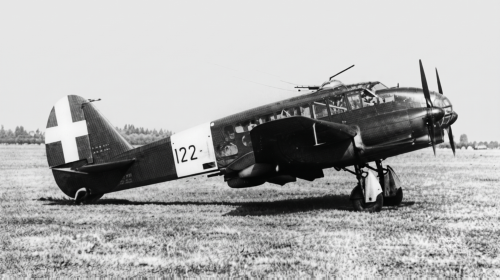
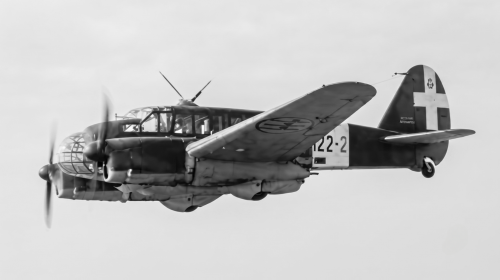
The Ca.313 served primarily with the Regia Aeronautica, fulfilling roles including the following:
Caproni Ca.313RPB2
Light transport
Training
Maritime reconnaissance
Its mixed construction and relatively fragile engines limited its effectiveness in harsh wartime conditions, but it remained in service due to Italy’s chronic
shortage of modern aircraft.
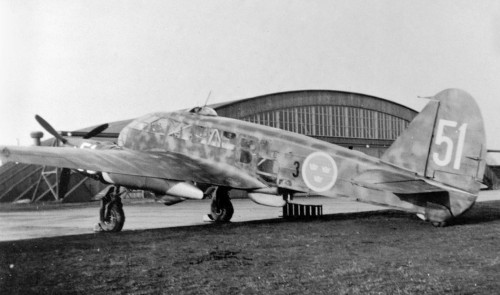
Caproni Ca.313 (SA.313S)
Sweden
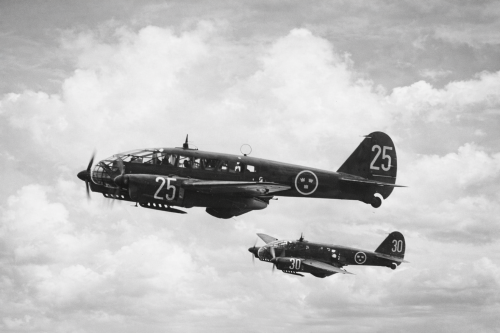
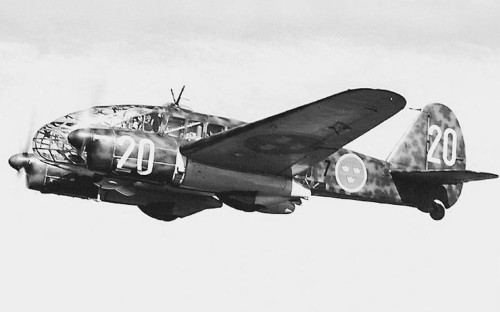
Sweden purchased Ca.313 variants designated B 16, S 16, T 16, and Tp 16.
Sweden’s military buildup was severely disrupted by US embargoes early in WWII, making the Ca.313 an important stopgap despite its limitations.
Caproni Ca.313RPB2
Export Orders and Cancellations
Before Italy entered WWII, the Ca.313 attracted significant foreign interest:
Caproni Ca.313RPB2
France ordered 200 aircraft
Great Britain ordered 300 aircraft
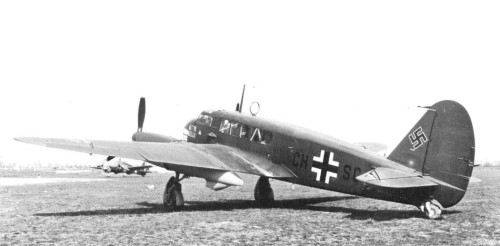
Yet only five Ca.313F units were delivered to France before Italy’s June 1940 entry into the war halted exports.
Variants The Ca.313 family included several sub‑variants, though detailed specifications vary by operator.
Key variants include:
Italian Variants
Ca.313 RPB (Ricognizione–Pattugliamento–Bombardamento): Standard reconnaissance‑patrol‑bomber configuration.
Ca.313 RPB2: Improved production model.
Swedish Variants
Sweden applied its own designations:
B 16: Bomber version
S 16: Reconnaissance version
T 16: Trainer
Tp 16: Transport
These variants differed mainly in internal equipment, mission gear, and crew arrangements.
World War II Context
The Ca.313 must be understood within Italy’s broader aviation challenges during WWII:
Caproni Ca.313RPB2
Italy lacked high‑performance engines, forcing aircraft like the Ca.313 to rely on mid‑power inline engines rather than the more capable Fiat A.38 radials reserved for fighters.
Mixed construction (wood and fabric) reflected industrial constraints and contributed to durability issues in frontline service.
Export ambitions collapsed after Italy joined the war, leaving many foreign orders unfulfilled.
In comparison to Allied light bombers, the Ca.313 was adequate but not exceptional, limiting its combat impact.
Despite these limitations, the Ca.313 filled critical reconnaissance and patrol roles for Italy and Sweden during a period of severe aircraft shortages.