CANT Z.1007 Alcione

CANT Z.1007 Alcione

The CANT Z.1007 Alcione (“Kingfisher”) was a three‑engined, wooden‑structured medium bomber designed by Filippo Zappata and produced by CANT (Cantieri Aeronautici e Navali Triestini).

Entering service in 1938–1939, it became one of Italy’s most important medium bombers of the Second World War, serving across the Mediterranean, North Africa, the Balkans, and the Eastern Front.

Despite excellent handling and stability, its wooden airframe proved vulnerable to harsh climates, and slow production limited its strategic impact.

Origins and Development

Design Background (1935–1937)

During 1935, Zappata developed two medium bomber concepts: the twin‑engined Z.1011 and the three‑engined Z.1007, both intended to use Isotta‑Fraschini Asso XI.RC inline engines and wooden construction.

The Italian Aviation Ministry favoured the trimotor layout, leading to an initial order of 18 aircraft (January 1936) and another 16 (February 1937).

The Z.1007 drew structural inspiration from Zappata’s successful CANT Z.506 Airone seaplane, though redesigned as a land‑based bomber with improved aerodynamics and systems.

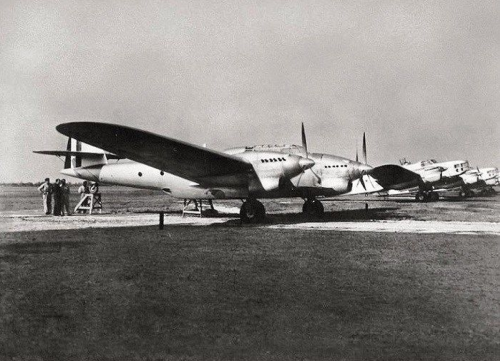
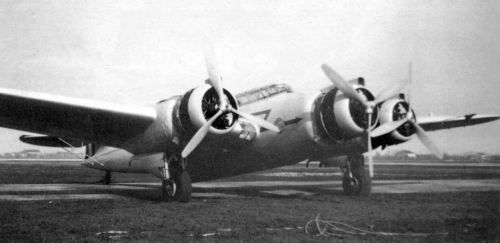
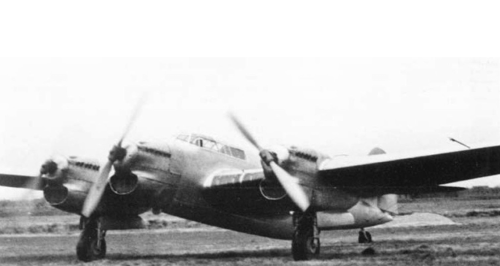
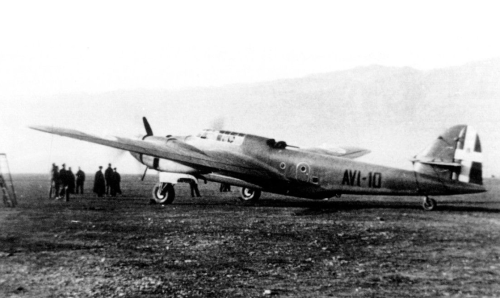
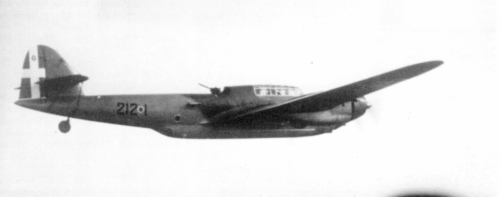
CANT-Z.1007-Prototype-with-Isotta-Fraschini-Asso-XI-R.C.15-inline-engines

Prototype and Early Testing

The prototype flew in March 1937, revealing:

Good stability and flying qualities.

Serious shortcomings in engine reliability and power output (the Asso XI engines failed to meet rated horsepower).

Early aircraft used two‑bladed wooden propellers, later replaced by three‑bladed metal Alfa Romeo units.

Because of performance deficiencies, the initial production batch was relegated to training and weather reconnaissance, not frontline combat.

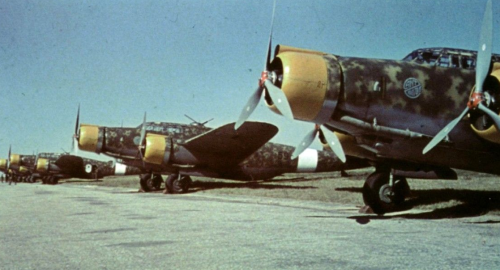
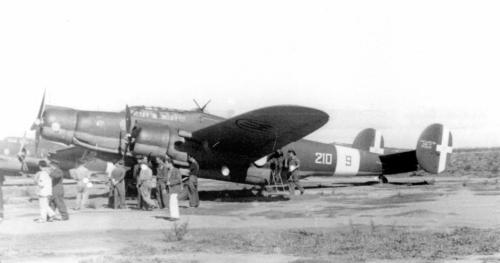
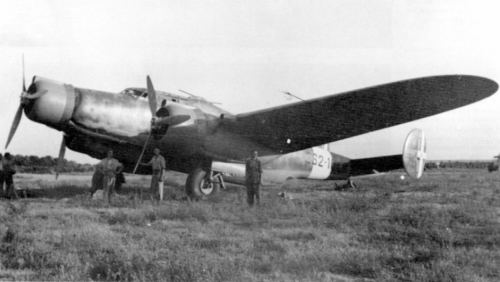
CANT Z.1007 with Piaggio P.XI RC.40 radial engines

Construction and Airframe

The Z.1007 was built almost entirely of wood, with metal used only for fittings, nacelles, and ancillary structures.

Advantages

Excellent stability and manoeuvrability.

Light weight for its size.

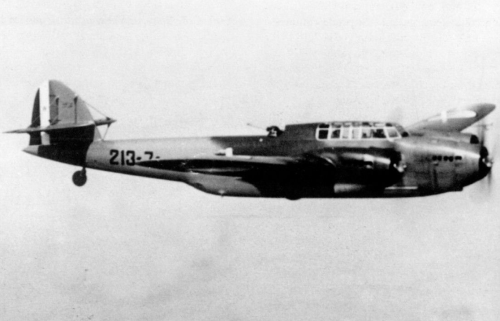
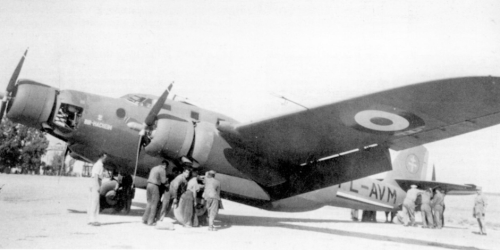
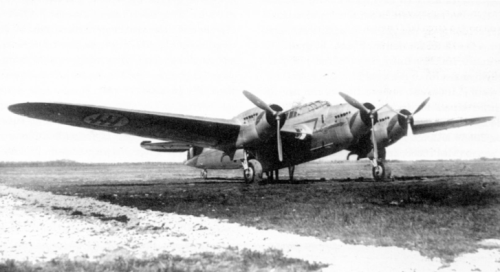
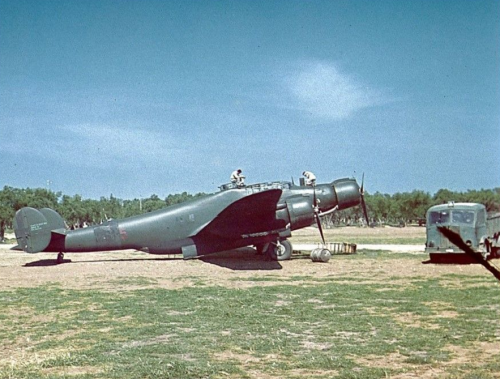
CANT Z.1007 Prototype with Piaggio P.XI RC.40 radial engines

Disadvantages

Vulnerable to humidity, heat, and cold.

Susceptible to structural damage and fire.

Poor durability in North Africa and Russia, where climate extremes degraded the wooden structure.

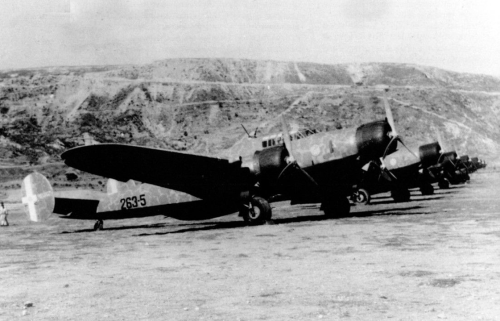
CANT Z.1007 with Piaggio P.XI RC.40 radial engines

Powerplant Evolution

Z.1007 (Original Model)

3 × Isotta‑Fraschini Asso XI.RC inline engines (~830 hp rated, but underperforming).

Reliability issues and insufficient power limited operational usefulness.

Z.1007bis (Major Production Variant)

To correct deficiencies, Zappata redesigned the aircraft extensively:

3 × Piaggio P.XI RC.40 radial engines (~745 kW).

Revised engine cowlings and annular radiators.

Enlarged wingspan, fuselage cross‑section, and internal volume.

Improved propellers and aerodynamic refinements.

This version became the standard wartime model, entering service in 1939.

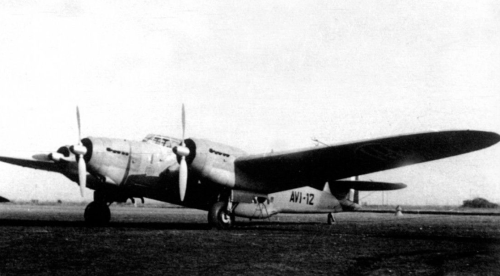
CANT Z.1007 Prototype with Isotta Fraschini Asso XI R.C.15 inline engines

Design Characteristics

Airframe

Wooden monocoque fuselage.

Mid‑wing configuration.

Retractable landing gear.

Crew

Typically, 5–6, including a pilot, co‑pilot, bombardier, radio operator, and gunners.

Defensive Armament (Early Models)

1 × 12.7 mm Breda‑SAFAT dorsal gun.

1 × 7.7 mm ventral gun.

Later variants improved defensive armament and turret arrangements.

Bomb Load

Up to 1,760 lb (≈800 kg) internally.

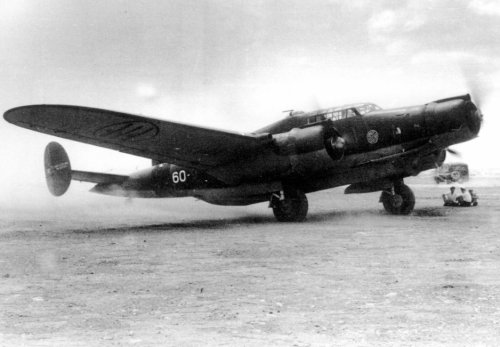
CANT Z.1007 with Piaggio P.XI RC.40 radial engines

Performance (Z.1007bis)

While exact figures vary by source, the Z.1007bis offered:

Improved speed and climb rate over the original model.

Better reliability due to radial engines.

Sufficient range for Mediterranean and Balkan operations.

Its agility made it well‑liked by crews, but vulnerability to damage meant it was increasingly used for night operations later in the war.

Variants

CANT Z.1007 with Isotta Fraschini Asso XI R.C.15 inline engines

Z.1007 (Asso)

Original version with Asso XI engines.

Used mainly for training and secondary duties.

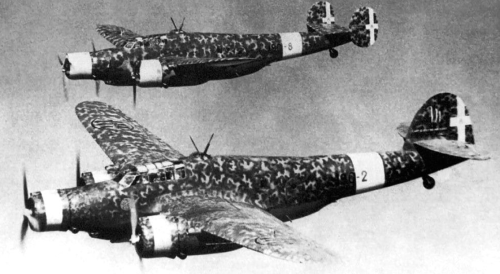
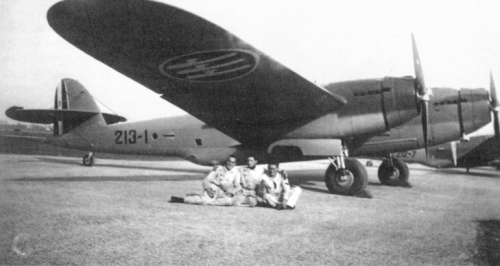
CANT Z.1007 with Piaggio P.XI RC.40 radial engines

Z.1007bis

Main wartime production model.

Radial engines, enlarged dimensions, improved systems.

Built in ~540–660 units (sources vary).

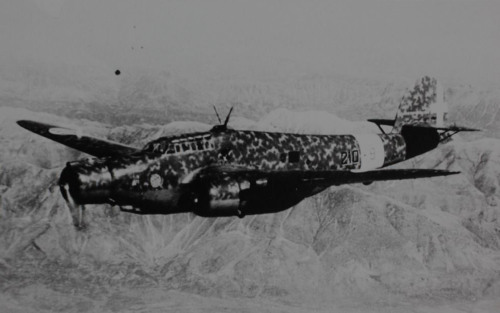
CANT Z.1007 with Piaggio P.XI RC.40 radial engines

Z.1007ter

Further refinement; limited production.


Tail Configurations

Series I–III: Single fin and rudder.

Series IV–IX: Twin fin‑rudder arrangement for improved stability.

Z.1015

A related development; not produced in quantity.

CANT Z.1007 with Piaggio P.XI RC.40 radial engines

Operational History in WWII

Early Service (1938–1940)

Production was slow—only four aircraft were in service by Italy’s entry into the war on 10 June 1940.

Battle of Britain (1940)

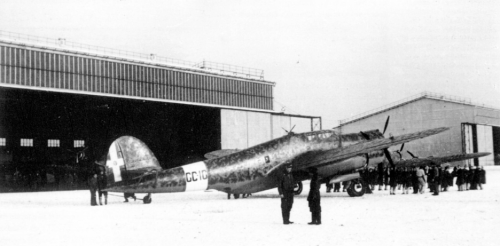
Five Z.1007bis aircraft deployed to Belgium with the Corpo Aereo Italiano for reconnaissance over Britain.

They were considered Italy’s best bomber type but were too few for major impact.

Mediterranean and Malta (1940–1942)

The Z.1007bis made its combat debut in August–October 1940 during operations against Malta and the Greek campaign.

It performed bombing and reconnaissance missions but suffered from vulnerability when hit.

North Africa

Used extensively but hampered by climate‑related structural degradation.

Eastern Front

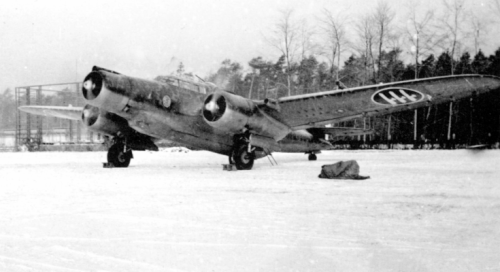
Italian units employed the Z.1007bis for bombing and reconnaissance in Russia, where cold weather further weakened its wooden structure.

After the 1943 Armistice

Aircraft were operated by:

Italian Co‑Belligerent Air Force

Aeronautica Nazionale Repubblicana

Limited use by the Luftwaffe and even the RAF (captured examples).

Night operations became standard due to vulnerability to fire and battle damage.

CANT Z.1007 with Isotta Fraschini Asso XI R.C.15 inline engines

Strategic Assessment

The CANT Z.1007 was one of Italy’s best medium bombers, praised for handling and stability.

Limited by wooden construction, engine issues, and slow production.

Effective in reconnaissance and medium‑range bombing when available in sufficient numbers.

Ultimately overshadowed by more modern Allied and Axis designs.

Its tri‑motor configuration reflected Italian interwar design philosophy, but by mid‑war, it was technologically outpaced.

CANT-Z.1007-with-Piaggio-P.XI-RC.40-radial-engines

Conclusion

The CANT Z.1007 Alcione stands as a distinctive example of Italian aeronautical engineering—innovative, elegant, and capable, yet constrained by industrial limitations and material choices.

Its wartime record reflects both the strengths of Zappata’s aerodynamic design and the weaknesses of Italy’s aviation industry during WWII.

Despite these challenges, it remains one of the most historically significant Italian bombers of the era.

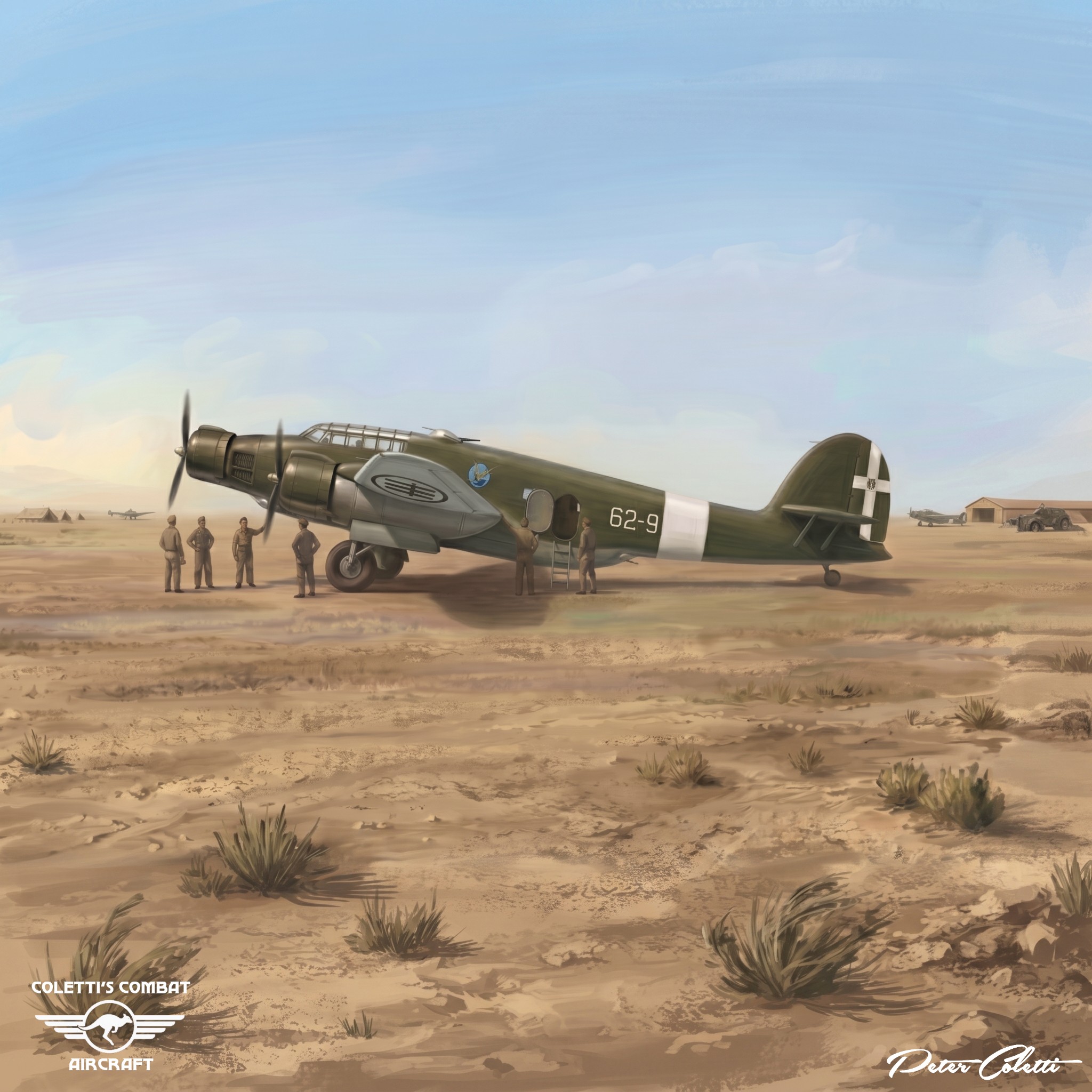
Digital Artworks by Peter Coletti.

Share on facebook