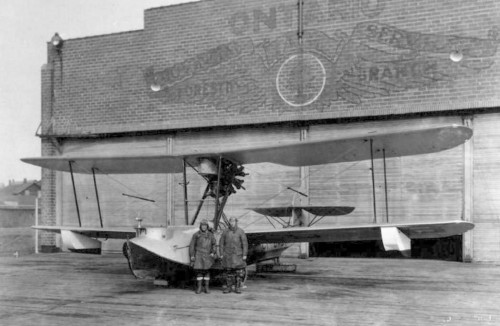
The Vedette emerged from a post–First World War requirement: Canada needed an aircraft capable of operating in remote, lake‑filled regions for aerial mapping, forestry patrols, fire protection, and resource surveying.
Existing flying boats donated by the British and U.S. navies were unsuitable by the mid‑1920s—they lacked the power, structural strength, and camera‑carrying capability needed for low‑altitude survey work.
The British Vickers company had already produced the Vickers Viking, an amphibian flying boat adapted for Canadian use, but it proved underpowered and suffered from hull rot due to water absorption.
This led the Royal Canadian Air Force (RCAF), provincial forestry agencies, and the Society of Forest Engineers to define a new specification for a purpose‑built Canadian survey aircraft.
A preliminary design by R.K. Pierson of British Vickers in early 1924 was handed to Canadian Vickers Limited in Montreal, where Wilfrid Thomas Reid, chief engineer, produced the detailed drawings and oversaw construction.
The prototype Vedette I flew on 4 November 1924 was initially powered by a 200 hp Rolls‑Royce Falcon III.
Production ran from 1924 to 1930, with about 60 aircraft built (plus later replicas).
Design Characteristics
Airframe and Configuration
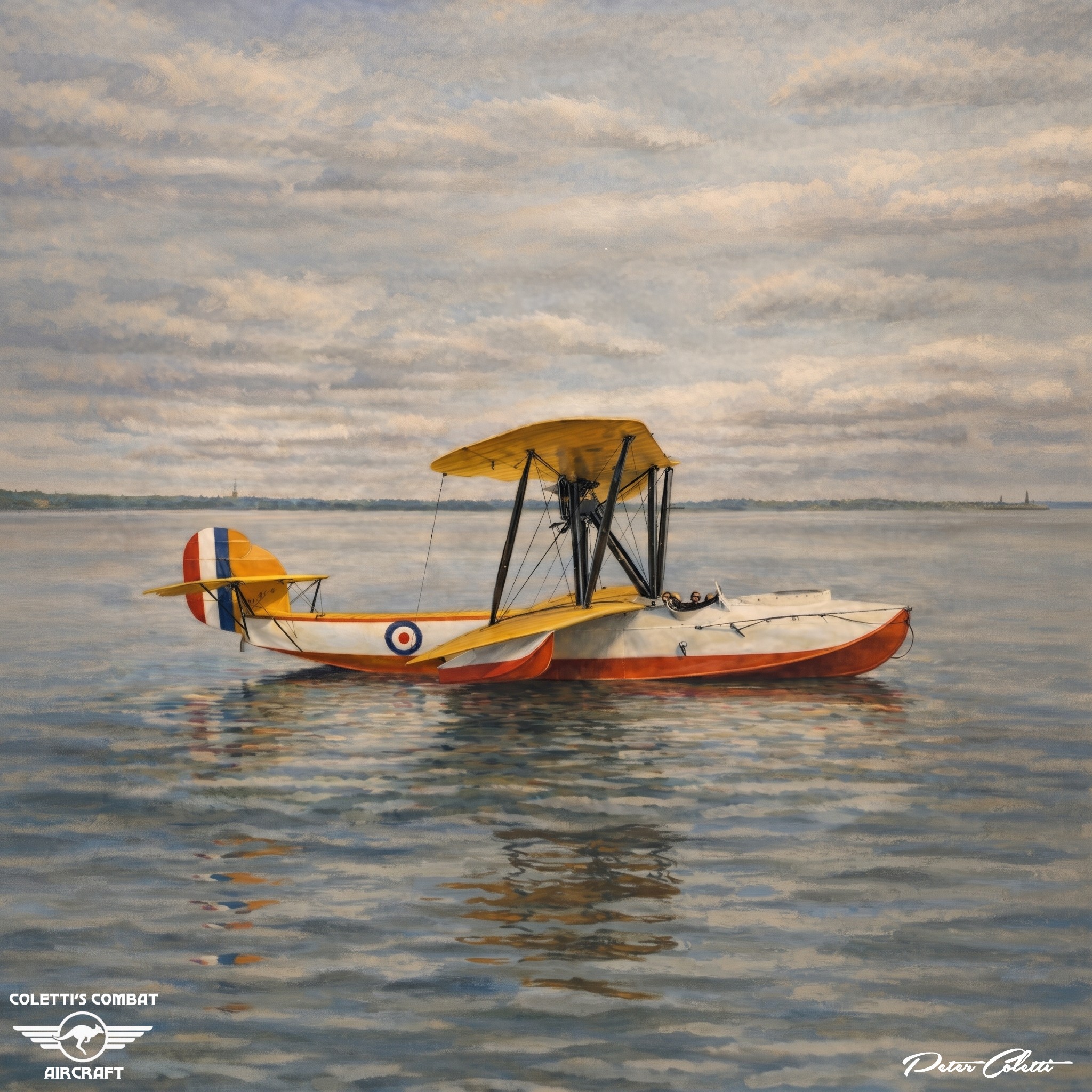
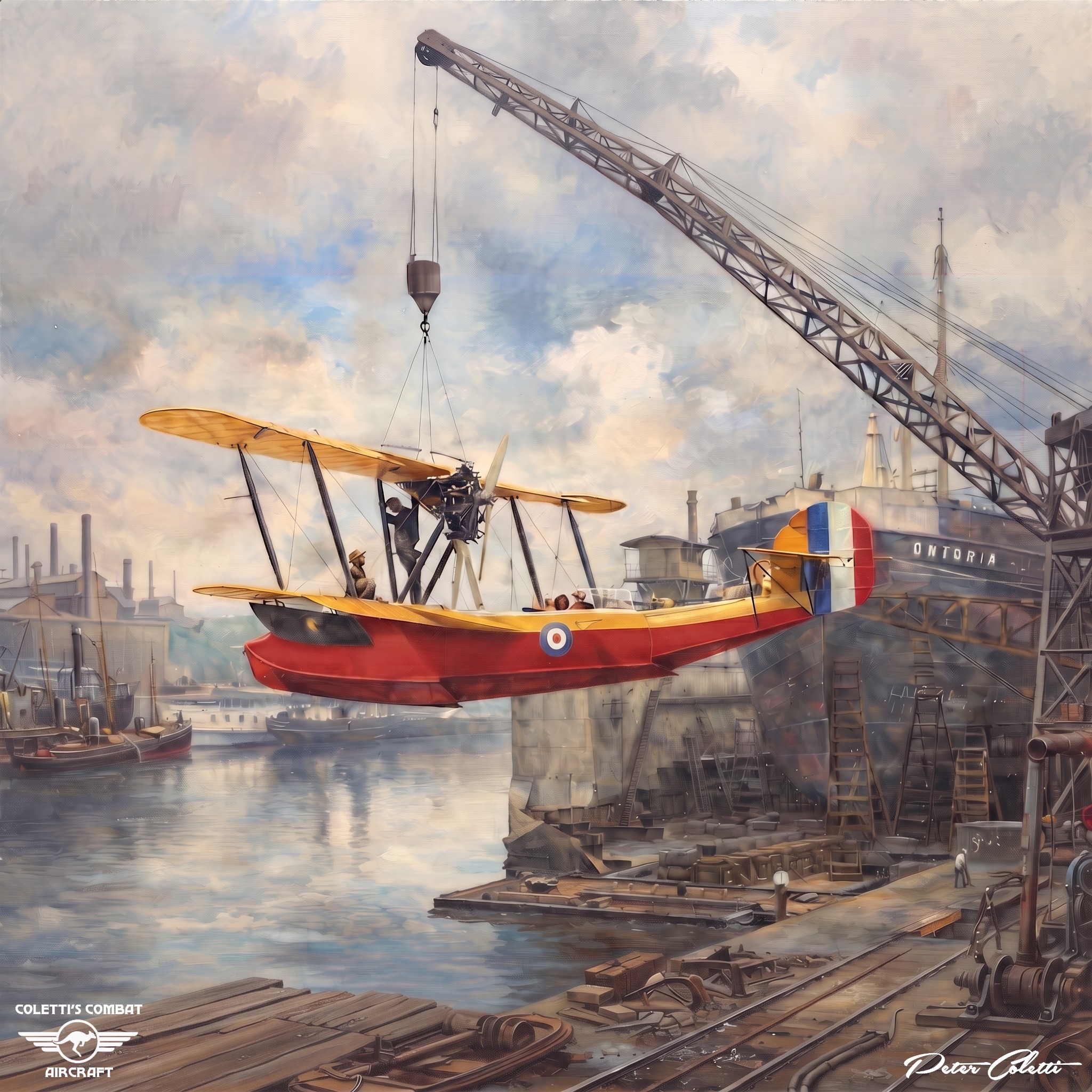
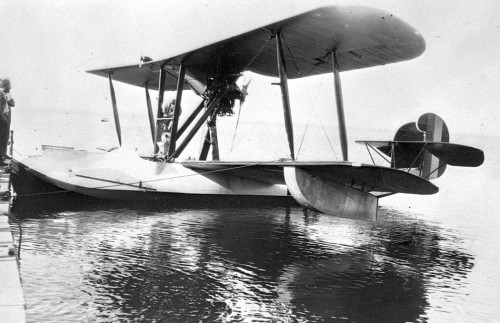
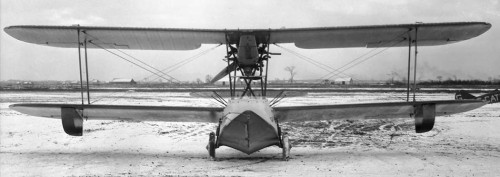
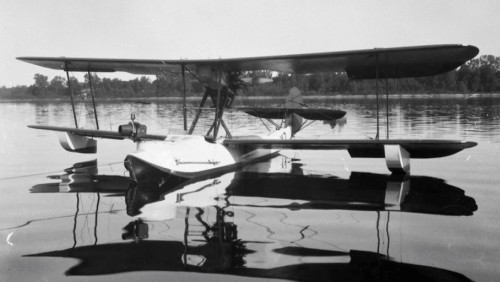
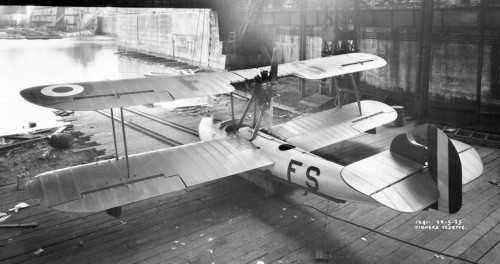
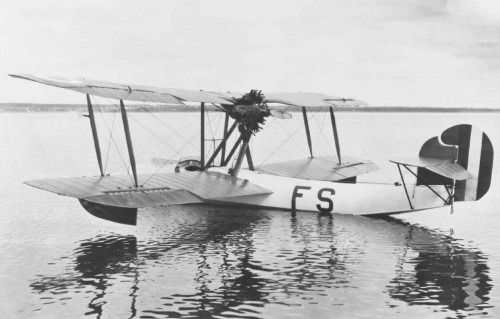
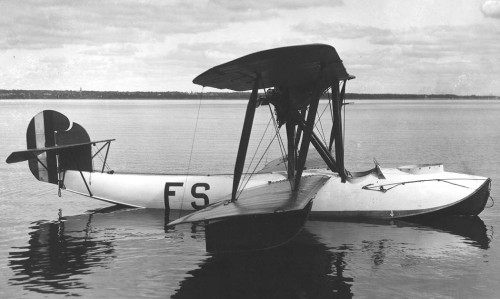
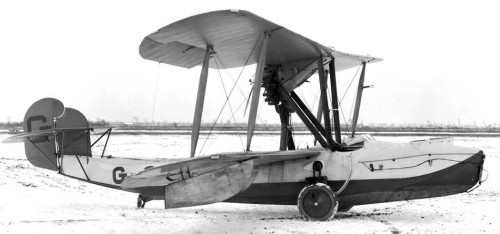
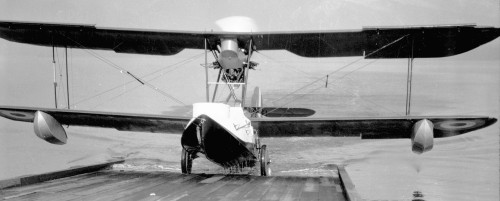
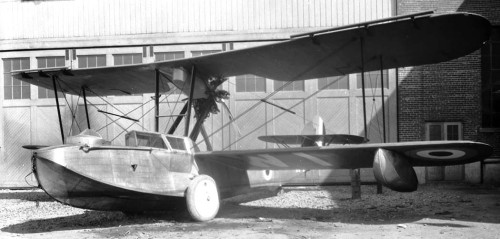
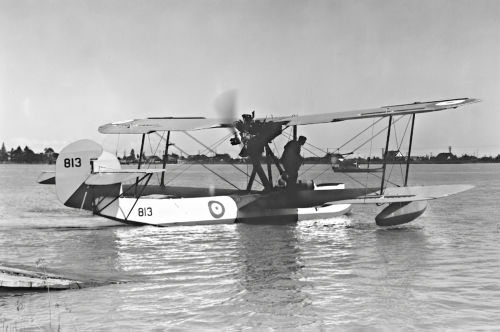
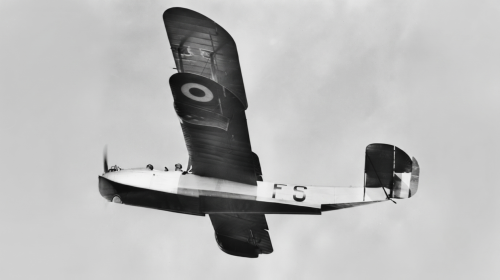
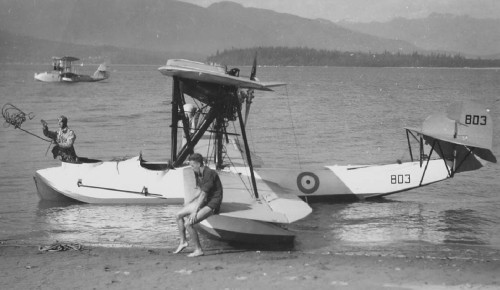
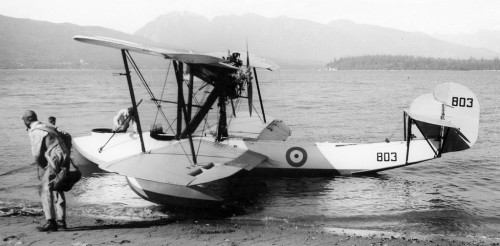
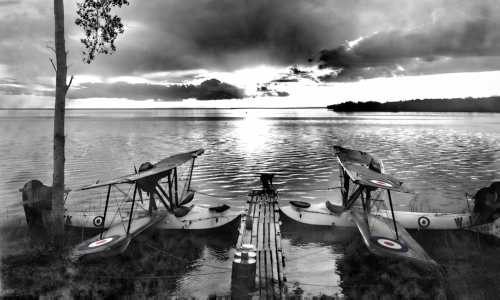
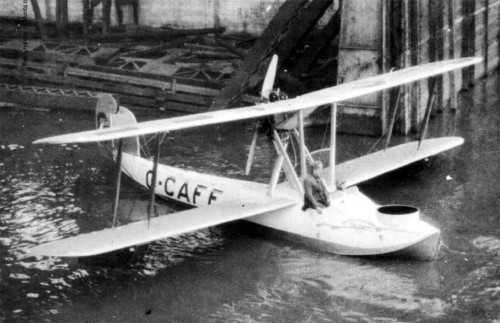
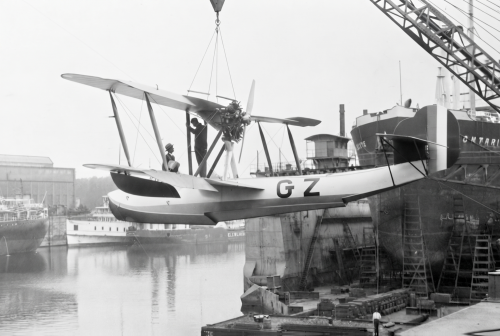
The Vedette was a single‑engine, pusher‑configuration biplane flying boat with a wooden hull designed for operations on lakes and rivers.
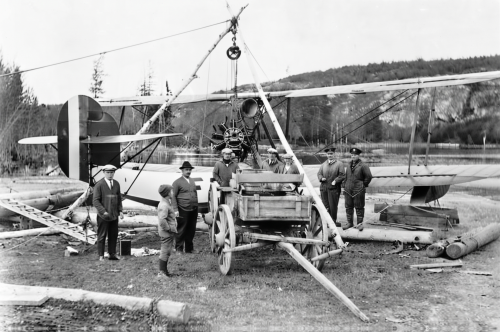
Its hull was strengthened for bush conditions, and its cockpits were enlarged to accommodate cameras and crew.
Key design features included the following:
Three‑seat layout (pilot, observer, photographer)
Pusher engine mounted behind the pilot, reducing spray ingestion and improving water handling
Open cockpit in most variants, though later versions experimented with enclosed cabins
Wooden hull with wingtip floats for stability on water
Dimensions and Performance
Representative specifications (varied slightly by variant and engine):
The aircraft’s wooden hulls were prone to leaks and required constant maintenance—an issue common to wooden flying boats of the era.
Variants
Canadian Vickers produced five major variants, with differences mainly in engines, hull construction, and cockpit arrangements.
All variants shared the same basic airframe.
Vedette I
Prototype and early production model
Tested with multiple engines: Rolls‑Royce Falcon III, Wolseley Viper, Wright J‑4, Armstrong Siddeley Lynx
Served as the baseline for later improvements
Vedette II
Most numerous version
Engines included Lynx IV, Wright J‑4, Wright J‑5
Minor external differences such as wingtip floats and fuel tank arrangements
Vedette V
Offered more powerful engines including the Wright J‑6 (300 hp)
Improved performance for heavier survey equipment
Amphibious Versions
Two amphibious variants were produced with retractable landing gear for land operations
Useful for mixed‑terrain survey missions
All‑Metal Hull Variant
One experimental version featured an enclosed cabin and metal hull
Represented an attempt to solve hull‑rot issues but did not enter mass production
Operational History and Performance
Survey and Mapping Work
The Vedette became the backbone of Canadian aerial survey operations.
It was used extensively by:
Royal Canadian Air Force (RCAF)
Ontario Provincial Air Service
Manitoba Government Air Services
Provincial forestry agencies
Fairchild Aerial Surveys (first production aircraft delivered)
Vedettes conducted coast‑to‑coast aerial photography, producing the foundational topographic maps still used in Canada today.
Forestry and Patrol Duties
The aircraft performed the following:
Forest fire patrols
Fishing and smuggling surveillance
General bush‑flying transport and reconnaissance
Its ability to operate from small lakes made it ideal for Canada’s northern regions.
Provincial Use
Saskatchewan purchased five Vedettes in 1933 for $1 total, using them for fire patrols and land surveys.
Two were flyable; three were repaired.
The last Saskatchewan Vedette retired in 1941.
Context Leading into the Second World War
Although the Vedette was not a combat aircraft and was largely retired by the early 1940s, its operational legacy directly influenced Canada’s wartime aviation infrastructure.
Pre‑War Expansion By the late 1920s, RCAF operations using Vedettes had expanded to 70–80 temporary bases across Canada.
These bases supported aerial photography and forestry patrols.
Contribution to WWII Preparedness
The network of bases, survey experience, and trained personnel created through Vedette operations proved invaluable when Canada implemented the British Commonwealth Air Training Plan (BCATP) in the early 1940s.
The Vedette itself was no longer frontline equipment, but the infrastructure and expertise it helped build became essential for wartime pilot training.
End of Service
Most Vedettes were retired by 1941, replaced by more modern aircraft.
No complete original Vedettes survive today, though replicas and partial hulls are preserved in museums.
Legacy
The Canadian Vickers Vedette holds several distinctions:
First aircraft designed and mass‑produced in Canada
Cornerstone of Canadian aerial mapping and forestry patrol
Key contributor to pre‑WWII aviation infrastructure
Symbol of early Canadian bush‑flying innovation
Its influence extended far beyond its modest performance figures, shaping Canada’s aviation capabilities during a critical period of national development.