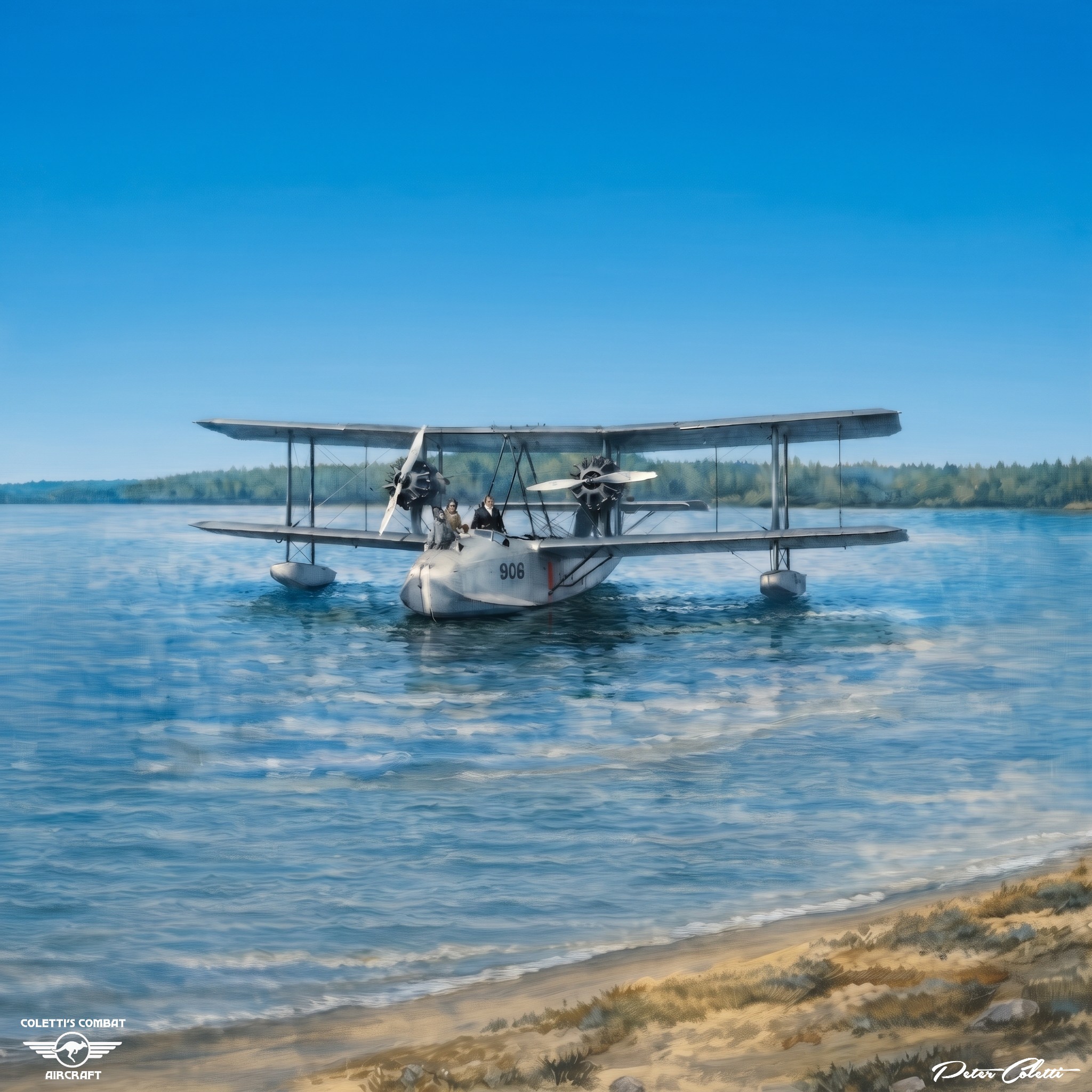
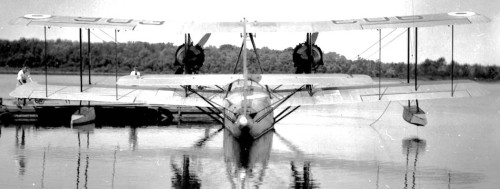
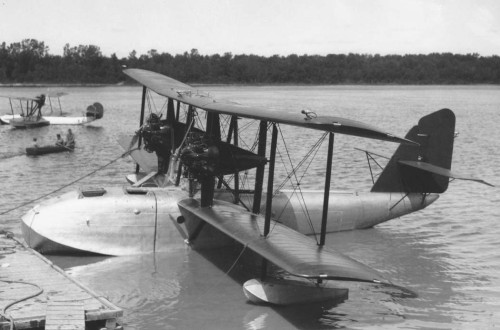
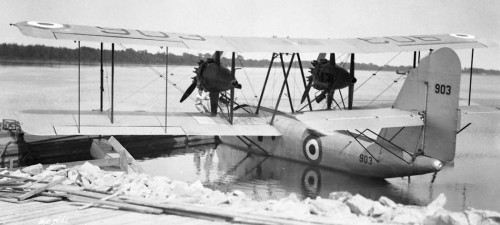
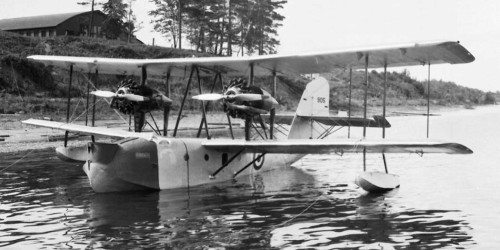
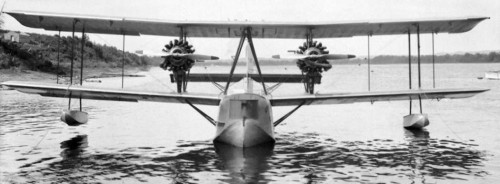
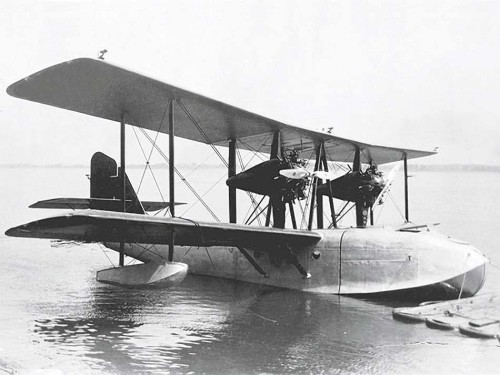
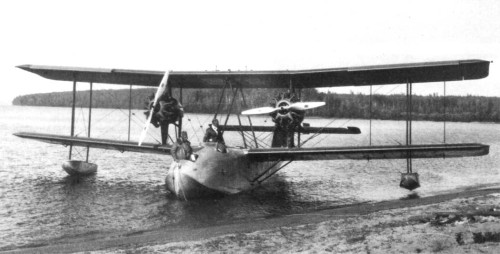
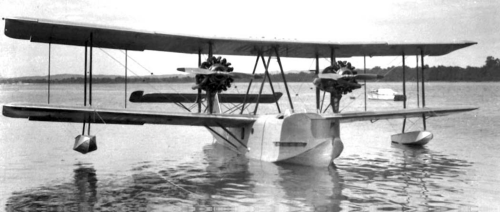
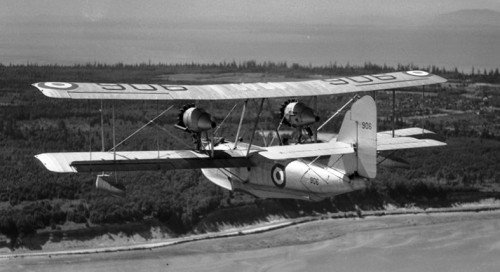
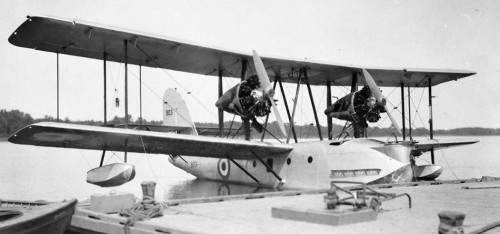
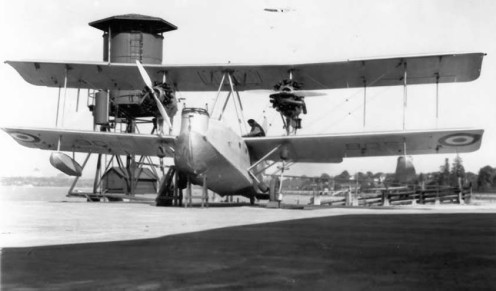
The Canadian Vickers Vancouver emerged at the end of the 1920s, when the Royal Canadian Air Force (RCAF) sought a new multi‑purpose flying boat capable of supporting Canada’s vast wilderness operations.
The RCAF specification C.18/29 called for an aircraft that could transport personnel and equipment—particularly firefighters—into remote regions where forest fires were common and ground access was limited.
Canadian Vickers, already experienced with flying-boat construction, responded with a design that blended traditional biplane architecture with a modernised metal hull.
The first prototype, designated Vancouver I, flew in April 1929.
It was powered by Armstrong Siddeley Lynx IV radial engines and demonstrated the basic configuration that would define the type: a twin‑engine, equal‑span biplane with a duralumin hull and wooden, fabric‑covered wings and tail surfaces.
The prototype’s successful trials led to an order for five production aircraft, collectively known as Vancouver II.
Structural and Aerodynamic Design
The Vancouver was a conventional flying boat of its era but with several features tailored to Canadian operational needs:
Hull Construction:
The hull was built from duralumin, a significant improvement over earlier wooden hulls used on aircraft like the Varuna.
This metal construction increased durability, reduced maintenance demands, and improved resistance to waterlogging—critical for repeated operations on lakes and coastal waters.
Biplane Wing Arrangement:
The aircraft used equal‑span biplane wings, braced with struts and wires.
This configuration provided the lift needed for short water take-offs while keeping structural weight manageable.
The airfoil was Clark Y, a common choice for stable, low‑speed performance.
Crew and Cabin Layout:
Two pilots sat in tandem open cockpits ahead of the wing’s leading edge, giving good visibility for water operations.
The main cabin, enclosed within the hull, could carry a team of six firefighters plus equipment, or up to seven passengers in transport roles.
Materials:
Aside from the metal hull, the remainder of the aircraft—wings, tail, and much of the internal structure—was wood framed and fabric covered, reflecting typical Canadian Vickers practice of the period.
Powerplants and Performance
The Vancouver’s performance varied depending on the engines installed, which differed across variants:
Armstrong Siddeley Lynx IV / IVC (210–225 hp):
Used on the prototype and early production aircraft. Adequate for transport duties but underpowered for patrol work.
Wright J‑6 Whirlwind (300 hp):
Installed on two Vancouver II aircraft, offering improved reliability and better climb performance.
Armstrong Siddeley Serval IV (340 hp):
Fitted during mid‑1930s conversions to create the Vancouver IIS/S, giving the aircraft the power needed for patrol missions with armament and bombs.
Typical performance for the later military-standard Vancouver IIS/W included:
Maximum speed: ~94 mph (151 km/h)
Cruise speed: ~86 mph (138 km/h)
Service ceiling: ~15,000 ft (4,600 m)
Rate of climb: ~565 ft/min
Gross weight: ~7,600 lb (3,450 kg)
These figures illustrate the Vancouver’s limitations: it was slow, with modest climb capability, but adequate for low‑altitude patrols and transport missions.
Operational History
Initially, the Vancouver served exactly as intended: a transport flying boat supporting RCAF forestry operations.
Its ability to carry men and equipment into remote regions made it valuable in Canada’s rugged interior.
By the mid‑1930s, however, the RCAF’s needs shifted.
With rising international tensions and the growing importance of coastal defence, the Vancouver fleet was converted into coastal patrol aircraft.
Modifications included:
Installation of three Lewis machine guns in open defensive positions
Addition of racks for 113‑kg (250‑lb) bombs
Upgraded engines (Serval or Whirlwind, depending on airframe)
These converted aircraft were assigned to No. 4 (Bomber Reconnaissance) Squadron, based at Jericho Beach Air Station near Vancouver.
They also served at the Seaplane and Bomber Reconnaissance Training School, later redesignated No. 13 OT Squadron.
Role in the Second World War
When the Second World War began in 1939, Canada’s coastal defence forces were still expanding, and the Vancouver—though outdated—was pressed into service.
It performed local patrols, training, and reconnaissance along the Pacific coast.
Its slow speed and limited armament made it unsuitable for front‑line combat, but it contributed to early‑war vigilance during a period when more modern aircraft were still being procured.
By 1940, the Vancouver had been withdrawn from service.
The aircraft were struck off charge, and none survived into postwar civilian use; even a private offer to acquire one was declined.
Variants
The Vancouver family included several distinct versions:
Vancouver I:
Prototype with Armstrong Siddeley Lynx IV engines.
Vancouver IA:
Prototype re‑engined with Lynx IVC.
Vancouver II:
Production transport version; three aircraft with Lynx IVC engines, two with Wright J‑6 Whirlwinds.
Vancouver IIS/S:
“Service standard” conversions of Lynx‑powered Vancouver IIs; fitted with Armstrong Siddeley Serval IV engines and full patrol armament.
Vancouver IIS/W:
“Service standard” conversions of Whirlwind‑powered Vancouver IIs; similar armament and patrol configuration.
Assessment and Legacy
The Canadian Vickers Vancouver occupies a niche but meaningful place in Canadian aviation history.
It was:
One of the last biplane flying boats used by the RCAF
A transitional aircraft bridging civil forestry operations and early military patrol duties
A reflection of Canada’s reliance on rugged, amphibious aircraft for national infrastructure and defence
Although obsolete by the outbreak of WWII, the Vancouver’s service illustrates the improvisational nature of early Canadian air operations and the importance of domestic aircraft manufacturing during the interwar period.