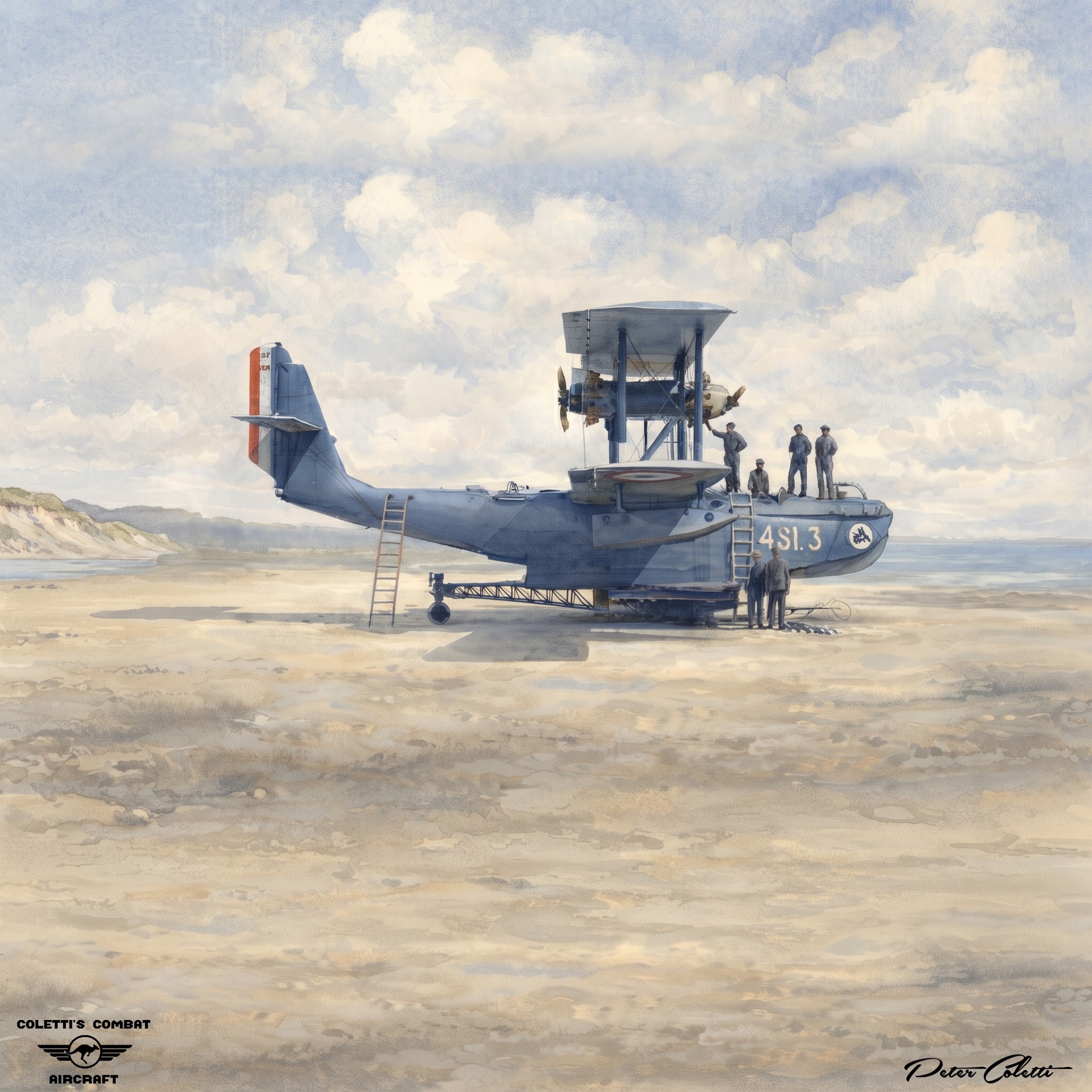
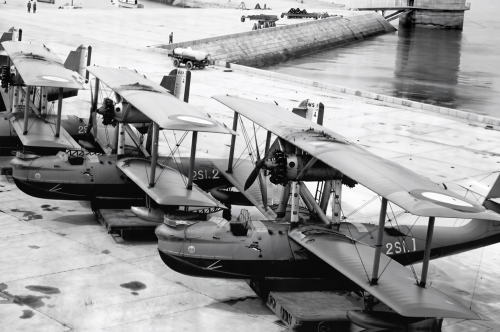
The CAMS 55 emerged from a 1927 French naval aviation requirement for a reconnaissance and coastal‑patrol flying boat.
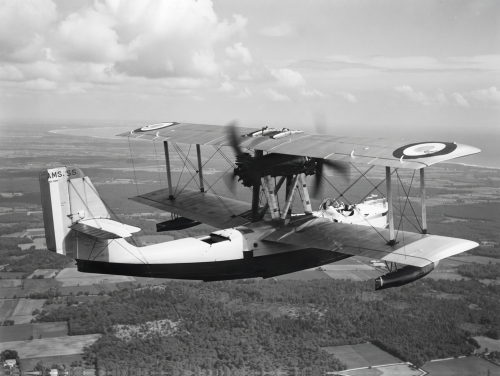
CAMS (Chantiers Aéro‑Maritimes de la Seine) responded with a design derived from the earlier, unsuccessful CAMS 51, retaining the firm’s characteristic biplane flying‑boat configuration with tandem tractor‑pusher engines mounted between the wings.
The prototype first flew in 1928, beginning a test programme that compared air‑cooled radial engines with liquid‑cooled V‑type engines.
The French Navy ultimately ordered aircraft with both engine types.
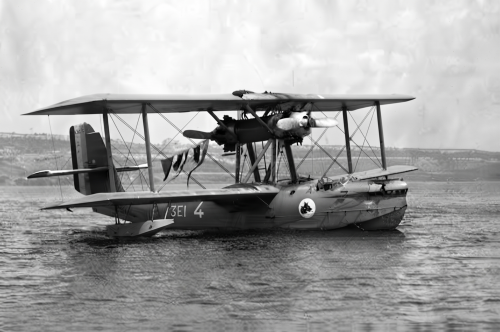
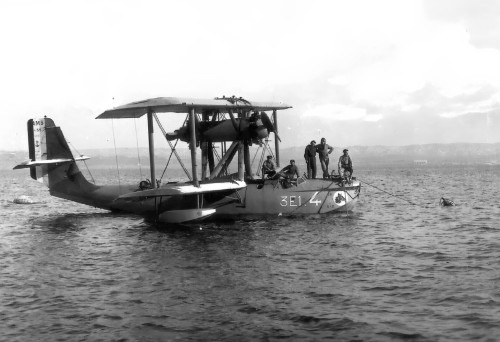
The aircraft entered operational service in 1930, initially with squadrons S1 (Berre) and 4E1 (Karouba).
Design Characteristics
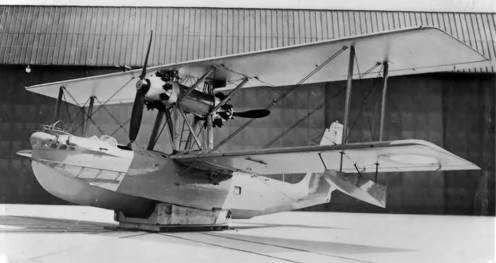
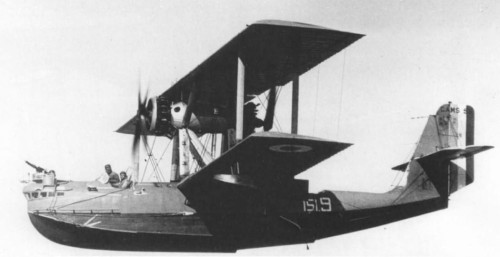
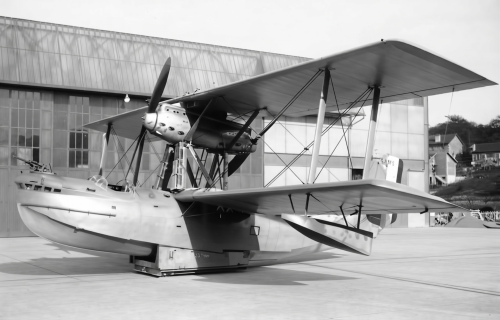
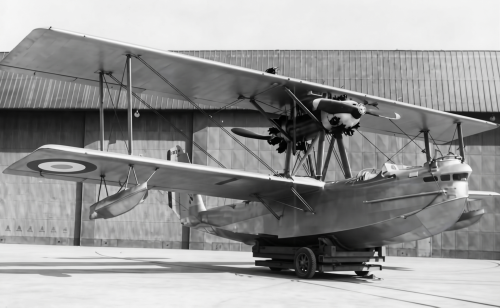
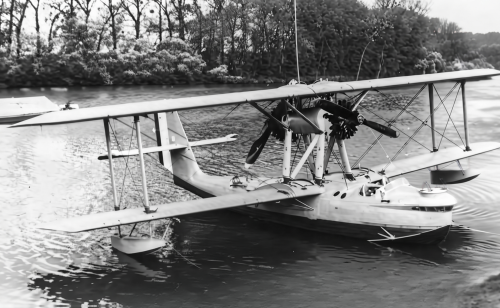
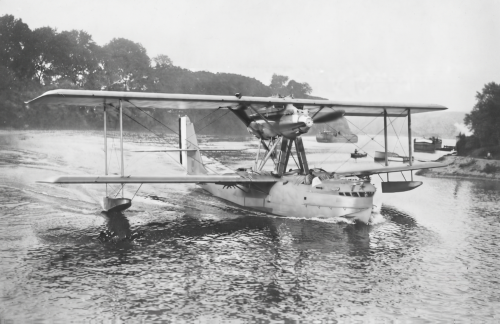
The CAMS 55 was a large wooden flying boat with a two‑bay biplane wing cellule and a hull designed for maritime patrol.
Its design emphasised simplicity and ruggedness for long over‑water missions.
Hull and Structure
Primarily wooden construction, though several experimental variants tested all‑metal hulls and floats.
Lower wings carried stabilising floats at their tips.
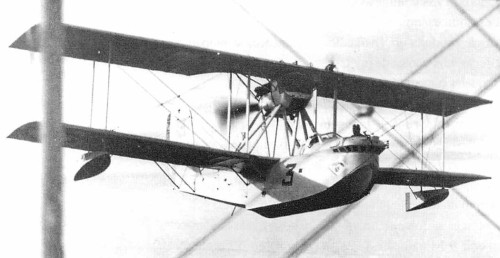
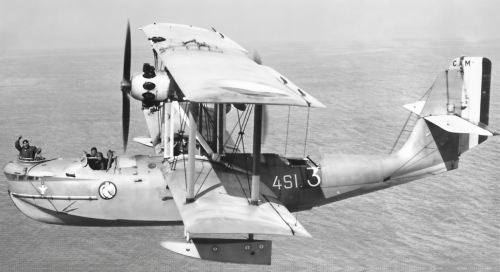
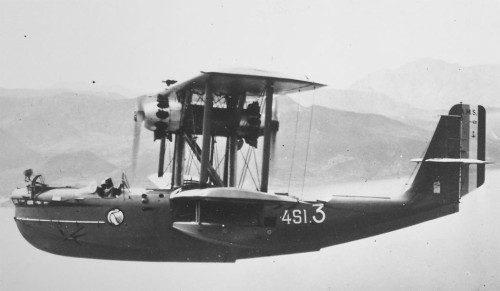
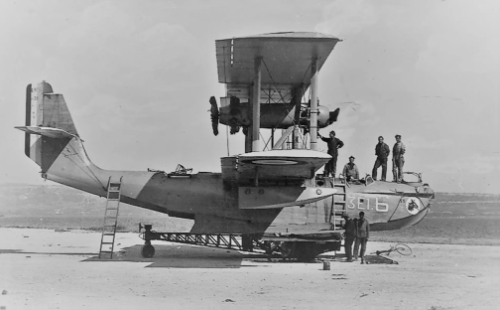
The bow featured an observation balcony with sloped windows for downward visibility.
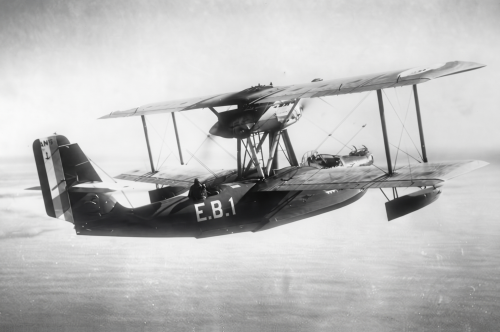
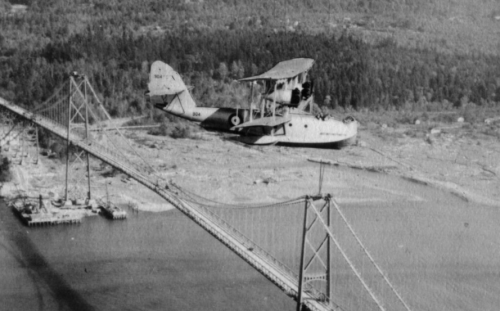
Crew positions were open, including the cockpit and gun stations in the bow and amidships.
Engine Arrangement
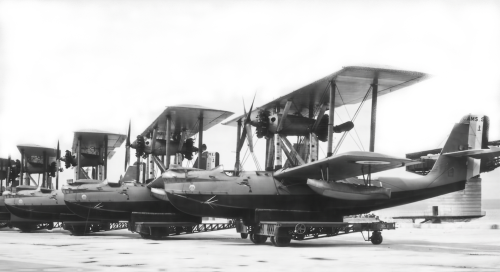
Two engines mounted in tandem push‑pull configuration in the interplane gap.
This arrangement caused several fatal accidents: the propellers were dangerously close to crew access points, and later protective measures never fully solved the issue.
Crew and Armament
Crew: 3–5 men, depending on variant.
Armament:
Two Lewis 7.7 mm machine guns in the forward station.
Two Lewis 7.7 mm machine guns in the rear station.
Up to 150 kg of bombs for coastal patrol or light-strike missions.
Performance and Capabilities
Performance varied by engine type, but the most documented version is the CAMS 55/10, equipped with geared Gnome‑Rhône Jupiter radials.
CAMS 55/10 Specifications
Crew: 4
Length: 15.03 m
Wingspan: 20.4 m
Height: 5.41 m
Wing area: 113.45 m²
Empty weight: 4,590 kg
Gross weight: 6,900 kg
Powerplant: 2 × Gnome‑Rhône 9Kbr radials, 500 hp each
Max speed: 195 km/h
Cruise speed: 150 km/h
Range: 1,280 km
Service ceiling: 3,400 m
Rate of climb: 2.2 m/s
These figures placed the CAMS 55 squarely in the performance envelope of late‑1920s maritime patrol aircraft—adequate for long‑range reconnaissance but increasingly outdated by the mid‑1930s.
Operational History (1930–1941)
By the early 1930s, the CAMS 55 equipped 15 French Navy escadrilles, replacing older flying boats such as the Latham 47.
However, by 1936, the arrival of the Breguet Bizerte relegated the CAMS 55 to secondary duties.
At the outbreak of World War II (September 1939), 25 aircraft remained in active service.
They continued coastal patrol and reconnaissance missions during the early months of the war and were still present during the German offensive of May 1940.
By the Armistice (June 1940), nearly all CAMS 55s had been destroyed.
Only two aircraft survived long enough to serve with Escadrille 20S (Free French) in Tahiti, flying until January 1941, marking the end of the type’s operational life.
Variants
The CAMS 55 family included numerous experimental and production variants, primarily distinguished by engine type and hull construction.
Prototype and Testbeds
55.001 – Prototype with Hispano‑Suiza 12Lbr engines (1 built).
55J – Test version with Gnome‑Rhône/Bristol Jupiter radials (2 built).
55H – Test version with Hispano‑Suiza V‑engines (2 built).
Main Production Models
55/1 – Hispano‑Suiza 12Lbr engines (43 built).
55/2 – Gnome‑Rhône Jupiter radials (29 built).
Advanced / Experimental Hull Variants
55/3 – All‑metal hull; prototype destroyed early in testing (1 built).
55/6 – All‑metal hull and floats; saved 400 kg but too costly (1 built).
55/14 – Another all‑metal hull prototype (1 built).
(These figures differ slightly; the discrepancy likely reflects counting of prototypes.)
CAMS 55 in the Context of WWII
By the time WWII began, the CAMS 55 was obsolete—slow, lightly armed, and vulnerable.
Its wooden construction and open crew positions reflected 1920s design philosophy, not the rapidly advancing aeronautical technology of the late 1930s.
Nevertheless, the aircraft continued performing:
Maritime reconnaissance
Anti‑submarine patrols
Search‑and‑rescue missions
Its limited range and speed made it unsuitable for modern naval warfare, and attrition during the 1940 campaign eliminated nearly all remaining examples.
The final two aircraft flying in Tahiti in 1941 represent a symbolic end to France’s interwar flying-boat era.
Complete Summary
The CAMS 55 was a quintessential interwar French flying boat—rugged, wooden, and built around a tandem push‑pull engine arrangement that was both innovative and hazardous.
First flown in 1928, it served as the backbone of French naval reconnaissance throughout the early 1930s, equipping 15 squadrons and replacing older flying boats.
Its design featured open crew positions, an observation balcony, and modest armament, reflecting its role as a long‑range patrol aircraft rather than a combat bomber.
Although numerous variants explored improved engines and all‑metal hulls, the aircraft’s basic performance remained rooted in 1920s technology.
By the mid‑1930s it was overshadowed by more capable flying boats such as the Breguet Bizerte.
At the outbreak of WWII, only 25 CAMS 55s remained, performing coastal patrols during the early months of the conflict.
Almost all were destroyed during the 1940 campaign, with the last two serving in Tahiti until early 1941.
The CAMS 55 thus stands as an important transitional aircraft—representing the peak of France’s wooden flying-boat tradition while highlighting the rapid obsolescence faced by interwar designs as aviation entered the modern era.