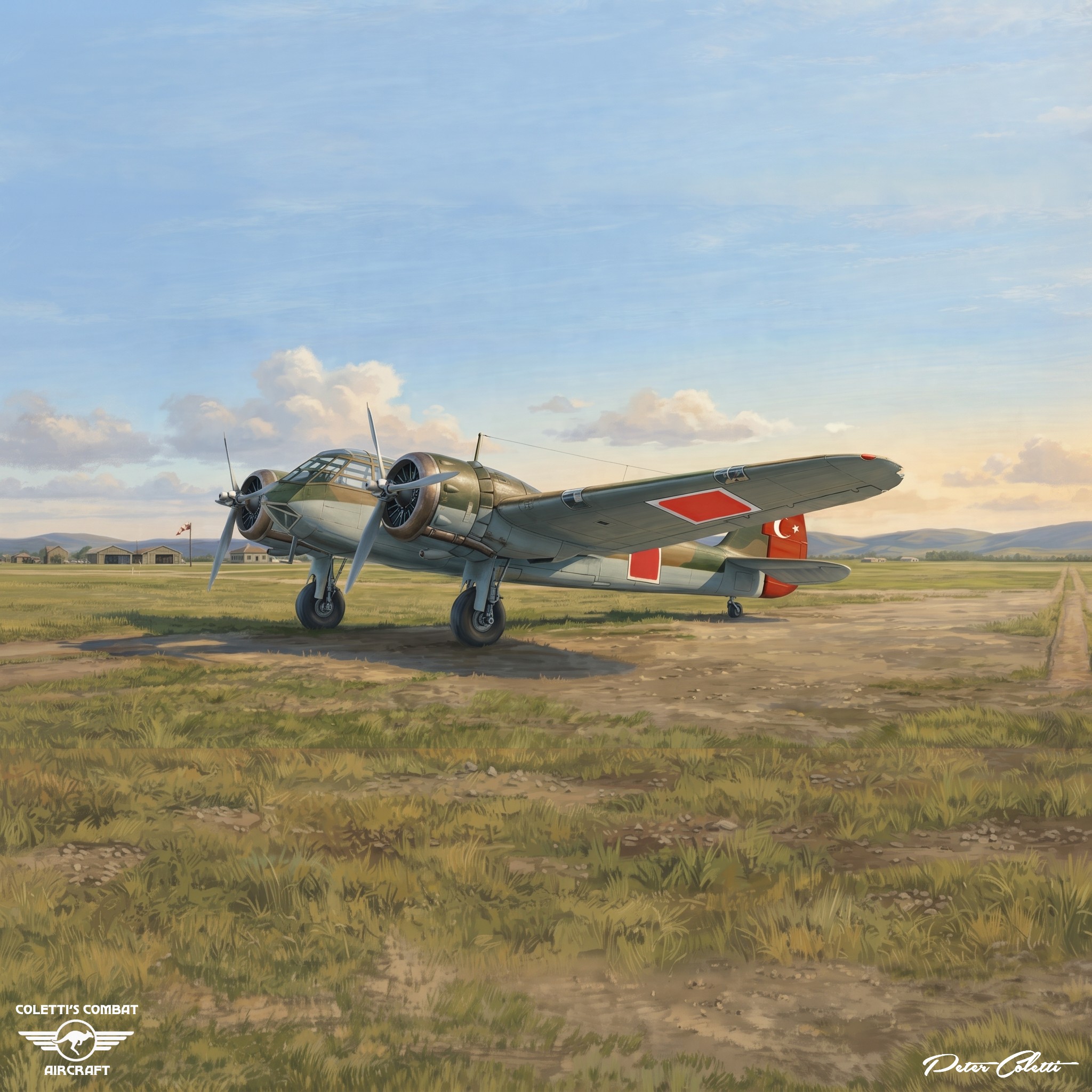
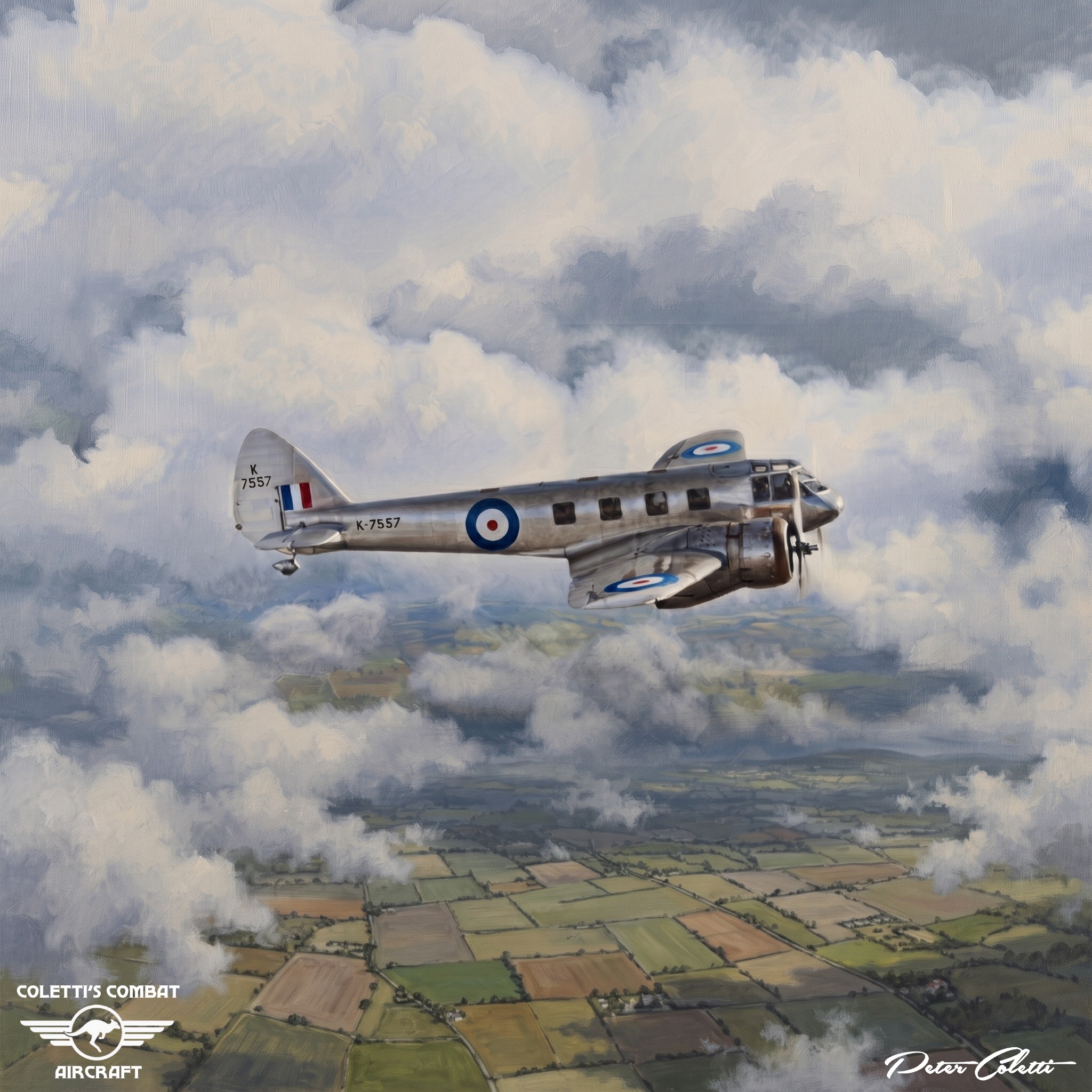
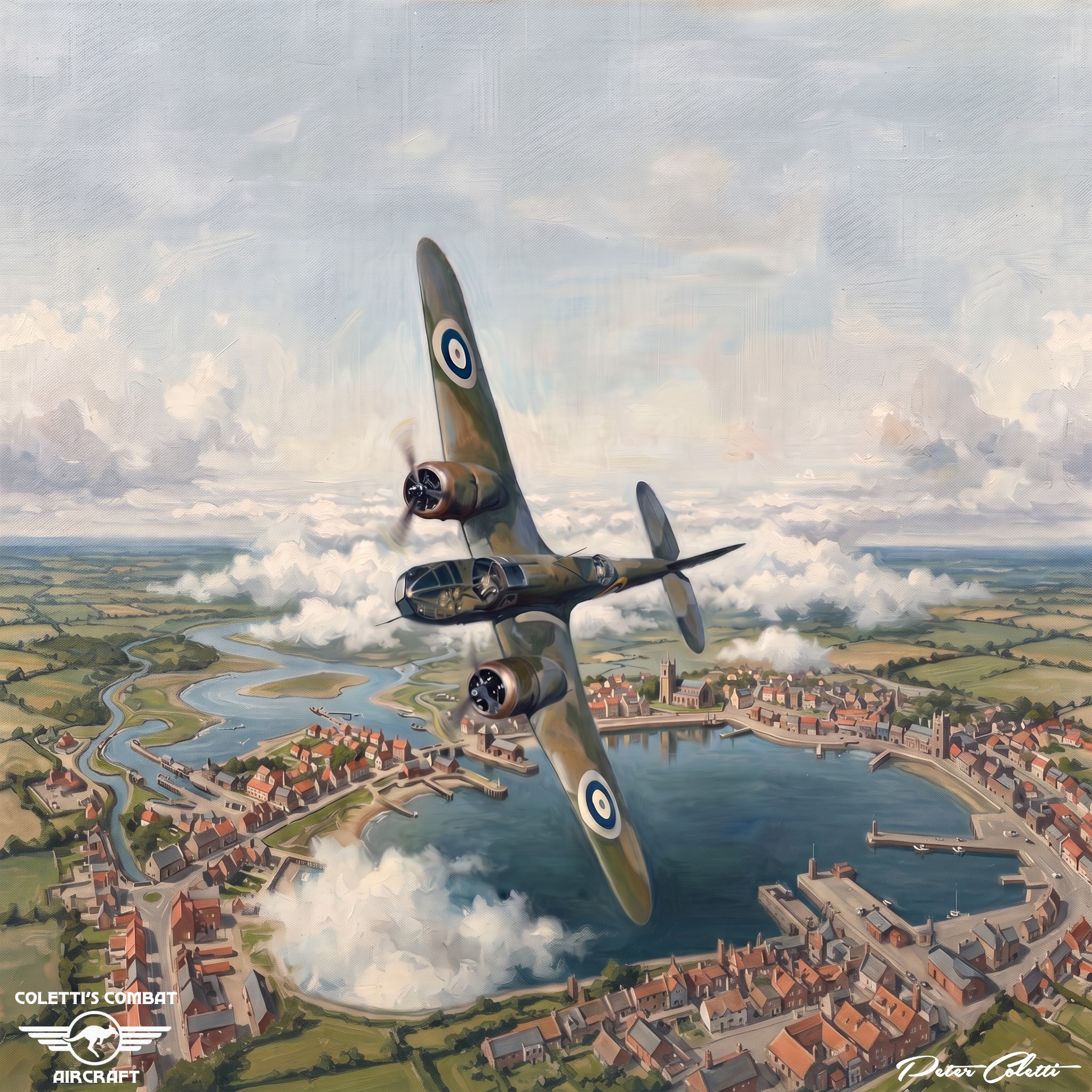
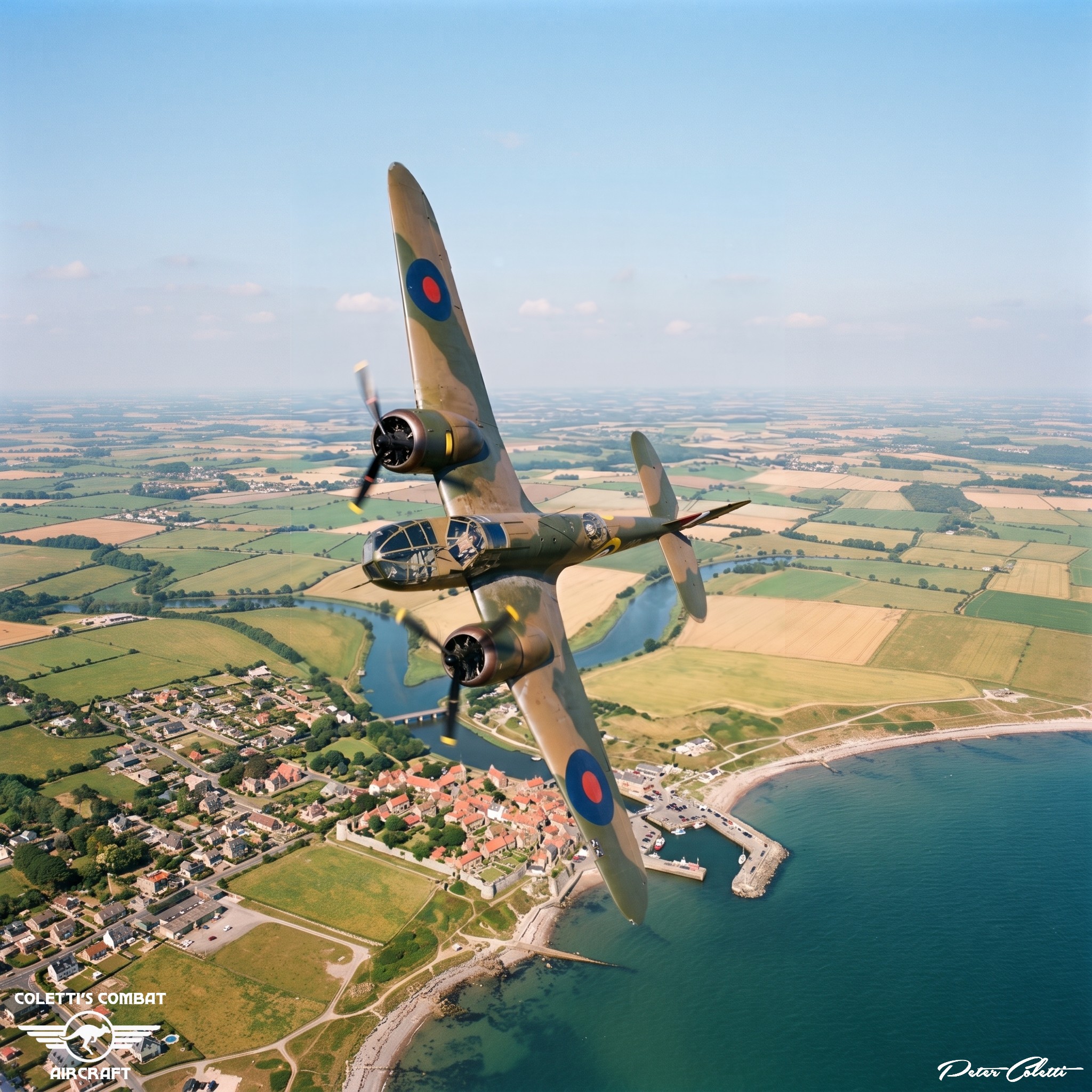
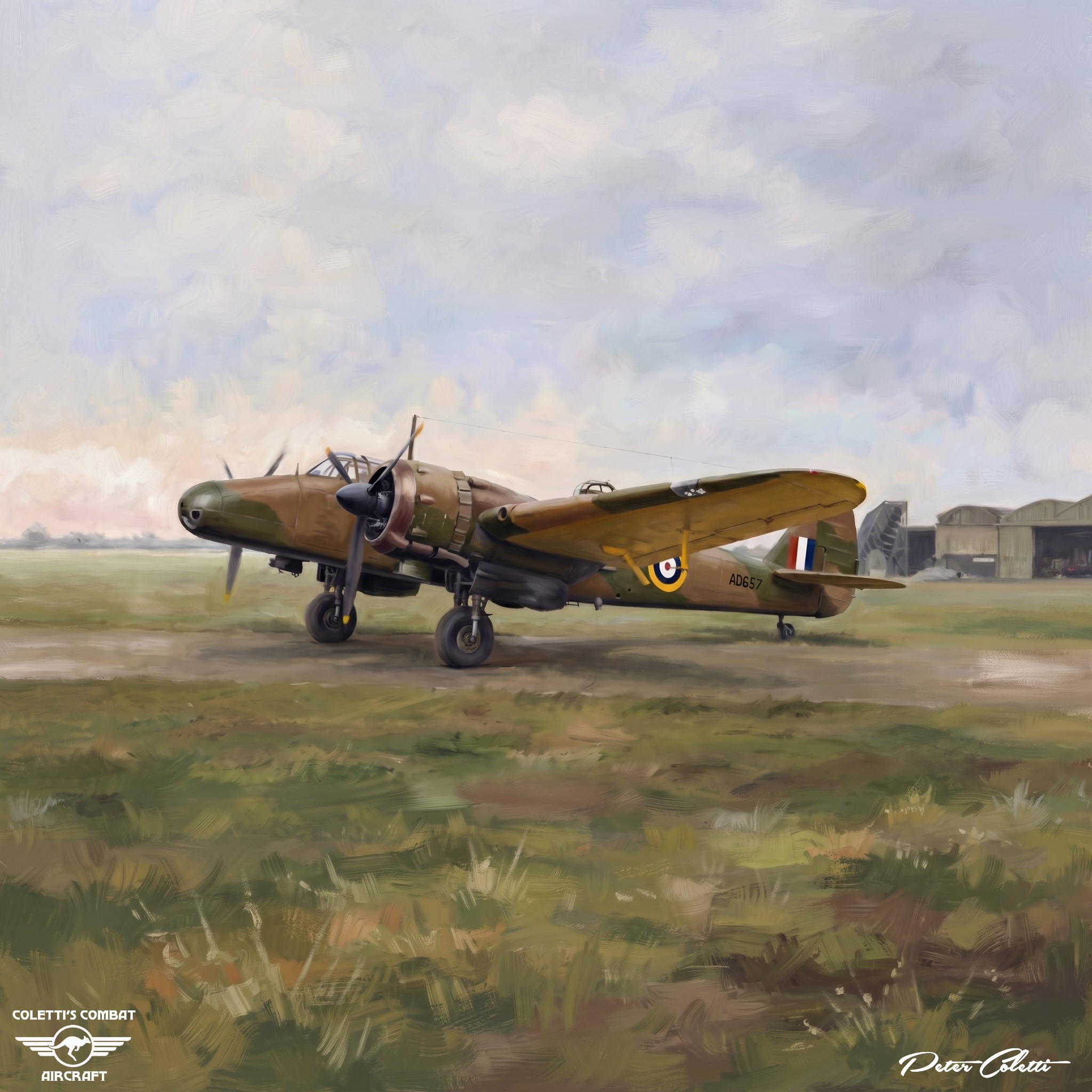
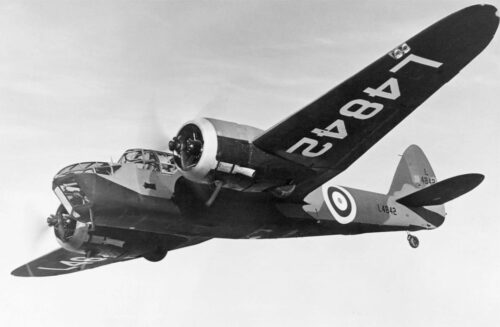
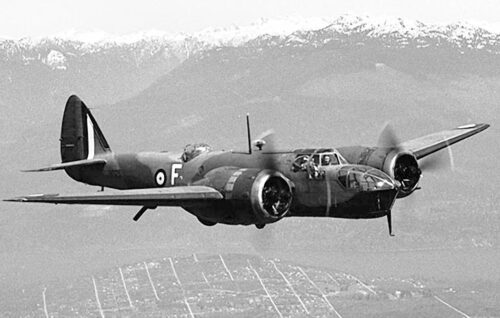
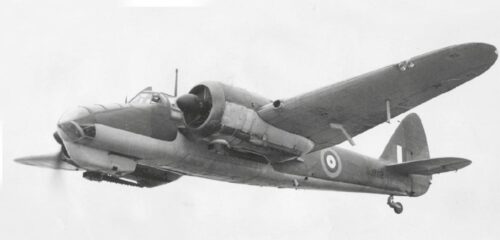
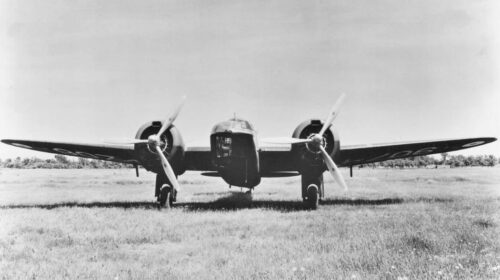
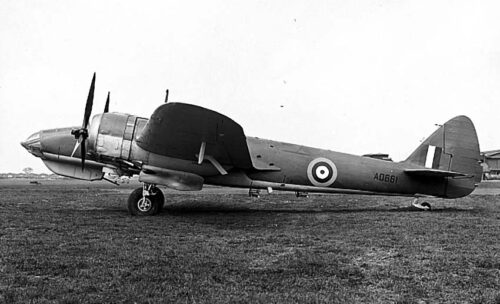
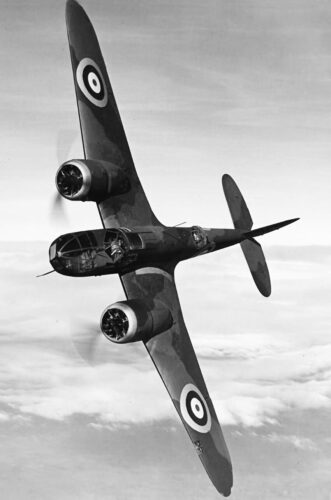
The Bristol Blenheim began life not as a military aircraft but as a response to a challenge issued in 1934 by newspaper magnate Lord Rothermere, who sought the fastest civil aircraft in Europe.
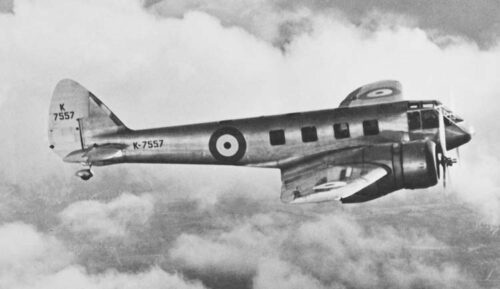
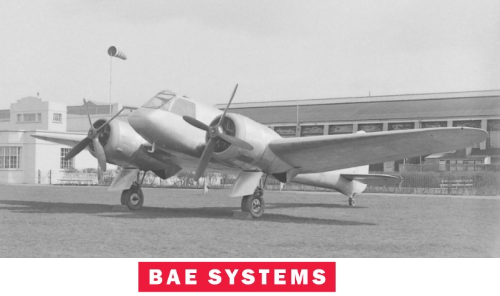
Bristol’s chief designer, Frank Barnwell, had recently studied American twin‑engine monoplane airliners, including the Lockheed Electra Junior, and produced a comparable design designated Type 135.
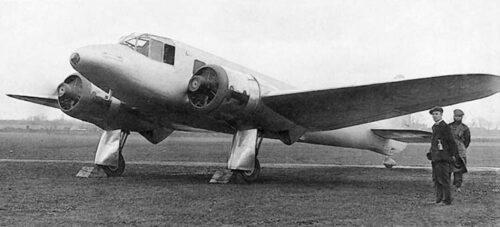
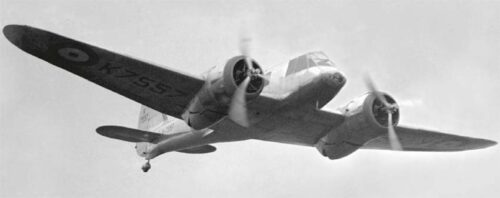
Rothermere commissioned a refined version, the Type 142, which first flew on 12 April 1935 and immediately demonstrated performance superior to contemporary RAF fighters, reaching 307 mph.
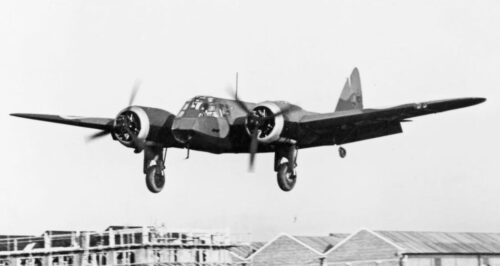
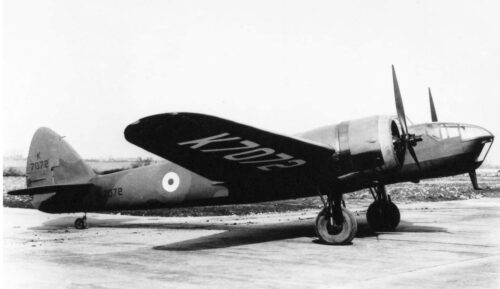
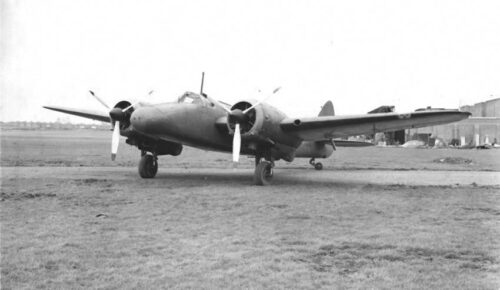
Bristol Blenheim 142
Recognising its potential as a fast light bomber, the Air Ministry requested a militarised version under Specification B.28/35.
Bristol raised the wing to a mid-wing position to create space for a bomb bay and added a bomb-aimer’s station, defensive armament, and provisions for a retractable dorsal turret, producing the Type 142M—soon named the Blenheim Mk.I.
The first production aircraft flew in June 1936, and deliveries to RAF squadrons began on 10 March 1937.
By the outbreak of war in 1939, more than 2,000 Blenheim’s had been ordered, and the type equipped numerous home and overseas squadrons.
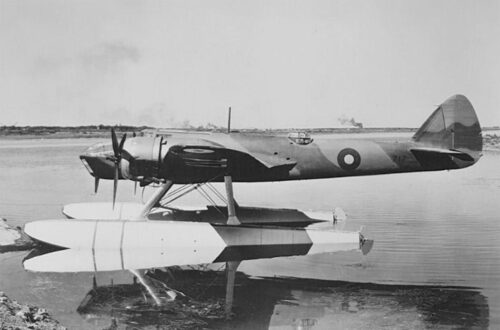
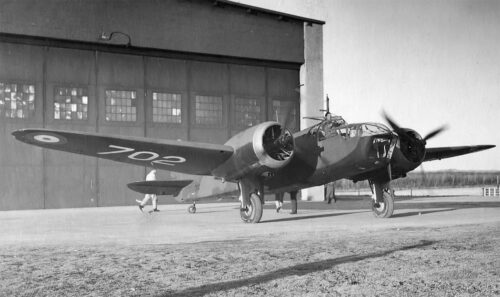
Bristol Bolingbroke Mk.III
Technical Design and Construction
The Blenheim was one of the earliest British aircraft to incorporate several modern features:
All‑metal stressed‑skin construction
Retractable landing gear and flaps
Variable‑pitch propellers
Powered dorsal turret
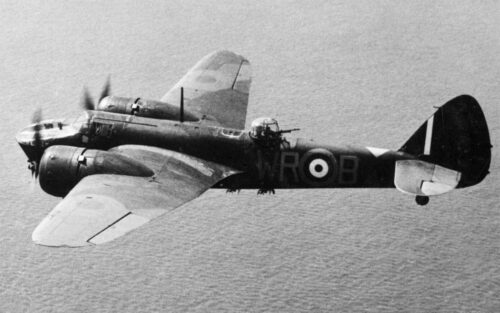
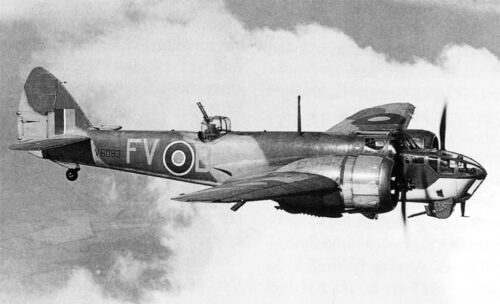
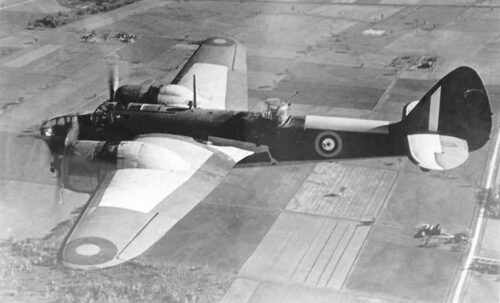
Bristol Blenheim Mk.IV
Its compact fuselage used a light‑alloy monocoque structure built in three sections, with a three‑section wing bolted to the centre fuselage.
The tail unit was a cantilever monoplane design with fabric‑covered control surfaces.
Power came from two Bristol Mercury air‑cooled radial engines, typically the Mercury VIII or, later, the Mercury XV, producing between 860 and 920 hp each.
The engines drove three‑bladed controllable‑pitch propellers.
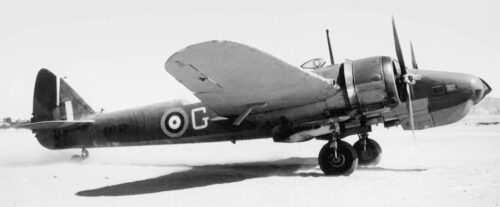
Bristol Blenheim Mk.V
The Blenheim’s cockpit was notoriously cramped.
The pilot sat on the left side of the nose, where the control yoke obscured instruments and engine gauges blocked forward visibility during landing.
Essential controls such as propeller pitch were awkwardly placed behind the pilot.
The navigator/bomb aimer sat besides the pilot on a folding seat, while the wireless operator/gunner occupied the rear fuselage near the turret.
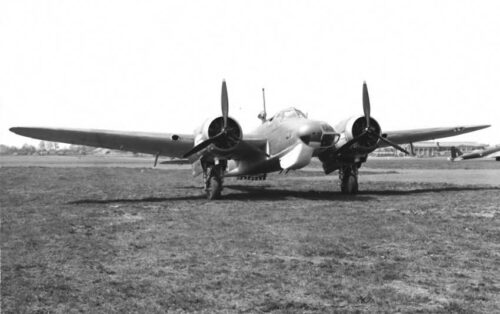
Bristol Blenheim 143
Armament on the Mk.I consisted of:
One forward‑firing .303 Browning in the port wing
One .303 Lewis (later Vickers VGO) gun in the dorsal turret
Up to 1,000 lb of bombs in the internal bay
The Blenheim’s “stepless cockpit”—a continuous glazed nose without a separate windscreen—was advanced for its time but contributed to cramped ergonomics and limited visibility.
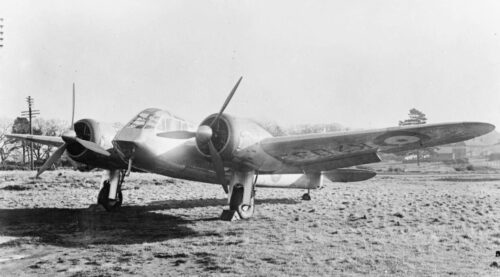
Bristol 142
Performance Characteristics
The Blenheim Mk.I was initially faster than RAF biplane fighters, but by 1939, it had become obsolescent as fighters grew faster and more heavily armed.
Additional equipment added during service increased weight and reduced performance, eroding its early speed advantage.
Bristol Blenheim 142
Typical Mk.IV performance figures included the following:
Maximum speed: ~266 mph at 11,800 ft
Range: ~1,460 miles
Service ceiling: ~27,000 ft
Crew: 3
These figures made the Blenheim adequate for early‑war reconnaissance and light bombing but increasingly vulnerable in daylight operations.
Bristol Bisley Mk II
Variants and Evolution
The Blenheim family expanded into numerous variants as Bristol attempted to improve range, armament, and survivability.
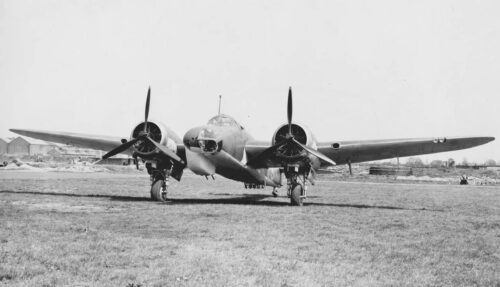
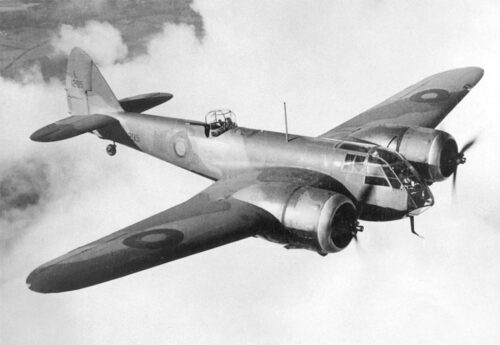
Bristol Blenheim Mk.I
Blenheim Mk.I (Type 142M)
The original production bomber, with a short nose and stepless cockpit.
Over 1,500 built.
Bristol Blenheim Mk.IF
Blenheim Mk.IF
A long‑range fighter conversion of the Mk.I, fitted with a ventral gun pack containing four .303 Brownings.
Later equipped with AI Mk.III/IV radar, becoming Britain’s first radar‑equipped night fighter.
Bristol Blenheim Mk.II
Blenheim Mk.II
A long‑range reconnaissance version with increased fuel capacity.
Only one built due to marginal performance gains.
Blenheim Mk.III
Prototype with a lengthened nose and improved bomb-aiming position, forming the basis of the Mk.IV.
Blenheim Mk.IV (Type 149)
The major improved variant has the following:
Extended nose
More powerful Mercury XV engines
Twin‑gun dorsal turret
Optional under‑nose remotely fired guns
Additional fuel capacity
Over 3,300 Mk.IVs were produced, making it the most numerous Blenheim variant.
Blenheim Mk.IVF
A fighter version of the Mk.IV, again using the four‑gun ventral pack.
Bristol Bisley Mk.I
Blenheim Mk.V (Bisley / Type 160)
A heavily modified ground‑attack version with the following:
Armoured nose
Strengthened structure
Mercury XV or XXV engines
Optional solid gun nose or bomb-aimer nose
Used mainly in the Middle East and Far East.
Bristol Bolingbroke Mk.I
Bolingbroke (Canadian production)
Fairchild Canada built a coastal‑reconnaissance derivative with numerous improvements, including better navigation equipment and extended range.
Many Bolingbrokes later served as trainers.
Bristol Bolingbroke Mk.IV
Operational History in World War II
Early War and the Fall of France
At the outbreak of war, Blenheims equipped two home squadrons and eleven overseas squadrons across the Empire.
On 3 September 1939, a Blenheim Mk.IV conducted the first British wartime reconnaissance flight over Germany.
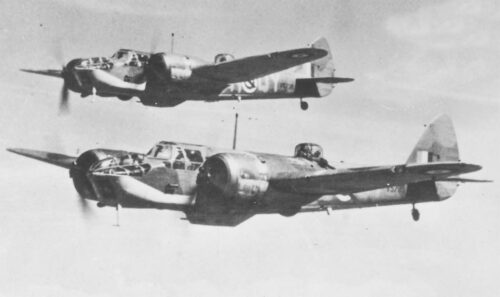
Bristol Blenheim Mk.V
Early bombing raids suffered heavy losses.
During the Battle of France, Blenheims were used extensively for daylight attacks, often against heavily defended targets.
On 14 May 1940, a combined force of Battles and Blenheims lost 40 of 71 aircraft, the worst proportional loss in RAF history.
Bristol Bolingbroke Mk.IV
Home Defence and the Battle of Britain
Blenheims continued daylight and night raids against occupied airfields.
Some missions suffered catastrophic losses, such as the 13 August 1940 Aalborg raid, where 11 of 12 attacking Blenheims were shot down.
As night fighters, radar‑equipped Blenheims achieved early successes, including the first radar‑assisted interception of a German bomber on 2–3 July 1940.
Bristol Bolingbroke Mk.IV
Mediterranean and Middle East
Blenheims were heavily used in North Africa for anti‑shipping strikes, reconnaissance, and bombing.
They participated in the first RAF attacks on Italian forces on 11 June 1940.
Malta‑based Blenheims endured intense combat, and many squadrons were later absorbed into Western Desert operations.
Bristol Blenheim Mk.V
Far East and Pacific
Blenheims fought in Malaya, Singapore, Burma, and the Dutch East Indies, suffering severe losses against modern Japanese fighters.
Despite this, they contributed significantly to early defensive efforts.
A notable action occurred on 9 April 1942, when nine Blenheims attacked Admiral Nagumo’s carrier force—the first concerted Allied air attack on the Japanese main carrier group.
Four were shot down, but the attack demonstrated remarkable audacity.
Bristol Bolingbroke Mk.IV
Finnish Service
Finland was Blenheim’s largest foreign operator, acquiring aircraft both from Britain and through licensed production.
Finnish Blenheims flew over 3,000 missions during the Winter War, Continuation War, and Lapland War, losing 37 aircraft in combat.
Finnish modifications included deeper bomb bays and metric instrumentation.
The type remained in Finnish service until 1958, long after its RAF retirement.
Bristol Bisley Mk.II
Legacy
The Blenheim was a pioneering aircraft—fast, modern, and influential in the mid‑1930s.
Despite this, it served across nearly every theatre of the war in roles ranging from bomber and reconnaissance aircraft to night fighter and ground-attack platform.
Bristol Blenheim Mk.IV
Its lineage produced two major successors:
Bristol Beaufort (torpedo bomber)
Bristol Beaufighter (heavy fighter), one of the RAF’s most successful twin‑engine combat aircraft
Today, only one true Blenheim survives (in Finland), though several Canadian‑built Bolingbrokes remain preserved or restored.