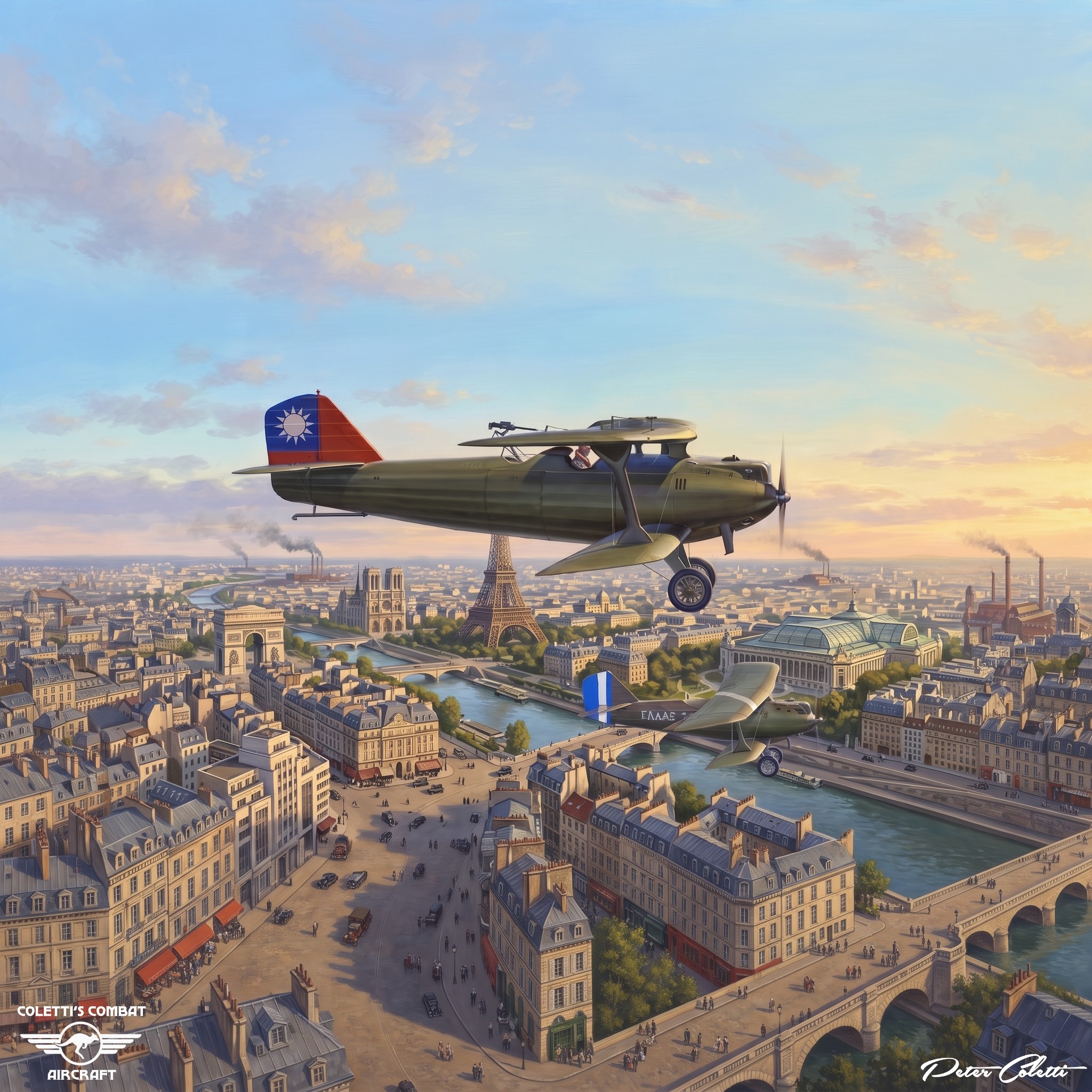
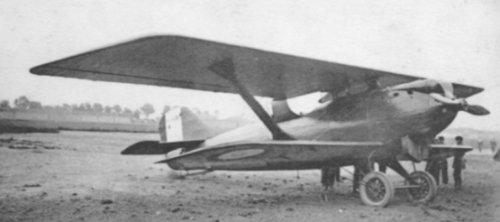
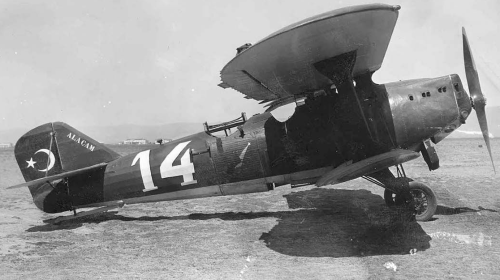
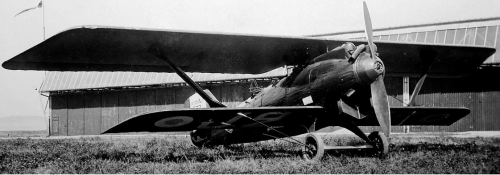
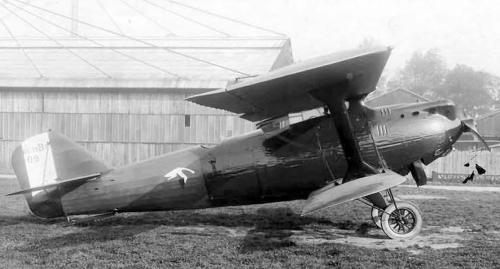
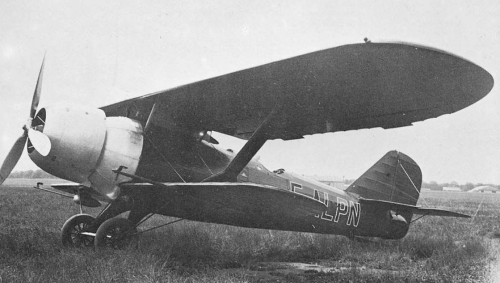
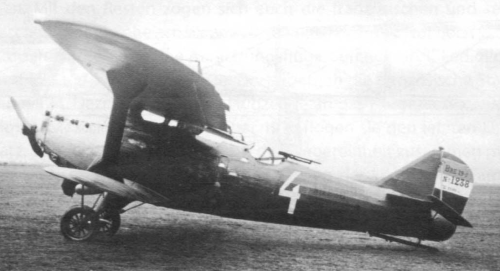
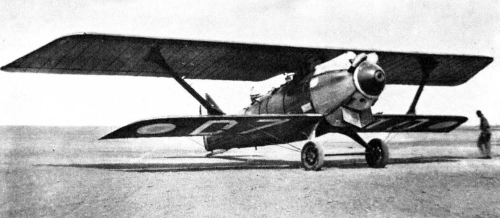
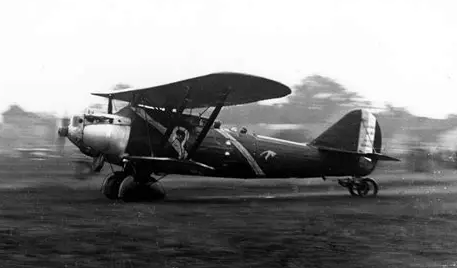
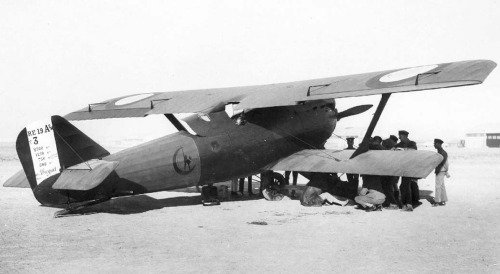
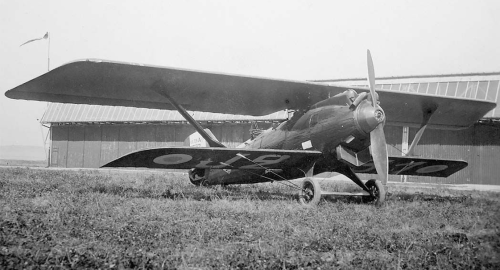
The Breguet 19 (Br.19, Br.XIX) emerged in the early 1920s as France sought a modern, fast, multi-role aircraft to replace wartime designs like the Breguet 14.
Louis Breguet’s firm aimed to produce a machine that combined high speed, long range, and structural strength, reflecting lessons learned from WWI and anticipating the needs of postwar military aviation.
Work began around 1922, with the prototype flying in late 1923.
The aircraft immediately impressed European air ministries: it was faster than most contemporary fighters, yet capable of carrying a meaningful bomb load.
This combination made it one of the most successful military aircraft of the interwar period.
By 1924, the Breguet 19 entered French service as both a light bomber and reconnaissance aircraft, quickly becoming a major export success.
Over the next decade, it was produced in large numbers for France, Spain, Yugoslavia, Greece, Turkey, China, Belgium, Romania, and several South American nations, among others.
Design and Construction
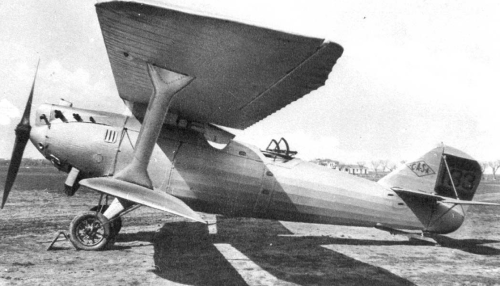
The Breguet 19 was a two‑seat biplane with a distinctive structural philosophy:
Airframe
Mixed construction:
A metal fuselage built around a duralumin frame, covered with fabric.
Metal wings with fabric covering.
This made the aircraft stronger and more durable than wood‑framed contemporaries while remaining relatively light.
Layout
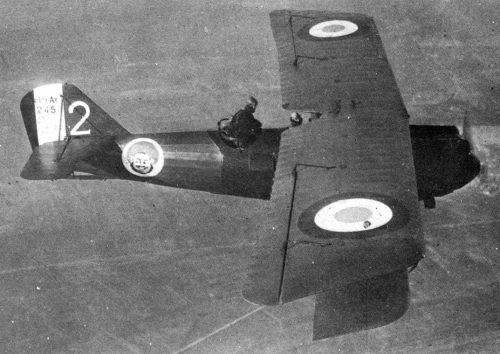
Conventional two‑bay biplane with unequal wingspan.
The pilot and observer/gunner sat in tandem open cockpits.
The rear cockpit included a flexible defensive machine gun mount.
Powerplant
The aircraft was designed to accept a wide range of engines, which contributed to its export success.
Common engines included:
Renault 12Kb V‑12
Hispano‑Suiza 12Hb V‑12
Lorraine‑Dietrich 12Db V‑12
Power outputs typically ranged from 450 to 600 hp, depending on the variant.
Undercarriage
Fixed, two‑wheel main gear with a tail skid.
Robust enough for rough airfields common in the 1920s and 1930s.
Armament
Forward‑firing machine gun for the pilot (synchronised).
Flexible rear machine gun for the observer.
Bomb load is typically up to 500 kg, depending on the mission and variant.
Performance
The Breguet 19’s performance was its most celebrated feature:
Maximum speed: ~230–250 km/h (varied by engine)
Range: ~900 km for standard versions
Ceiling: ~7,000 m
Endurance: Several hours, depending on load
These numbers made it one of the fastest military aircraft in the world upon introduction.
Its speed allowed it to outrun many fighters of the early 1920s, contributing to its reputation as a highly survivable reconnaissance platform.
Operational Use and Global Service
The Breguet 19 became one of the most widely used aircraft of the interwar period.
France
Served as a light bomber and reconnaissance aircraft throughout the 1920s and early 1930s.
Gradually replaced by more modern monoplanes by the mid‑1930s.
Spain
Produced under licence.
Extensively used by both sides during the Spanish Civil War, performing bombing, reconnaissance, and liaison missions.
Yugoslavia
Operated large numbers, including special long‑range variants used for record‑setting flights.
Greece, Turkey, Romania, Belgium, China, South America
Used for reconnaissance, bombing, training, and long‑distance diplomatic flights.
Many nations valued the aircraft’s reliability and ease of maintenance.
Record‑Setting Flights and Special Variants
The Breguet 19 gained worldwide fame through spectacular long‑distance flights.
Breguet 19 GR (“Grand Raid”)
A long‑range version with enlarged fuel tanks and aerodynamic refinements.
Used for:
Transcontinental flights
Diplomatic missions
Record attempts
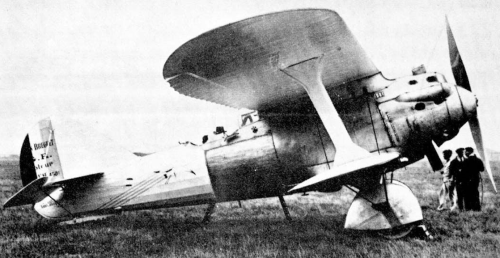
Breguet 19 TF (“Super Bidon”)
A heavily modified long‑range aircraft with:
Enormous fuel capacity
Streamlined fuselage
Extended wings
These aircraft set multiple world records for distance and endurance.
Famous flights included:
Costes and Le Brix’s 1927–1928 around‑the‑world journey (with segments by ship).
Costes and Bellonte’s 1930 westbound transatlantic flight from Paris to New York.
These achievements made the Breguet 19 a symbol of French aviation prowess.
Variant Overview
Main Military Variants
Br.19 A2 – Reconnaissance version
Br.19 B2 – Light bomber version
Br.19 CN2 – Night fighter variant
Br.19 GR – Long‑range “Grand Raid” version
Br.19 TF / Super Bidon – Extreme long‑range record aircraft
Licence‑Built Versions
Produced in:
Spain
Yugoslavia
Belgium
Turkey
These often used locally preferred engines and equipment.
World War II Context
By the outbreak of World War II, the Breguet 19 was obsolete, yet still present in several air forces.
France
Mostly retired before 1939.
A few remained in secondary roles (training, liaison).
Yugoslavia
Still operated a number of Br.19s in 1941.
Used for reconnaissance and liaison during the German invasion.
Suffered heavy losses due to vulnerability against modern fighters.
Greece
Employed Br.19s during the Greco‑Italian War (1940–1941).
Used for bombing and reconnaissance against Italian forces.
Many were destroyed in combat or on the ground.
Spain
After the Civil War, some remained in service with the postwar Spanish Air Force.
Not used in WWII combat but served into the early 1940s.
China and South America
Some aircraft remained in service in training or secondary roles.
Their combat value by 1939 was minimal.
In all theatres, the Breguet 19’s low speed, open cockpits, and biplane configuration made it completely outclassed by modern monoplanes.
Nevertheless, crews often used it bravely in reconnaissance and harassment missions where no alternatives existed.
Legacy
The Breguet 19 stands as one of the defining military aircraft of the interwar period.
Its legacy includes:
Pioneering metal‑frame construction in mass‑produced military aircraft.
Serving as a backbone of French and many foreign air forces for over a decade.
Achieving global fame through record‑breaking long‑distance flights.
Demonstrating the transitional phase between WWI biplanes and modern WWII monoplanes.
Although obsolete by WWII, its influence on aircraft design and international aviation history is undeniable.