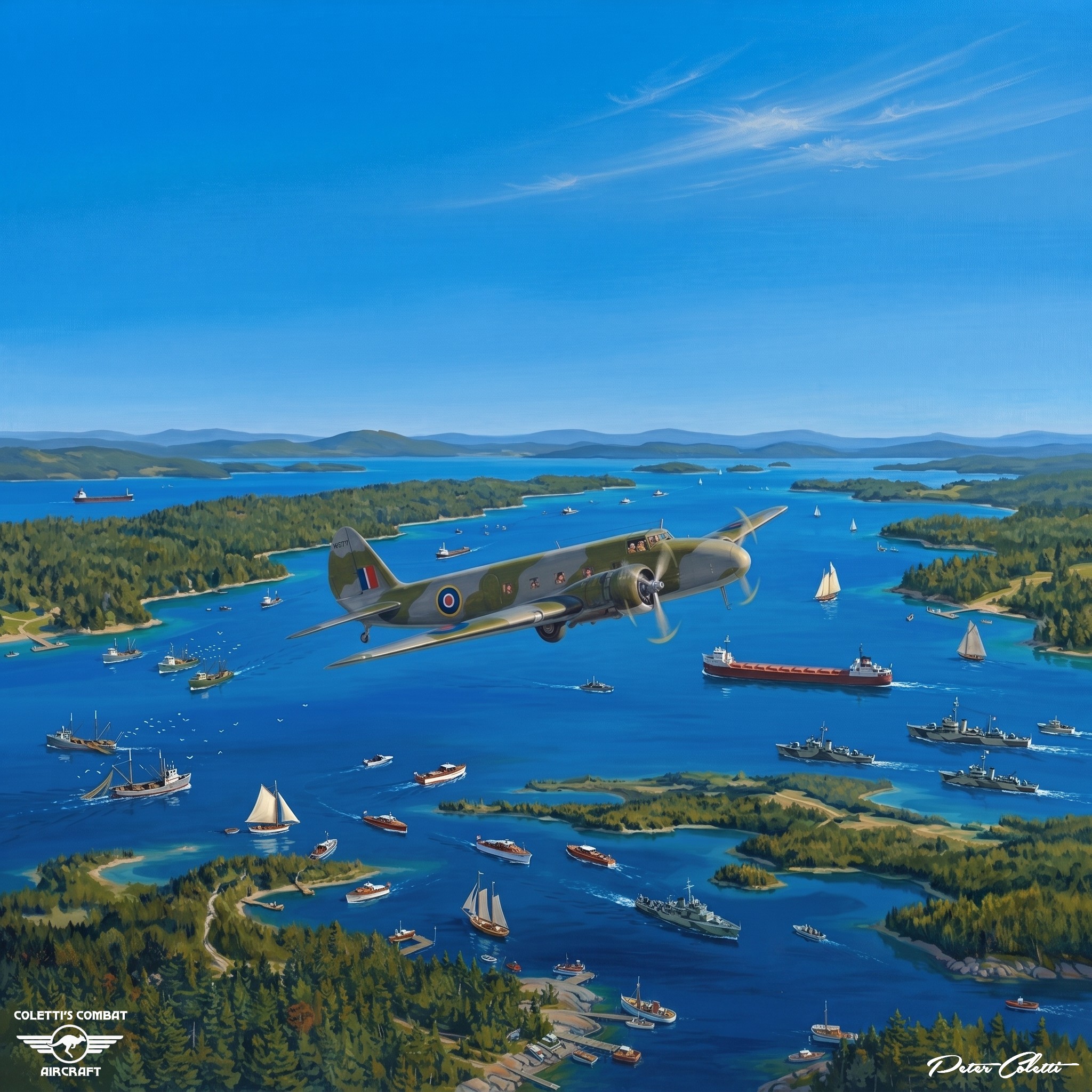
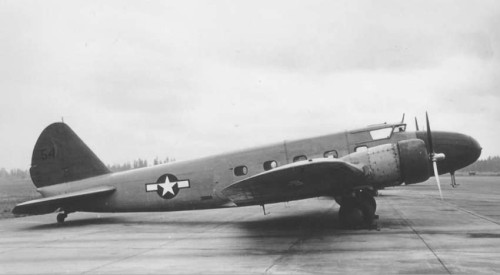
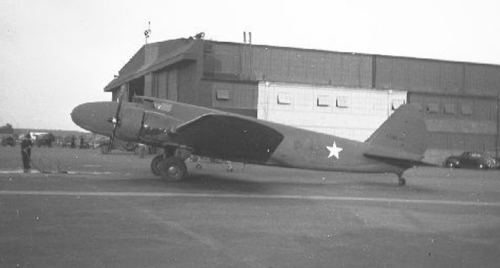
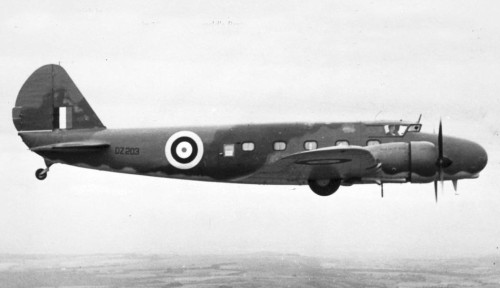
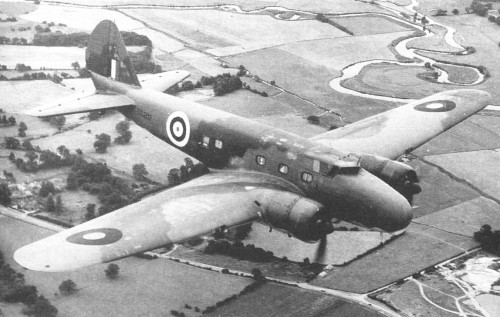
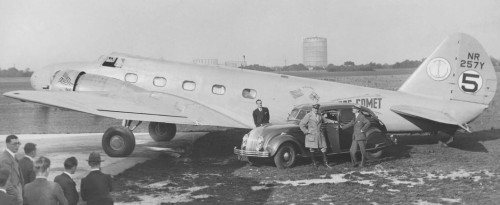
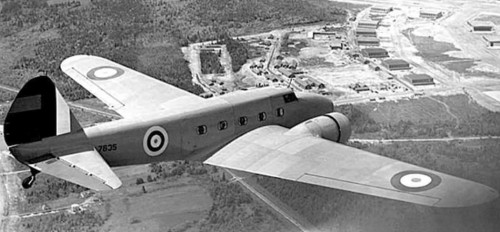
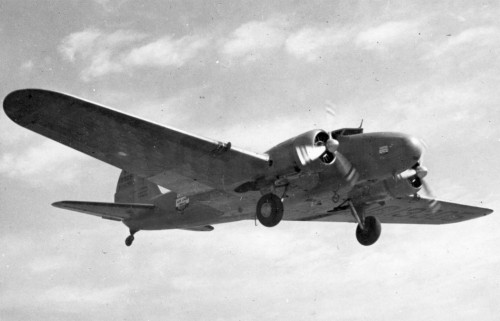
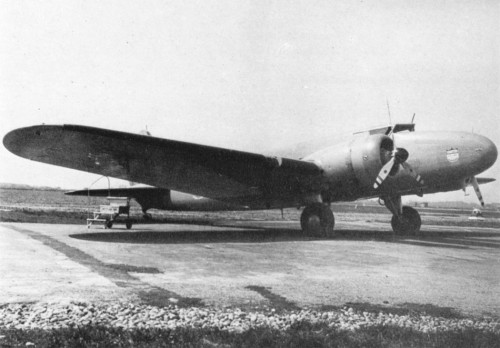
The Boeing Model 247 emerged in the early 1930s as one of the first truly modern airliners.
At a time when most commercial aircraft were still fabric‑covered biplanes or high‑drag metal monoplanes, Boeing sought to create a fast, efficient, all‑metal transport that would give United Air Lines—then owned by Boeing—a decisive competitive advantage.
The result, first flown in 1933, was a pioneering twin‑engine monoplane that introduced a suite of innovations: a stressed‑skin metal fuselage, a cantilever low wing, retractable landing gear, and a clean aerodynamic profile that set the pattern for all subsequent airliners.
The Model 247 was so advanced that it immediately rendered contemporary designs obsolete.
Its cruise speed exceeded the top speed of many fighters of the early 1930s, and its integrated design philosophy—treating the aircraft as a unified aerodynamic system rather than a collection of parts—became the new standard for the industry.
Although the 247 was quickly overshadowed commercially by the larger and more flexible Douglas DC‑2 and DC‑3, it remained an important technological milestone.
By the late 1930s, surviving 247Ds continued to serve on U.S. domestic routes, and it was these aircraft that would later form the basis of the military C‑73 designation.
Transition to Military Use
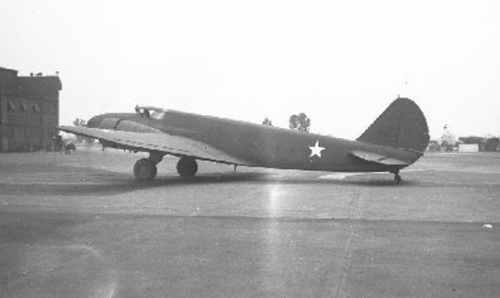
When the United States entered World War II in December 1941, the Army Air Forces urgently needed light transports for personnel movement, courier duties, and training.
Twenty‑seven Boeing 247D aircraft still in airline service were requisitioned and impressed into military use under the designation C‑73. This figure—27 aircraft—is confirmed in your active tab’s content.
These aircraft were not heavily modified; the Army valued them for their reliability, speed, and suitability for short‑haul transport.
They were used primarily for:
Transporting aircrews and technical personnel
General utility and liaison flights
Training duties, including multi‑engine familiarisation
The C‑73s filled a niche role during the early war years, when the U.S. military was rapidly expanding and needed every available airframe.
By late 1944, as purpose‑built transports like the C‑47 and C‑46 became abundant, the C‑73s were declared surplus and returned to civilian airlines.
Design and Construction
The Boeing 247’s design was revolutionary for its time and remained fundamentally unchanged in the C‑73 military version.
Airframe
All‑metal, semi‑monocoque fuselage: Provided strength and aerodynamic smoothness.
Cantilever low wing: Eliminated drag-producing struts and wires.
Retractable landing gear: A major innovation in 1933, reducing drag and increasing speed.
Enclosed cockpit and cabin: Improved crew comfort and operational efficiency.
Crew and Cabin
The C‑73 retained the civilian configuration of the following:
Crew of 3 (pilot, co‑pilot, and cabin attendant or radio operator)
Capacity for 10 passengers or equivalent cargo load
Engines
The military C‑73s were powered by:
Two Pratt & Whitney R‑1340‑AN‑1 Wasp radial engines, each producing 600 hp
The R‑1340 was a proven, rugged engine widely used in trainers and transports, contributing to the C‑73’s reliability.
Flight Characteristics
The 247/C‑73 was known for:
Stable handling
Good single‑engine performance for its era
High cruise speed relative to earlier transports
Efficient climb and ceiling characteristics
Its aerodynamic cleanliness made it a favourite among pilots accustomed to slower, drag‑heavy designs.
Technical Specifications (C‑73)
All values below are drawn from your open tab’s performance section.
Wingspan: 22.56 m
Length: 15.72 m
Height: 3.60 m
Wing area: 77.66 m²
Weights
Empty weight: 4,148 kg
Normal takeoff weight: 6,192 kg
Powerplant
2 × Pratt & Whitney R‑1340‑AN‑1 Wasp, 600 hp each
Performance
Maximum speed: 322 km/h
Cruising speed: 304 km/h
Range: 1,199 km
Service ceiling: 7,740 m
Crew: 3
Payload: 10 passengers
These numbers illustrate why the 247 was considered fast and efficient in the early 1930s, even if modest by WWII standards.
Variants
Boeing 247 (baseline model)
Initial production version for United Air Lines
Powered by early R‑1340 variants
Featured retractable landing gear and all‑metal construction
Boeing 247D
Improved engines and systems
Cleaner aerodynamics
Most surviving examples by 1941 were 247Ds.
All C‑73 aircraft were impressed by 247Ds.
C‑73
U.S. Army Air Forces designation for impressed 247Ds
No major structural changes
Used for personnel transport, training, and utility roles
No dedicated military production run existed; all C‑73s were civilian conversions.
Operational Context in World War II
The C‑73 served during a transitional period in U.S. military aviation.
When war broke out:
The U.S. lacked sufficient purpose‑built transports.
Civilian aircraft were impressed to fill immediate needs.
The C‑73 provided a stopgap capability for short‑range transport and training.
Its role diminished as the following:
The C‑47 Skytrain entered mass production.
Larger, more capable transports became available.
The U.S. industrial base surged in output.
By late 1944, the C‑73 was no longer needed and was returned to civilian service, as confirmed in your tab’s content.
Legacy
The Boeing 247’s significance lies not in its wartime service—where it played a modest, temporary role—but in its foundational impact on modern airliner design.
It introduced the template for all subsequent twin‑engine transports, influencing the DC‑2, DC‑3, and, ultimately, the entire lineage of postwar commercial aviation.
The C‑73 designation represents the aircraft’s brief but useful contribution to the U.S. war effort, demonstrating how even early‑1930s airliners could still serve effectively in auxiliary roles during the early years of WWII.