The Blackburn Shark emerged during a period of rapid evolution in British naval aviation.
In 1933, the British Air Ministry issued Specification S.15/33, calling for a new torpedo‑spotter‑reconnaissance (TSR) aircraft capable of operating from aircraft carriers, shipboard catapults, and land bases.
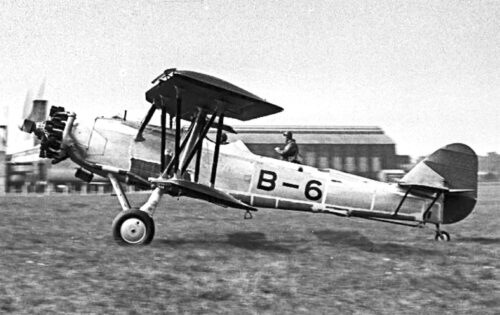
Blackburn responded with the B‑6, a private‑venture design that departed significantly from the company’s earlier biplanes.
It competed directly with Fairey’s TSR design, which would later evolve into the famous Swordfish.
The prototype Shark, powered by a 700 hp Armstrong Siddeley Tiger IV, made its maiden flight on 24 August 1933 at Brough.
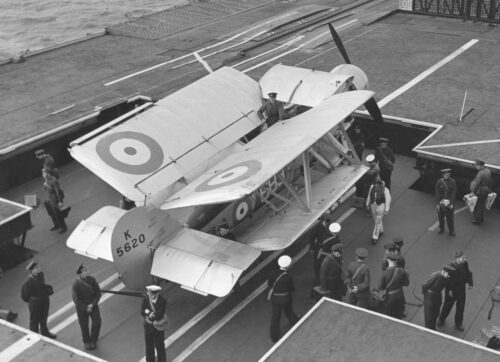
After initial trials, including deck‑landing tests aboard HMS Courageous, the aircraft demonstrated satisfactory handling and seaworthiness.
This led to an initial order for 16 production aircraft in August 1934.
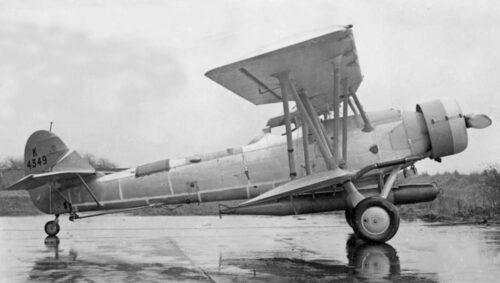
By late 1934, the type was officially named ‘Shark I’, incorporating refinements such as an extended engine cowling enclosing the exhaust collector ring.
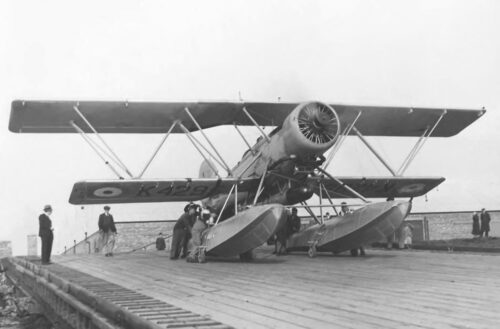
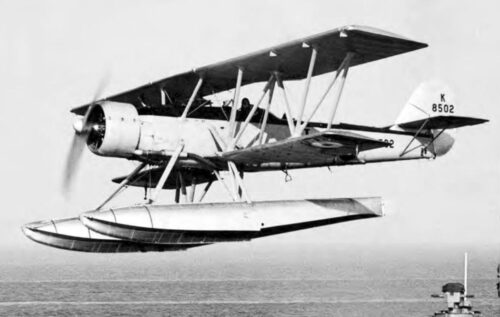
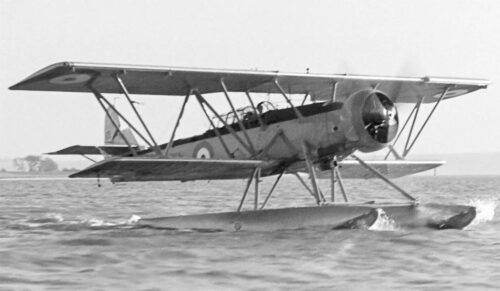
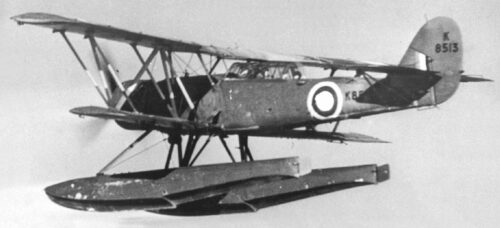
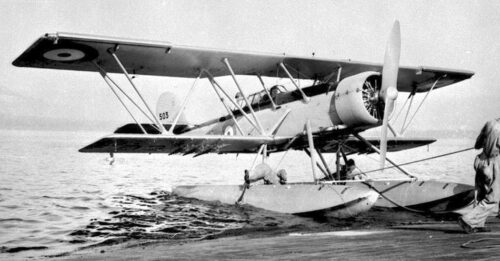
The design also needed to support floatplane operation, and the prototype was successfully tested on twin floats in 1935.
Production expanded rapidly under several contracts, and by the end of its run, 269 Sharks had been built across all marks.
Although the Shark was structurally advanced for a biplane, it was soon overshadowed by the simpler and more economical Fairey Swordfish, which absorbed much of the Fleet Air Arm’s pre‑war production capacity.
Technical Description
Airframe and Structure
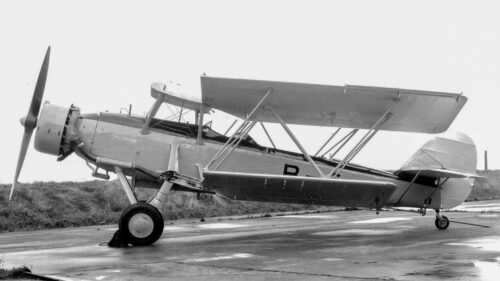
The Shark was a three‑seat, all‑metal biplane with a semi‑monocoque fuselage divided into three watertight compartments, providing buoyancy in emergency water landings.
The structure used duralumin with anti‑corrosion treatment, stainless‑steel spars, and fabric‑covered flying surfaces.
The tail unit was similarly constructed, with a modest fin and a large-area rudder for improved control at low speeds.
Wings and Folding Mechanism
The biplane wings were built in three sections (centre, port, and starboard) and could be folded rearwards along the fuselage.
Blackburn introduced a pneumatic wing‑folding system, a significant innovation that simplified deck handling.
The upper wing carried leading‑edge slats to improve low‑speed stability, while ailerons were fitted to both upper and lower wings.
Crew Arrangement and Equipment
The Shark typically carried two or three crew members:
Pilot in the forward cockpit
Observer / wireless operator in the centre
Rear gunner in the aft cockpit
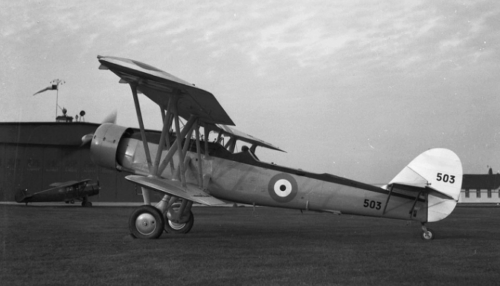
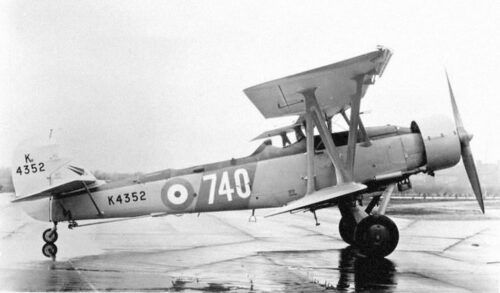
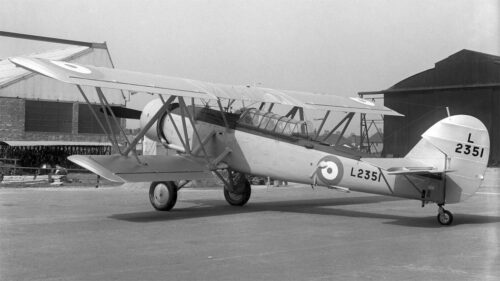
Early versions had fully open cockpits; the Shark III introduced a glazed canopy for the pilot and observer, though the gunner remained in an open position.
Equipment included radio gear, photographic reconnaissance equipment, and a prone bombing position with a watertight hatch and course‑setting bombsight.
Powerplant
The Shark was powered by successive versions of the Armstrong Siddeley Tiger radial engine:
Tiger IV (700 hp) — Shark I
Tiger VI / VIC (760 hp) — Shark II / IIA
The Shark III adopted the more powerful 800 hp Bristol Pegasus III, paired with a three‑bladed metal propeller.
Fuel was carried in two forward fuselage tanks (722–770 L depending on the mark), with provision for auxiliary tanks, including a large ventral tank for Portuguese aircraft.
Landing Gear
The aircraft could be fitted with:
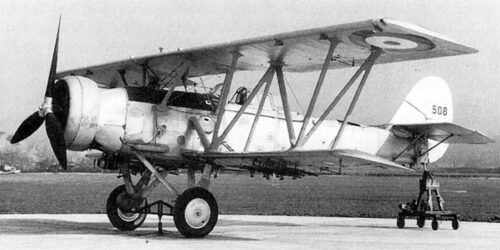
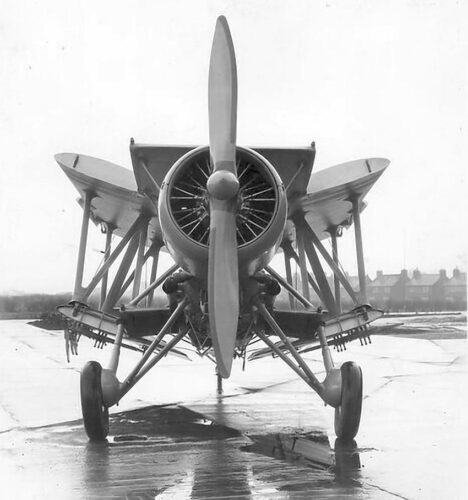
Conventional wheeled undercarriage,
or
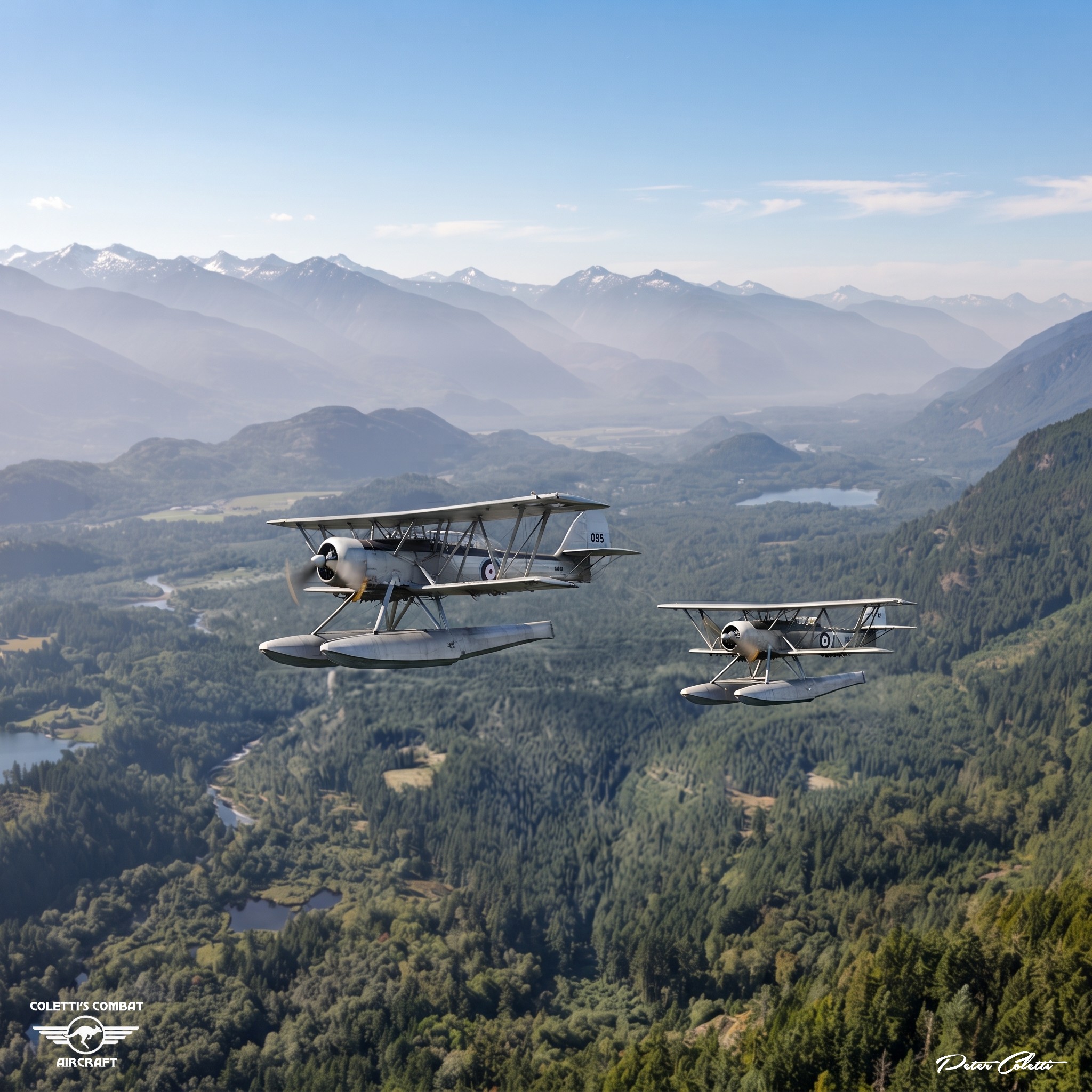
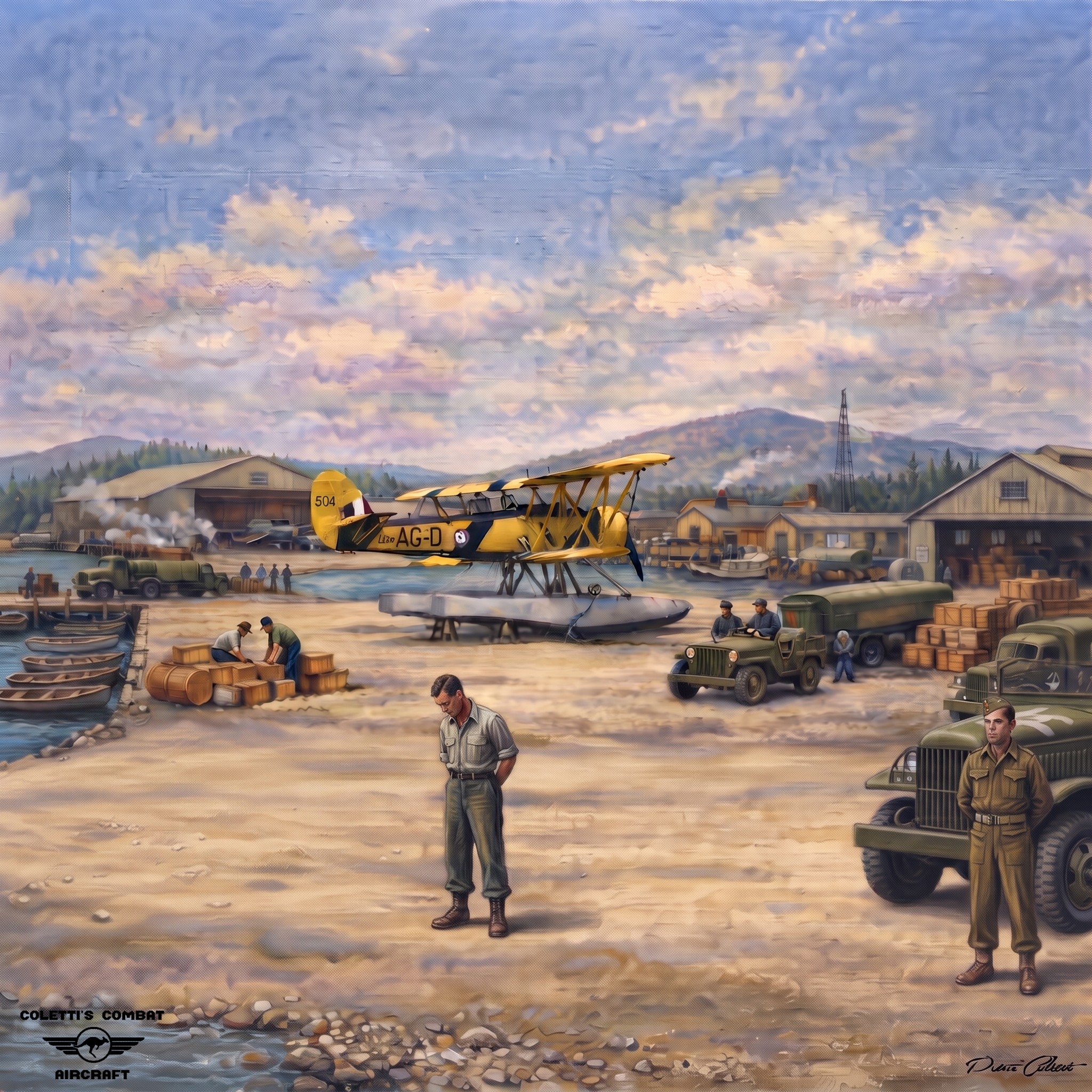
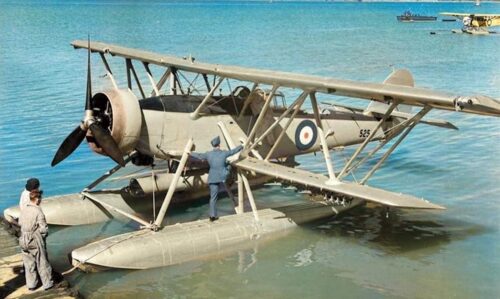
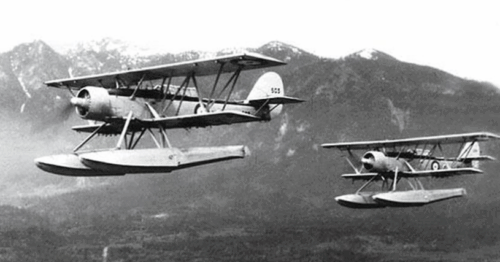
Twin all-metal floats, each divided into four watertight compartments and equipped with water rudders.
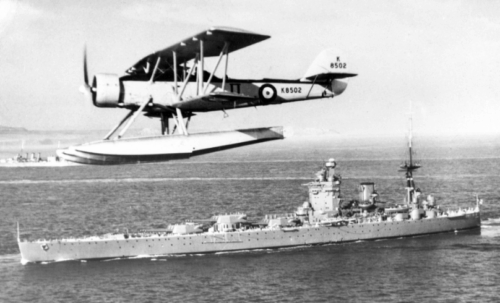
This versatility allowed operation from carriers, cruisers, battleships, and shore bases.
Armament and Stores
Standard armament included:
1 × fixed forward‑firing 7.7 mm Vickers
1 × flexible 7.7 mm Lewis
or
Vickers K in the rear cockpit
External store capacity:
1 × 18‑inch torpedo,
or
Up to 800–907 kg of bombs on wing and fuselage racks.
Performance (Shark II)
Maximum speed: 241 km/h (150 mph)
Cruise speed: 190 km/h (118 mph)
Range: 1,006 km (625 mi)
Service ceiling: 4,875 m (15,600 ft)
Rate of climb: 895 ft/min
Crew: 2–3
Normal takeoff weight: ~3,650 kg
These figures placed the Shark roughly on par with contemporary naval biplanes, though its engine reliability issues limited operational confidence.
Operational History
Fleet Air Arm
The Shark entered service in May 1935 with 820 Naval Air Squadron aboard HMS Courageous.
It subsequently equipped 810 and 821 Squadrons.
The type served both as a carrier aircraft and as a catapult‑launched seaplane aboard capital ships such as HMS Warspite and HMS Repulse.
Although seaworthy and stable, the Shark’s Tiger engines proved unreliable, and by 1937, it began to be replaced by the Fairey Swordfish.
Many sharks were reassigned to the following:
Observer training
Gunnery training
Target‑towing duties
Navigation schools
Twenty aircraft were converted to dedicated target tugs.
Combat Use
The Shark saw only limited frontline combat, but several notable actions occurred:
Dunkirk Evacuation (1940): Sharks dropped flares to illuminate German E‑boats during night operations.
Malaya (1942): Sharks based at RAF Seletar flew patrols and even bombing sorties against Japanese forces.
One Shark II carried four 115‑kg bombs on a successful attack mission on 22 January 1942.
Overseas Operators
Portugal
Portugal purchased six Shark IIA floatplanes in 1935 after an international competition.
They served in coastal defence roles from Lisbon and undertook long‑distance diplomatic flights to Britain.
Canada
Canada acquired seven Shark II aircraft in 1936, later supplemented by 17 Canadian‑built Shark IIIs produced under licence by Boeing Aircraft of Canada.
They served in maritime patrol roles on both coasts and were appreciated for their ruggedness and ease of maintenance.
Canadian Sharks remained in service until 1944.
Variants
B‑6 — Prototype.
Shark I — Initial production model; Tiger IV engine; convertible to floats.
Shark II — Improved model with Tiger VI; strengthened tail; most numerous.
Shark IIA — Portuguese floatplane version; Tiger VIC; modified fuel and radio systems.
Shark III — Training version with glazed canopy, dual controls, and Pegasus III engine.
Assessment and Legacy
The Blackburn Shark occupies a transitional place in British naval aviation history.
Technically advanced in structure and handling, it nonetheless suffered from engine reliability problems and entered service just as the simpler, more robust Swordfish proved superior in frontline roles.
Despite limited combat use, the Shark played a vital role as a training aircraft, preparing the Fleet Air Arm’s observers, navigators, and gunners for wartime service.
Its international use in Portugal and Canada further demonstrates its adaptability and seaworthiness.
The last Sharks were retired in 1945, closing the chapter on Blackburn’s line of biplane torpedo aircraft.