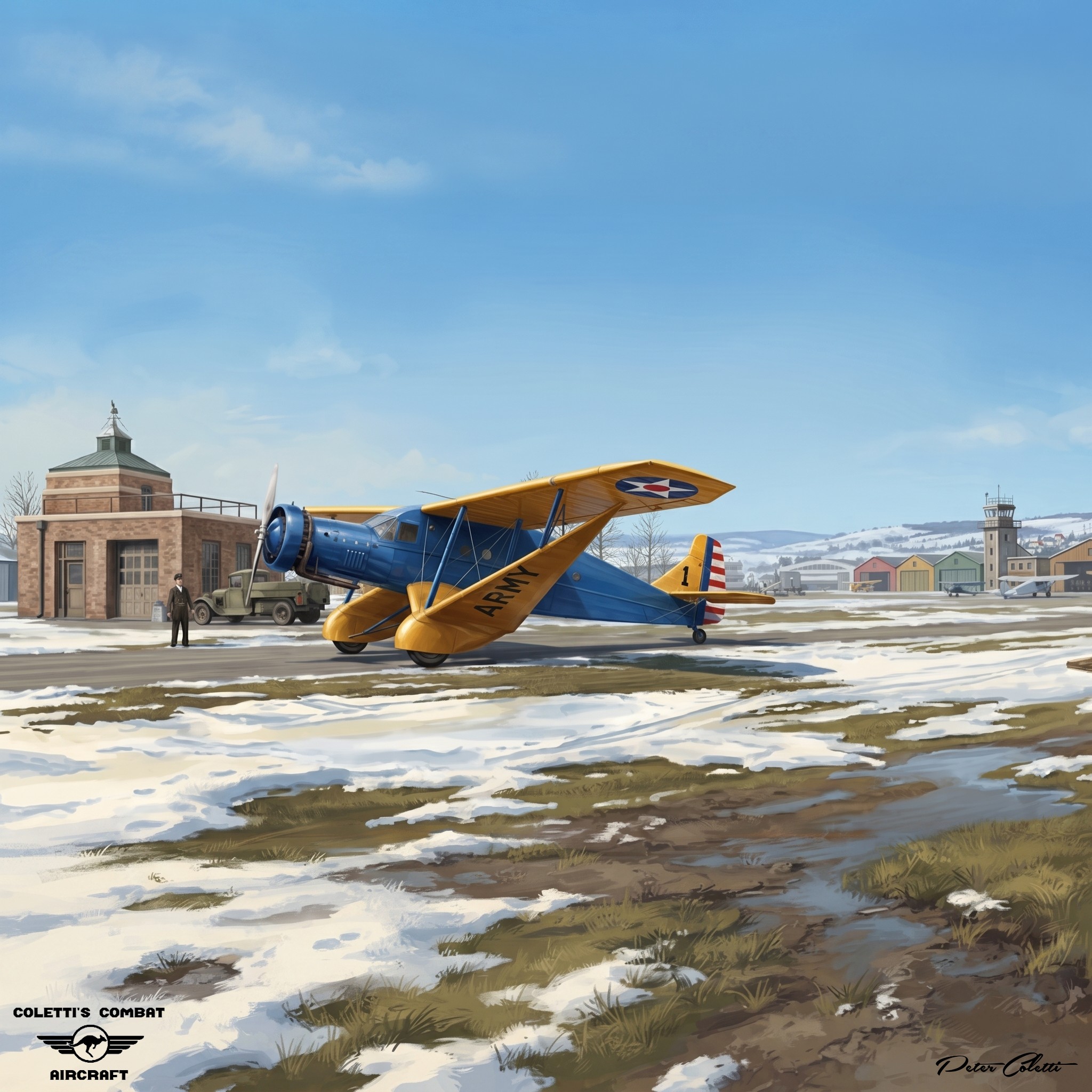
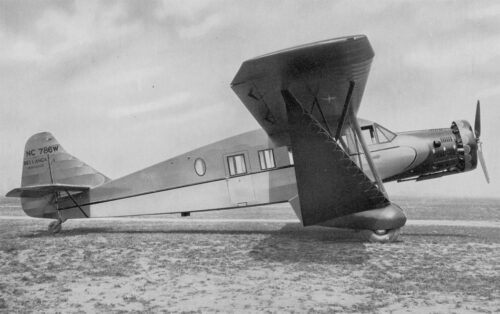
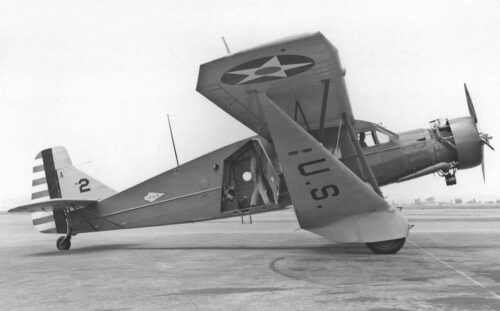
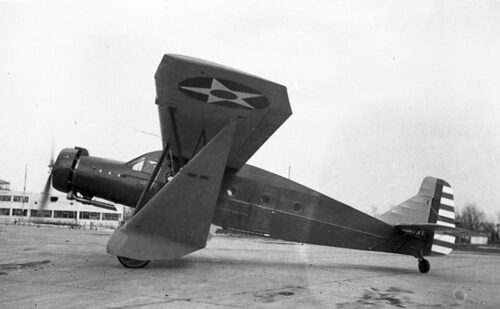
The Bellanca Aircruiser—known in its earlier forms as the Bellanca Airbus—emerged from the design philosophy of Giuseppe Mario Bellanca, an engineer renowned for extracting exceptional aerodynamic efficiency from relatively simple airframes.
Conceived at the dawn of the 1930s, the Airbus line was intended to provide a rugged, economical, and high‑capacity transport aircraft for commercial operators in an era when most airliners were still multi‑engine biplanes or early monoplanes.
The first prototype, the Bellanca P‑100, flew in 1930.
It was a bold design: a high-wing, single-engine monoplane capable of carrying 12–14 passengers, later up to 15, depending on interior configuration.
P-200
Bellanca’s emphasis on aerodynamic cleanliness and structural efficiency produced an aircraft that was unusually economical.
A long‑distance demonstration flight by test pilot George Haldeman covered 4,400 miles in 35 hours, achieving an operating cost of eight cents per mile, a remarkable figure for the time.
Despite its efficiency, the P‑100’s water‑cooled Curtiss Conqueror engine proved commercially unattractive, prompting Bellanca to redesign the aircraft around more reliable air‑cooled radial engines.
This led to the P‑200, P‑300, and ultimately the Aircruiser, each iteration refining payload, reliability, and operational flexibility.
By the mid‑1930s, the Aircruiser had matured into one of the most capable single‑engine transports ever built—so capable, in fact, that it could carry a useful load greater than its empty weight, a rare achievement for any aircraft of the era.
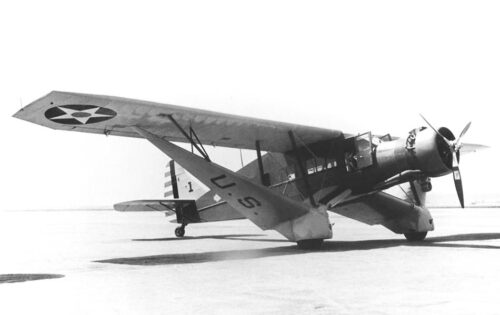
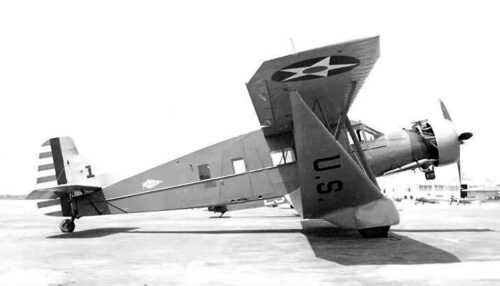
Y1C-27
Design Characteristics
Airframe and Configuration
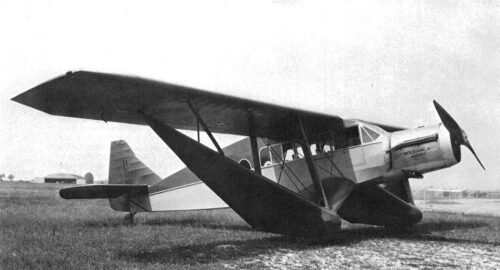
The Aircruiser retained Bellanca’s signature high‑wing, strut‑braced monoplane configuration.
This arrangement provided:
Excellent visibility for pilots
Stable low-speed handling
A large, unobstructed cabin
High ground clearance for rough-field operations
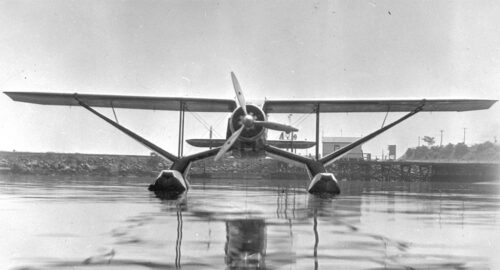
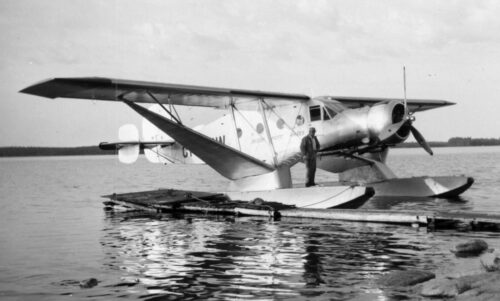
The aircraft featured fixed conventional landing gear but could also be fitted with floats or skis, making it adaptable to remote regions and seasonal operations.
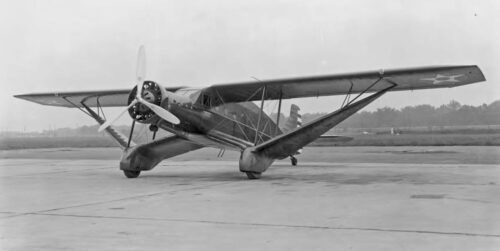
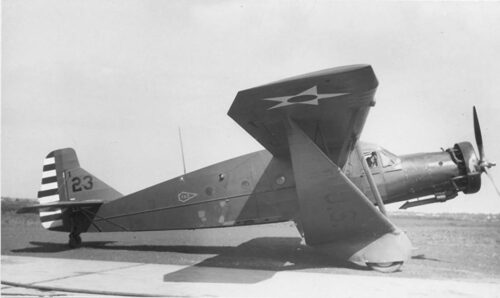
C-27B
Construction
Bellanca used a combination of the following:
Steel‑tube fuselage with fabric covering
Wooden wings with plywood skinning
Robust internal bracing optimised for heavy payloads
This hybrid construction kept weight low while maintaining structural strength – one of the reasons the AirCruiser excelled in freight operations.
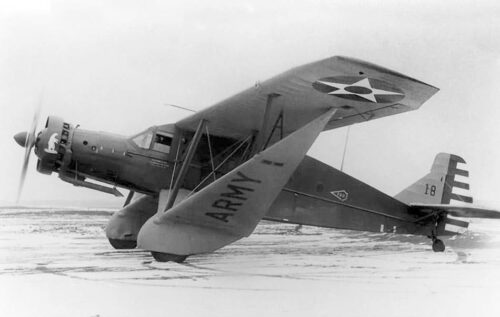
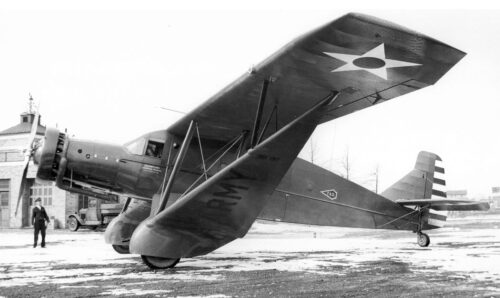
C-27C
Powerplants
Across its variants, the Aircruiser line used several engines, most notably the following:
Pratt & Whitney R‑1860 Hornet (P‑series Airbuses)
Wright R‑1820 Cyclone (Aircruiser series)
The definitive Aircruiser models used supercharged Cyclone radials producing 675–850 hp, depending on the variant.
Y1C-27
Cabin and Payload
The cabin could be configured for:
Passenger service (up to 15 seats)
Mixed passenger/cargo
Pure freight operations
The Aircruiser’s hallmark was its exceptional payload capacity.
In the mid‑1930s it could haul 4,000 lb at 145–155 mph, a performance unmatched by contemporary multi‑engine transports like the Ford Trimotor or Fokker F‑10.
C-27C
Performance
(Aircruiser 66‑70 model)
Maximum speed: 165 mph (144 knots)
Range: 700 miles
Service ceiling: 22,000 ft
Engine: Wright R‑1820 Cyclone, 710 hp
Gross weight: 10,000 lb
Empty weight: 6,072 lb
Wingspan: 65 ft
Wing area: 520 sq ft
These figures underscore the aircraft’s efficiency: a single‑engine transport with the payload and range of many twin‑engine competitors.
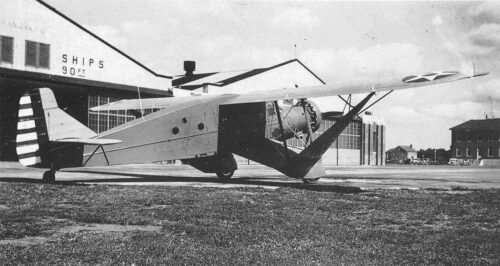
C-27A
Operational History
Commercial Use
The Bellanca Airbus and Aircruiser found early employment with small U.S. operators, including New York and Suburban Airlines, which used float‑equipped P‑200s for ferry service between Wall Street and the East River.
However, the aircraft’s greatest commercial success came in Canada, where its ruggedness and payload made it ideal for the following:
Remote mining operations
Supply flights to isolated camps
Heavy freight hauling
Mixed passenger‑cargo missions
Canadian operators such as Canadian Pacific Airlines, Central Northern Airways, and Mackenzie Air Service relied heavily on the type.
In Canada, the Aircruiser earned the nickname “the Flying W”, referencing the distinctive shape of its strut arrangement.
Some Aircruisers remained in commercial service into the 1970s, a testament to their durability and utility.
C-27C
Military Use
The U.S. Army Air Corps evaluated and operated several Airbuses under the designations
Y1C‑27 (four aircraft)
C‑27A, C‑27B, C‑27C (production and re‑engined variants)
These aircraft served primarily as transports and utility aircraft during the early 1930s.
Regulatory Impact and Decline
In 1934, US federal regulations prohibited single-engine transports from operating on US airline routes, effectively eliminating the Aircruiser’s domestic commercial market.
This regulatory shift, rather than any technical shortcoming, curtailed further production.
Only 23 aircraft of all Airbus/Aircruiser variants were built.
Variant Overview
C-27A
Airbus Series P‑100 – 14-passenger prototype with Curtiss Conqueror engine
P‑200 – 12-passenger model; nine built
P‑300 – 15‑seat version with Wright Cyclone
Y1C‑27 – Four P‑200s for USAAC
C‑27A/B/C – Production and re‑engined military variants with Hornet or Cyclone engines
Aircruiser 66-75
Aircruiser Series
66‑67 – Improved P‑200 with 675 hp Cyclone
66‑70 – 710 hp Cyclone; five built for Canada
66–75 – 730 hp Cyclone
66‑76 – Cargo‑optimised version
66‑80 – 850 hp Cyclone, highest‑powered variant
C-27A
World War II Context
Although the Aircruiser was not produced in large numbers and was already a mature design by the outbreak of WWII, it played several roles:
U.S. Army Air Corps Transport
The C‑27 series served as light transports and utility aircraft during the pre-war and early-war periods.
Their small numbers limited their strategic impact, but they contributed to routine logistics and personnel movement.
Aircruiser 66-75
Canadian Wartime Logistics
In Canada, aircrews continued operating in remote regions throughout the war years.
Their ability to carry heavy loads into short, rough fields made them valuable for the following:
Wartime mining operations
Northern infrastructure support
Transport of strategic materials
Indirect Influence
The Aircruiser demonstrated that a well‑designed single‑engine aircraft could rival multi‑engine transports in payload and efficiency.
This concept influenced later bush planes and utility transports, particularly in Canada and Alaska.
P-100
Conclusion
The Bellanca Aircruiser and its Airbus predecessors stand as remarkable achievements in early transport aviation.
Combining aerodynamic efficiency, structural ingenuity, and exceptional payload capability, they outperformed many contemporary multi‑engine designs and became legendary in Canadian bush operations.
Although regulatory changes curtailed their commercial potential in the United States, their legacy endures through their influence on later utility aircraft and their celebrated service in some of the harshest flying environments in the world.