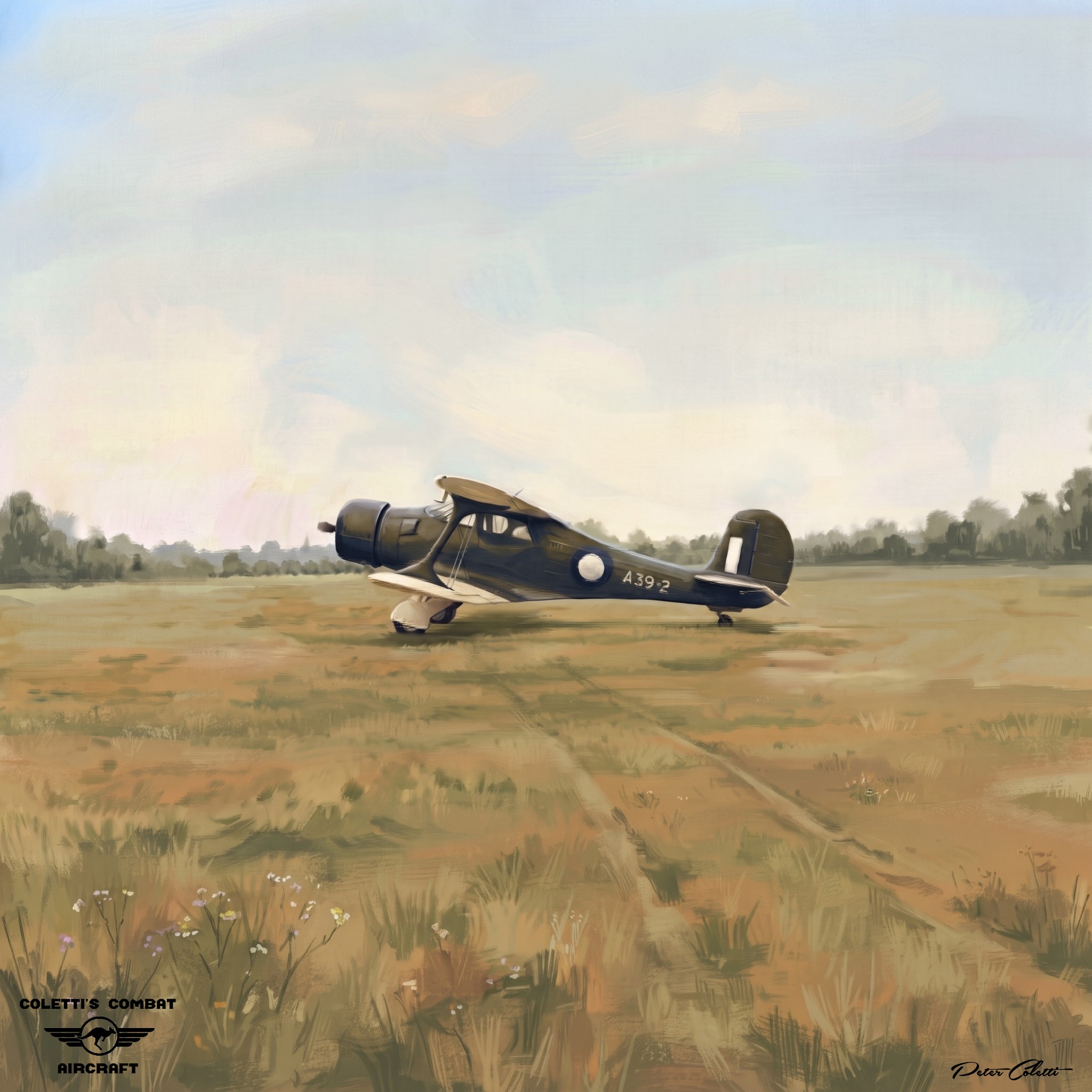
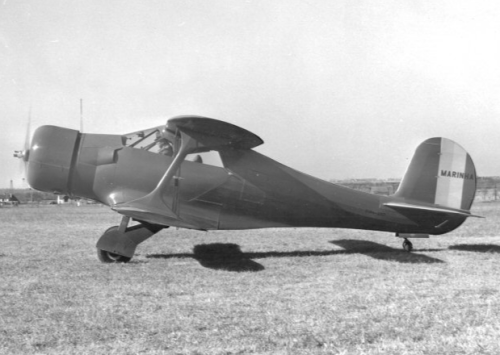
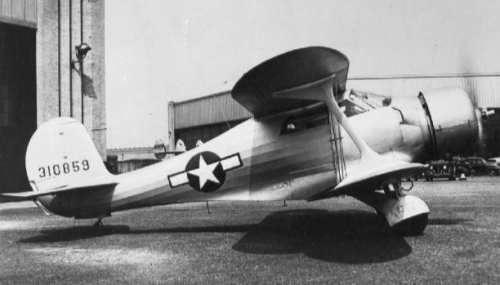
The Beechcraft Model 17, universally known as the Staggerwing, emerged during one of the most unlikely periods for an ambitious new aircraft: the depths of the Great Depression.
Walter H. Beech, who recently departed from Curtiss‑Wright, founded the Beech Aircraft Company in Wichita, Kansas, in 1932.
His goal was bold—create the world’s finest executive aircraft, a fast, luxurious machine aimed at business leaders who still needed to travel despite the economic downturn.
The design team, led by T.A. “Ted” Wells, pursued performance and refinement rather than economy.
The result was a radical biplane that defied the era’s trend towards monoplanes.
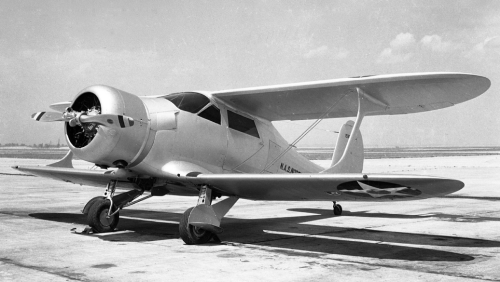
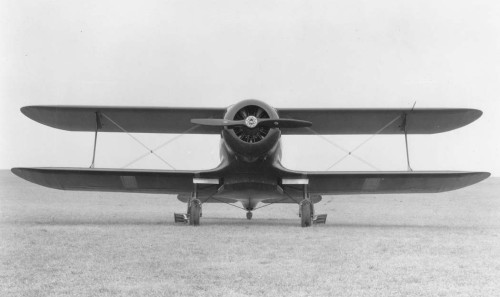
The Staggerwing’s most distinctive feature—its negative wing stagger, with the lower wing positioned forward of the upper—was chosen to improve pilot visibility, reduce interference drag, and enhance stall behaviour.
This configuration gave the aircraft its enduring nickname.
The prototype first flew on November 4, 1932, demonstrating exceptional speed and handling.
Early production models required refinement, particularly in landing gear reliability and structural strength, but the aircraft quickly matured into one of the most prestigious civil transports of the 1930s.
Design and Construction
The Staggerwing combined traditional craftsmanship with advanced aerodynamics.
Its structure was a hybrid of a steel‑tube fuselage, wooden wings, and fabric covering, executed to a high standard of fit and finish.
Airframe
Fuselage: Welded steel‑tube truss, faired to an oval cross‑section and fabric‑covered.
The cabin was fully enclosed, sound-insulated, and furnished to executive standards.
Wings: Two‑bay biplane layout with unequal span and the characteristic negative stagger.
The wooden wings were built around spruce spars and plywood ribs.
Landing Gear: Fully retractable main gear—an advanced feature for a biplane—retracting rearward into streamlined fairings.
A tailwheel was fitted, later steerable on some variants.
Cockpit and Cabin The Staggerwing was designed as a pilot‑plus‑passengers aircraft, typically seating four or five.
The cabin featured:
Leather upholstery
Generous glazing
Heating and ventilation
Optional executive desks or radio equipment
The cockpit was well‑equipped for long‑distance travel, with a comprehensive instrument panel and, in later variants, modern navigation radios.
Powerplant
The Staggerwing family used a range of Pratt & Whitney and Wright radial engines, typically in the 300–450 hp class.
These engines gave the aircraft exceptional climb and cruise performance for its time.
Performance Characteristics
The Staggerwing was one of the fastest civil aircraft of the 1930s, often outperforming contemporary military fighters in straight‑line speed.
Typical performance (varies by variant):
Maximum speed: 200–240 mph (320–385 km/h)
Cruise speed: 180–210 mph (290–340 km/h)
Range: 600–1,000 miles (965–1,600 km) depending on fuel load
Service ceiling: 20,000+ ft (6,100+ m)
The combination of retractable landing gear, clean aerodynamic lines, and powerful radial engines made the Staggerwing a standout performer.
Its handling was stable and predictable, though its high landing speed and tailwheel configuration demanded skill from pilots.
Civil Use and Reputation
Throughout the 1930s, the Staggerwing became the aircraft of choice for wealthy industrialists, air-racing competitors, and long-distance record-setters.
Notable achievements included:
Louise Thaden and Blanche Noyes winning the 1936 Bendix Trophy Race in a C17R.
Multiple speed and distance records set by both male and female pilots.
The aircraft’s combination of speed, comfort, and prestige made it the “executive aircraft” of its era.
World War II Service
With the outbreak of the Second World War, the Staggerwing’s capabilities attracted military interest.
Several nations impressed or purchased aircraft for liaison, courier, and personnel transport duties.
United States
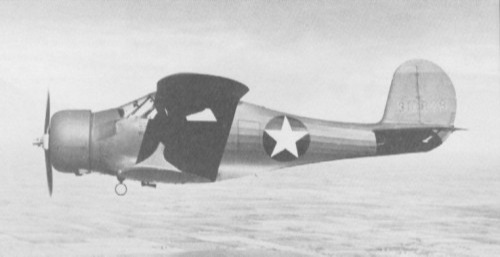
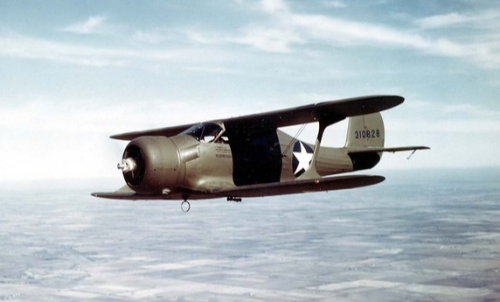
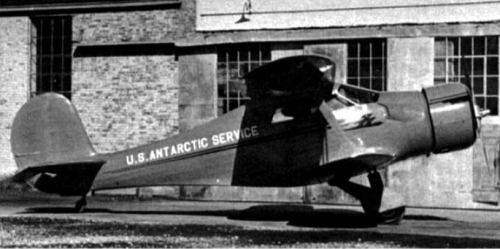
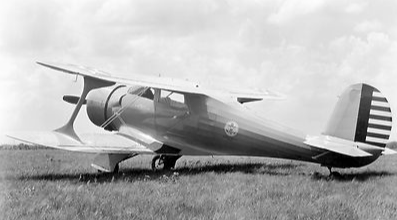
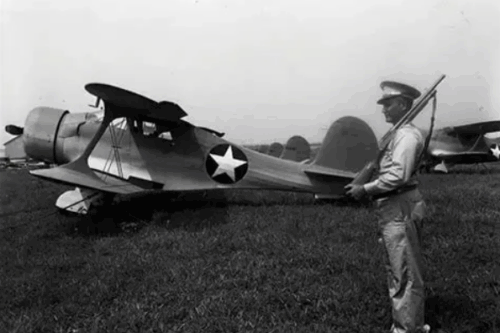
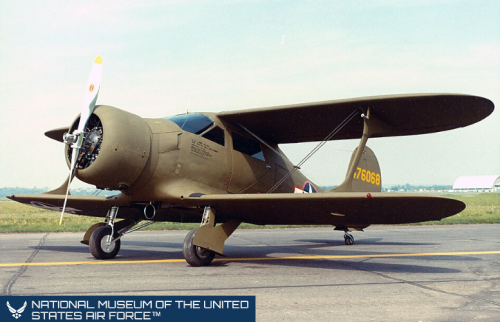
The U.S. Army Air Forces designated the type UC‑43 Traveler.
These aircraft were used for:
High-priority courier missions
Staff transport
Training and utility roles
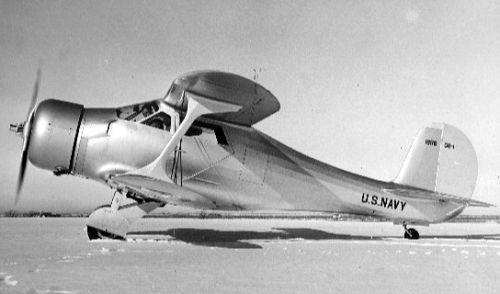
The U.S. Navy operated the aircraft as the GB‑1 and GB‑2, performing similar duties.
United Kingdom
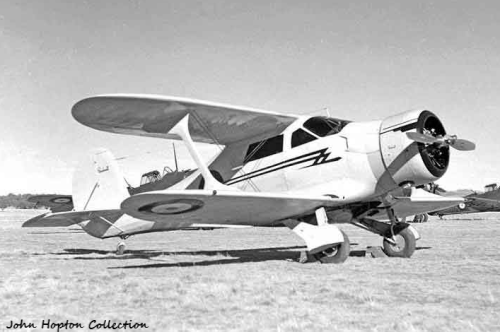
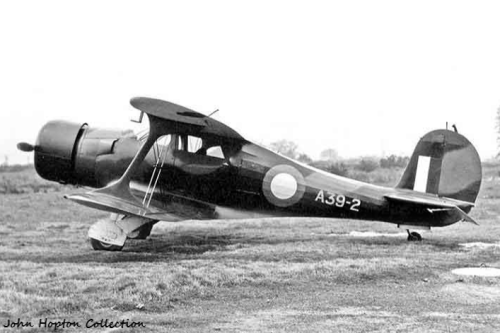
The Royal Air Force and Royal Navy received Staggerwings through Lend‑Lease, using them primarily for communications and VIP transport.
Other Operators
Countries including China, Finland, Turkey, and the Netherlands employed small numbers of Staggerwings before or during the war.
The aircraft’s speed and range made it ideal for wartime liaison work, though its wooden construction and limited production capacity prevented large‑scale military adoption.
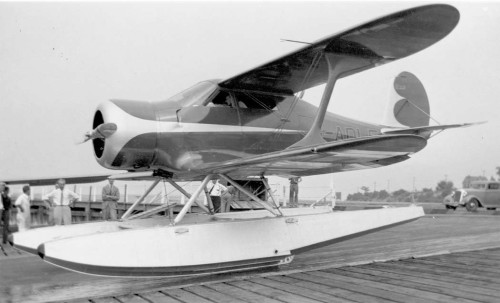
A Civil Floatplane Version
Variants
The Staggerwing family evolved through numerous variants, each improving performance, comfort, or reliability.
Early Models
Beechcraft YC-43, American Embassy, London, England.
Model 17R / A17F / B17L / C17 series:
Early production aircraft with incremental improvements in structure, landing gear, and powerplants.
The C17 series became the most widely recognised pre‑war version.
D17 Series
The D17 family represented the definitive pre‑war refinement:
Stronger structure
Improved landing gear
More powerful engines
Better cabin appointments
The D17S, with a 450 hp Pratt & Whitney R‑985, became the most famous and highest‑performing civil variant.
Military Variants
UC‑43 Traveler:
U.S. Army Air Forces designation for impressed and purpose‑built aircraft.