By the late 1920s, the Royal Air Force faced a pressing need to replace its long‑serving Avro 504N primary trainer.
Although the 504 had been the backbone of British pilot instruction since the First World War, its wooden construction and dated performance no longer reflected contemporary aviation standards.
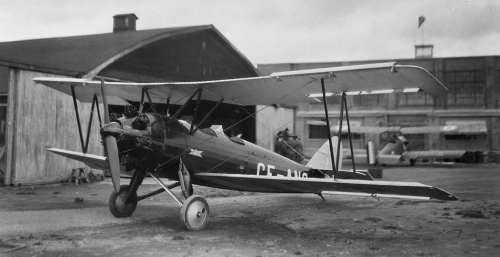
Avro, anticipating this requirement, initiated a private‑venture design effort under chief designer Roy Chadwick, aiming to produce a modern, metal‑framed successor that retained the forgiving handling qualities essential for ab‑initio training.
The resulting aircraft, designated Avro Model 621, first flew in September 1929 with test pilot Captain Harry “Sam” Brown at the controls.
The prototype was initially powered by the 155 hp Armstrong Siddeley Mongoose, and early demonstrations—including a public appearance in June 1930—showed the RAF that the new machine offered a significant step forward in durability, maintainability, and performance compared to the 504 series.
After competitive trials against other contemporary trainers such as the Hawker Tomtit, the RAF selected the Avro 621 as its next standard basic trainer.
Production orders followed for both the Mongoose‑powered 621 Trainer and the more powerful Lynx‑powered Tutor, the latter becoming the definitive and overwhelmingly more numerous variant.
Design Characteristics
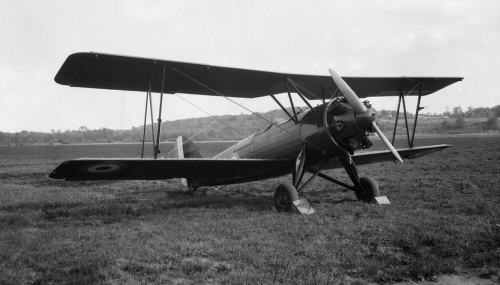
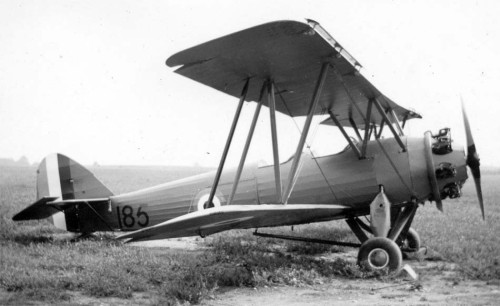
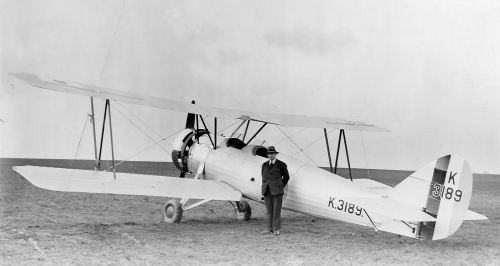
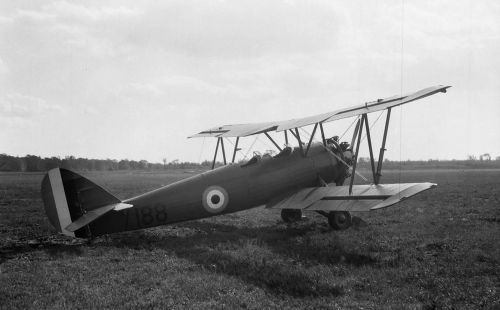
The Avro Tutor was conceived as a robust, simple, and highly stable biplane, optimised for the demands of early-stage pilot instruction.
Airframe and Structure
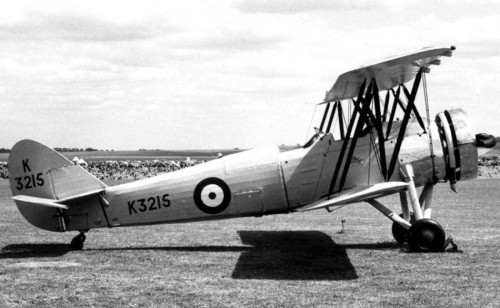
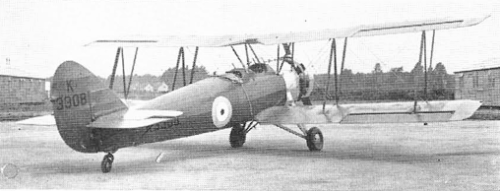
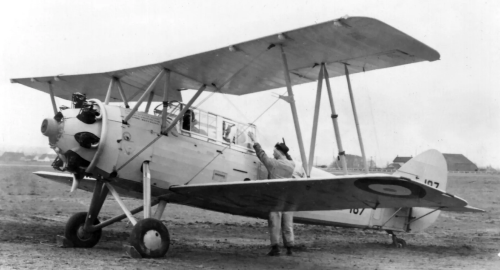
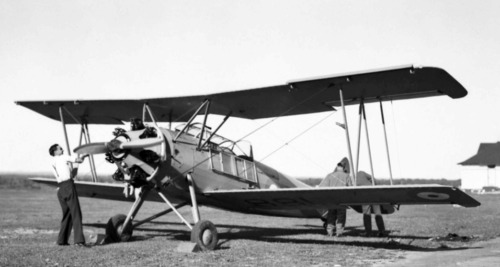
Construction: A welded steel‑tube fuselage with fabric covering, providing far greater strength and longevity than the wooden 504 it replaced.
Wing ribs incorporated wooden elements, but the overall structure emphasised durability and ease of repair.
Wing Configuration: Equal‑span, single‑bay biplane wings with pronounced stagger, improving visibility and stability.
Interplane struts and bracing wires followed conventional biplane practice.
Landing Gear: A fixed, divided main undercarriage with a tailskid on early aircraft; later production examples adopted a tailwheel, reflecting evolving RAF preferences.
Powerplant
The Tutor family used several Armstrong Siddeley radial engines:
Mongoose IIIA (155 hp): Early 621 Trainer models.
Lynx IV (180 hp) and Lynx IVC (240 hp): Standard on the Tutor, with the IVC becoming the most common installation.
Later aircraft featured the Townend ring cowling to reduce drag and improve cooling efficiency.
Cockpit and Training Features
The Tutor retained the classic tandem open cockpits of its predecessor, with dual controls and straightforward instrumentation.
Its handling qualities—docile, predictable, and responsive—made it ideal for teaching fundamental flying skills, including aerobatics.
The Central Flying School famously used tutors for formation and aerobatic displays beginning in 1933, showcasing the type’s agility and reliability.
Performance and Capabilities
With the 240 hp Lynx IVC, the Tutor delivered performance well suited to its training role:
Maximum speed: ~196 km/h (120 mph)
Cruise speed: ~169 km/h (97 mph)
Range: ~400 km (250 miles)
Service ceiling: ~4,900 m (16,000 ft)
Rate of climb: ~910 ft/min
These figures placed the tutor comfortably above the 504 in capability while remaining manageable for novice pilots.
Its rugged construction allowed it to withstand the stresses of repeated training cycles, hard landings, and aerobatic instruction.
Operational History
RAF Service
Deliveries to the RAF began in 1933, and the Tutor quickly became the standard basic trainer across the service.
Major users included:
Royal Air Force College Cranwell
Central Flying School
Nos. 2, 3, 4, and 5 Flying Training Schools
In total, the RAF received over 400 tutors, forming the backbone of British pilot training throughout the 1930s.
The aircraft also equipped University Air Squadrons and Auxiliary Air Force units, further broadening its instructional footprint.
By the outbreak of the Second World War, more than 200 tutors remained in RAF service, supplemented by a small number of sea tutors for maritime training.
However, the rapid modernisation of the RAF—driven by the introduction of high‑performance fighters such as the Spitfire and Hurricane—necessitated a shift towards monoplane trainers.
The Tutor was gradually replaced by the Miles Magister, with frontline training use ending by 1939 and final retirement occurring in 1941.
Export and Foreign Service
The tutor achieved significant international success.
Foreign operators included:
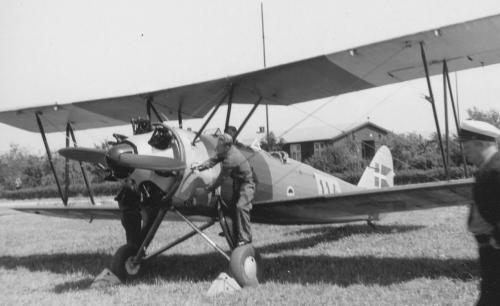
Greece: Approximately 90 aircraft, including 61 licence-built by KEA.
Some were pressed into combat and army‑cooperation roles during WWII.
South Africa: 57 licence-built aircraft.
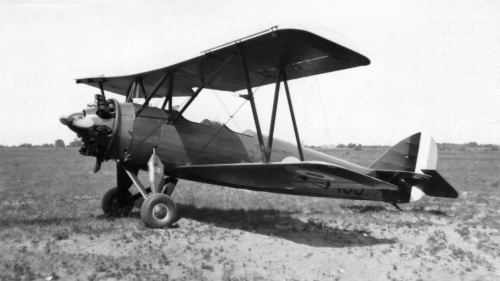
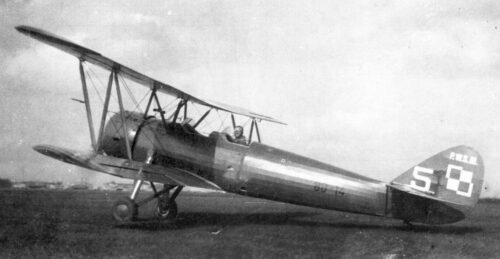
Poland: Two Avro‑built aircraft plus 40 PWS‑18 licence‑built examples (powered by the Wright J‑5).
Canada, Denmark, Ireland, China, Iraq, and others.
The type’s reliability and forgiving nature made it attractive to smaller air forces seeking a dependable primary trainer.
Civil Use
Although designed as a military trainer, a handful of tutors entered civil service.
Two were used by Alan Cobham’s Flying Circus, and several ex‑RAF machines later appeared on the civil register.
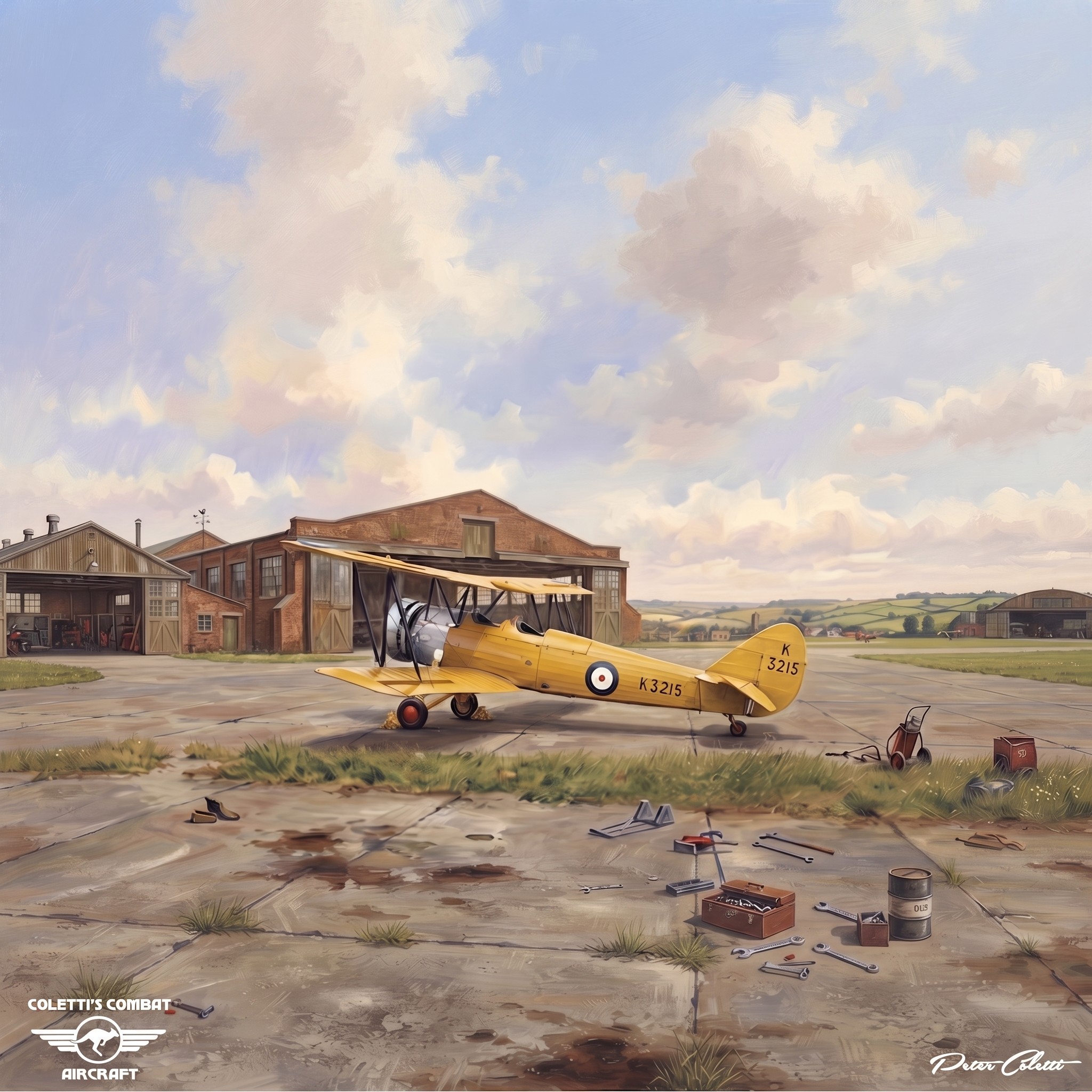
One notable survivor, G‑AHSA, continues to fly with the Shuttleworth Collection, representing the type in its classic yellow RAF training scheme.
Variants
Avro 621 Trainer Mongoose‑powered early version.
Limited production.
Avro 621 Tutor
Lynx‑powered main production model.
Improved rudder design and Townend ring on later aircraft.
Avro 621 Tutor II
One‑off experimental variant with modified wing strut arrangement.
Avro 623
Three‑seat survey aircraft for Tanganyika.
Powered by the 240 hp Lynx IV.
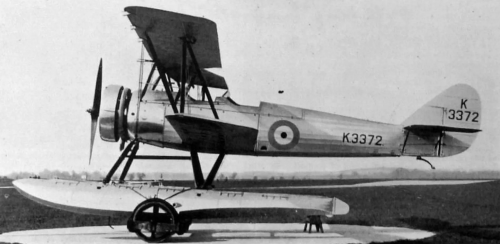
Avro 646 Sea Tutor
Twin‑float seaplane version.
15 built for RAF maritime training between 1934 and 1936.
PWS‑18 Polish licence-built variant with a 200 hp Wright J-5 engine.
40 produced; several still in service in 1939.
The Tutor in the Second World War Although obsolete as a frontline trainer by 1939, the tutor still played a role in the early war period.
Over 200 airframes remained in RAF service at the outbreak of hostilities, used for:
Elementary flying training
Communications and liaison duties
University Air Squadron instruction
In Greece, the tutor saw limited combat employment, performing reconnaissance and army‑cooperation missions during the Italian and German invasions. Polish PWS‑18s were also still active in training roles at the start of the war.
By 1941, the Tutor had been fully supplanted by monoplane trainers in the RAF, but its contribution to preparing thousands of pilots for wartime service was profound.
Legacy
The Avro Tutor occupies a significant place in British aviation history.
It bridged the technological gap between the wood‑and‑fabric trainers of the First World War and the more advanced monoplanes of the late 1930s.
Its combination of rugged construction, excellent handling, and adaptability made it one of the most successful training aircraft of its era.
More than 600 tutors were built, and nearly 800 airframes of all 621-series variants were produced before manufacturing ended in 1936.
Its widespread international use and long service life underscore its effectiveness as a foundational training platform.
Today, the surviving tutor at the Shuttleworth Collection stands as a rare and evocative reminder of the interwar RAF and the thousands of pilots who began their flying careers in this dependable biplane.