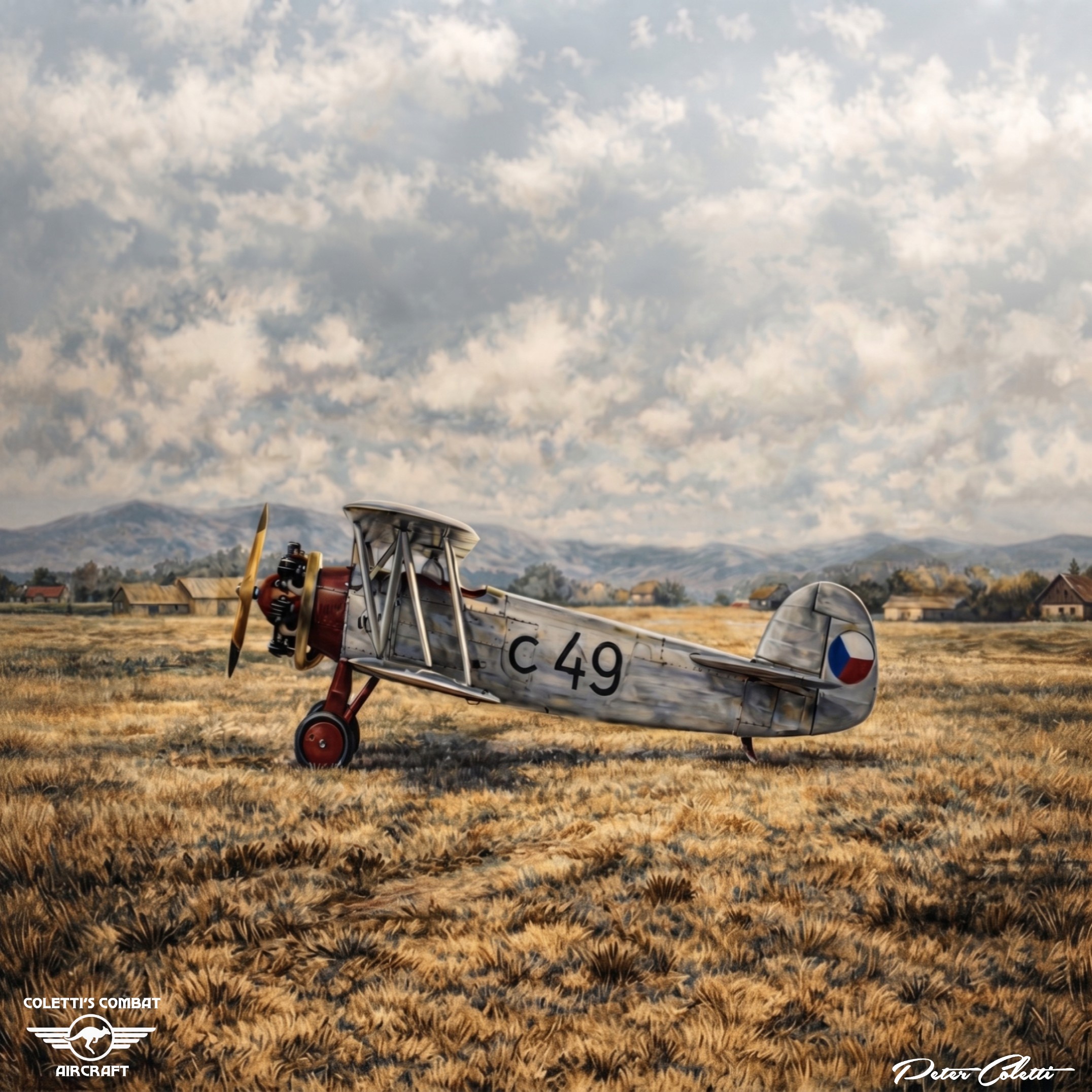
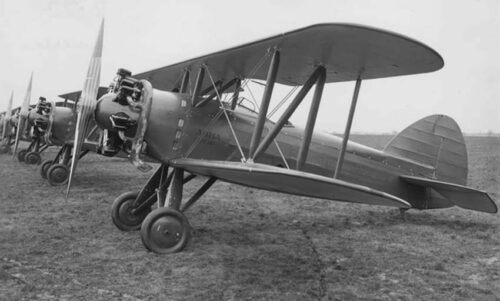
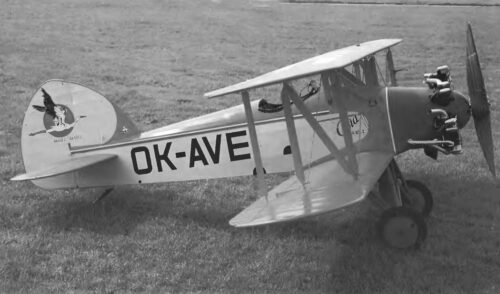
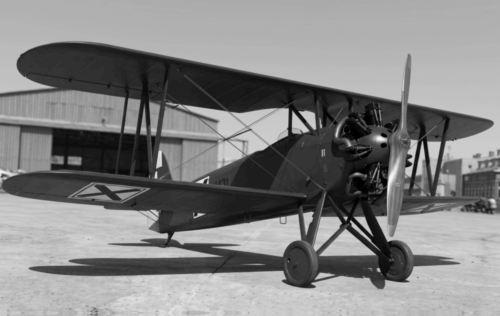
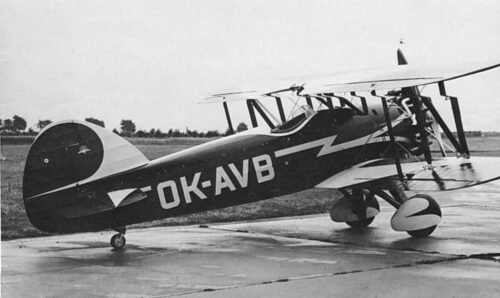
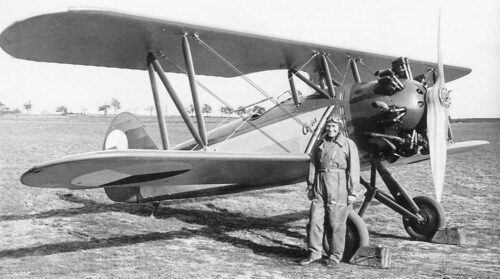
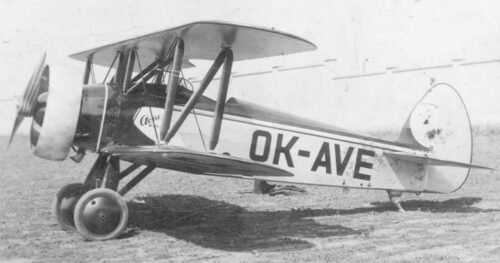
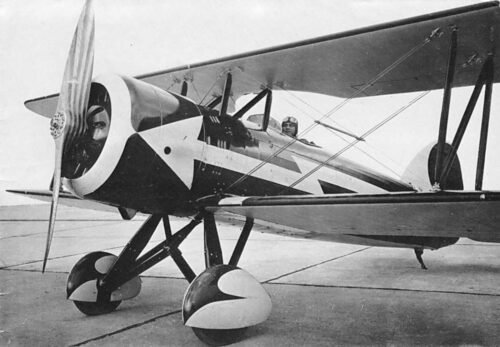
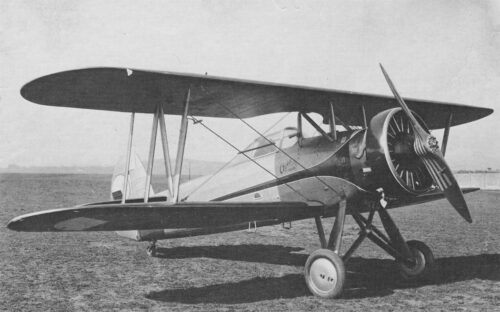
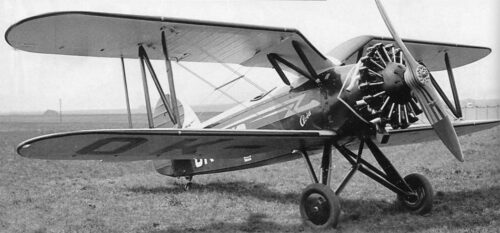
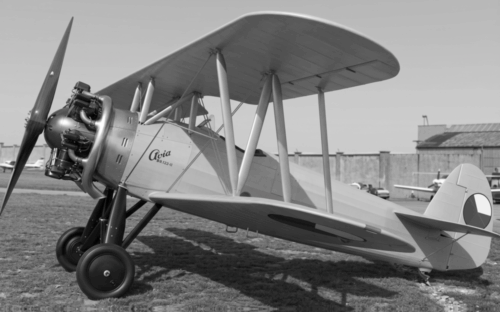
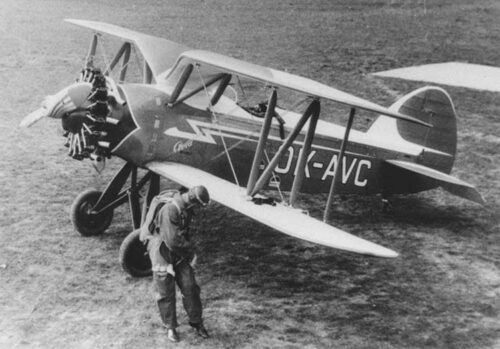
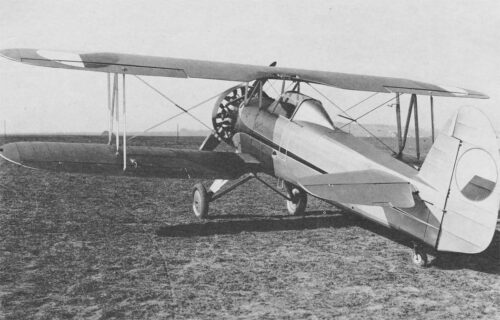
The Avia B.122 emerged from a uniquely compressed design challenge.
In early 1934, the Czechoslovak Army Command decided to send a team of pilots to the Coupe Mondiale international aerobatic competition in Vincennes, Paris, scheduled for June of that year.
To compete effectively, they required a purpose‑built aerobatic aircraft, and the task fell to Avia and its chief designer František Novotný.
The deadline was astonishingly tight: the aircraft had to be conceived, designed, and built in mere weeks.
Avia Ba. 122
Avia responded with remarkable speed.
The prototype B.122 was completed in only six weeks.
Pilots then had only a short period to familiarise themselves with the machine before the July competition.
Despite this, the aircraft proved immediately competitive: Czechoslovak pilots placed 4th (František Novák) and 8th (Ján Ambruš) at Vincennes.
These early successes validated the design and encouraged Avia to refine the aircraft further.
Pilot feedback led to the creation of the improved Ba. 122, which incorporated enlarged control surfaces—most notably a larger rudder and ailerons fitted to both upper and lower wings—to enhance manoeuvrability and control authority during advanced aerobatic routines.
Rise to International Prominence (1935–1937)
The Ba.122 quickly became one of Europe’s premier aerobatic aircraft.
At the 1936 Berlin Summer Olympics International Aerobatic Contest, Czechoslovak pilots flying Ba. 122s achieved 2nd, 3rd, and 8th places, confirming the aircraft’s world‑class performance.
These aircraft introduced the new Avia RK‑17 engine, which provided a significant power increase and improved vertical performance.
In 1937, the type continued its winning streak at the International Aviation Meeting in Zurich, taking 1st and 3rd places.
Some aircraft were fitted with the Walter Pollux nine‑cylinder radial engine to compete in categories requiring engines above 20 litres displacement.
These victories attracted foreign interest.
Both the Soviet Union and Romania placed export orders, and Avia began producing dedicated series for these customers.
Avia B.122
Design and Construction
Airframe
The Avia B.122 was a single‑seat biplane of mixed construction, optimised for aerobatics.
Its compact dimensions and relatively low wing loading made it highly responsive.
The Ba.122 variant introduced refinements that improved roll rate, inverted handling, and rudder authority.
Key structural features included the following:
Staggered biplane wings with a Clark Y airfoil (Ba.122)
Open cockpit (enclosed only on the later B.322 variant)
Fixed tailwheel undercarriage
Robust fuselage designed to withstand extreme g-loads, with ultimate limits of +18 / –12 g (Ba.122)
Powerplant
The principal engine for the Ba. 122 was the Avia RK‑17, a 310 kW (420 hp) radial engine that provided excellent climb and vertical manoeuvring performance.
Earlier prototypes used the Walter Castor II, while some competition aircraft used the more powerful Walter Pollux.
Handling Characteristics
The B.122 family was renowned for the following:
Exceptional roll precision
Strong inverted flight stability
High structural strength for aggressive aerobatics
Excellent pilot visibility, further improved in the Ba. 422 variant with its gull-wing upper plane
These qualities made it a favourite among Czechoslovak aerobatic pilots and a respected competitor internationally.
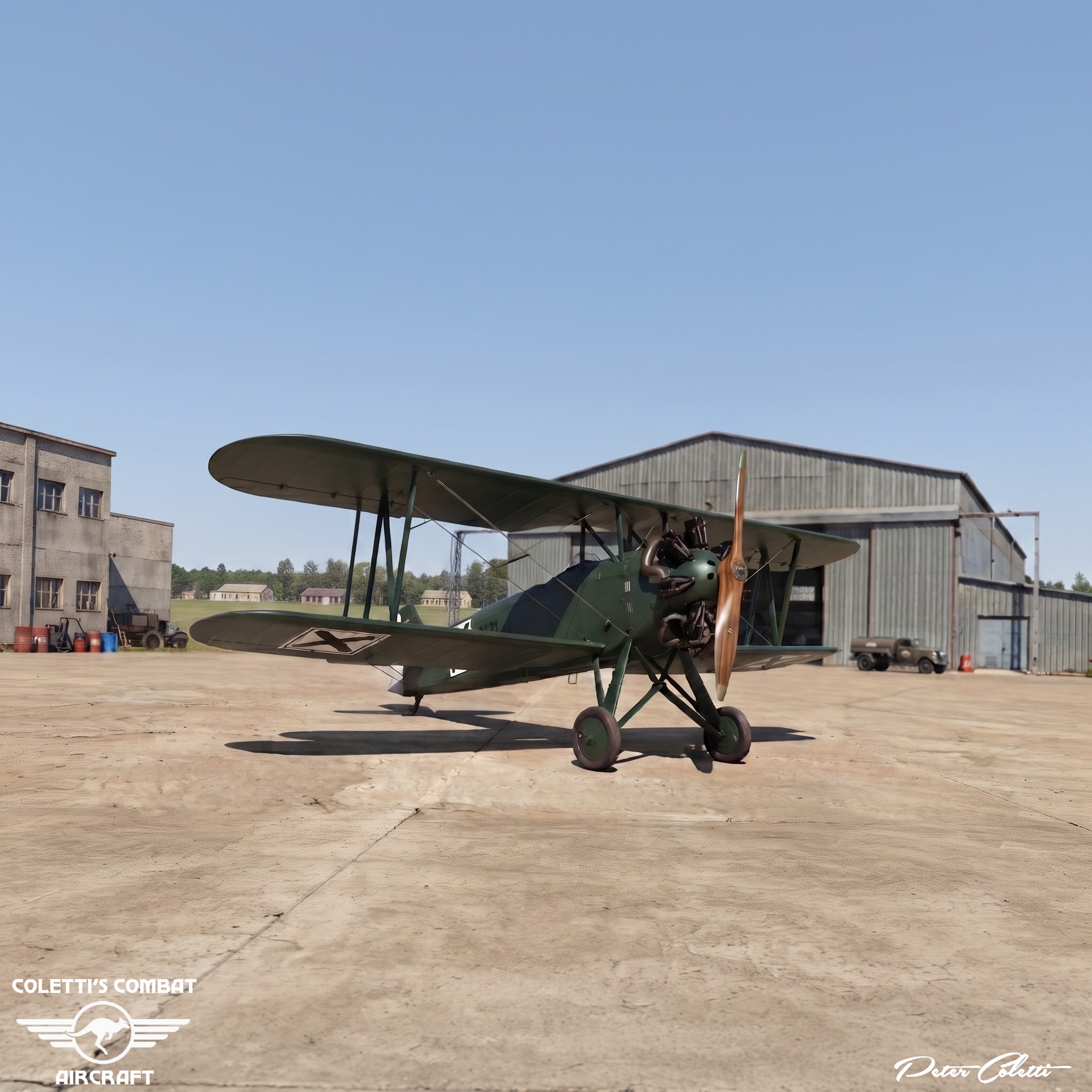
Avia B.222
Technical Specifications (Ba.122) Crew: 1
Length: 6.80 m
Wingspan: 8.85 m
Height: 2.84 m
Wing area: 22.55 m²
Empty weight: 780 kg
Gross weight: 1,080 kg
Engine: 1 × Avia RK‑17, 310 kW (420 hp)
Maximum speed: 270 km/h
Cruise speed: 230 km/h
Range: 575 km
Service ceiling: 7,000 m
Time to 10,000 ft: 6 minutes
g‑limits: +18 / –12 (ultimate)
Variants
B.122
The original prototype series had three aircraft powered by the Walter Castor II.
Two were later upgraded to the BA.122 standard.
Ba.122
The main production and competition variant, featuring:
Enlarged rudder
Ailerons on both wings
Typically powered by the Avia RK‑17
Ba.222
A Ba.122 fitted with:
NACA cowling
Wheel pants
Built as a single prototype.
Ba.322
A development of the Bš.122 with:
Enclosed cockpit
Townend ring cowling
One prototype was built.
Ba.422
A distinctive variant featuring:
Gull-wing upper plane to improve forward visibility during inverted flight
Two aircraft were built.
Bš. 122
Bš. 122
A military trainer derivative with:
Staggered wings
Walter Castor II engine
Produced in quantity for the Czechoslovak Air Force
Production Summary
B/Ba.122: 60 aircraft
Bš. 122: 45 aircraft
Ba.222: 1 prototype
Ba.322: 1 prototype
Ba.422: 2 aircraft
Avia B.422
Operational History and WWII Context
Czechoslovakia (1934–1939)
The B.122 family served primarily as advanced trainers and aerobatic aircraft within the Czechoslovak Air Force.
Their role was not combat but pilot development and national prestige through aerobatic competition.
German Annexation and Redistribution (1939–1945)
Following the German occupation of Czechoslovakia in 1939, several Avia B.122 and Ba. 122 aircraft were absorbed into the Luftwaffe inventory, mainly for training and liaison duties.
Other aircraft were transferred or sold to:
Slovak Air Force (1939–1945)
Bulgarian Air Force, which operated 12 aircraft under the name “Vosa” (Wasp)
Soviet Air Force, which received 15 Ba.122s
Royal Romanian Air Force, which operated at least one aircraft
Role During the War
Although not a combat aircraft, the B.122 family contributed to the following:
Pilot training in multiple air forces
Aerobatic demonstration units
Liaison and utility roles in secondary theaters
Its aerobatic pedigree made it particularly useful for training pilots in advanced handling and recovery techniques.
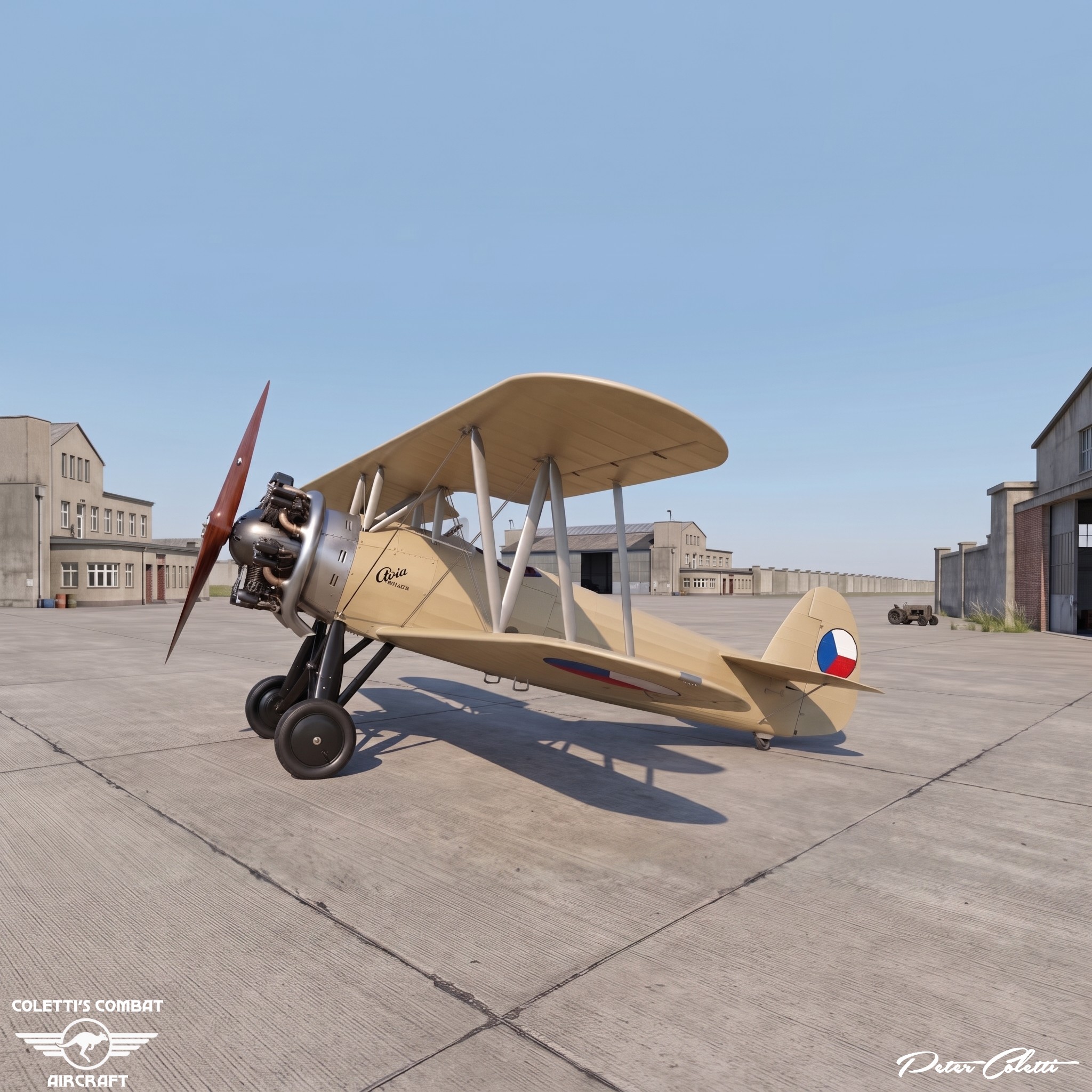
Avia B.322
Legacy
The Avia B.122 stands as one of the most successful European aerobatic aircraft of the 1930s.
Its rapid development, international competition victories, and structural robustness made it a symbol of Czechoslovak aviation excellence.
Though overshadowed by wartime combat aircraft, its influence persisted in pilot training and aerobatic design philosophy.
Its variants—especially the Ba.122 and Ba.422—remain admired for their elegant lines, responsive handling, and engineering ingenuity.
Today, the B.122 family occupies a respected place in interwar aviation history as a machine that combined artistry, engineering, and national pride.