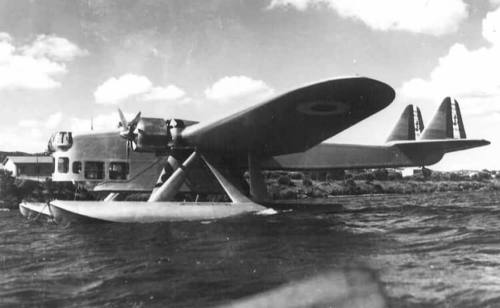
The Amiot 143 emerged from a late‑1920s French Air Ministry requirement for a multiplace de combat—a multi-role combat aircraft capable of day and night bombing, long‑range reconnaissance, and escort duties.
This requirement, issued in 1928, reflected France’s interwar doctrine, which emphasised heavily armed, multi-crew aircraft able to defend themselves and operate independently across long distances.
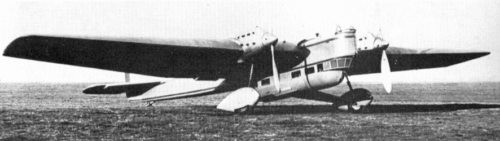
Amiot’s response began with the Amiot 140, a high‑wing, all‑metal monoplane with fixed landing gear and multiple gun positions.
Although the 140 was only a prototype, it established the structural and conceptual foundation for the later Amiot 143.
Development Path: From Amiot 140 to Amiot 143
The Amiot 140 Prototypes
Two Amiot 140 prototypes were ordered for evaluation against competing designs such as the Blériot 137 and Breguet 410.
The 140 featured:
A high-mounted cantilever wing and fixed tailwheel undercarriage
Open pilot cockpit and gun positions in the nose and dorsal stations.
A distinctive glazed ventral gondola for the bombardier/gunner, providing excellent downward and lateral visibility
Engine availability problems plagued the programme.
The intended Lorraine 18G Orion engines were unavailable, forcing the first prototype to fly with Hispano‑Suiza 12Nbr engines in April 1931.
The second prototype never flew due to continued engine shortages.
Despite these setbacks, the French Air Ministry ordered 40 aircraft in 1933, intending to power them with Lorraine 12Q Eider engines.
Revised Requirements and Redesign
By the early 1930s, French doctrine shifted towards specialised bombing performance, prompting the Air Ministry to demand improved speed, payload, and defensive capability.
Amiot responded by redesigning the aircraft:
Enlarged ventral gondola for better crew operation and space for a radio operator, increasing the crew to five
Manually operated nose and dorsal turrets were added for improved defensive arcs.
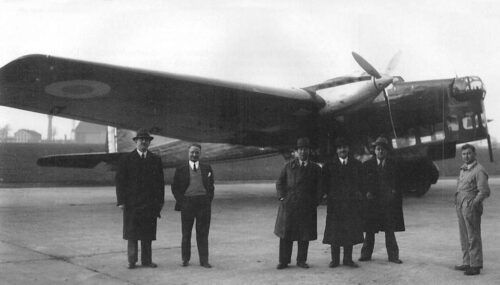
Two new prototypes were ordered: the Amiot 142 (Hispano‑Suiza engines) and the Amiot 143 (Gnome‑Rhône radial engines).
The Amiot 143 flew first on 1 August 1934, while the 142 followed in January 1935.
Because Hispano‑Suiza engines were prioritised for fighters, the Amiot 143 was selected for production, and the earlier order for 40 Amiot 140s was converted to Amiot 143s.
Technical Description and Design Features
Airframe and Layout
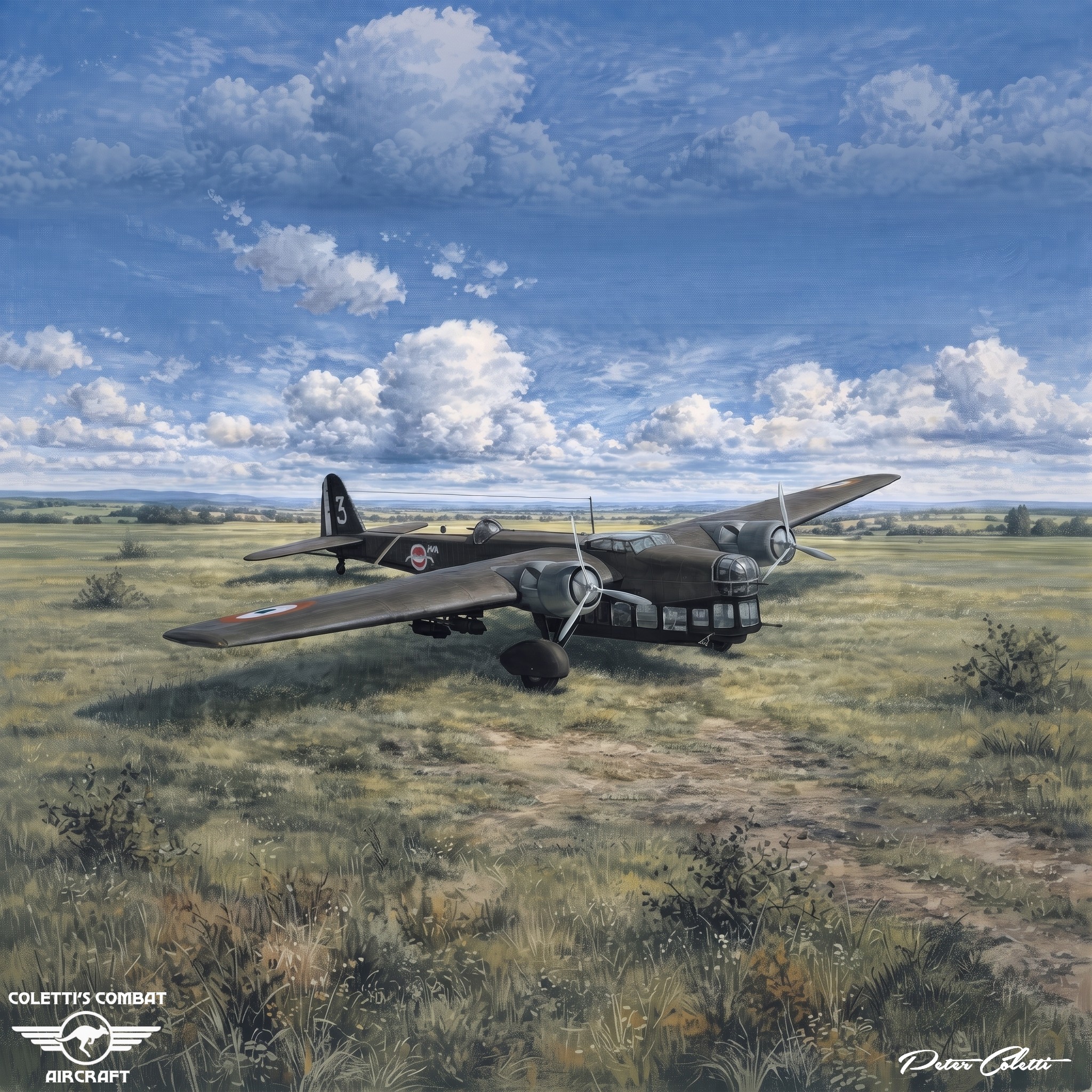
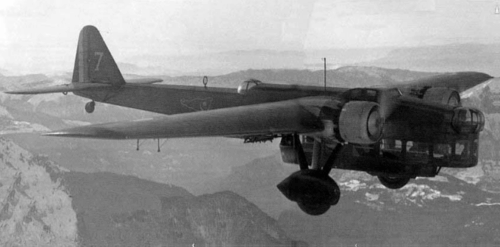
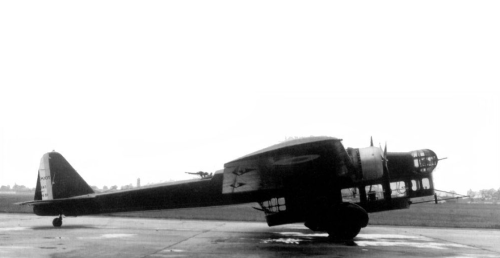
The Amiot 143 retained the high-wing monoplane configuration and fixed undercarriage of the Amiot 140, but with significant refinements:
Wing access tunnels allowed the crew to reach the engines in flight—an unusual feature enabled by the wing’s thickness.
Enclosed cockpit for the pilot, positioned at wing leading-edge height.
Extensively glazed ventral gondola housing the navigator‑bombardier (with secondary flight controls) and the radio operator.
Armament and Defensive Scheme
Early production aircraft carried the following:
Lewis guns in the nose and dorsal turrets and in the ventral gondola
Internal bomb bay within the gondola
After 40 aircraft, the design was updated:
Longer nose (length increased from 17.94 m to 18.24 m)
Revised fuel system
Replacement of Lewis guns with 7.5 mm MAC 1934 machine guns in all positions, plus a fourth gun firing through a floor hatch.
Engines and Performance
Production Amiot 143s used Gnome‑Rhône 14Kirs/Kjrs 14‑cylinder radial engines, each producing around 640 kW (858 hp).
Key performance figures:
Maximum speed
295 km/h
Range
1,300 km
Service ceiling
7,500 m
Bomb load
800 kg internal + 800 kg external
These numbers were already modest by mid‑1930s standards, and by 1938, the aircraft was considered obsolete.
Production
Deliveries ran from April 1935 to March 1937, with 138 aircraft built.
Operational History
Pre‑War Service
The Amiot 143 entered service in July 1935 and remained in frontline units until 1938, though it was already being replaced by more modern designs such as the Bloch MB.131.
A planned delivery of six aircraft to the Spanish Republican Air Force never materialised during the Spanish Civil War.
The Phoney War (1939–1940)
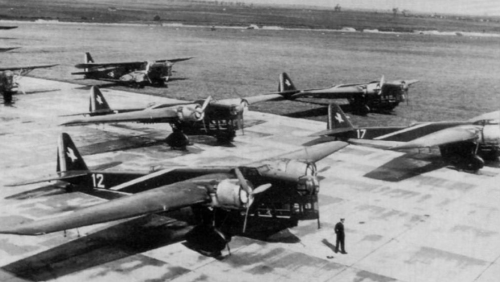
At the outbreak of WWII, Amiot 143s equipped five groups in metropolitan France and one in Africa.
During the Phoney War, they conducted reconnaissance and leaflet‑dropping missions over Germany—low‑risk tasks suited to their limited performance.
The Battle of France
When Germany invaded on 10 May 1940, 87 Amiot 143s remained in frontline service, with 50 in four metropolitan groups and 17 in an African unit transitioning to Martin 167Fs.
Their primary role became night bombing, where their slow speed and heavy defensive armament were less of a liability.
Losses were relatively low in these nocturnal operations.
A notable exception was a daylight raid on 14 May 1940 against German bridgeheads near Sedan.
Ten Amiots participated; despite fighter escort, two were shot down and one force‑landed before returning to base.
Vichy and Overseas Service
After the armistice:
52 Amiots remained in the unoccupied zone and 25 in North Africa.
They were reorganised into GB I/38 and II/38 and used until July 1941, when replaced by LeO 451 bombers.
Some served as transports in Syria and later joined Allied forces after the North African landings.
The last Amiot 143 was retired in February 1944.
A few captured examples were used by the Luftwaffe as transports.
Variants The Amiot 143 belonged to a broader family of related designs:
Amiot 140 M.4 – original prototype series; only one flew; intended for Lorraine 12Q engines
Amiot 141 – a three-engine variant with Lorraine-Dietrich 18G Orion engines
Amiot 142 – prototype with Hispano‑Suiza 12Y engines; one built
Amiot 143 M.5 – main production version (138 built)
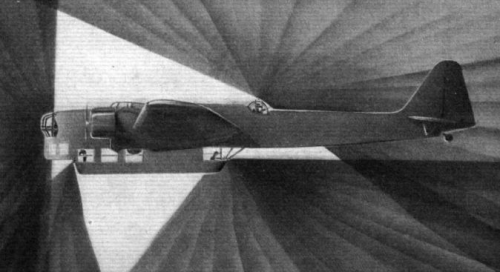
Amiot 144 – improved design with retractable undercarriage and reduced wing area; only one built
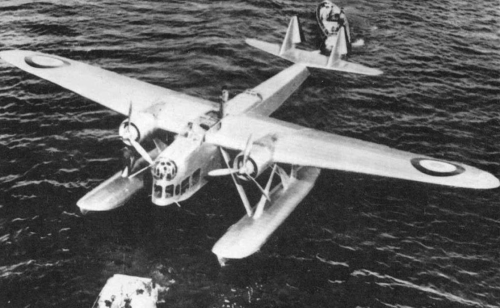
Amiot 150 – naval reconnaissance/torpedo bomber with larger wing and optional floats; one prototype built
Assessment and Legacy
The Amiot 143 is often remembered for its angular, archaic appearance and its obsolescence by the late 1930s.
Yet it embodied the transitional nature of interwar bomber design:
A shift from biplanes to monoplanes
Increasing emphasis on enclosed crew stations
Early experiments with multi‑role capability
Heavy defensive armament reflecting pre‑WWII assumptions about bomber self‑sufficiency
In combat, the Amiot 143 proved survivable in night operations but hopelessly vulnerable in daylight.
Its long service life—extending into 1944—was a testament not to its modernity but to France’s industrial and doctrinal struggles during the interwar years.