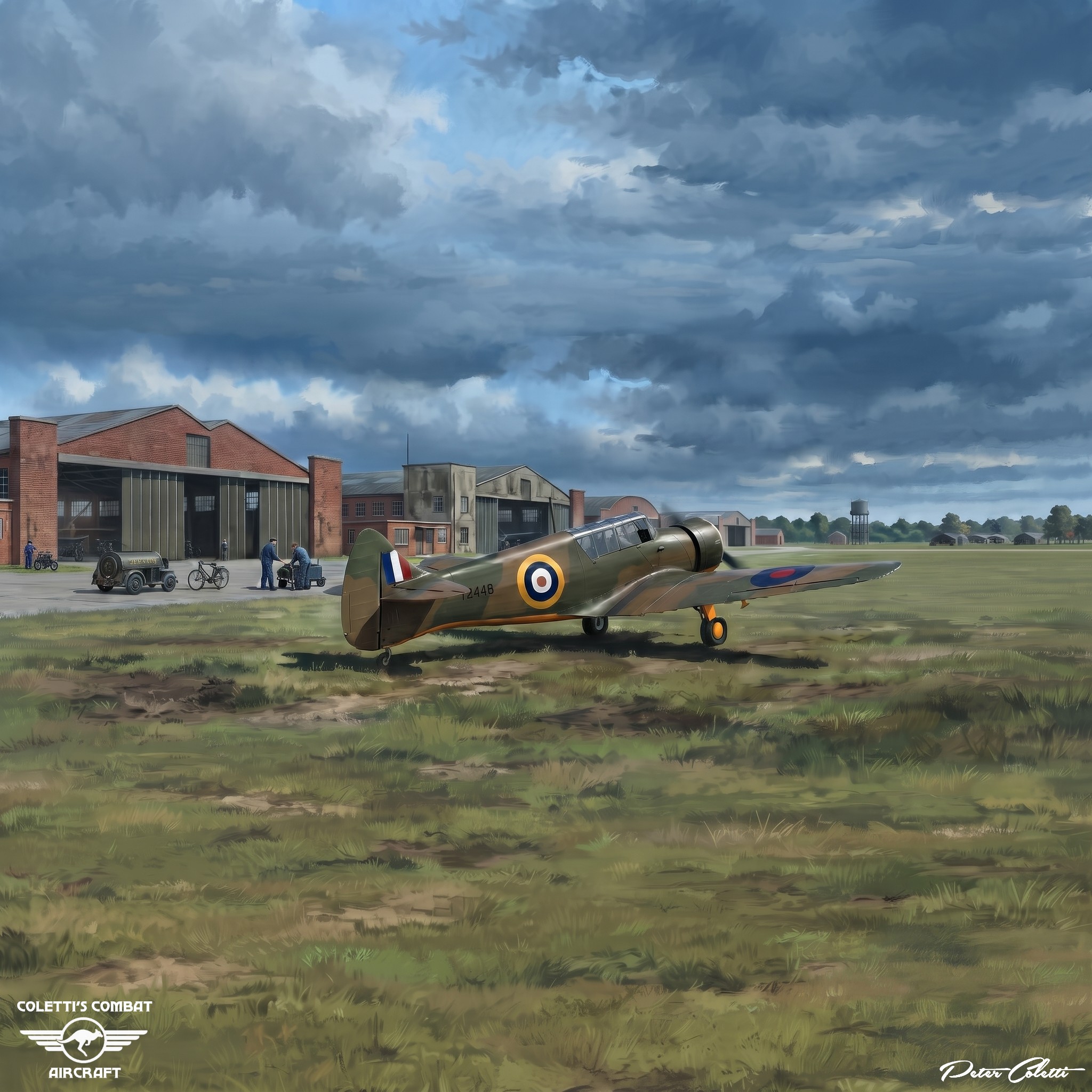
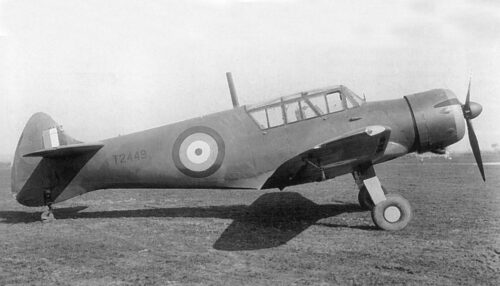
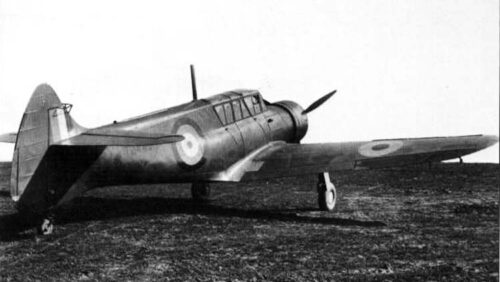
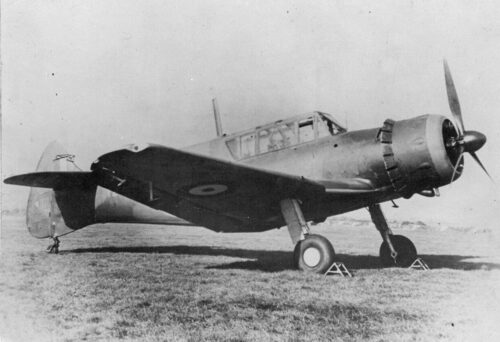
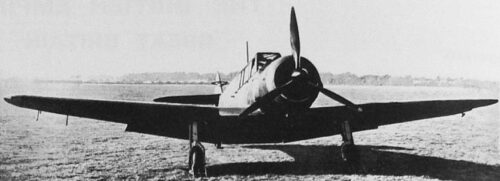
The Airspeed AS.45 Cambridge was a British advanced trainer aircraft developed during the Second World War by Airspeed Limited.
Only two prototypes were built, and the type never entered production due to performance shortcomings and lack of wartime necessity.
Development History
Origins
Designed in response to Air Ministry Specification T.4/39, which sought a single‑engine advanced trainer to supplement or replace existing types like the Miles Master and North American Harvard.
The aircraft was given the provisional service name Cambridge.
Design Features
Low‑wing monoplane of composite construction:
Steel‑tube fuselage
Wooden wings and tail, plywood‑skinned
Tandem seating for pilot and instructor in an enclosed cockpit, each with:
A normal door
A dedicated emergency exit
Retractable tailwheel undercarriage.
Powered by a 730 hp Bristol Mercury VIII radial engine driving a three‑bladed propeller.
First Flight
The first prototype flew on 19 February 1941.
Testing & Evaluation
Flight testing revealed two major deficiencies:
Insufficient maximum speed
Poor low-speed handling characteristics
These issues were never corrected, for two reasons:
The RAF already had adequate supplies of advanced trainers (Masters and Harvards).
Airspeed was heavily committed to more strategically important aircraft:
Airspeed Horsa troop glider
Airspeed Oxford trainer/transport
As a result, the Cambridge programme was quietly discontinued after the two prototypes.