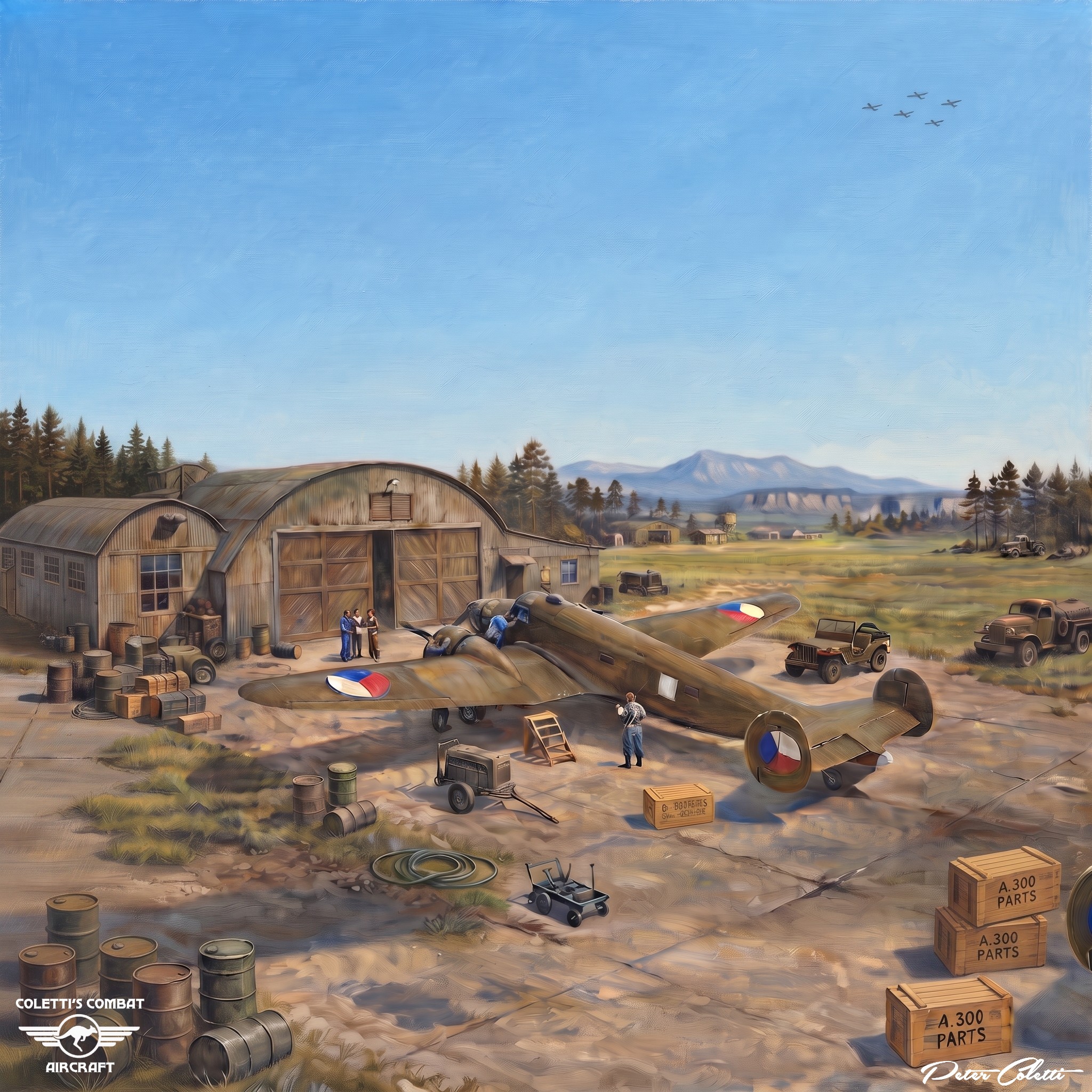
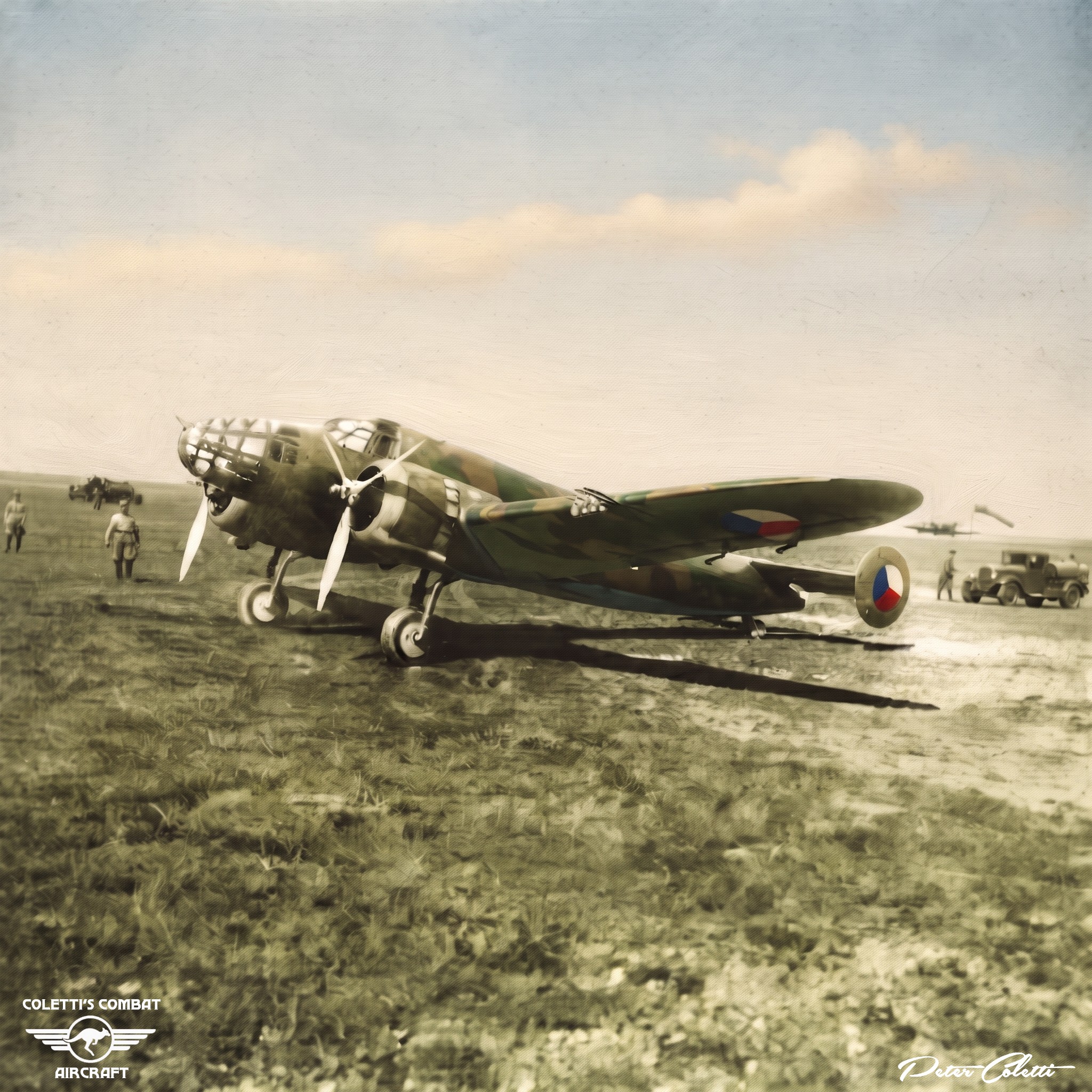
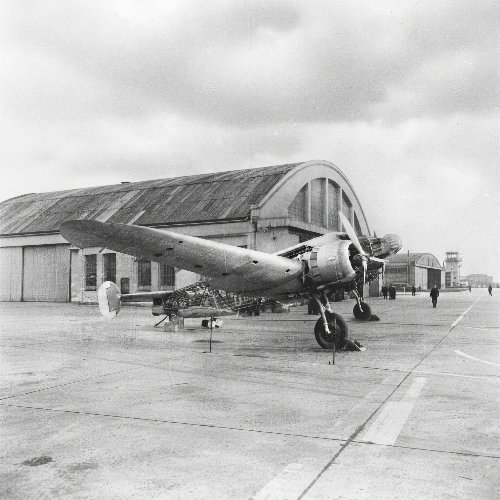
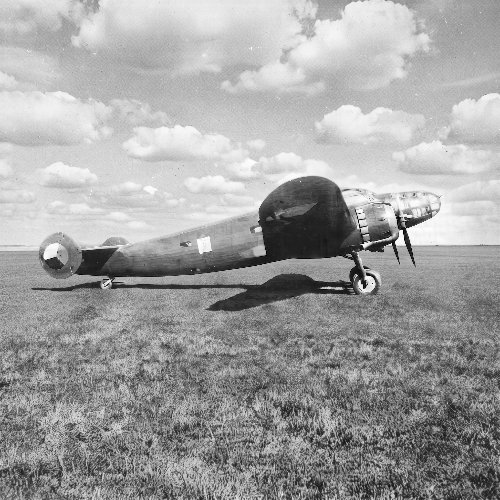
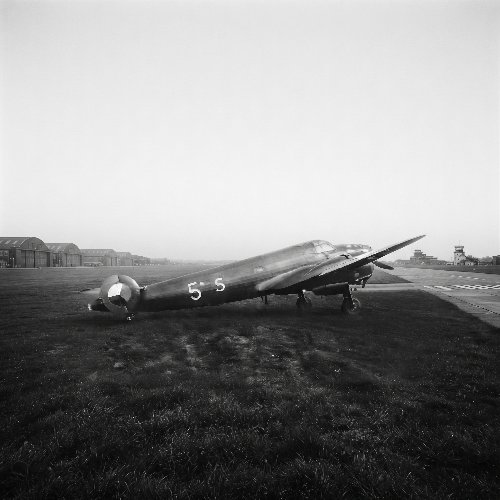
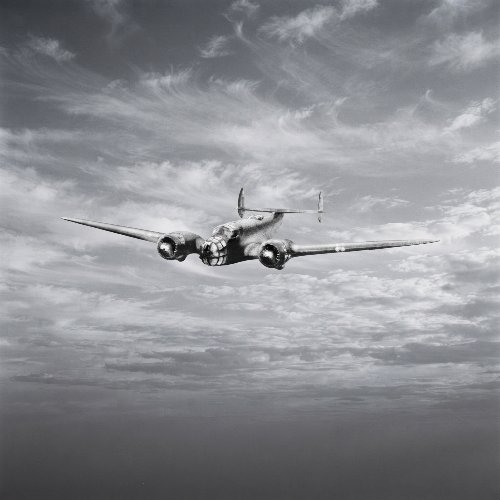
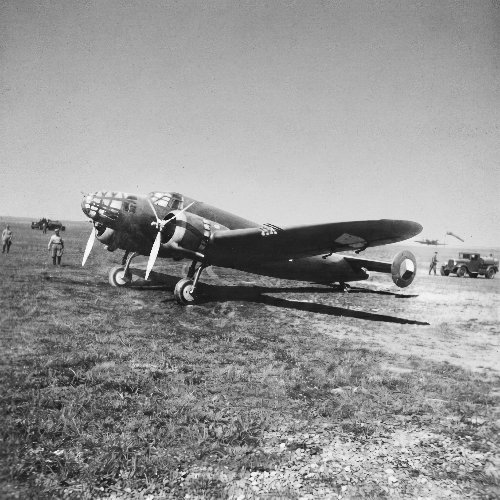
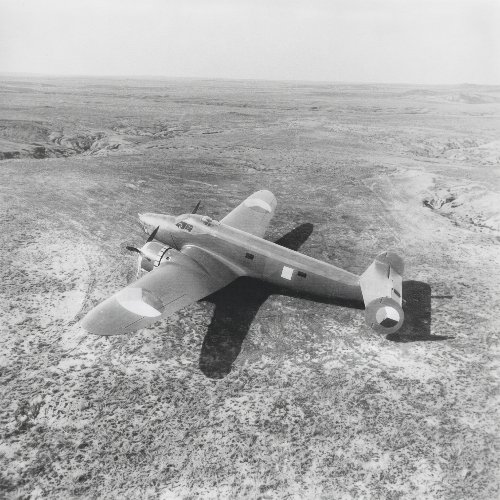
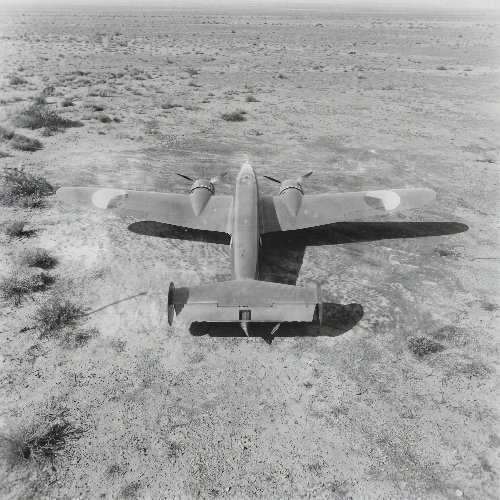
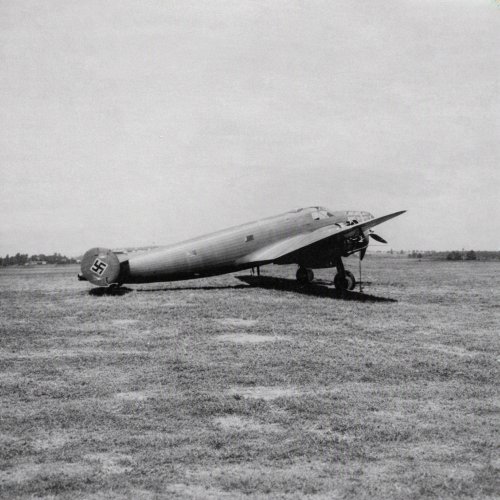
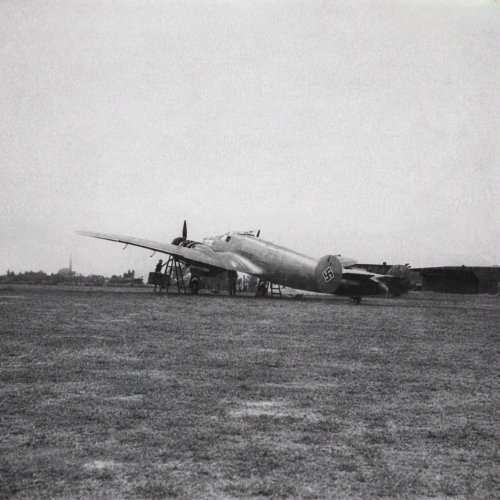
Aero A.300 The Aero A.300 was the final and most advanced twin‑engine bomber developed in pre‑war Czechoslovakia.
It emerged in the late 1930s as a refined evolution of the Aero A.304, itself derived from the A.204 airliner.
The aircraft represented the Czechoslovak Air Force’s attempt to modernise its bomber‑reconnaissance fleet at a time when tensions in Europe were rapidly escalating.
Origins and Development
In July 1936, the Czechoslovak Ministry of Defence issued a requirement for a new bomber-reconnaissance aircraft.
Aero Vodochody responded with a concept based on the A.304, proposing a more capable and militarised derivative designated Aero A‑300.
The ministry approved further development in 1937, and construction of the prototype began that same year.
The A.300 was designed as a twin‑engine, low‑wing monoplane with mixed wood‑and‑metal construction.
Its wings were wooden, while the fuselage used a chrome‑molybdenum steel‑tube structure with a duralumin‑and‑wood outer frame covered in sheet metal.
The aircraft featured a retractable tailwheel undercarriage, a modern feature for the era, though it later proved troublesome during testing.
Power came from two Bristol Mercury IX radial engines, each producing 610 kW (820 hp) at altitude, driving three‑bladed propellers.
These engines gave the A.300 exceptional performance: it was faster than any Czechoslovak aircraft except the Avia B‑35 fighter.
Crew and Armament
The A.300 carried a crew of four:
a bomb aimer/observer/gunner in the nose,
a single pilot in an enclosed cockpit,
a dorsal‑turret gunner,
and a rear gunner/radio operator.
Defensive armament consisted of three 7.92 mm vz.30 machine guns—one in the nose, one in the dorsal turret, and one in the rear fuselage.
These were Czech-improved derivatives of the Vickers Class E aircraft gun.
The internal bomb bay could carry up to 1,000 kg (2,200 lb) of bombs in vertical cells within the fuselage.
Technical Challenges
Although promising, the prototype suffered from several development issues.
The retractable undercarriage caused repeated delays, and the British‑built Mercury engines were not certified to use the standard Czechoslovak “Bi‑bo‑li” fuel mixture.
Instead, they required imported 87‑octane gasoline, complicating logistics and testing.
Flight Testing
The prototype made its first flight in April 1938 at Prague–Kbely Airport.
In August 1938, it was transferred to the VTLU (the military technical aviation institute) for evaluation.
Testing was generally successful, and by November 1938, the aircraft had officially passed its trials.
The Czechoslovak Air Force planned to order 10–15 production aircraft, to be designated B‑72, using licence‑built Mercury engines.
Cancellation and Fate
The promising programme came to an abrupt end in March 1939, when Germany occupied Czechoslovakia.
All domestic aircraft development was halted, and the A.300 prototype was seized by German forces.
It was transported to Focke‑Wulf in Bremen for study and was eventually scrapped, ending the aircraft’s short but significant development history.
Summary
The Aero A.300 was the fastest Czechoslovak bomber ever built.
a modern, well‑armed, four‑crew reconnaissance bomber,
technically advanced but hampered by fuel and undercarriage issues,
fully tested and approved for production,
ultimately cancelled due to geopolitical events rather than technical failure.
Its destruction after German seizure means the A.300 never entered service, but it remains a notable example of late‑1930s Czechoslovakian aeronautical engineering.
Specifications
Crew
4
Length
13.50 m (44 ft 3 in)
Wingspan
19.05 m (62 ft 6 in)
Height
3.80 m (12 ft 6 in)
Wing area
45.5 m² (490 sq ft)
Empty weight
4,337 kg (9,561 lb)
Gross weight
6,040 kg (13,316 lb)
Powerplant
2 × Bristol Mercury IX 9-cylinder air-cooled radial engines,
610 kW (820 hp) each
Propellers
3-bladed, 3.28 m (10 ft 9 in) diameter
Performance
Maximum speed
456 km/h (283 mph, 246 kn) at 5,960 m (19,550 ft)
Range
2,200 km (1,400 mi, 1,200 nmi) (reconnaissance operations, 5% overload)