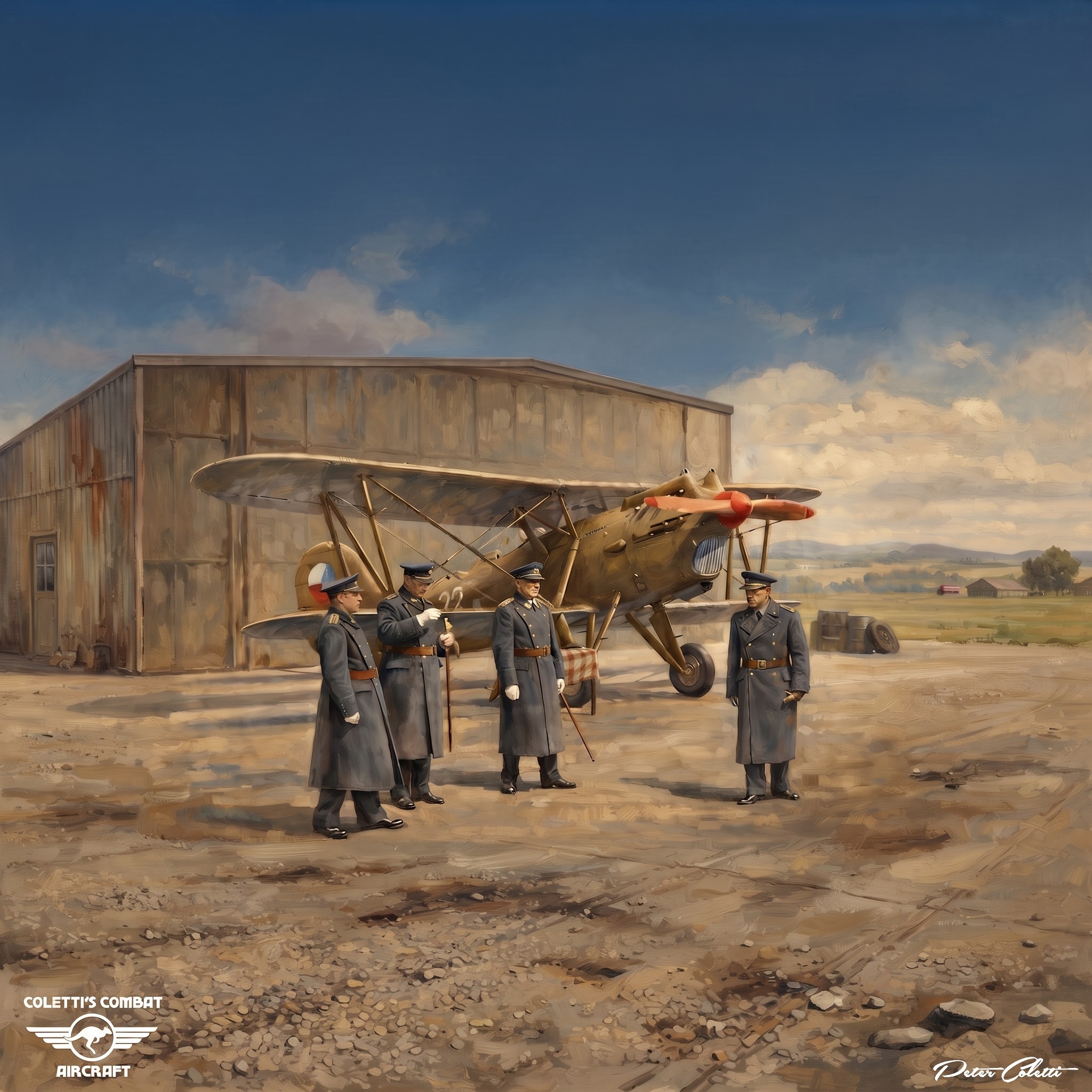
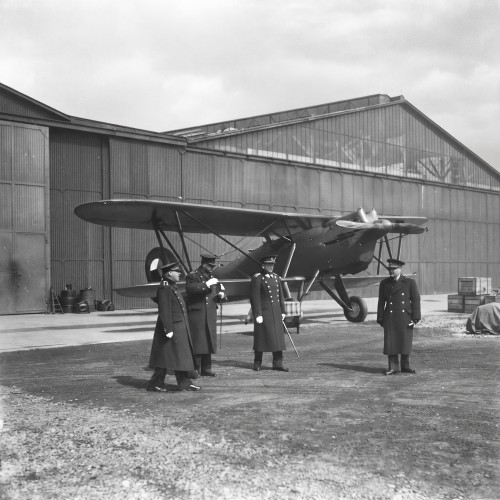
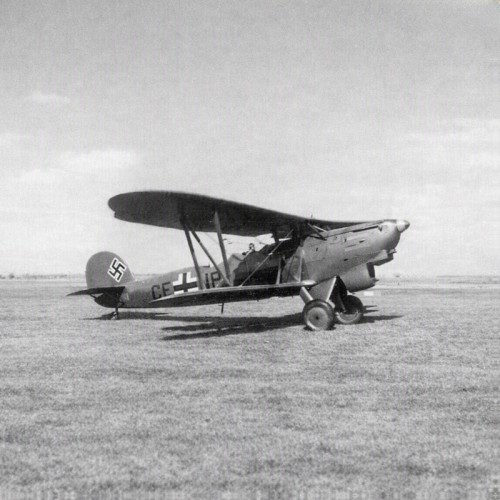
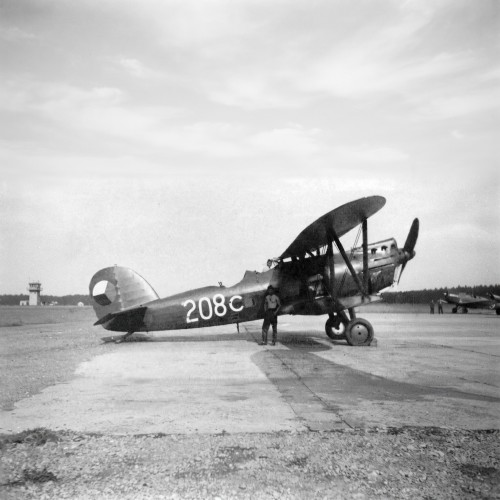
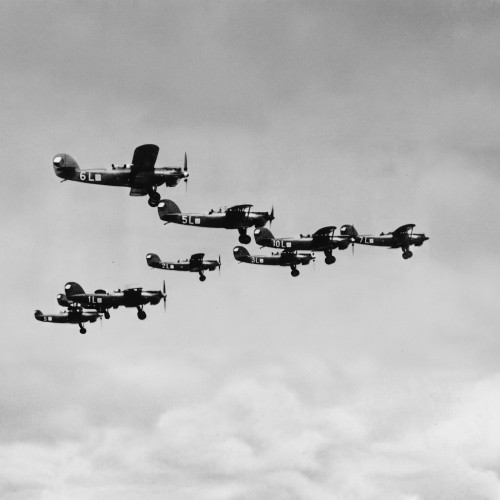
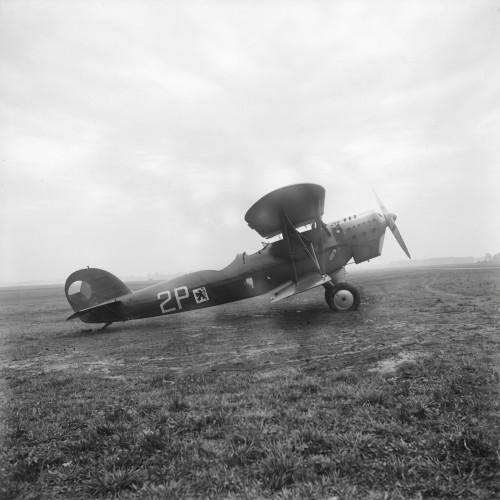
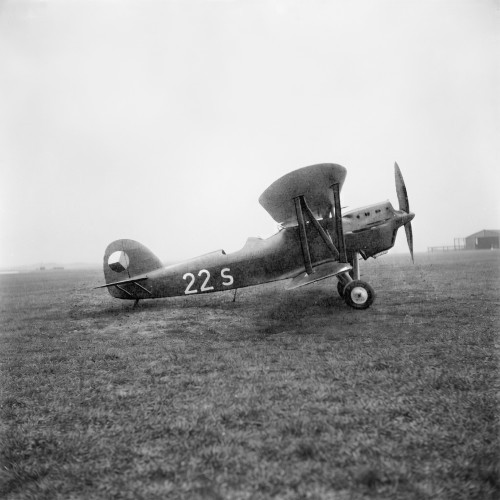
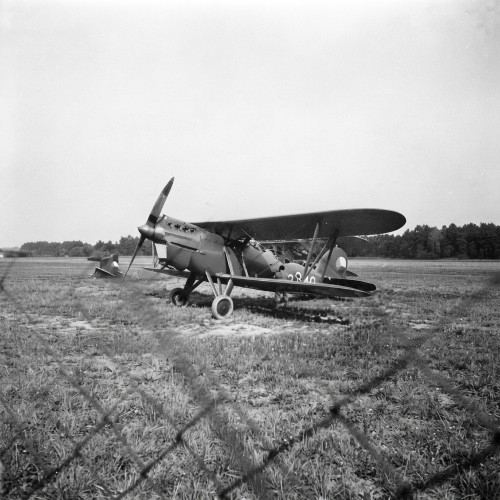
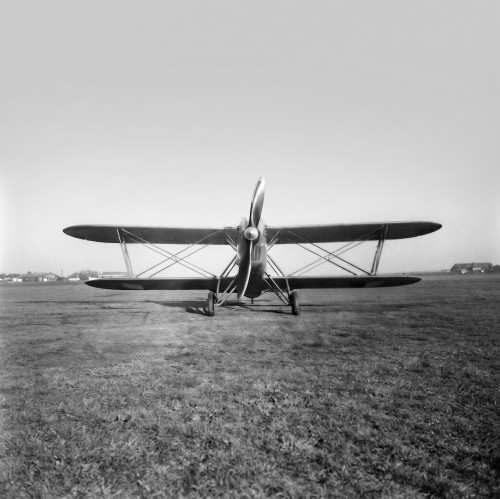
The Aero A.100 was a Czechoslovak biplane light bomber and reconnaissance aircraft developed in the early 1930s.
It represented the final evolution of a design lineage originating with the Aero A.11 a decade earlier.
Although already obsolescent at the time of its first flight in 1933, the type remained in service throughout the Second World War and continued in limited use for several years afterwards.
Design and Development
The aircraft was created in response to a 1932 Czechoslovak Air Force requirement for a unified replacement for several ageing light bomber and reconnaissance types, including the Aero A.230, Aero Ap.32, and Letov Š.16.
Development began as a further refinement of the Aero A.30 series, designated Aero A.430, but the redesign diverged so extensively from earlier models that it was renumbered A.100 under Aero’s newly introduced system.
The A.100 was a single‑engine, unequal‑span biplane of mixed construction.
Its fuselage featured an elliptical cross-section built from steel tubing and clad in duralumin panels.
The wings were wooden and fabric-covered, and the aircraft employed a fixed conventional undercarriage.
By the early 1930s, this configuration was already becoming outdated, placing the A.100 among the last generation of European military biplanes.
Operational History
Despite its dated layout, the A.100 secured production orders largely because its only competitor, the Praga E.36, had not flown before the tender deadline.
A total of 44 aircraft were produced in two batches.
Further Development
The A.100 served as the basis for several improved variants:
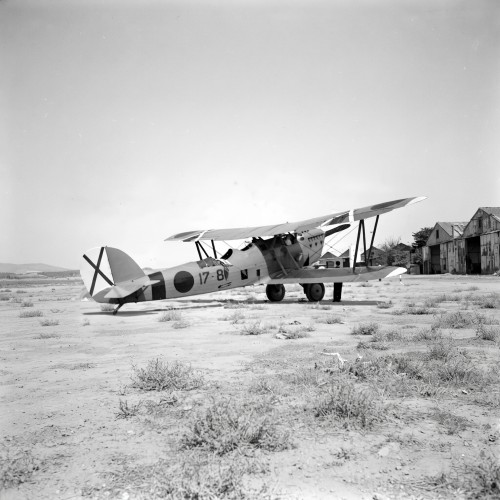
Aero A.101
Fitted with a Praga Isotta Fraschini Asso 1000 RV engine rated at 800 hp.
First flown in December 1934, it saw combat in the Spanish Civil War on both Republican and Nationalist sides.
Aero Ab.101
It featured an enlarged fuselage and wings and was powered by an 860 hp Avia Hispano‑Suiza HS 12YDRS engine.
Produced from 1936 to 1937, it served with the Czechoslovak Air Force until the state’s dissolution in March 1939.
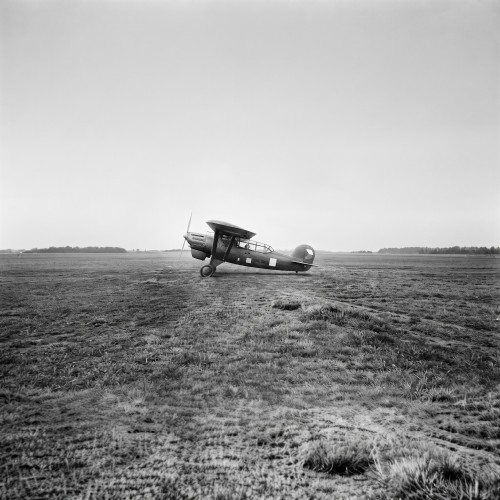
Aero A.104
A final experimental development converting the Ab.101 into a high-wing monoplane with an enclosed cockpit.