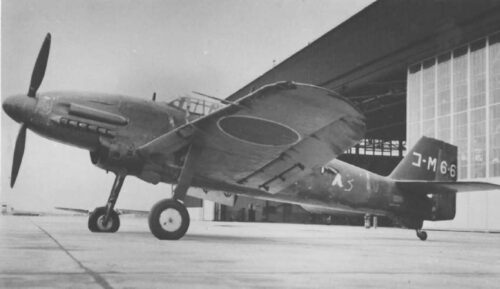
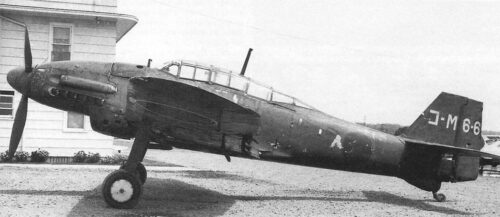
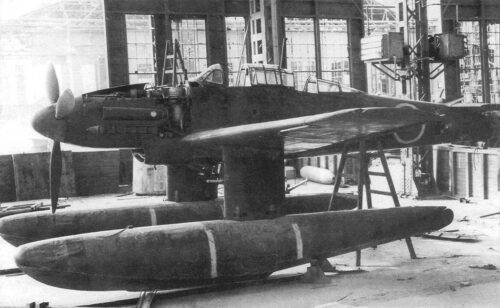
The M6A1 represented the earliest developmental stage of the Seiran programme.
These aircraft were powered by the Aichi Atsuta 30 or 31 liquid‑cooled V‑12 engines, producing 1,044 kW (1,400 hp), the same powerplant used in the production Seiran.
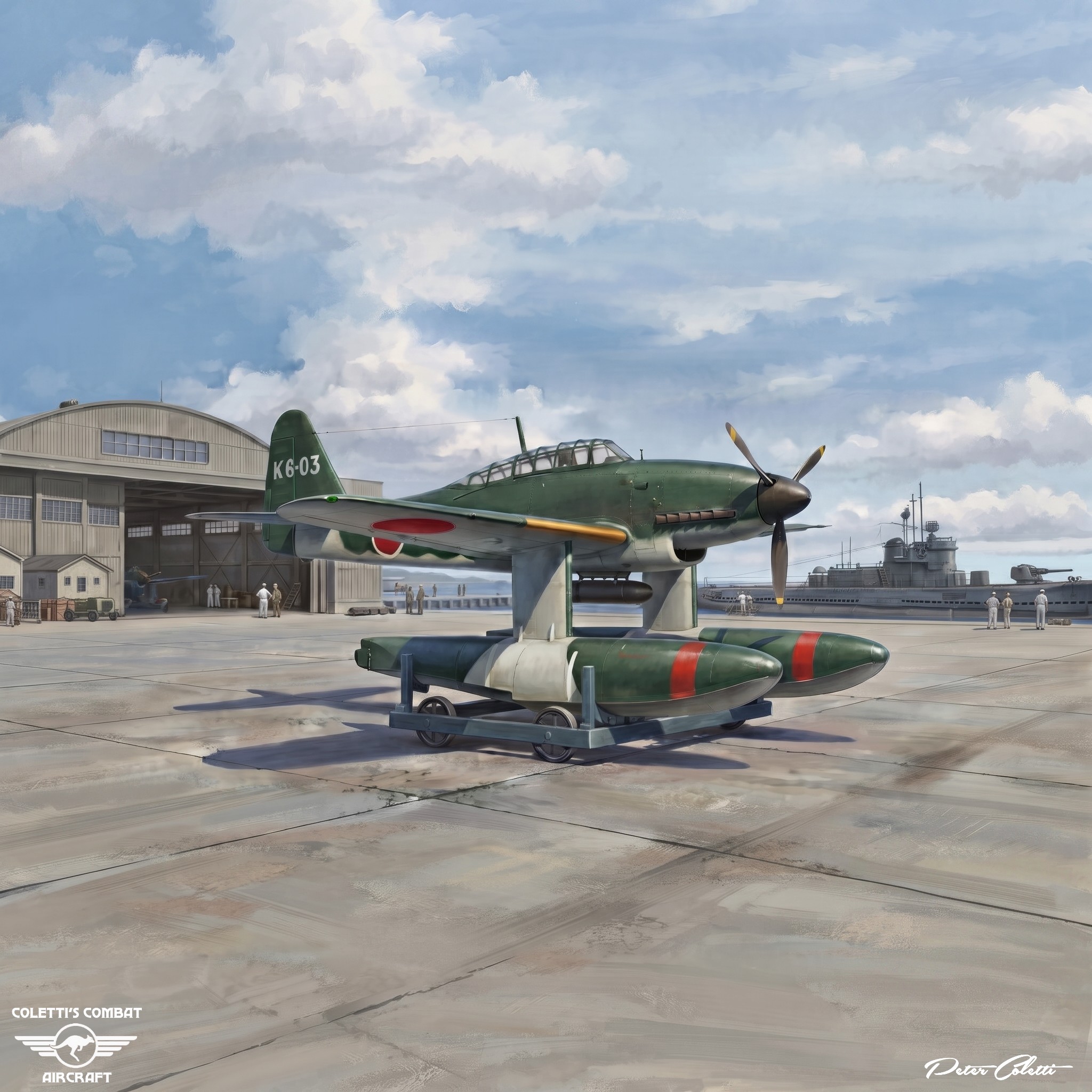
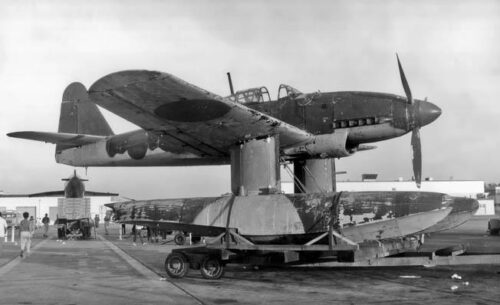
They were equipped with removable twin floats, allowing them to operate as seaplanes when recovery by submarine was intended or to fly without floats for one-way strike missions.
A total of eight prototypes were constructed, beginning in late 1943, with the first flight occurring in November of that year.
Early testing revealed aerodynamic issues, including overbalance of the auxiliary wings, which required redesign of the tail fin to improve stability.
These prototypes validated the folding‑wing system, float‑attachment process, and catapult‑launch procedures essential for submarine deployment.
M6A1 Seiran (Shisei‑Seiran)
The M6A1 Seiran was the operational Special Attack Bomber variant intended for deployment aboard the massive I‑400‑class submarine aircraft carriers.
Eighteen production aircraft were completed before the programme was halted in 1945.
These aircraft were optimised for long-range surprise attacks, carrying either
1 × 850 kg bomb, or 1 × Type 91 aerial torpedo
The Seiran’s wings and tail folded hydraulically to fit inside the submarine’s cylindrical hangar.
A trained crew could roll the aircraft out, unfold the wings, attach floats (if required), and prepare it for launch in 7 minutes under ideal conditions.
The Seiran was intended for high-profile strategic missions, including the planned attack on the Panama Canal’s Gatun Locks, and was later redirected to Ulithi Atoll.
The war ended before these missions were executed.
M6A1‑K Nanzan (Shisei‑Seiran Kai)
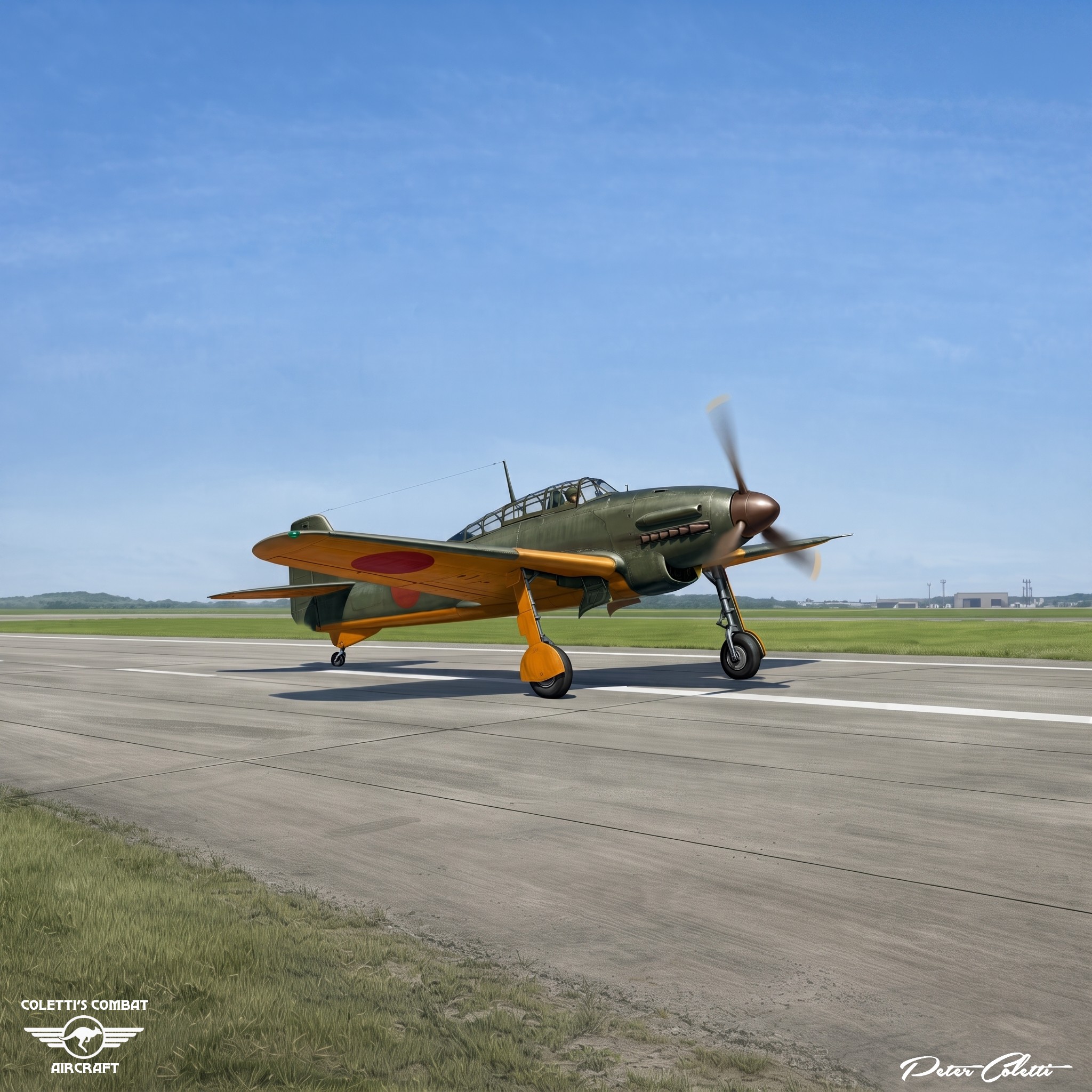
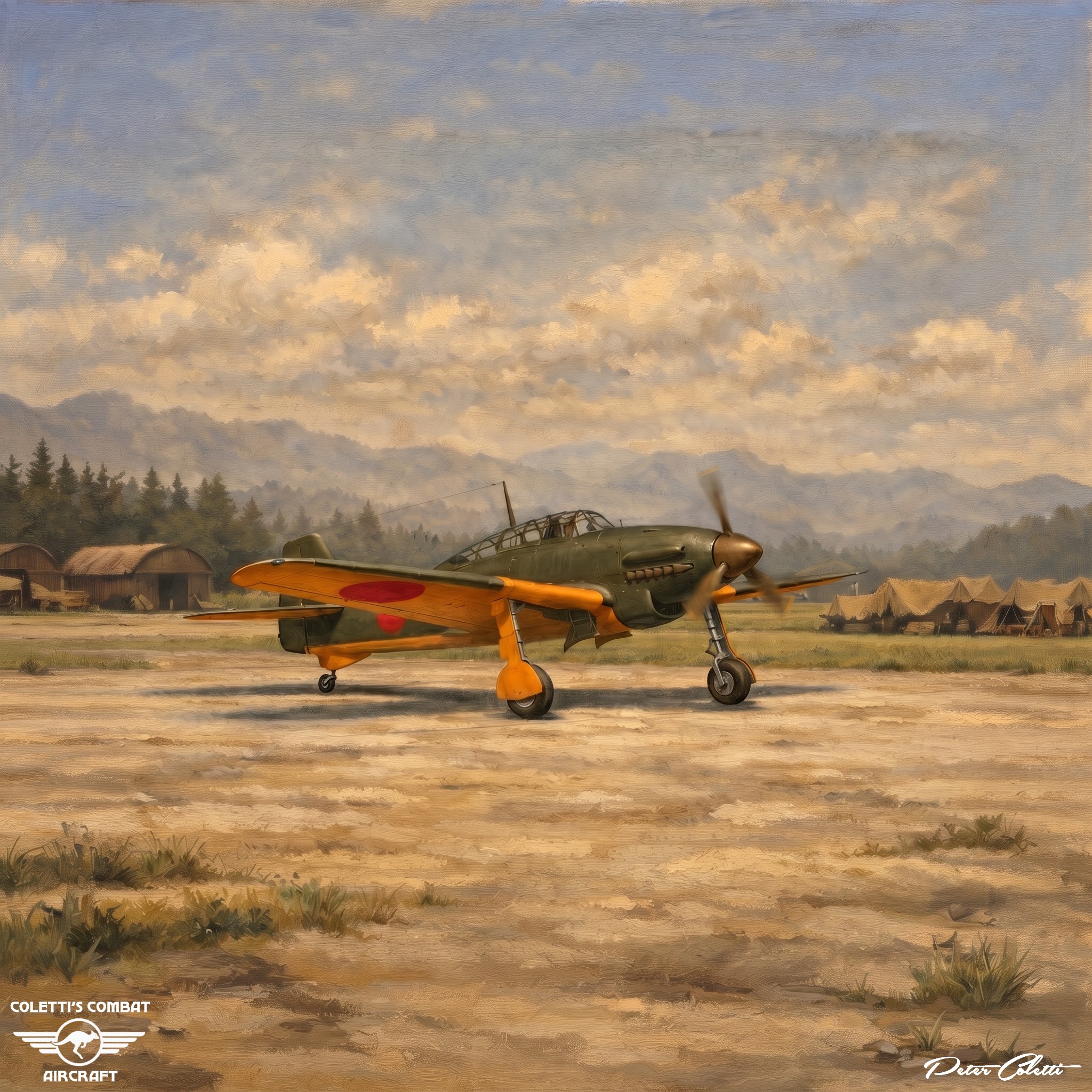
The M6A1‑K Nanzan was a land‑based training version of the Seiran, created to prepare pilots for the unique handling characteristics of the submarine‑launched aircraft.
Only two examples were built.
Key differences from the standard Seiran included the following:
Retractable wheeled landing gear instead of floats
Non‑folding vertical stabilizer (the folding top section was removed)
Simplified structure for training use
The Nanzan allowed pilots to practise takeoff, landing, and general flight handling without risking the limited number of operational Seirans.
It was never intended for combat use.
M6A2 — High-Power Prototype Modification
The M6A2 was an experimental attempt to improve the Seiran’s performance by replacing the Atsuta engine with the Mitsubishi Kinsei MK8P 62, an air‑cooled radial engine producing 1,163 kW (1,560 hp).
Only one prototype was built.
The change in engine type required significant redesign of the forward fuselage and altered the aircraft’s aerodynamics.
The goal was to improve reliability and power output, as the Atsuta engine had become increasingly difficult to manufacture and maintain late in the war.
However, the M6A2 never progressed beyond the prototype stage due to the following:
Japan’s deteriorating industrial capacity
The cancellation of further I‑400–class submarine construction
The imminent end of the war
The single M6A2 remained an experimental footnote in the Seiran programme.