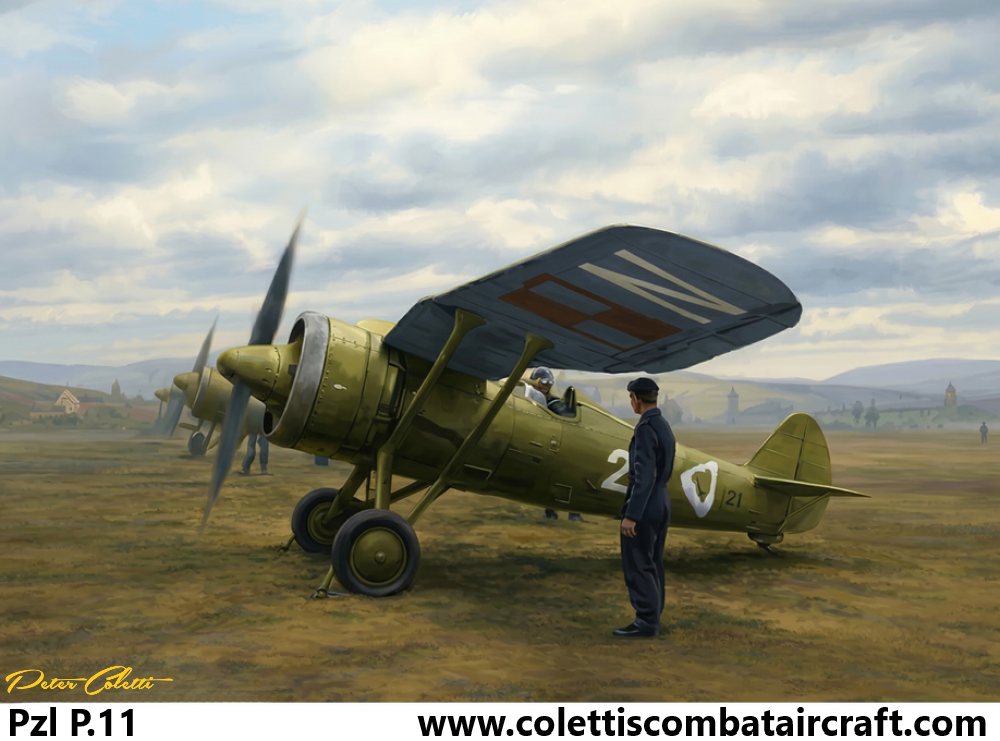
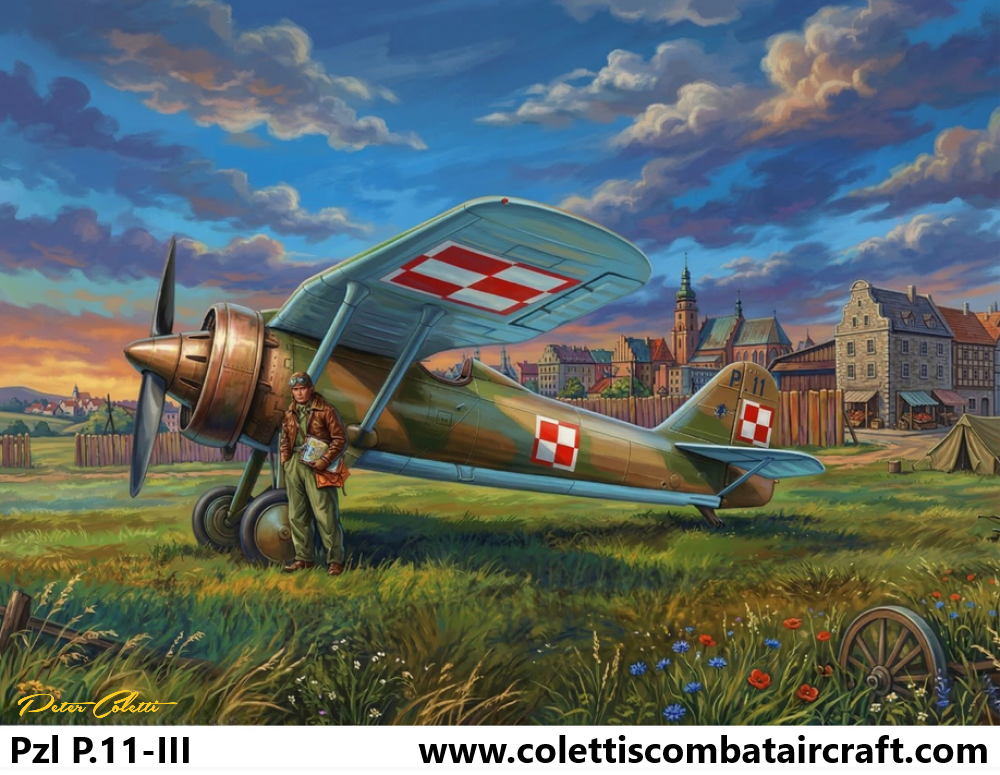
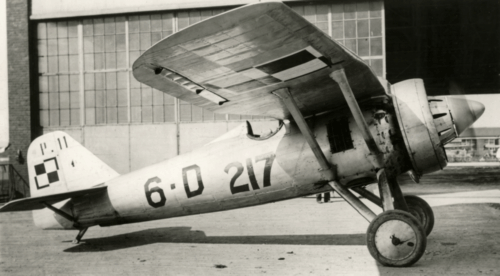
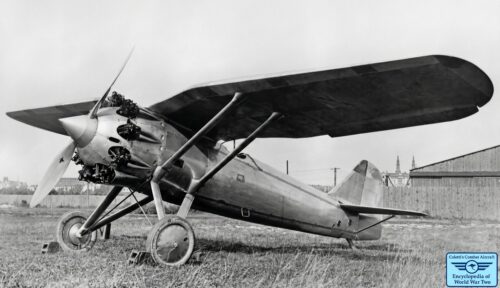
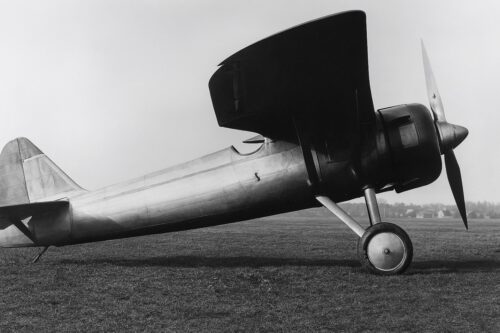
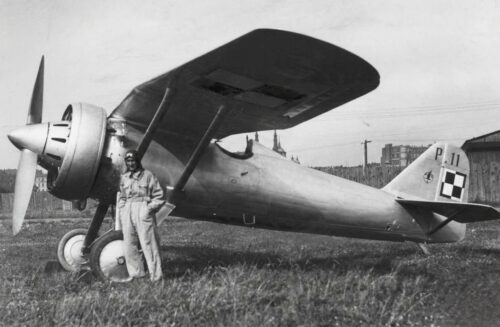
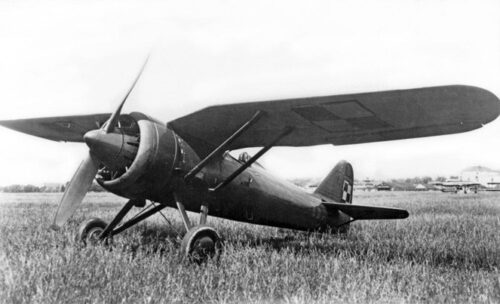
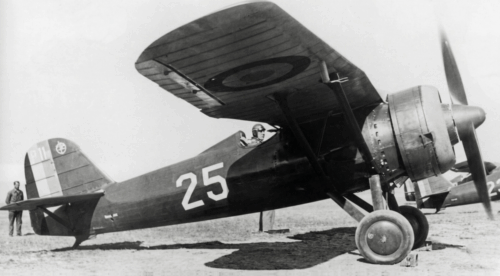
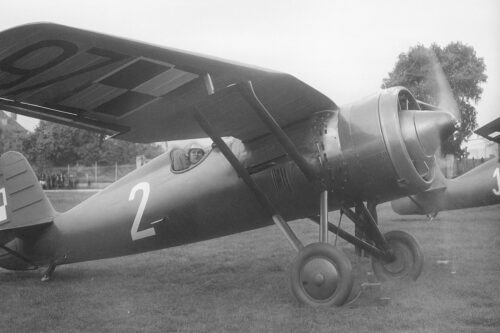
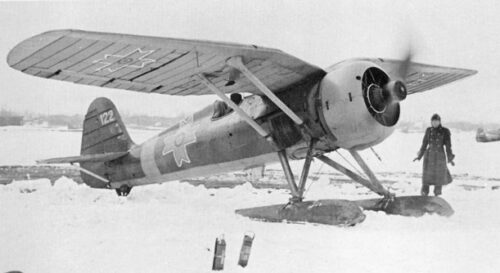
The PZL P.11 was Poland’s principal fighter aircraft at the outbreak of World War II.
Designed in the early 1930s by Zygmunt Puławski and built by PaństwoweZakładyLotnicze (PZL), it featured a high-mounted gull wing and all-metal construction.
Though revolutionary at its 1934 introduction, by 1939 it was obsolete compared to contemporary German aircraft.
Deployment in the September Campaign
At the start of the German invasion on 1 September 1939, the Polish Air Force fielded approximately 129 PZL P.11 fighters, including:
20 P.11a models (early production)
109 P.11c models (main combat variant)
These aircraft were distributed among pursuit squadrons of the Pursuit Brigade and army cooperation units, with concentrations around Warsaw and key field army sectors.
Combat Performance
Despite its outdated design, the P.11 was flown aggressively in the defence of Polish airspace.
Its strengths included the following:
Excellent maneuverability at low altitudes
Rugged construction suitable for rough-field operations
Experienced pilots, many of whom had trained extensively on the type
However, the aircraft faced overwhelming disadvantages:
Inferior speed and climb rate compared to German Bf 109s and bombers
Light armament of two or four 7.92 mm machine guns
Lack of radios in most aircraft, hindering coordination
No armor or self-sealing fuel tanks
Despite these limitations, Polish pilots flying the P.11 achieved notable successes.
Confirmed kills included:
Messerschmitt Bf 109s, Heinkel He 111s, Dornier Do 17s, Henschel Hs 126s.
The exact number of victories remains debated, but estimates suggest 30–40 German aircraft were downed by P.11 pilots in the campaign’s early days.
Losses and Withdrawal
Losses were severe.
Most P.11s were destroyed in combat or on the ground during Luftwaffe raids.
By mid-September, surviving aircraft were increasingly relegated to reconnaissance and liaison roles.
A few were evacuated to Romania, where they were interned and used for training.
Legacy
The PZL P.11’s wartime service was a testament to Polish pilot skill and bravery.
Though technologically outclassed, it was the backbone of Poland’s fighter defence in 1939.
Its combat record—while modest—symbolised resistance against overwhelming odds and marked the end of the gull-wing fighter era.
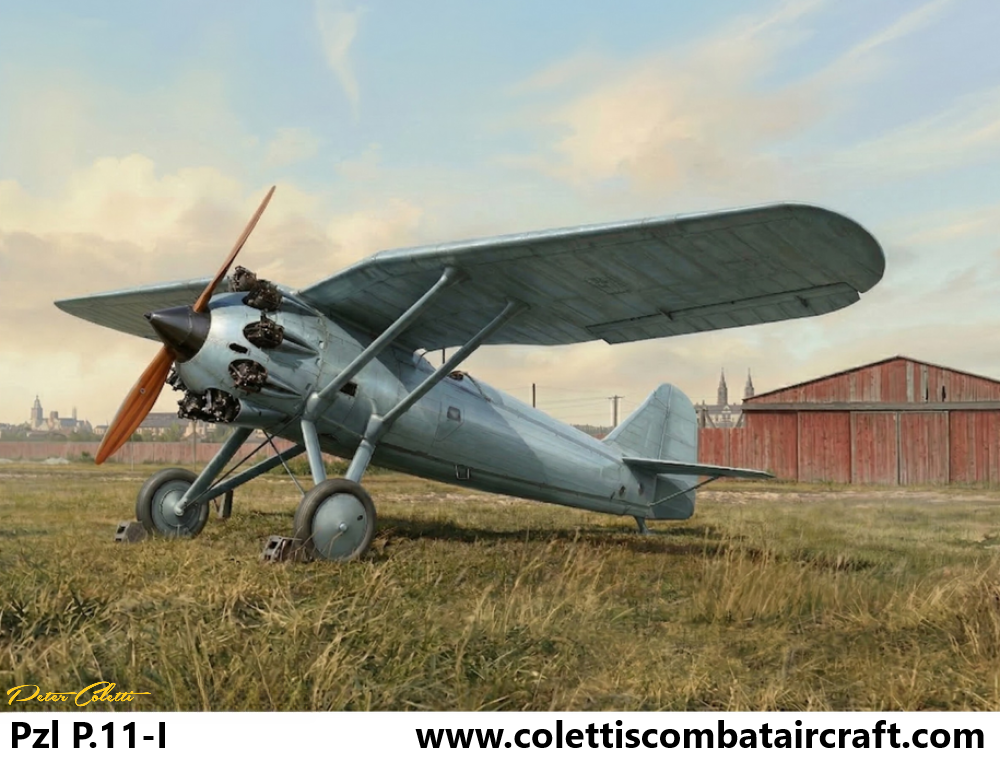
P.11/I The first prototype of the P.11 line, fitted with a 384 kW (515 hp) Gnome‑Rhône Jupiter IX ASb.
It established the refined gullwing layout that defined the series.
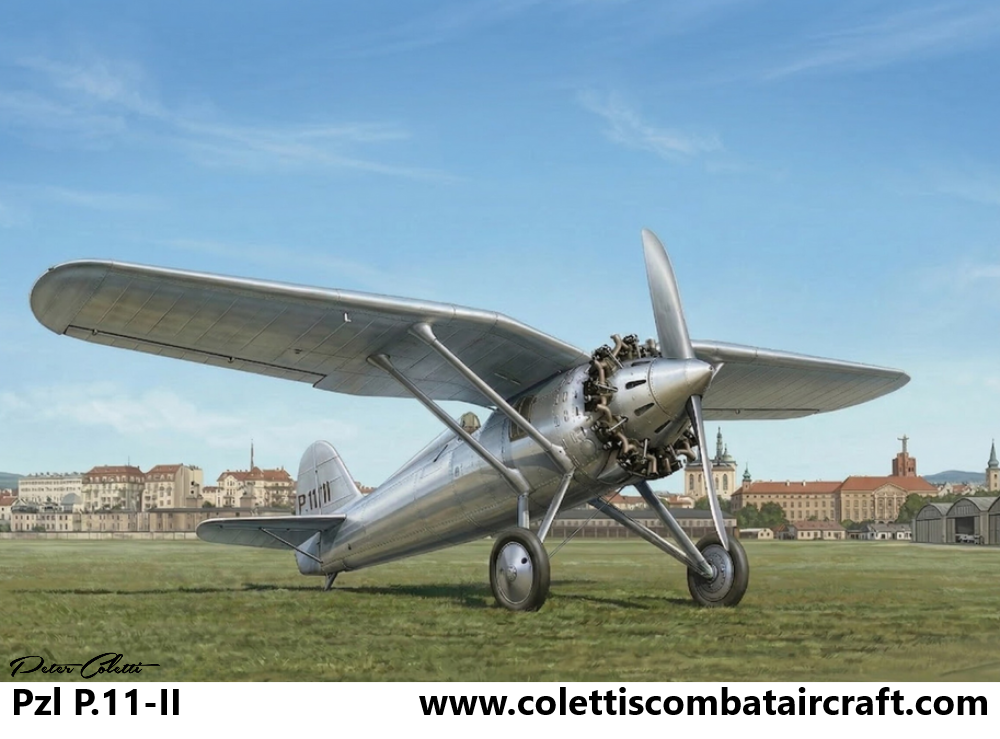
P.11–II The second prototype, powered by a 395 kW (530 hp) Bristol Mercury IV.A, was enclosed in a long-chord cowling.
It served as the primary testbed for fixed‑pitch wooden propellers from Letov Kbely, Bristol, Ratier, Szomański, and Chauvière.
With the Chauvière propeller it reached 346 km/h (215 mph) at 4,000 m (13,123 ft).
P.11–III The production‑standard prototype, Mercury‑powered, incorporates structural simplifications to streamline mass production.
It formed the basis for the P.11a and P.11b.
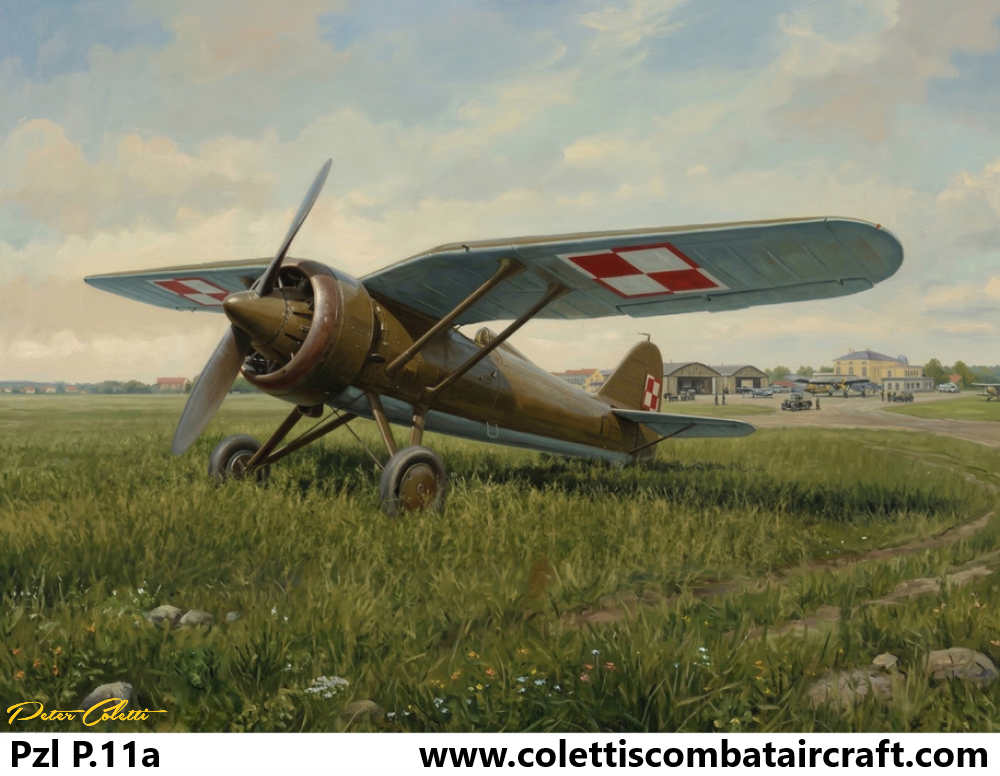
P.11a The first operational version for the LotnictwoWojskowe.
Fifty were ordered, though construction followed completion of the Romanian P.11b batch.
These aircraft used Polish‑built Skoda Works Mercury IV.S2 engines rated between 370.6 and 385.5 kW (497–517 hp).
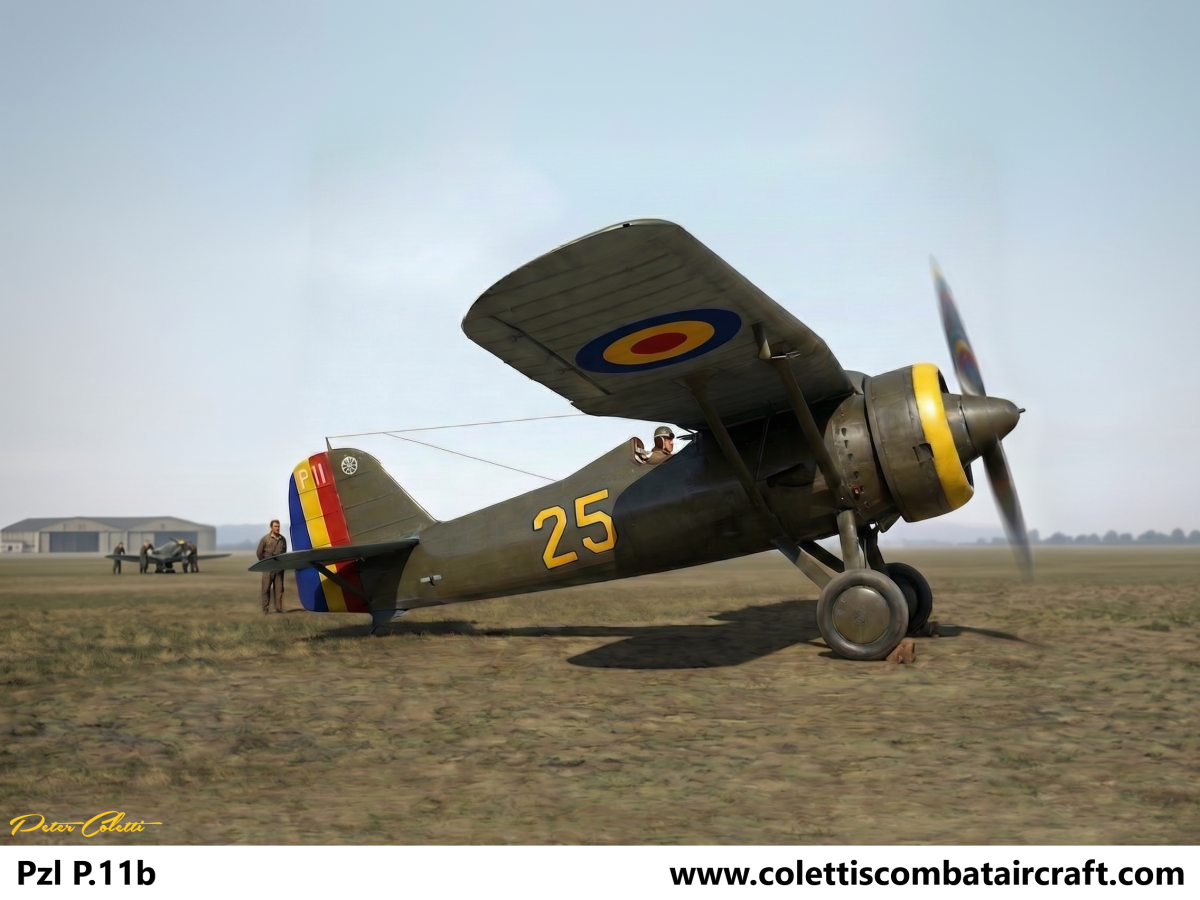
P.11b A Romanian order for fifty aircraft, powered by 391.5 kW (525 hp) Gnome‑Rhône 9K Mistral or IAR‑built 9K Mistral engines.
Forty‑nine were completed, with the remaining airframe diverted for development of the P.11f.
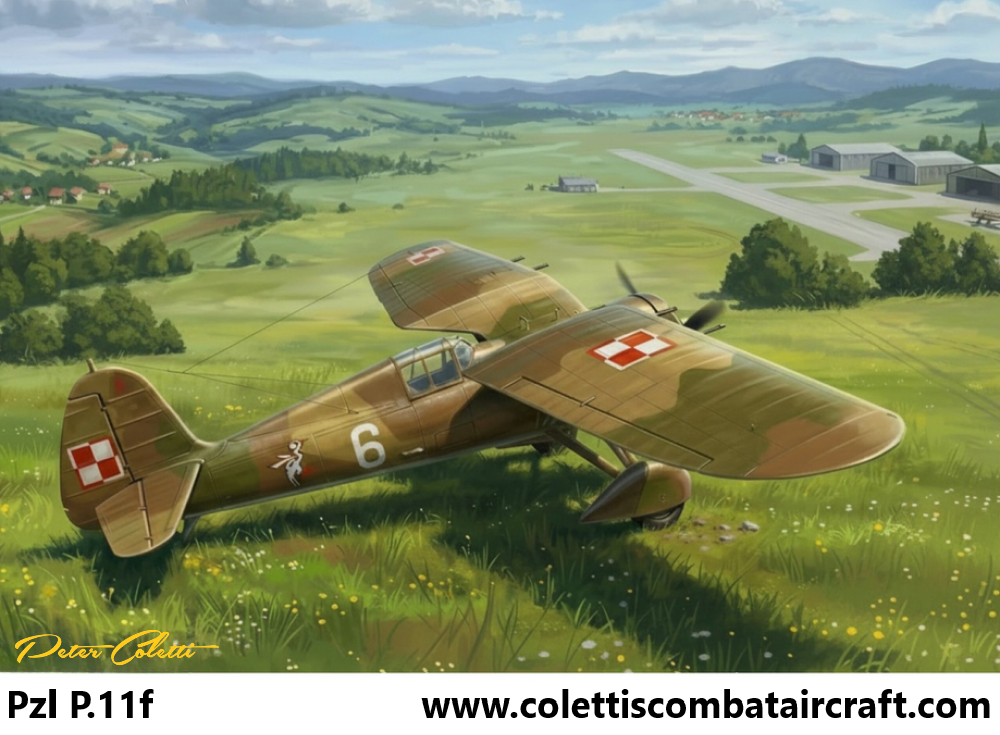
P.11c The principal Polish production model, redesigned with a lowered engine installation for improved forward visibility, a revised cockpit, and a modified wing centre section.
Powered by Mercury V S2 or Mercury VI S2 engines.
A total of 150 were built.
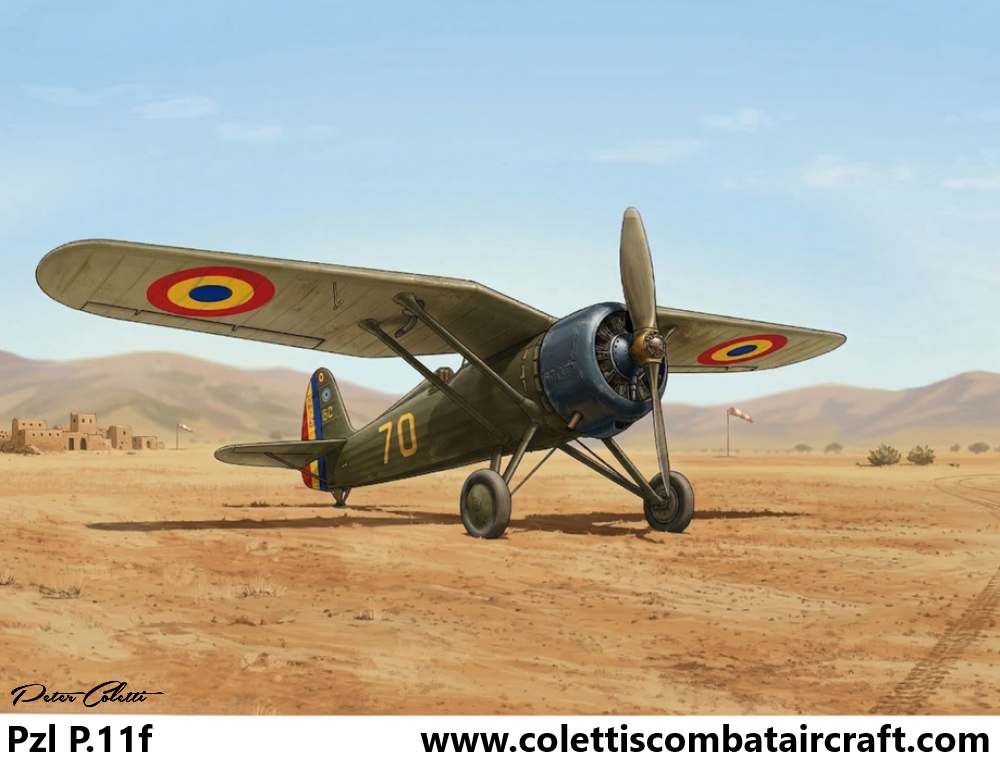
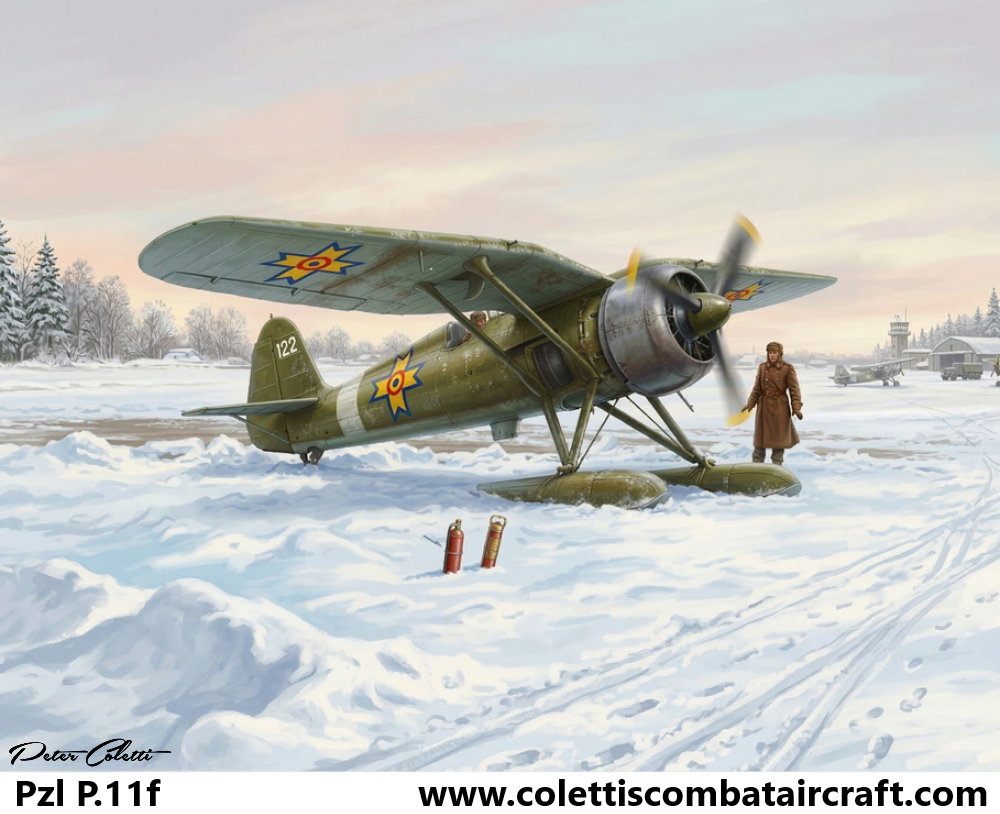
P.11f A Romanian licence-built development produced by IAR, totalling 95 aircraft.
Powered by the 449 kW (602 hp) IAR 9K Mistral, it was the most powerful production version of the P.11 family.
P.11g Kobuz A late attempt to modernise the P.11 as a stopgap pending the delayed PZL.50 Jastrząb.
The airframe was strengthened to accept the 626 kW (840 hp) Mercury VIII, and the design incorporated an enclosed cockpit and four 7.92 mm km wz.36 machine guns.
The sole prototype, converted from a P.11c, first flew on 15 August 1939.
The German invasion halted further development.
Specifications (P.11c)
Crew
1
Length
7.55 m (24 ft 9 in)
Wingspan
10.719 m (35 ft 2 in)
Height
2.85 m (9 ft 4 in)
Wing area
17.9 m² (193 sq ft)
Empty weight
1,147 kg (2,529 lb)
Gross weight
1,630 kg (3,594 lb)
Max take-off weight
1,800 kg (3,968 lb)
Powerplant
1 × Bristol Mercury V.S2,
9-cylinder air-cooled radial piston engine,
420 kW (560 shp)
Propellers
2-bladed Szomański fixed-pitch wooden propeller
Performance
Maximum speed
390 km/h (240 mph, 210 kn) at 5,000 m (16,000 ft),
300 km/h (190 mph) at sea level
Stall speed
98 km/h (61 mph, 53 kn)
Range
700 km (430 mi, 380 nmi)
Service ceiling
8,000 m (26,000 ft)
absolute ceiling
11,000 m (36,000 ft)
Time to altitude
5,000 m (16,000 ft) in 6 minutes
7,000 m (23,000 ft) in 13 minutes
Wing loading
91.1 kg/m² (18.7 lb/sq ft)
Power/mass
0.279 kW/kg (0.166 hp/lb)
Armament
Guns
2 x 7.92 mm (0.312 in) wz. 33 machine guns in the fuselage with 500 rpg.
Optional
2 × 7.92 mm (0.312 in) wz. 33 machine guns in wings with 300 rpg.