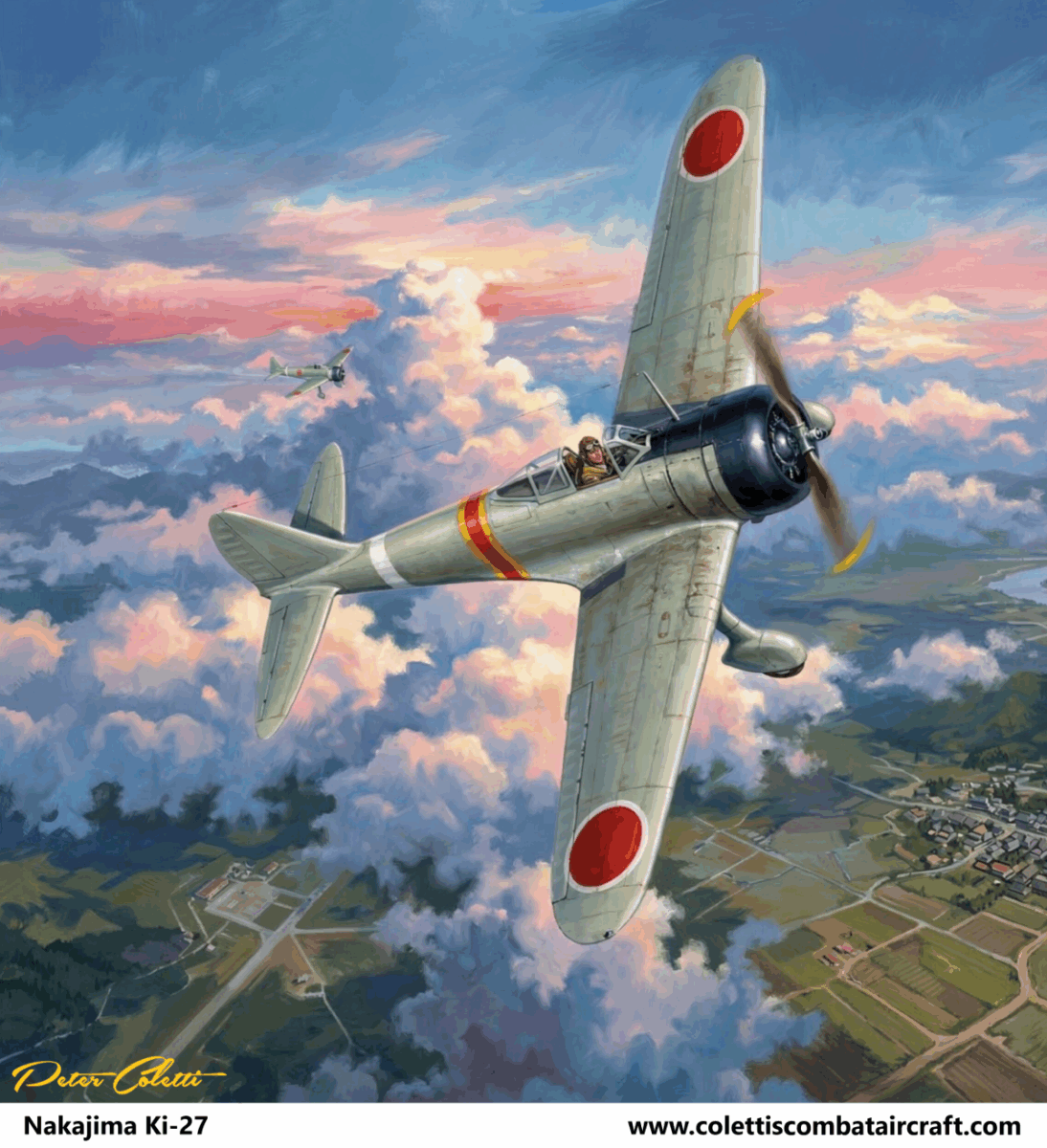
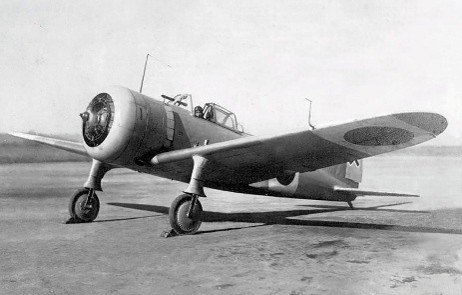
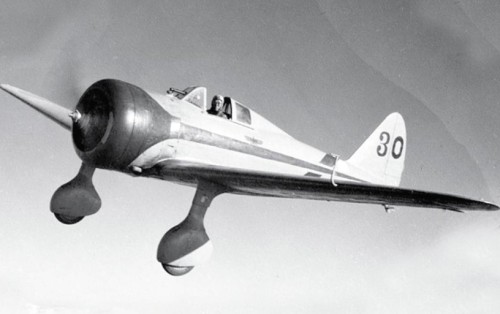
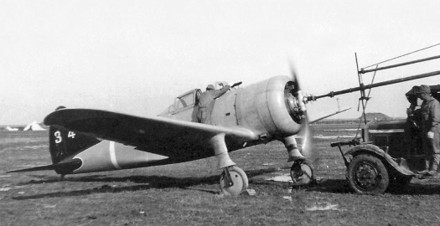
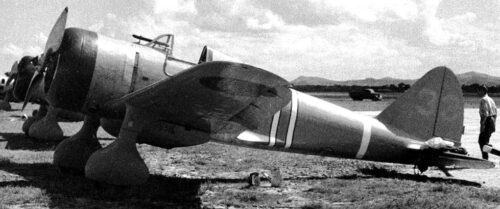
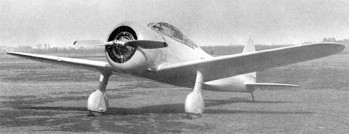
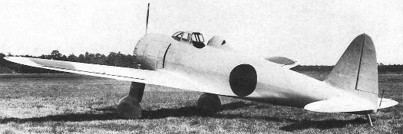
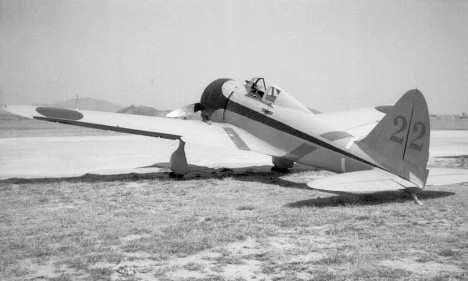
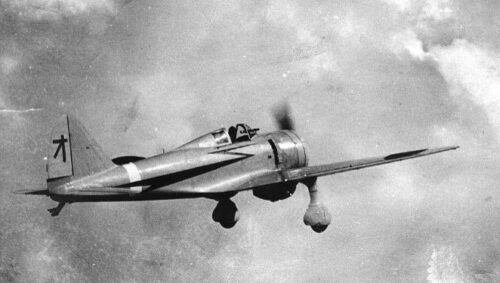
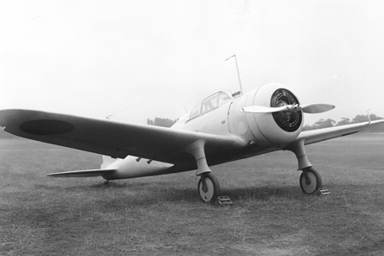
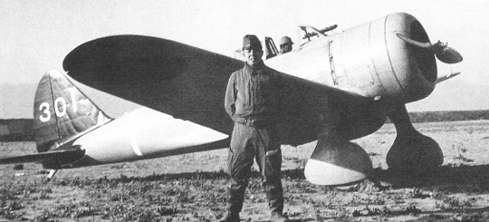
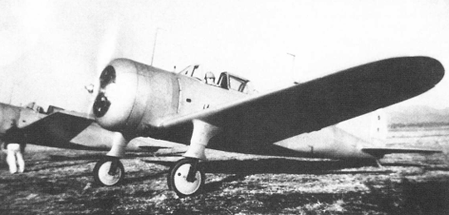
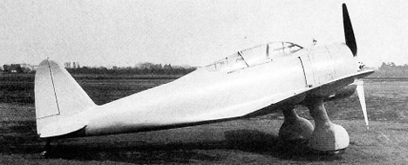
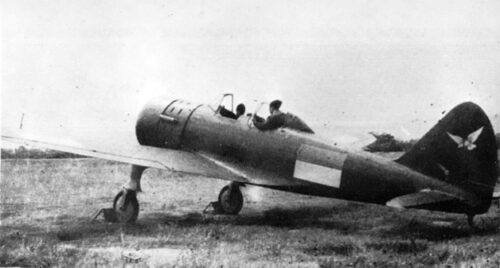
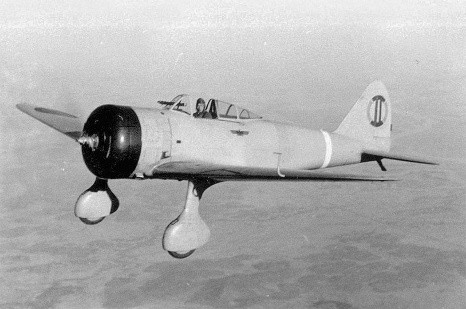
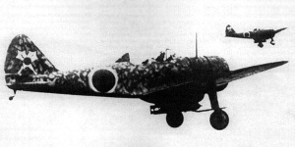
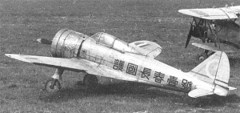
The Nakajima Ki‑27 (Type 97 Fighter), Allied codename “Nate” (and sometimes “Abdul” in the CBI theatre), was the primary fighter of the Imperial Japanese Army Air Service (IJAAS) from its introduction in 1937 until it began to be replaced by more modern types in 1940–41.
It was Japan’s first mass‑produced monoplane fighter and represented a major leap from the earlier biplane Ki‑10.
Pre‑War and Early Combat Use (1937–1939)
Second Sino‑Japanese War
The Ki‑27 entered combat almost immediately after adoption, serving as the IJA’s frontline fighter in China.
Its exceptional manoeuvrability, light weight, and responsive controls made it highly effective in dogfights against Chinese aircraft, many of which were older biplanes or early monoplanes.
The Ki‑27’s success in China cemented its reputation and encouraged the Japanese Army to continue prioritising manoeuvrability over armour and self‑sealing tanks—choices that would later prove costly.
Nomonhan / Khalkhin Gol (1939)
The Ki‑27 saw its most intense pre‑Pacific War combat during the Nomonhan Incident (Khalkhin Gol), the undeclared war between Japan and the Soviet Union in 1939.
Here, Ki‑27 units clashed with Soviet I‑15 and I‑16 fighters.
Performance in the Campaign
The Ki‑27 outturned Soviet fighters and initially enjoyed tactical success.
However, Soviet aircraft were faster, better armed, and more robust, and Soviet pilots adapted quickly.
Heavy losses exposed the Ki‑27’s vulnerabilities: no armour, no self‑sealing tanks, and light armament.
The campaign was a sobering lesson for the IJA, though the Ki‑27 remained in service due to lack of immediate replacements.
Early Pacific War (1941–1942)
At the outbreak of the Pacific War, the Ki‑27 was still widely deployed across:
Manchuria
China
South-east Asia
Thailand (Royal Thai Air Force operated the type)
Combat in South-east Asia
During the initial Japanese offensives in late 1941 and early 1942, Ki‑27 units supported rapid advances:
Providing air cover for ground forces
Escorting bombers
Engaging Allied fighters such as the Buffalo, Hawk 75, and early P‑40 variants
The Ki‑27’s agility still made it dangerous in close‑in combat, but its low speed and weak armament were becoming increasingly apparent.
China–Burma–India (CBI) Theatre
In the CBI, the Ki‑27 encountered the American Volunteer Group (AVG) “Flying Tigers”, whose P‑40s used superior speed, firepower, and diving tactics to avoid turning fights.
The Ki‑27’s manoeuvrability could not compensate for its lack of protection and limited performance envelope.
This theatre is also where the aircraft became widely known as “Abdul” in post‑war accounts, though “Nate” remained the official Allied reporting name.
Mid‑War Decline and Secondary Roles (1943–1945)
By 1943, the Ki‑27 was hopelessly obsolete against modern Allied fighters.
It was gradually withdrawn from frontline service and reassigned to the following:
Training units
Home defence auxiliary units
Kamikaze (tokkō) operations in the final months of the war
Colonial and puppet‑state air forces, including Manchukuo and the Reformed Government of China
Despite its obsolescence, the Ki‑27 remained in scattered service until Japan’s surrender in 1945.
Assessment of Combat Effectiveness
Strengths
Superb low‑speed manoeuvrability
Excellent pilot visibility
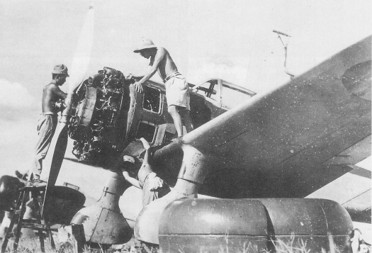
Simple, reliable, and lightweight design
Highly effective in early war dogfights
Weaknesses
No armour or self‑sealing tanks
Light armament (two 7.7 mm MGs)
Low top speed and poor diving ability
Rapidly outclassed by Allied fighters after 1941
The Ki‑27 was a formidable dogfighter in its era, but its design philosophy—prioritising manoeuvrability above all else—left it unable to survive the escalating firepower and performance demands of mid‑war aerial combat.
Nakajima Army Type 97 Fighter
Formal Imperial Japanese Army designation for the Ki‑27 series.
Adopted for all standard production aircraft.
Nakajima Ki‑27 (Prototype)
Initial prototypes built to meet the 1935 IJAAF fighter requirement.
Two aircraft were constructed, each armed and evaluated against competing designs.
Nakajima Type PE
Private‑venture experimental design powered by the Nakajima Ha‑1a radial engine.
It served as the direct precursor to the Ki‑27 programme and informed the IJAAF’s subsequent fighter specification.
Nakajima Ki‑27‑Kai (Prototype)
Refined pre‑production configuration featuring the more powerful Nakajima Ha‑1b engine, structural strengthening, and minor aerodynamic improvements.
Ten aircraft produced for service trials.
Ki‑27a (Army Type 97 Fighter Model A)
First full production model.
Featured the Ha‑1b engine, standard armament, and the original canopy and cooling arrangement.
Approximately 565 aircraft were built.
Ki‑27a‑Kai
Unarmed or lightly armed conversion trainers derived from existing Ki‑27a airframes.
Approximately 150 aircraft converted for advanced pilot instruction.
Ki‑27b (Army Type 97 Fighter Model B)
Main production version with an improved canopy, revised oil cooler, and under‑wing hardpoints for 4 × 25 kg (55 lb) bombs or auxiliary fuel tanks.
A total of 1,492 built, including 50 manufactured by Tachikawa Aircraft Company Ltd.
Ki‑27b‑Kai
Dedicated trainer conversions based on the Ki‑27b airframe.
Approximately 225 aircraft modified for two‑seat or dual‑control training roles.
Nakajima Ki‑27‑Kai
(Lightened Experimental Version)
A weight‑reduced experimental derivative was developed as an interim measure during delays in the Ki‑43 programme.
Achieved a top speed of 475 km/h (295 mph).
Only two aircraft were completed.
Mansyū Ki‑79
Purpose‑built trainer family manufactured by Manshūkoku Hikōki Seizō KK.
Powered by either the 510 hp Hitachi Ha‑13a‑I or Ha‑13a‑III engine.
A total of 1,329 were produced across four sub‑variants: