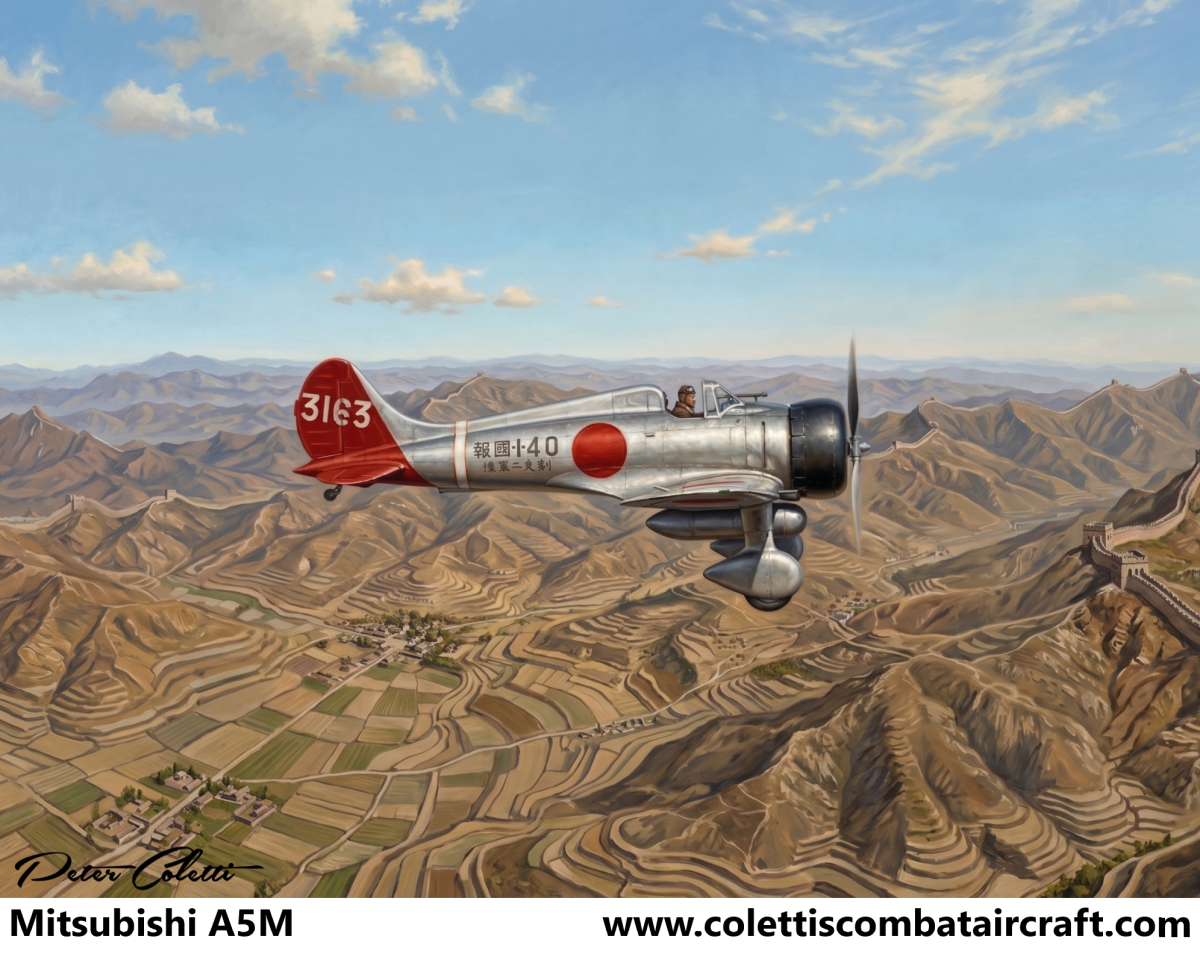
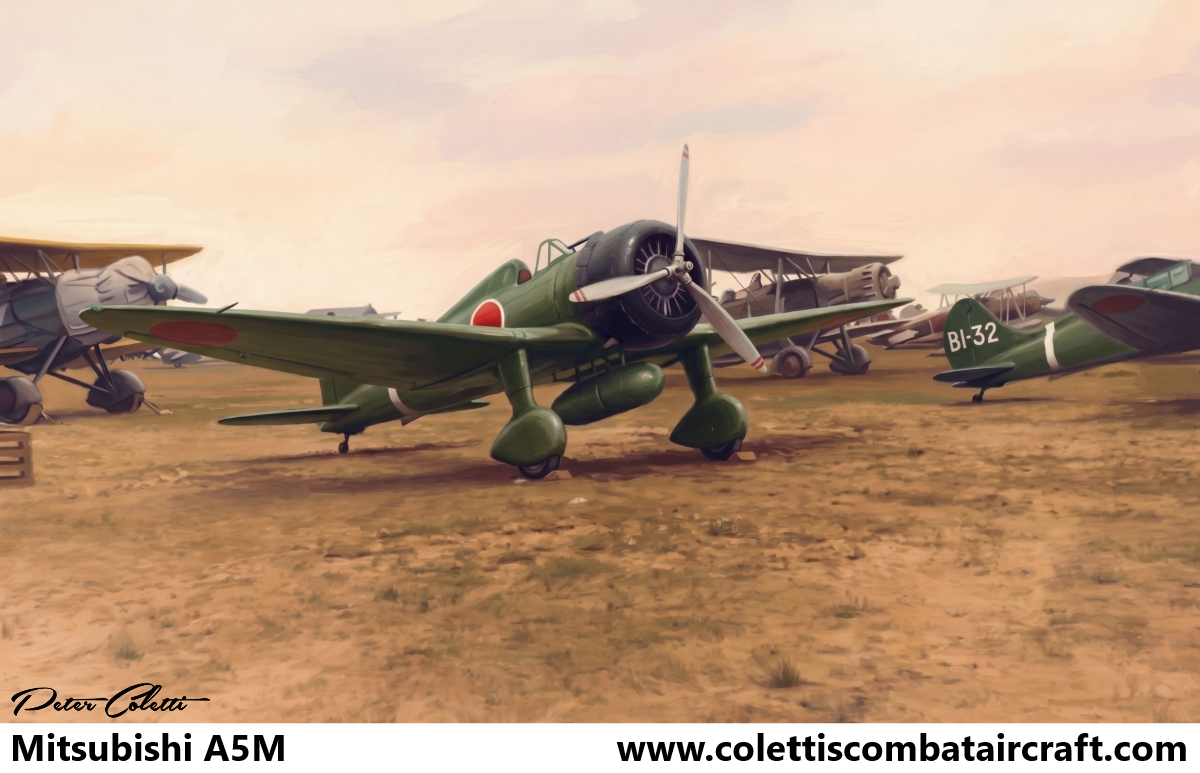
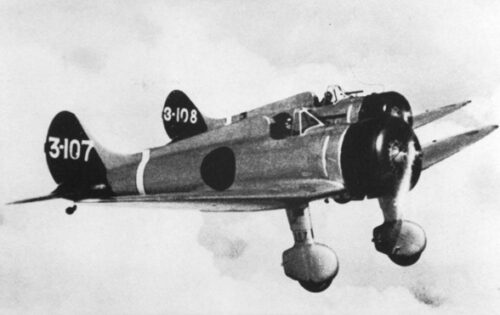
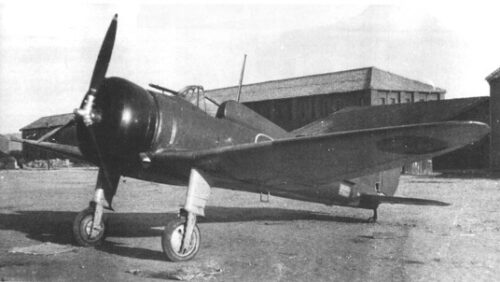
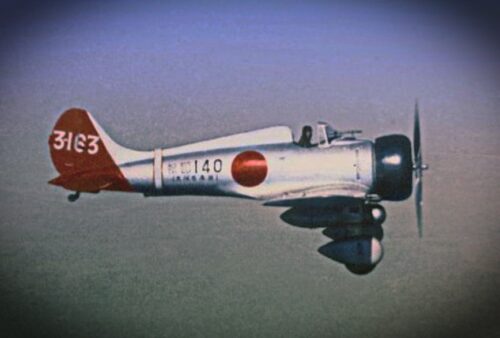
The Mitsubishi A5M “Claude” served as Japan’s primary carrier-based fighter in the early stages of WWII, seeing extensive combat in China and limited action in the Pacific before being replaced by the A6M Zero.
Type
Carrier-based monoplane fighter
Entered Service
1936 with the Imperial Japanese Navy
Designer
Jiro Horikoshi
Production Total
Approximately 1,094 units
Early Combat Deployment
Sino-Japanese War
The A5M debuted in combat during the Second Sino-Japanese War in 1937.
Operated from IJN carriers like Kaga and Sōryū, it dominated Chinese skies, outmanoeuvring biplane opponents such as the Curtiss Hawk III and Boeing P-26.
Its agility and climb rate gave Japanese pilots a decisive edge, contributing to air superiority over China through 1940.
Design Features and Limitations
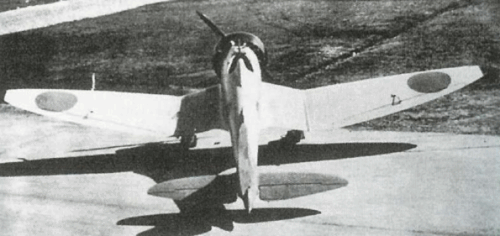
First monoplane carrier fighter in the world, marking a shift from biplane designs.
Featured a fixed undercarriage, open cockpit, and light armament (two 7.7 mm machine guns).
Powered by a Nakajima Kotobuki radial engine, it reached speeds up to 397 km/h (246 mph).
Though revolutionary in 1936, by 1941 it was outclassed by newer Allied and Japanese aircraft.
Role in the Pacific War
By the time of the Pearl Harbour attack in December 1941, the A5M had been largely replaced by the A6M Zero.
However, some A5Ms remained in secondary roles, including:
Training aircraft (dual-seat variants)
Local defense units in rear areas
Kamikaze missions in the final stages of the war
Operational Decline and Legacy
The A5M was phased out from frontline service by mid-1943, though it lingered in support roles until Japan’s surrender in 1945.
Its legacy lies in its role as a transitional design, bridging the gap between biplane fighters and the advanced monoplane Zeros.
It proved Japan’s capability to produce competitive naval aircraft and laid the groundwork for future designs.
Historical Significance
The A5M’s success in China helped shape Japanese air doctrine and carrier operations.
It was a symbol of Japan’s rising aviation prowess in the late 1930s.
Despite its obsolescence by WWII’s midpoint, its early dominance and technical innovations make it a key chapter in naval aviation history.
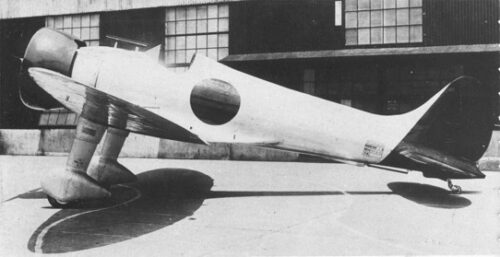
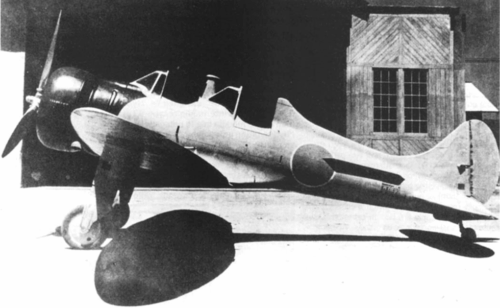
Ka-14 (Prototype Series)
Purpose
Experimental foundation for the A5M series.
Quantity
Six prototypes were built between 1935 and 1936.
Features
Tested various wing configurations (including inverted gull wing), engine types, and aerodynamic refinements.
Outcome
Validated the monoplane concept for carrier use; led directly to A5M1 production.
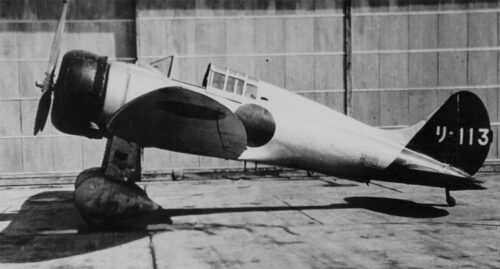
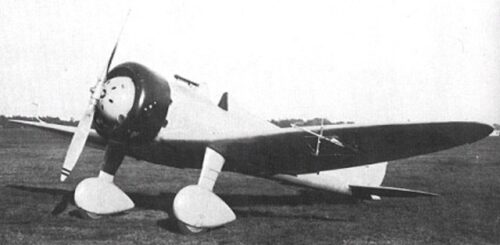
A5M1 (Model 1)
Role
First production carrier fighter.
Engine
850 hp Nakajima Kotobuki 2 KAI I radial.
Features
Fixed undercarriage, open cockpit, clean low-wing monoplane layout.
Service Entry
1937
Combat Use
Dominated Chinese skies during the early Sino-Japanese War; deployed from carriers Kaga and Sōryū.
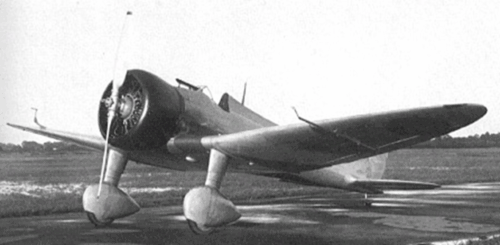
A5M2 / A5M2a (Model 21)
Engine
Upgraded Kotobuki 2 KAI 3.
Features
Improved climb rate and speed; retained open cockpit.
Notes
Minor aerodynamic refinements; continued frontline use into 1939.
A5M2b (Model 22)
Engine
640 hp Kotobuki 3.
Features
Introduced NACA cowling for improved cooling and streamlining.
Cockpit
Some prototypes tested an enclosed canopy, but production retained an open cockpit.
A5M4 (Model 24 / Model 34)
Engine
Kotobuki 41 KAI.
Features
Open cockpit, detachable drop tank for extended range.
Model 34
Final production batch with minor structural reinforcements.
Roles
Homeland defence, pilot training, and kamikaze missions in late WWII.
Correction
Despite some confusion in secondary sources, the A5M4 did not feature a closed cockpit.
A5M4-K (Trainer)
Configuration
Two-seat trainer with tandem open cockpits.
Production
103 units built by Naval Ohmura Arsenal.
Use
Advanced flight instruction and carrier landing practice.
Ki-18 (IJAAF Prototype)
Engine
550 hp Kotobuki 5.
Role
Land-based adaptation for the Imperial Japanese Army.
Outcome
Rejected in favour of the Nakajima Ki-27; only one prototype built.
Ki-33 (IJAAF Prototype)
Features
Closed cockpit, alternative engine configuration.
Quantity
Two prototypes.
Outcome
Not adopted; served as a testbed for Army fighter development.
Specifications (A5M4)
Crew
1
Length
7.565 m (24 ft 10 in)
Wingspan
11 m (36 ft 1 in)
Height
3.27 m (10 ft 9 in)
Wing area
17.8 m² (192 sq ft)
Airfoil
Root
B-9 mod. (16%)
Tip
B-9 mod. (9%)
Empty weight
1,216 kg (2,681 lb)
Gross weight
1,671 kg (3,684 lb)
Powerplant
1 × Nakajima Kotobuki 41
or
41 KAI 9-cylinder air-cooled radial piston engine,
530 kW (710 hp) for take-off
585 kW (785 hp) at 3,000 m (9,800 ft)
Propellers
3-bladed metal propeller
Performance
Maximum speed
435 km/h (270 mph, 235 kn) at 3,000 m (9,800 ft)
Range
1,200 km (750 mi, 650 nmi)
Service ceiling
9,800 m (32,200 ft)
Time to altitude
3,000 m (9,800 ft) in 3 minutes 35 seconds
Wing loading
93.8 kg/m² (19.2 lb/sq ft)
Power/mass
0.316 kW/kg (0.192 hp/lb)
Armament
Guns
2× 7.7 mm (0.303 in) Type 97 aircraft machine gun
fuselage-mounted synchronized machine guns
firing through the engine cylinders and propeller at about 1 and 11 o’clock.