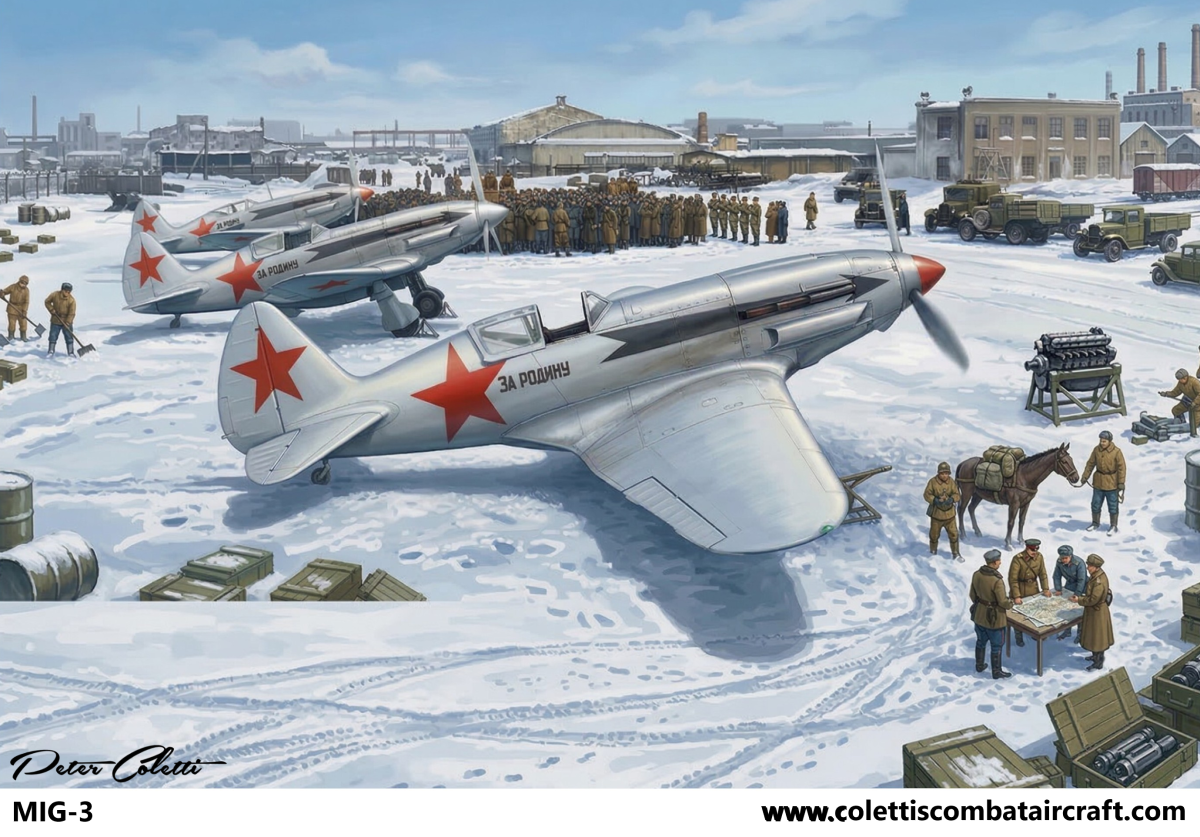
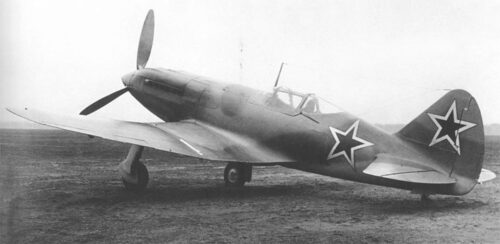
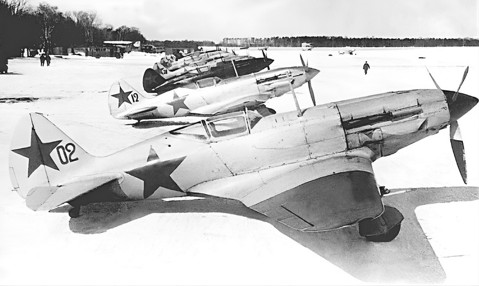
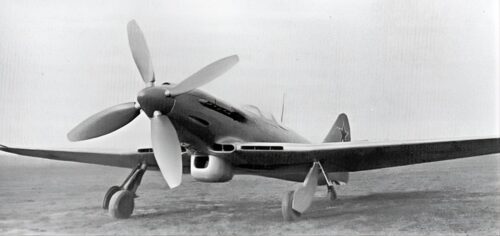
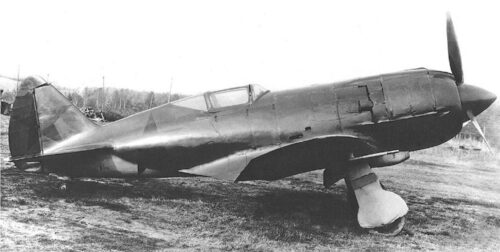
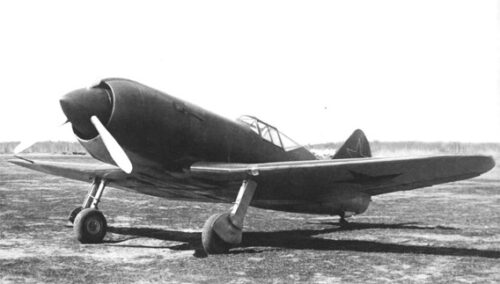
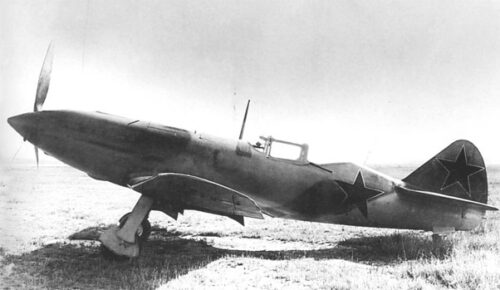
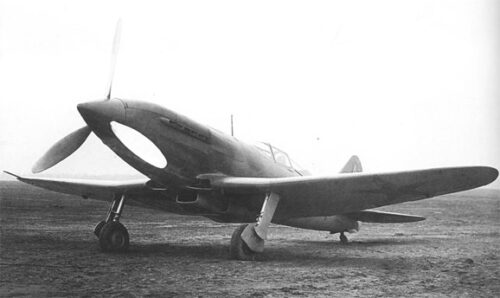
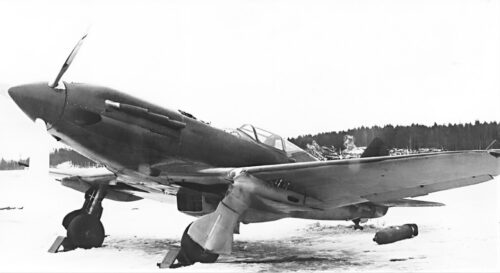
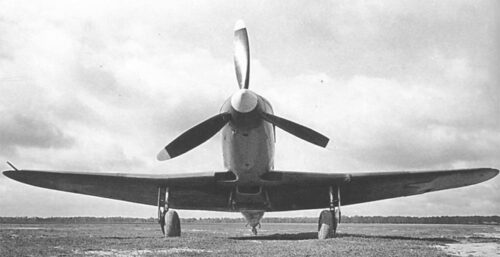
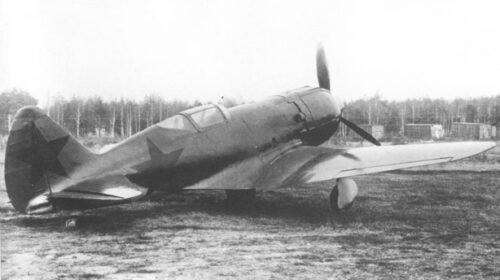
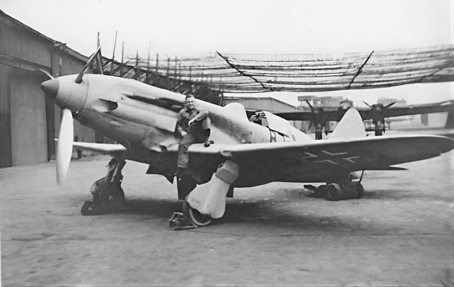
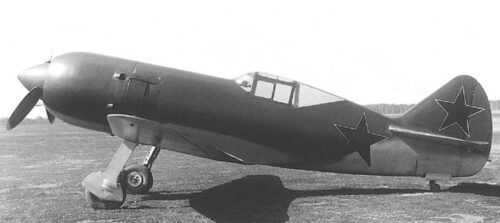
The Mikoyan-Gurevich MiG-3 was introduced in 1941 as a high-speed, high-altitude interceptor designed to counter German reconnaissance aircraft and bombers.
Developed from the MiG-1, it featured the powerful Mikulin AM-35A engine and a streamlined airframe capable of reaching 640 km/h at altitude.
However, the MiG-3’s operational history was shaped more by circumstance than design intent:
Deployment and Early Challenges
By June 1941, over 1,000 MiG-3s were in service, but fewer than 500 trained pilots were available to fly them.
The aircraft was difficult to handle, especially for pilots transitioning from older Polikarpov biplanes and monoplanes.
Many regiments received MiG-3s without adequate training, leading to high accident rates and poor combat performance.
Tactical Misalignment
The MiG-3 excelled at high-altitude interception, but most Luftwaffe operations over the Eastern Front occurred at low altitudes, where the MiG-3 was sluggish and poorly manoeuvrable.
Its long nose and cockpit placement reduced visibility, complicating dogfighting and ground attack missions.
Battle of Moscow and Defensive Role
Despite limitations, the MiG-3 played a key role in defending Moscow during the German advance in late 1941.
Pilots from elite units like the 4th Fighter Regiment adapted to the aircraft’s quirks and achieved moderate success against German bombers and fighters.
Adaptations and Decline
Some MiG-3s were modified for ground attack and reconnaissance, including variants fitted with cameras and bombs.
As the war progressed, the MiG-3 was increasingly outclassed by newer Soviet designs like the Yak-1, LaGG-3, and La-5.
Production ceased in late 1941, with remaining aircraft relegated to secondary roles or withdrawn by 1943.
MiG-3 (Production Variant)
The standard production model, powered by the Mikulin AM-35A inline V-12 engine, was optimised for high-altitude interception.
Over 3,400 units were built between 1940 and 1942.
Modifications from the MiG-1 included
Forward-shifted engine for better center of gravity
Increased wing dihedral for improved stability
Reinforced airframe and upgraded armament
(typically, one 12.7 mm UBS and two 7.62 mm ShKAS machine guns)
Despite its 640 km/h top speed at altitude,
Its poor low-level handling and limited visibility were ineffective in frontline service.
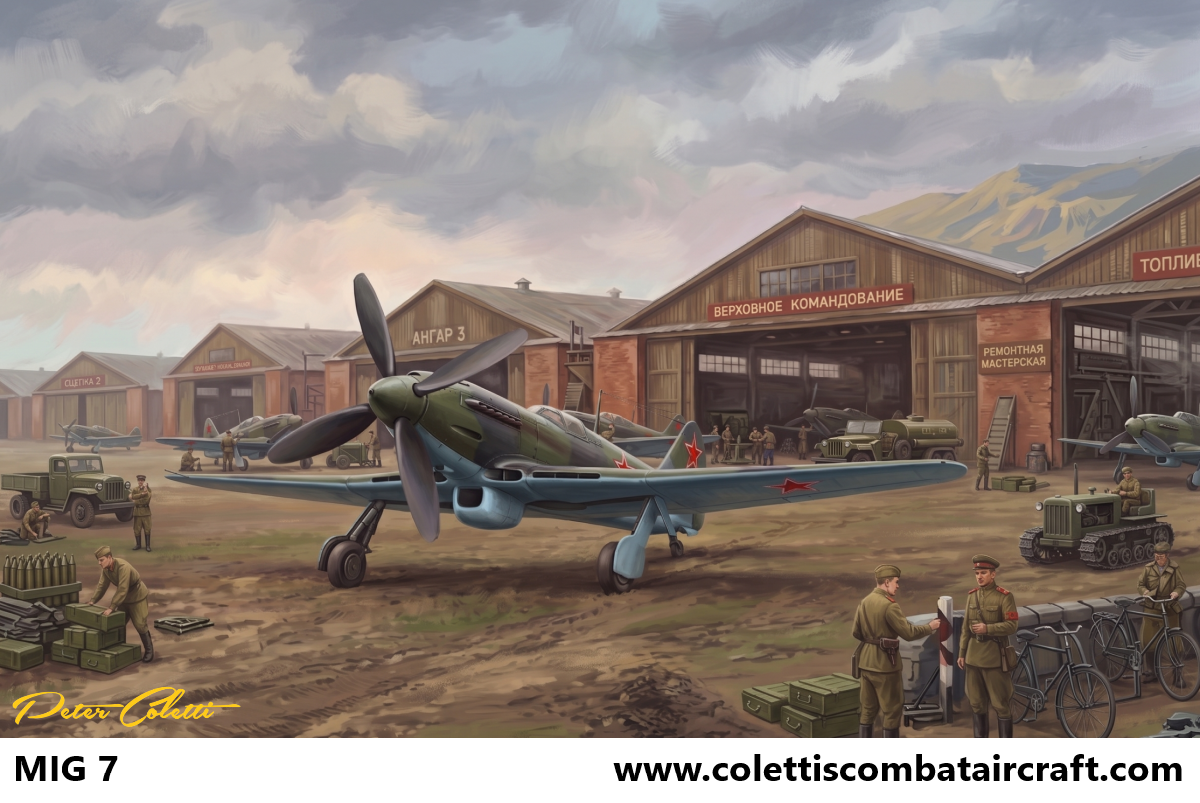
MiG-7
A single MiG-3 airframe re-engined with the Mikulin AM-37, aiming to improve low-altitude performance.
The AM-37 proved unreliable, and the project was discontinued.
The designation MiG-7 was later reused for unrelated jet concepts, adding confusion to its lineage.
I-210 (Samolet IKh / Izdeliye 65)
Five prototypes fitted with the Shvetsov ASh-82A radial engine, marking a shift from inline to radial propulsion.
Also known as MiG-3-82 or MiG-9 (not to be confused with the postwar jet).
The I-210 retained the MiG-3’s airframe but required extensive cowling redesign.
Performance was inferior to contemporary Lavochkin La-5, and the variant was not pursued.
I-211 (Samolet Ye)
A refined derivative of the I-210, featuring a redesigned fuselage and upgraded ASh-82F engine.
Only one prototype was built in 1943.
The I-211 offered better aerodynamics and visibility, but by then, Soviet doctrine favoured simpler, more rugged fighters like the Yak-9 and La-5FN.
I-230 (Samolet D)
Intended as a successor to the MiG-3, the I-230 featured a redesigned fuselage with improved aerodynamics and retained the AM-35A engine.
One prototype and five pre-production aircraft were built.
Planned production designations included MiG-3U or MiG-3D.
Despite promising performance, the type was eclipsed by newer designs and never entered mass production.
I-231 (Samolet 2D)
An evolution of the I-230, fitted with the more powerful Mikulin AM-39 engine.
The I-231 demonstrated superior speed and climb rate, but development was halted due to engine reliability issues and shifting priorities towards jet propulsion.
It was intended to be designated the MiG-3DD in production.
Undesignated Experimental MiG-3 Variants
Several MiG-3 airframes were modified for experimental purposes
AM-38 engine testbed
Evaluated low-altitude performance using the AM-38 from the Il-2, but results were unsatisfactory.
Leading-edge slats (1940)
Tested to improve stall characteristics and manoeuvrability.
Six-bladed propeller
A rare aerodynamic experiment, likely aimed at improving thrust and engine efficiency.
AFA-I camera-equipped MiG-3s
Five aircraft adapted for high-altitude reconnaissance, contributing to Soviet photo intelligence capabilities.