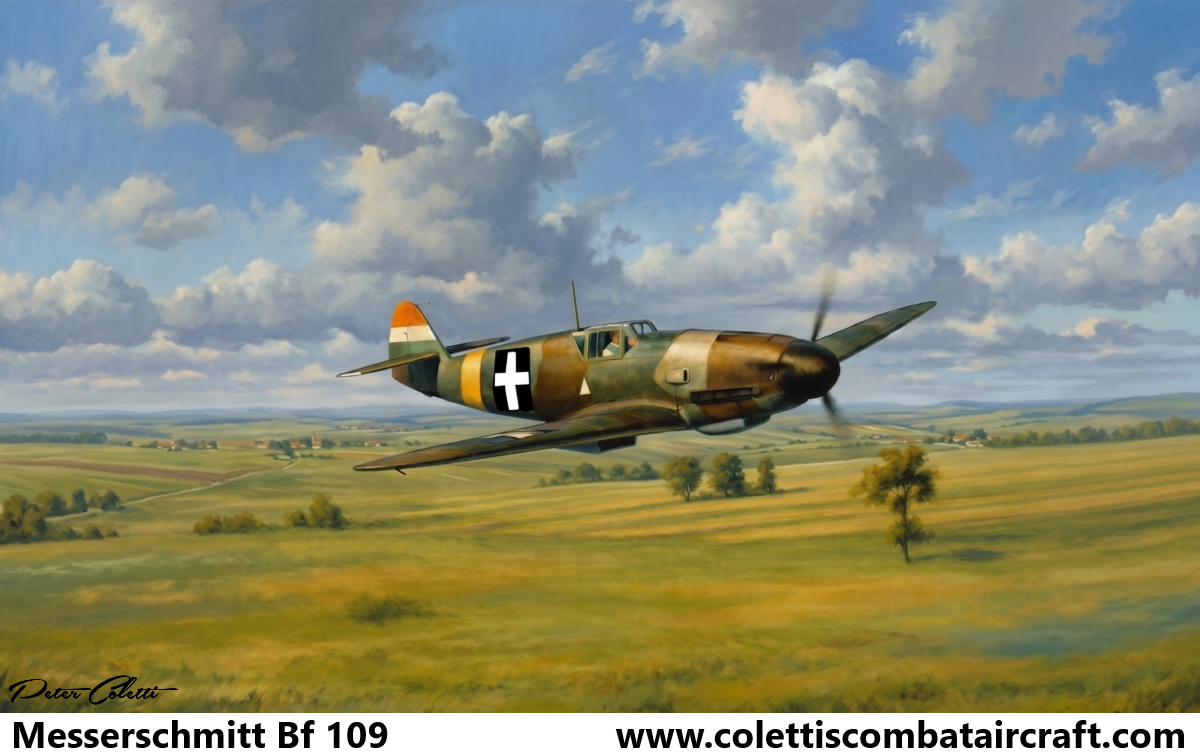
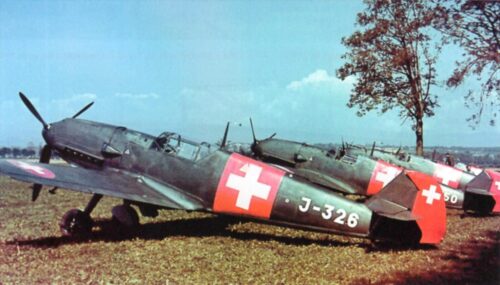
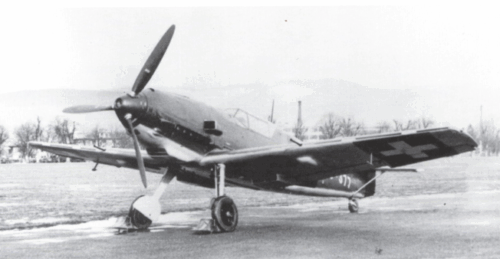
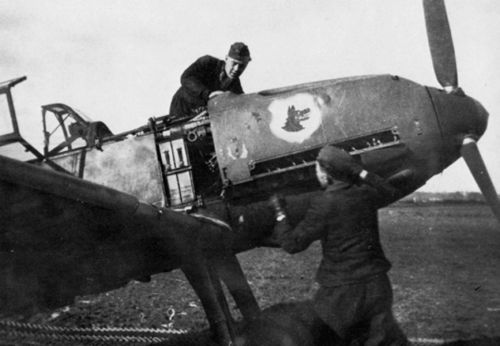
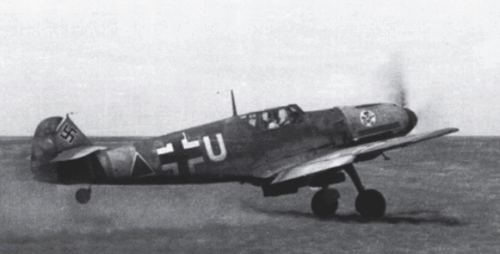
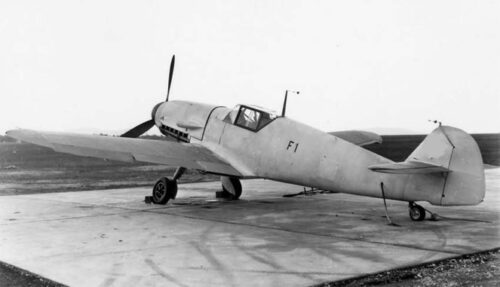
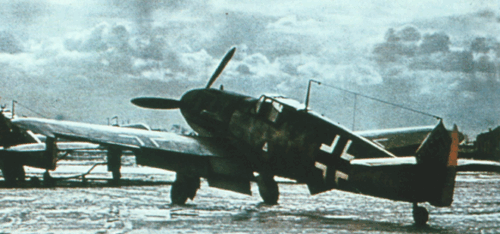
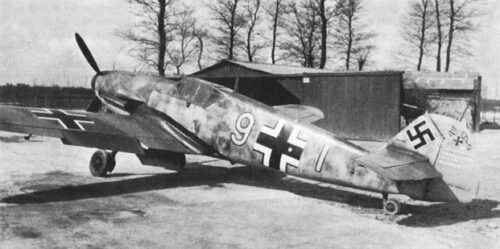
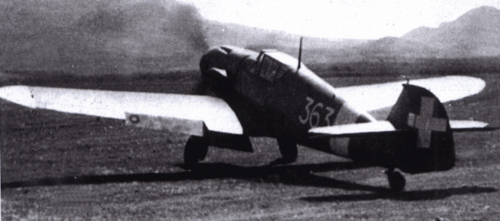
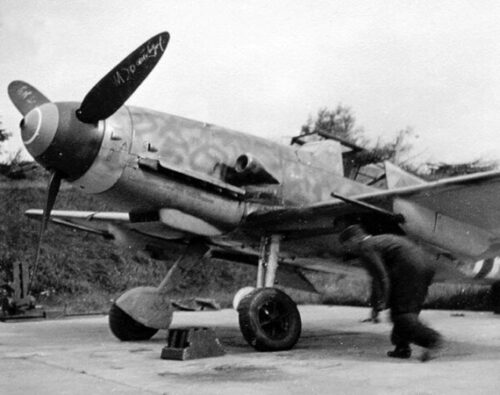
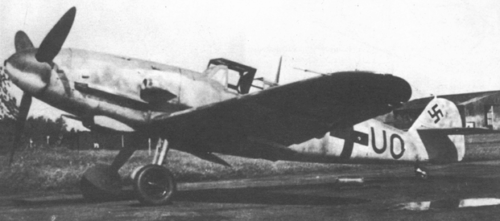
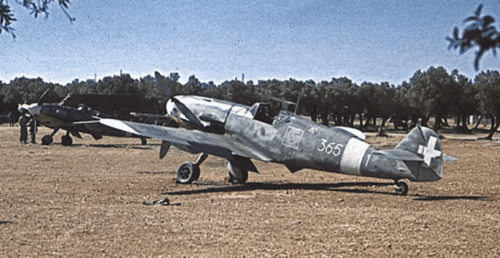
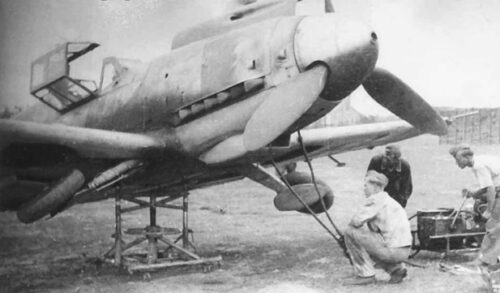
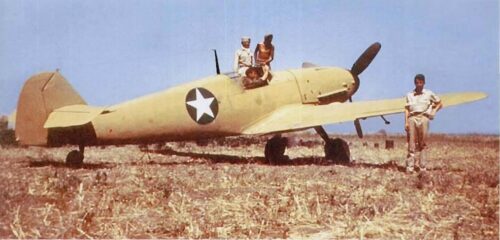
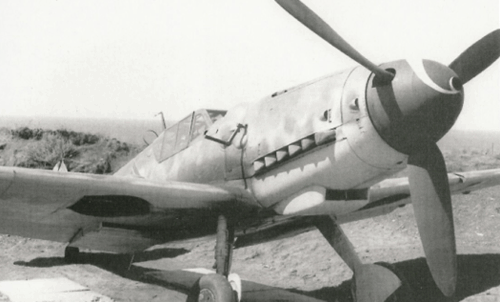
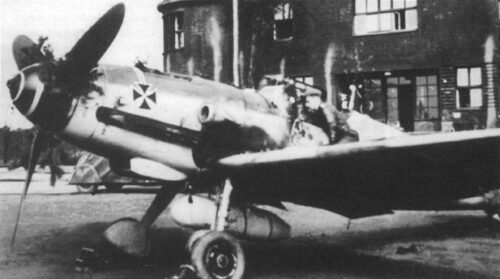
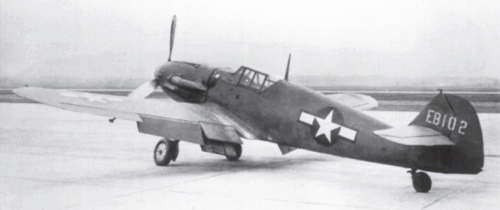
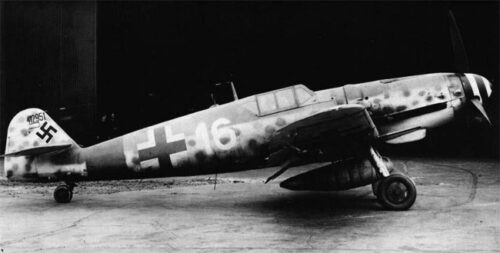
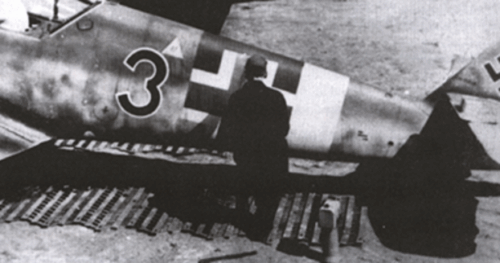
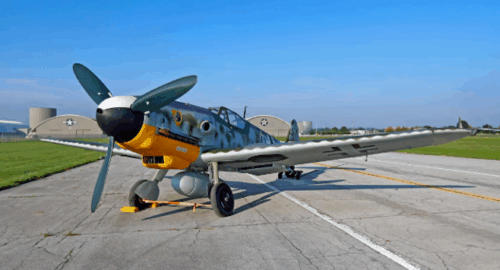
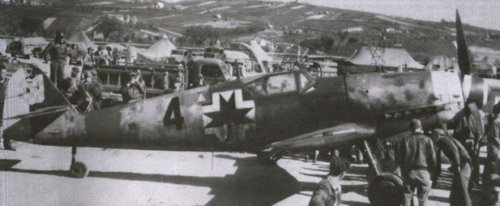
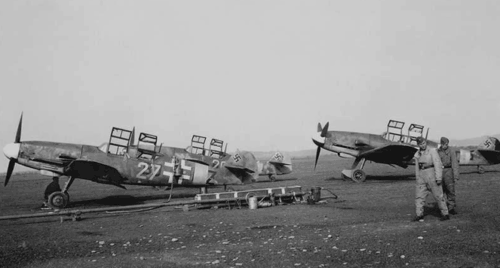
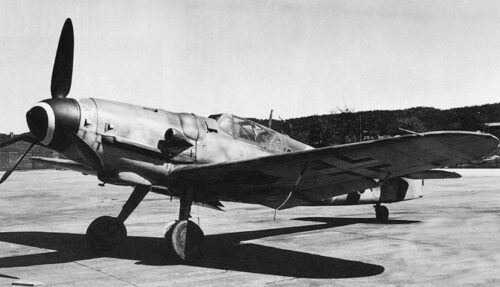
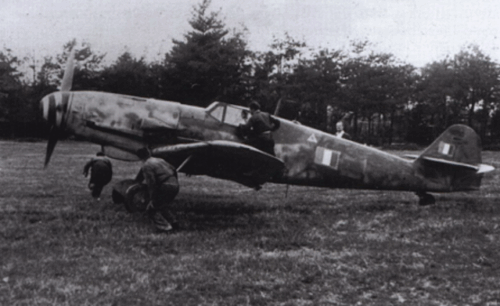
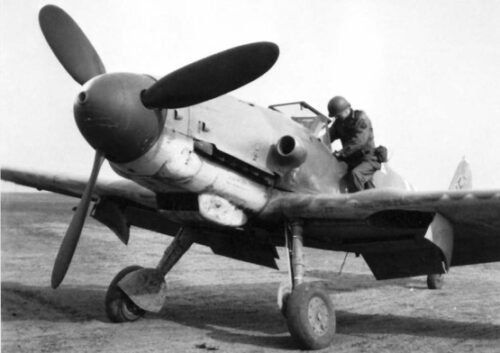
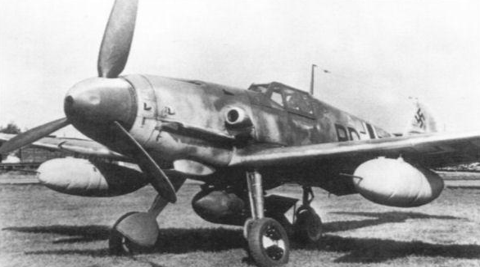
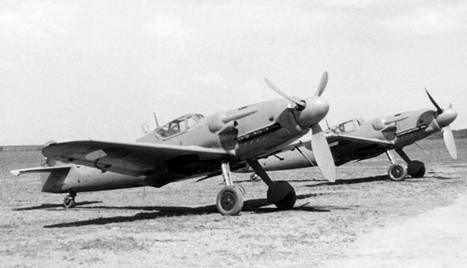
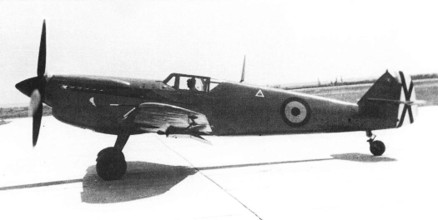
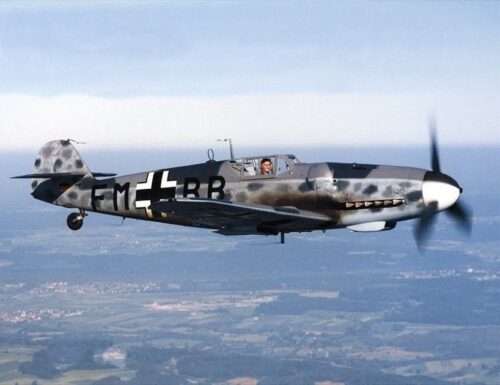
The Messerschmitt Bf 109 was Nazi Germany’s most important and prolific fighter aircraft of World War II, with over 33,000 units produced across numerous variants.
Designed by Willy Messerschmitt and Robert Lusser, it first saw combat in the Spanish Civil War and remained in frontline service throughout the entire conflict.
Early Combat and Blitzkrieg Campaigns
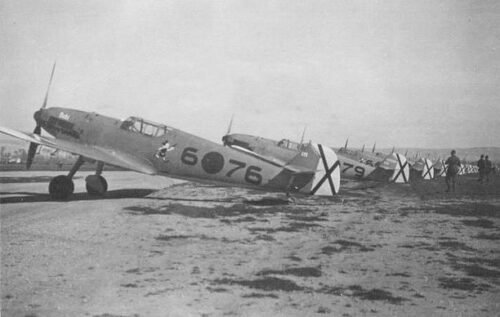
Debuted in combat with the Condor Legion during the Spanish Civil War (1937), proving superior to Soviet-supplied aircraft.
Played a key role in the Luftwaffe’s early victories during the invasions of Poland (1939), France (1940), and the Low Countries, often dominating the skies.
Battle of Britain (1940)
Faced off against the RAF’s Supermarine Spitfire and Hawker Hurricane.
Though technically advanced, its limited range hampered effectiveness over Britain, forcing German pilots into short sorties.
Eastern Front and Mediterranean
Extensively deployed in Operation Barbarossa (1941), supporting ground troops and engaging Soviet aircraft.
Operated in North Africa, the Balkans, and Italy, adapting to diverse climates and combat conditions.
Evolution and Adaptation
Continuously upgraded: from early Bf 109E “Emil” to the formidable Bf 109G “Gustav” and Bf 109K “Kurfürst” variants.
Served in multiple roles: interceptor, fighter-bomber, and even night fighter.
Late War and Legacy
Despite Allied air superiority, the Bf 109 remained a mainstay of the Luftwaffe until Germany’s surrender in May 1945.
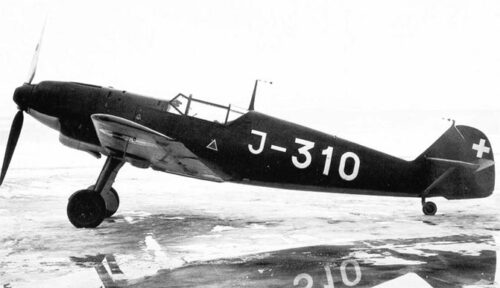
Postwar, it continued service with countries like Spain and Switzerland into the 1960s.
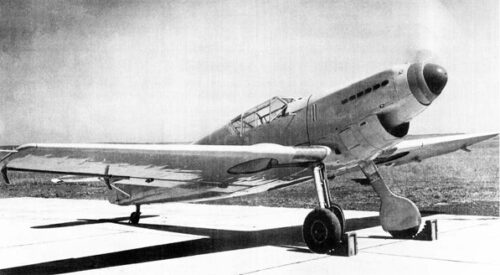
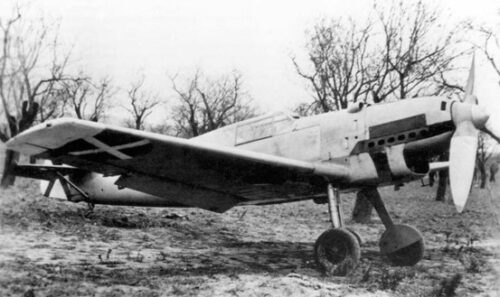
Bf 109A Anton
The earliest prototype series was powered by a Rolls-Royce Kestrel engine due to delays with German powerplants.
Armed with two MG 17 machine guns, the A-series was used primarily for flight testing and aerodynamic refinement.
It laid the foundation for the Bf 109’s combat lineage but saw no operational service.
Bf 109B Bruno
First production model with the Jumo 210 engine.
Entered combat with the Condor Legion during the Spanish Civil War.
Armed with two MG 17s and later a third engine-mounted MG 17.
Performance was modest, but it proved superior to Soviet-supplied aircraft and validated the monoplane fighter concept.
Bf 109C Caesar
Introduced a fuel-injected Jumo 210Ga engine and four MG 17s.
Improved negative-G manoeuvring and firepower.
Used in the late Spanish Civil War and early Luftwaffe deployments.
Marked the transition to multi-gun configurations and better engine reliability.
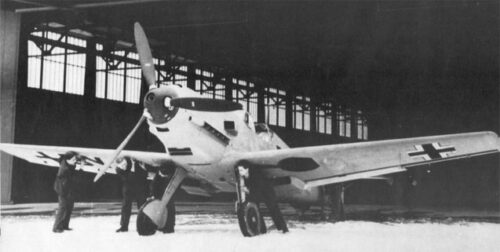
Bf 109D Dora
Featured the DB 600 engine and refined airframe.
Armed with two MG 17s and one MG FF cannon.
Served in Poland and France but was quickly superseded by the E-series due to engine limitations and lack of armour protection.
Bf 109E-1
Standardised with four MG 17s.
Used extensively in Poland, France, and the early Battle of Britain.
Lacked pilot armour and cannon armament, limiting effectiveness against bombers.
Bf 109E-3
Introduced the MG FF cannon in the nose, enhancing firepower.
Became the primary Luftwaffe fighter in 1940.
Balanced speed, climb rate, and agility.
Bf 109E-4
Upgraded the cannon and added pilot armour.
Became the definitive Emil variant during the Battle of Britain.
Improved survivability and lethality.
Bf 109E-5
Reconnaissance variant with cameras replacing wing guns.
Used for tactical photo missions over enemy territory.
Bf 109E-7
Introduced drop tanks for extended range.
Bf 109F-1
Streamlined airframe with DB 601N engine.
Armed with one MG 17 and one MG FF cannon.
Exceptional agility and climb rate.
Used in early Eastern Front operations.
Bf 109F-2
Replaced MG FF with MG 151/15 cannon.
Improved reliability and firepower.
Widely used in 1941–42 campaigns.
Bf 109F-3
Upgraded DB 601E engine.
Better high-altitude performance.
Used in Mediterranean and Russian theatres.
Bf 109F-4
Most produced the F variant.
Featured MG 151/20 cannon.
Balanced firepower and handling.
Dominated Soviet skies in 1942.
Bf 109F-5
Reconnaissance version of F-4 with camera equipment.
Used for strategic photo intelligence.
Bf 109G-1
Pressurised cockpit and GM-1 nitrous boost system.
Limited production.
Used for high-altitude interception.
Bf 109G-2
First major Gustav variant.
Retained F-4 armament.
Used across all theatres.
Reliable and versatile.
Bf 109G-3
High-altitude version with cockpit pressurisation.
Used in bomber interception roles.
Bf 109G-4
Introduced UHF radios and improved landing gear.
Became a standard frontline fighter in 1943.
Bf 109G-5
Featured DB 605A engine and pressurised cockpit.
Used in high-altitude defence roles.
Bf 109G-5/AS
High-altitude fighter with DB 605AS engine.
Improved performance against Allied bombers.
Bf 109G-6
The most produced variant.
Featured bulged cowling for 13mm MG 131s.
Used from 1943 to war’s end.
Versatile but increasingly outclassed.
Bf 109G-6/AS
High-altitude version of G-6 with DB 605AS.
Used in bomber interception and escort roles.
Bf 109G-8
Recon version of G-6 with cameras.
Used for tactical and strategic photo missions.
Bf 109G-10
Late-war high-performance variant with DB 605D engine.
Improved speed and climb.
Used in defence of the Reich.
Bf 109G-10/AS
High-altitude version of G-10.
Optimised for bomber interception.
Bf 109G-12
Two-seat trainer based on G-6.
Used for pilot conversion and instruction.
Bf 109G-14
Standardised late-war version with DB 605AM.
Used in 1944–45.
Balanced performance and production simplicity.
Bf 109G-14/AS
High-altitude version of G-14.
Used in final defence operations.
Bf 109K-4
Standardised late-war model with DB 605D engine, retractable tailwheel, and improved aerodynamics.
Top speed over 700 km/h.
Used in elite fighter units.
Bf 109K-6
Heavy fighter variant with increased armament:
30mm MK 108 cannon and dual 13mm MGs.
Limited production.
Used in bomber destruction roles.
The Oddities
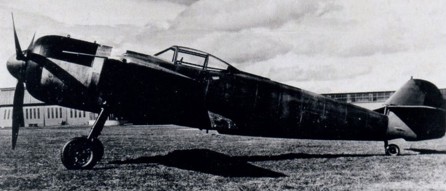
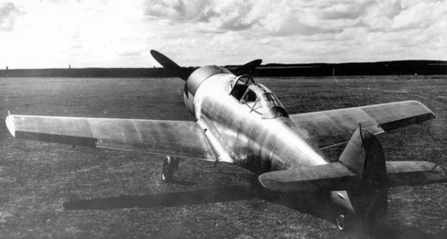
Radial-engined BF109X V21
Bf 109F-1 V3 Wide-Track
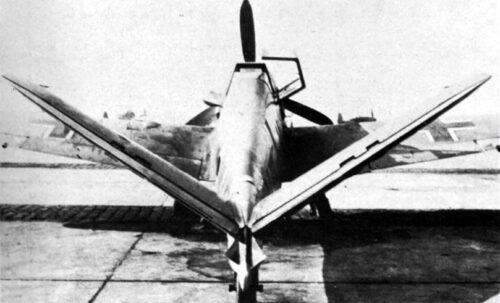
Bf-109G-0/R6 V-Tail
Fieseler and Skoda FiSk 199
Postwar Production
Czechoslovakia
Avia S-199
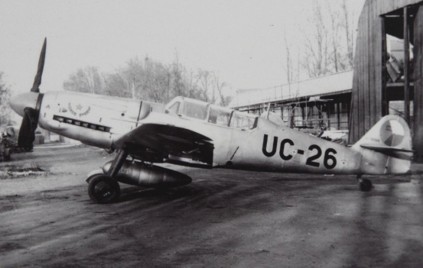
In the aftermath of World War II, Czechoslovakia resumed limited production of the Messerschmitt Bf 109 under the designations Avia S-99 and S-199.
These aircraft were based on the Bf 109G-14 airframe, though the S-199 variant was fitted with the less suitable Junkers Jumo 211F engine—originally designed for bombers—which severely compromised flight handling and made landings notoriously hazardous.
Czech pilots, many of whom had flown Supermarine Spitfires with the RAF, derisively nicknamed the S-199 “Mezek” (“Mule”) in reference to its stubborn and unforgiving nature.
Although phased out of frontline service in 1952 with the arrival of Soviet jet aircraft, the Mezek continued in use as a trainer until 1957.
A number of S-199s were exported to Israel, where they played a foundational role in the early operations of the newly established Israeli Air Force.
Spanish Postwar Production
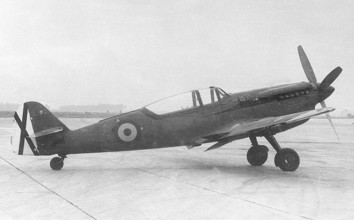
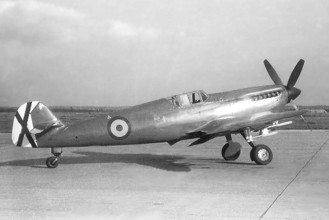
Under licence from Germany, Spain produced two distinct variants of the Messerschmitt Bf 109G-2 through the Hispano Aviación company: the HA-1112 Tripala and the later HA-1112-M1L Buchón.
The Tripala was powered by a French Hispano-Suiza 12Z engine, while the Buchón—introduced in the mid-1950s—was fitted with the British Rolls-Royce Merlin 500-45, the same powerplant used in late-model Spitfires.
HA-1112 Tripala
This engine substitution, necessitated by the unavailability of original Daimler-Benz units, resulted in a pronounced chin intake that gave the Buchón a distinctive profile.
Initial production was facilitated by Germany’s postwar delivery of 25 unassembled Bf 109G-2 airframes, though the absence of engines forced Spanish engineers to improvise.
HA-1112-M4L
Final assembly and modifications were undertaken at the Hispano Aviación facility in Seville, with full-scale production of the Buchón continuing until 1958.
Despite their anachronistic appearance, several Buchóns remained in Spanish service into the late 1960s.
Their unique silhouette and availability later made them popular stand-ins for wartime Bf 109s in film productions, notably portraying Bf 109E and G variants in Battle of Britain and The Tuskegee Airmen.
HA-1112-M1L Buchón
Specifications (Bf 109G-6)
Crew
1
Length
8.95 m (29 ft 4 in)
Wingspan
9.925 m (32 ft 7 in)
Height
2.6 m (8 ft 6 in)
Wing area
16.05 m² (172.8 sq ft)
Airfoil
Root
NACA 2R1 14.2
Tip
NACA 2R1 11.35
Empty weight
2,247 kg (4,954 lbs)
Gross weight
3,148 kg (6,940 lbs.)
Max takeoff weight
3,400 kg (7,496 lbs)
Powerplant
1 × Daimler-Benz DB 605A-1 V-12 inverted liquid-cooled piston engine
1,475 PS (1,455 hp; 1,085 kW)
Propellers
3-bladed VDM 9-12087,
3 m (9 ft 10 in) diameter light-alloy constant-speed propeller
Performance
Maximum speed
530 km/h (330 mph, 290 kn) at sea level
588 km/h (365 mph; 317 kn) at 4,000 m (13,000 ft)
642 km/h (399 mph; 347 kn) at 6,300 m (20,700 ft)
622 km/h (386 mph; 336 kn) at 8,000 m (26,000 ft)
Cruise speed
590 km/h (370 mph, 320 kn) at 6,000 m (20,000 ft)
Radial-engined BF109X V21
Range
880–1,144 km (547–711 mi, 475–618 nmi)
Ferry range
1,144–1,994 km (711–1,239 mi, 618–1,077 nmi): 1,144 km without and 1,994 km with drop-tank
Service ceiling
12,000 m (39,000 ft)
Rate of climb
22.7 m/s (4,470 ft/min)
Wing loading
196 kg/m² (40 lbs./sq ft)
Power/mass
0.344 kW/kg (0.209 hp/lbs)
Armament
Guns
2 × 13 mm (.51 in) synchronised MG 131 machine guns with 300 rpg.
1 × 20 mm (.78 in) The MG 151/20 cannon as centerline Motorkanone with 200 rpg.
or
1 x 30 mm (1.18 in) MK 108 cannon as centerline Motorkanone with 65 rpg (G-6/U4 variant).
2 × 20 mm MG 151/20 underwing gondolas with 135 rpg (optional kit—Rüstsatz VI).
Rockets
2 × 21 cm (8 in) Wfr. Gr. 21 rockets (G-6 with BR21)
Bombs
1 × 250 kg (551 lbs.) bomb or 4 × 50 kg (110 lbs.) bombs