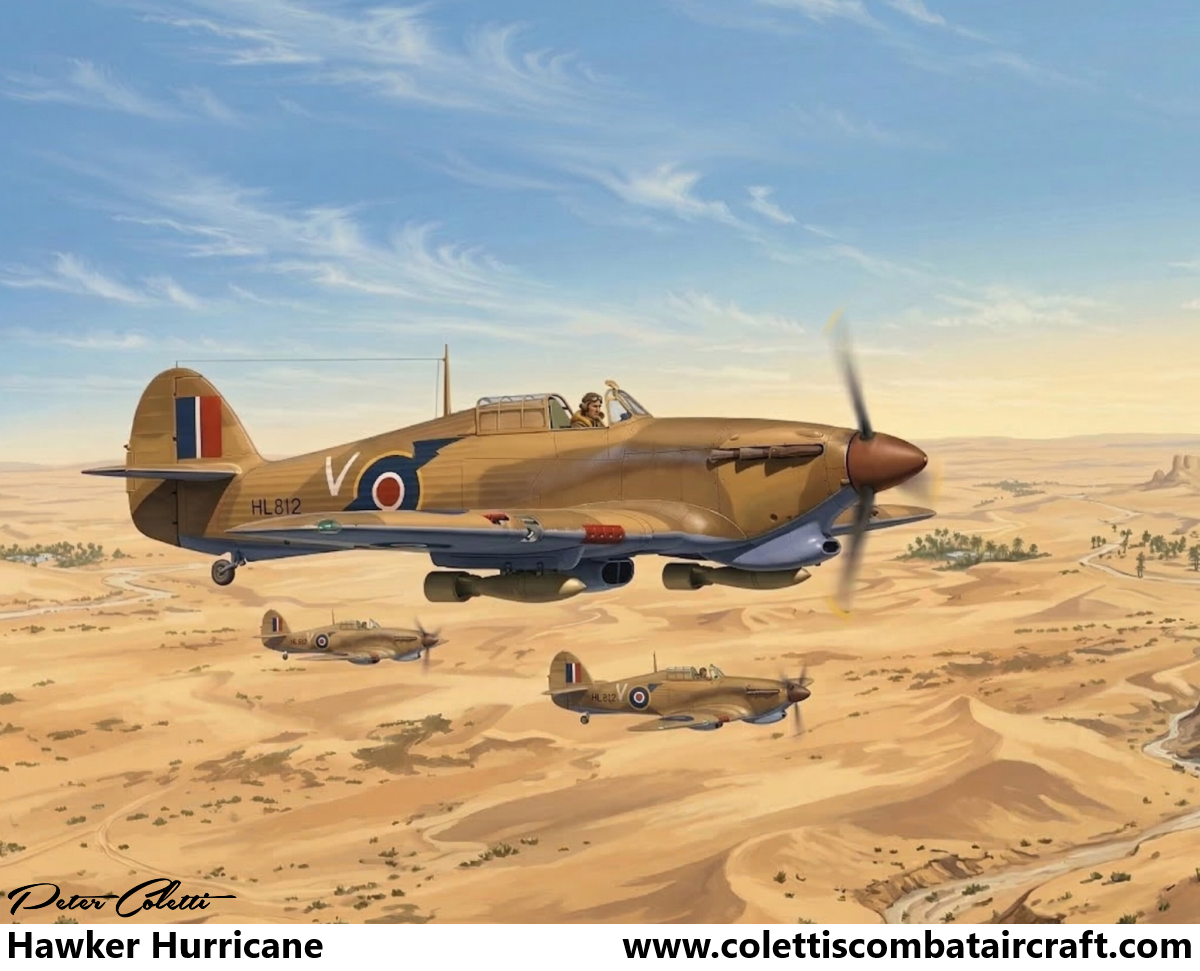
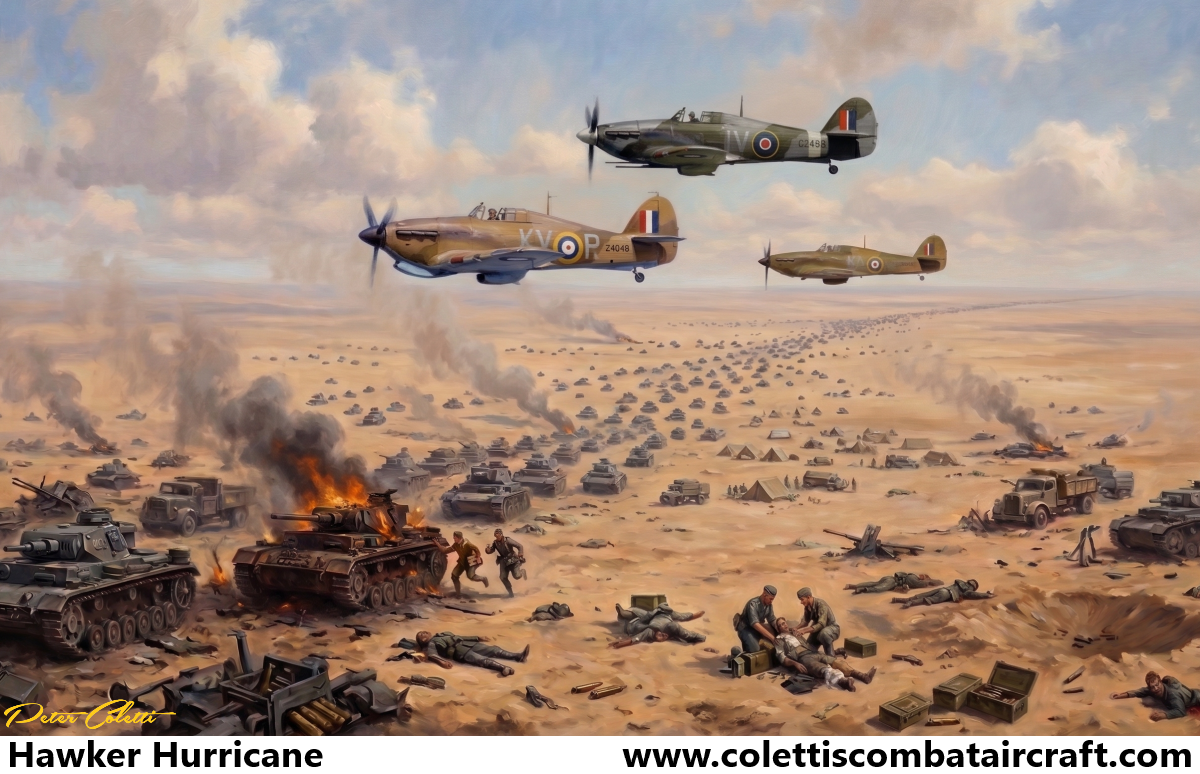
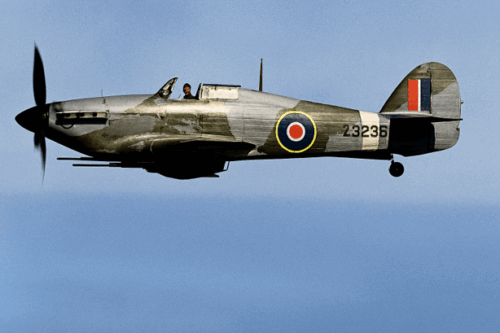
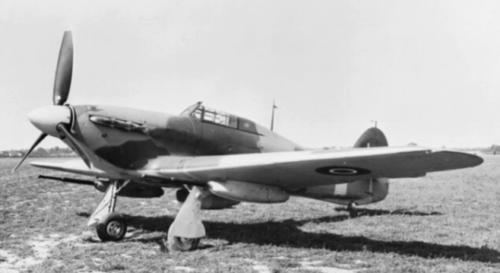
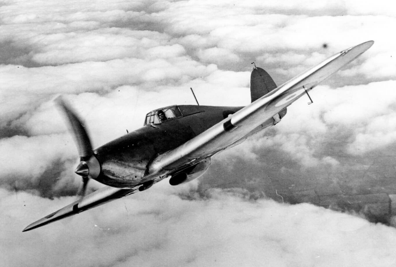
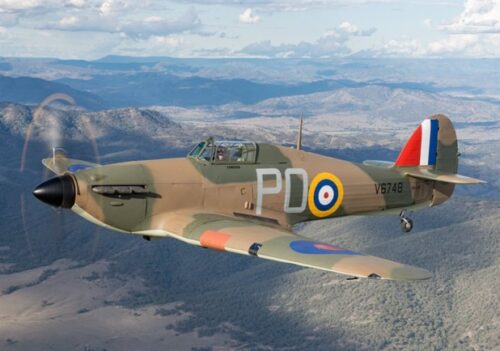
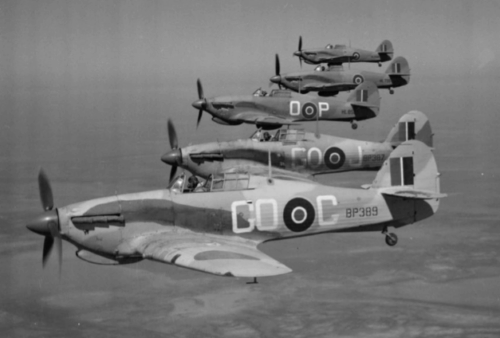
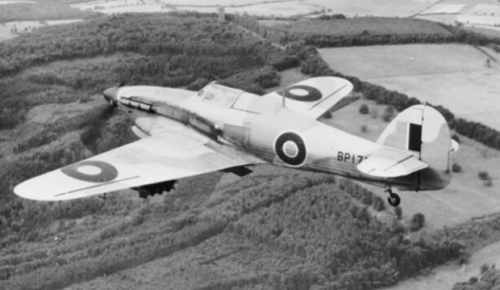
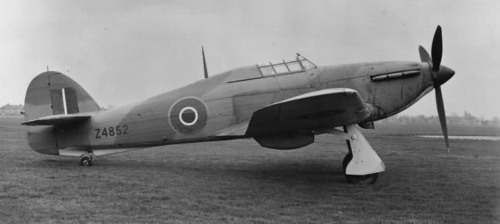
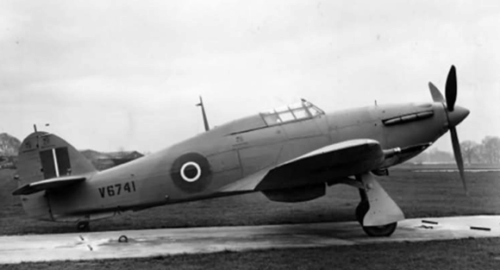
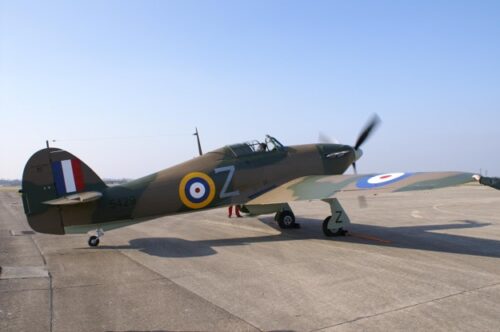
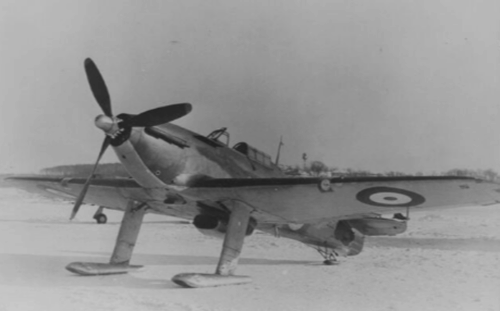
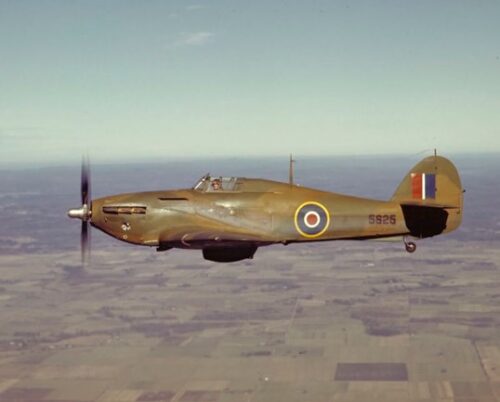
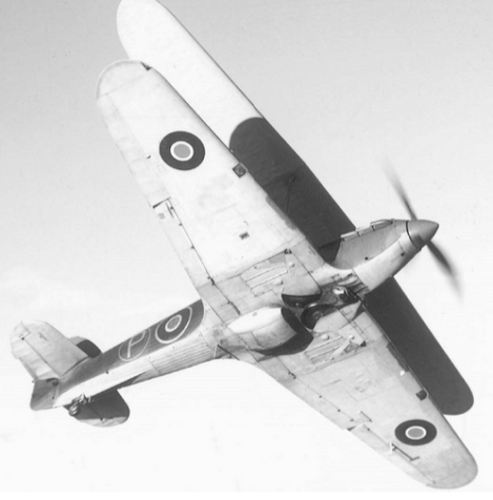
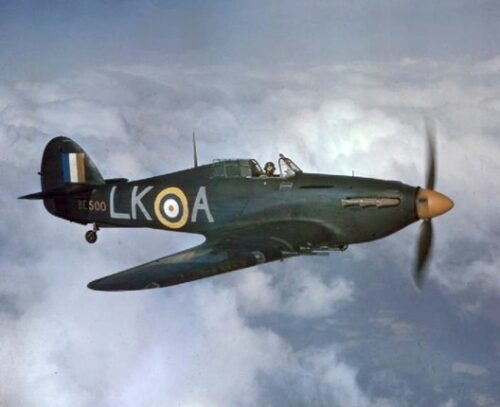
The Hawker Hurricane was a British single-seat fighter aircraft that played a pivotal role in the Royal Air Force’s (RAF) operations throughout World War II.
Designed by Sydney Camm and first flown in 1935, it entered service in December 1937 and remained in production until 1944, with over 14,000 units built.
Early Deployment and the Battle of Britain
At the outbreak of war in September 1939, the RAF fielded 18 Hurricane-equipped squadrons.
During the Battle of Britain (July–October 1940), Hurricanes accounted for approximately 60% of Luftwaffe losses, outperforming the more celebrated Supermarine Spitfire in terms of sheer impact.
Their robust construction and ease of repair made them ideal for sustained combat operations.
Global Theatres of Operation
The Hurricane served in every major theatre of the war.
Western Europe
Engaged in air defence and bomber interception missions.
North Africa
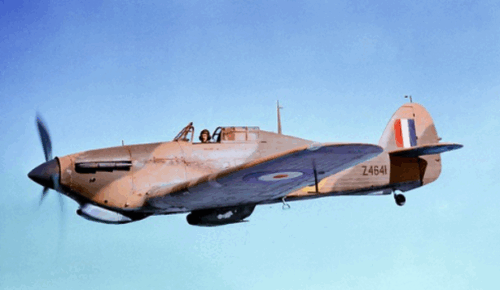
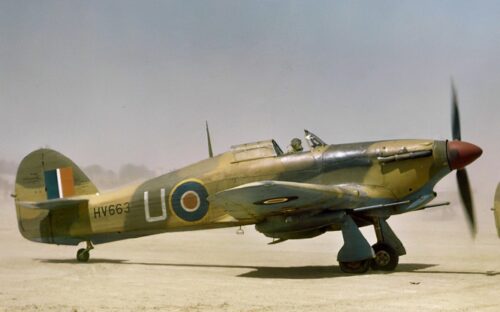
Adapted for desert conditions, Hurricanes supported ground forces and countered Axis air power.
Eastern Front
Supplied to the Soviet Union via Lend-Lease, where they were used in both air combat and ground attack roles.
Far East
Operated in Burma and India, often in harsh tropical environments.
Its adaptability to diverse climates and operational roles underscored its value as a global workhorse.
Variants and Naval Use
Several variants were developed to meet evolving combat needs
Mk I and Mk II
Standard fighter models with incremental improvements.
Hurricane IIC and IID
Equipped with cannons and rockets for ground attack.
Sea Hurricane
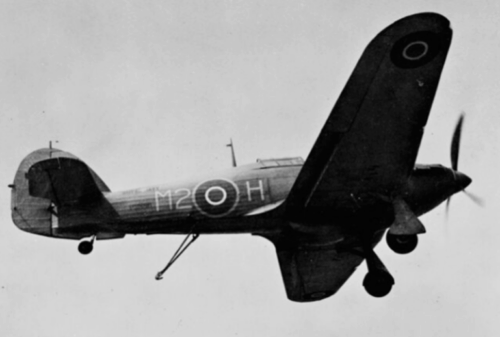
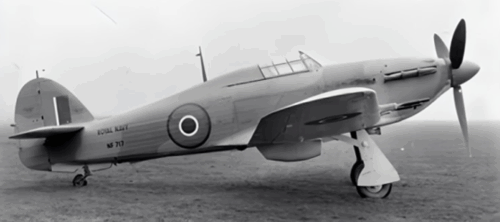
Modified for naval use with arrestor hooks and catapult launch capability, serving aboard escort carriers.
These adaptations allowed the Hurricane to transition from pure fighter to fighter-bomber and convoy escort roles.
Legacy
Though overshadowed in public memory by the Spitfire, the Hurricane was instrumental in securing early Allied air superiority.
Its rugged design, high production rate, and operational versatility earned it the reputation as the unsung hero of Britain’s air defence.
The Prototypes
Origins and Design Intent
The Hawker Hurricane originated from a 1933 Air Ministry specification (F.36/34) calling for a modern fighter capable of exceeding 250 mph.
Sydney Camm, chief designer at Hawker Aircraft, proposed a monoplane derivative of the Hawker Fury biplane.
Despite institutional resistance to monoplanes, Camm’s design emphasised rugged construction, ease of maintenance, and compatibility with emerging engine technologies.
Prototype Development
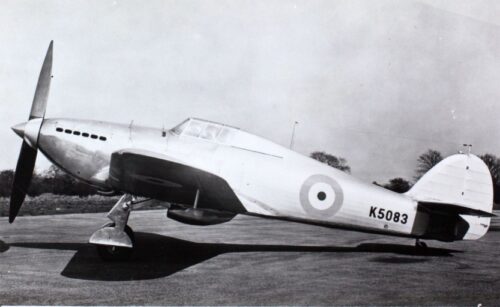
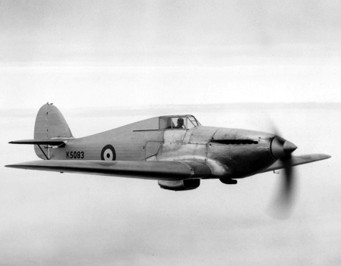
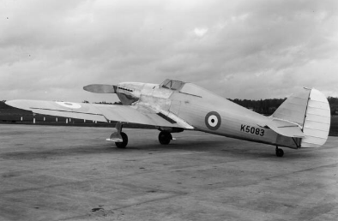
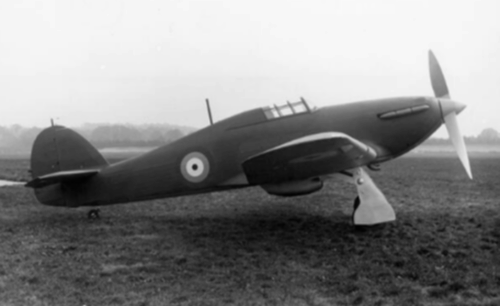
The first prototype, designated K5083, was powered by the Rolls-Royce PV-12 engine—later known as the Merlin.
It featured
A fabric-covered steel-tube fuselage
Retractable undercarriage
Enclosed cockpit
Eight .303 Browning machine guns
On 6 November 1935, K5083 made its maiden flight, demonstrating excellent handling and performance potential.
Initial flight trials revealed minor issues with engine cooling and wing loading.
Over the next two years, Hawker engineers implemented
Wing structure modifications for improved lift
Enhanced radiator and cooling systems
Revised armament layout for better weight distribution
These refinements culminated in the Hurricane Mk I, which entered production in mid-1936 and squadron service by December 1937.
Pre-War Production and Evaluation
By the outbreak of war in September 1939, the RAF had equipped 18 squadrons with Hurricanes.
The aircraft’s conventional construction allowed for rapid production and field repairs, making it ideal for wartime expansion.
Legacy of the Prototype
The Hurricane prototype laid the foundation for a lineage of variants that served across all major theatres of WWII.
Its successful transition from experimental monoplane to mass-produced combat aircraft marked a turning point in British fighter design.
The Fighter Variants
The Hawker Hurricane underwent extensive development during World War II, resulting in a wide array of variants tailored to evolving combat roles and operational environments.
From its initial fighter configuration to naval and ground-attack adaptations, the Hurricane’s versatility was a hallmark of its wartime service.
Hurricane Mk I
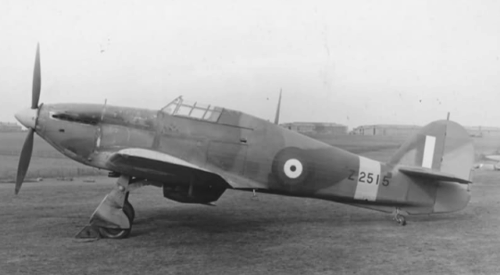
Hurricane Mk I was introduced in 1937; the Mk I featured a fabric-covered wing and a two-bladed wooden propeller.
Early models lacked armour and self-sealing fuel tanks.
Later Mk I units incorporated metal-covered wings and a three-bladed propeller for improved performance.
Hurricane Mk IIA Powered by the Merlin XX engine, the Mk II series included several sub-variants
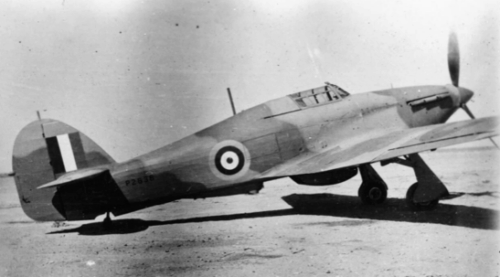
Hurricane Mk IIA Tropical Version
Enhanced performance and structural upgrades.
Hurricane Mk IIB
Armed with twelve .303 Browning machine guns.
Hurricane Mk IIC
Equipped with four 20mm Hispano cannons, optimised for bomber interception and ground attack.
Hurricane Mk IID ‘Tank Busters’
Fitted with two 40mm Vickers S guns for anti-tank missions in North Africa.
Hurricane Mk IV
Featured universal wing mounts for bombs, rockets, or cannons; used extensively in ground-attack roles.
Naval Variants
Sea Hurricane Mk IA
Modified for catapult launch from merchant ships (CAM ships); lacked recovery capability, requiring pilots to ditch or bail out.
Sea Hurricane Mk IB Equipped with catapult spools and an arrestor hook for carrier operations; served aboard HMS Furious and MAC ships.
Mk IC Mk IIC
Sea Hurricane Mk IC & Mk IIC
Featured cannon armament and naval radio equipment; deployed on fleet carriers.
Sea Hurricane Mk XIIA
Canadian-built variant retrofitted with Merlin 29 engines; used by the Fleet Air Arm.
Canadian Production
Hurricane Mk XII
Produced by Canadian Car and Foundry; powered by Packard-built Merlin 29 engines.
Mk XIIA
This featured eight machine guns and naval modifications.
Training Variants
Several hurricanes were adapted for advanced pilot training, though these remained limited in number.
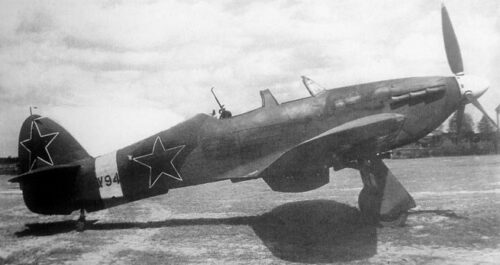
Soviet 2-Seat Conversions
The Soviet Air Force carried out field conversions of some Hurricanes to create open-cockpit two-seat variants, primarily for:
Pilot training, artillery spotting & liaison duties.
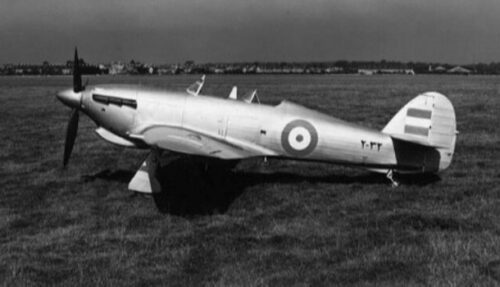
Hurricane Mk.T.IIC
Two-seat training version of the Mk. IIC.
Only two aircraft were built, for the Imperial Iranian Air Force.
Reconnaissance Variants
Origins and Purpose
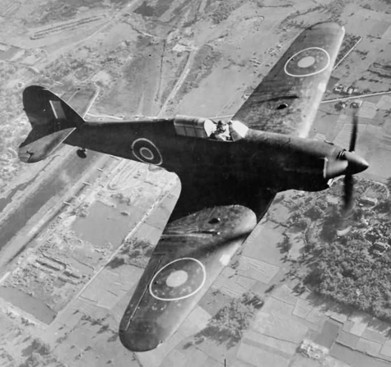
The PR (Photo Reconnaissance) Hurricanes were field-modified versions of standard fighter models, primarily the Mk. I and Mk. II.
These conversions were made to support tactical and strategic reconnaissance, especially in regions where faster or more specialised aircraft (like the Spitfire PR variants) were unavailable.
They were used by units such as No. 208 Squadron RAF, operating in the Middle East and North Africa.
Modifications
Armament removed or reduced to save weight and increase range.
Cameras installed in the fuselage or wing bays—typically vertical and oblique mounts.
Some aircraft were tropicalised, with sand filters and modified cooling systems for desert operations.
External markings were often subdued or altered to reduce visibility.
PR Mk. I
Early conversions based on Hurricane Mk. I build airframes.
Used in Egypt and Libya for battlefield mapping and enemy position tracking.
PR Mk II
Later conversions based on Mk IIB or Mk. IIC airframes, offering better performance and range.
These were used more extensively in North Africa and the Mediterranean.
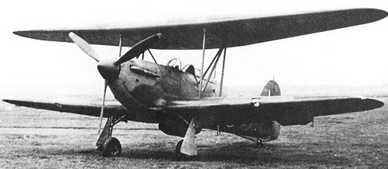
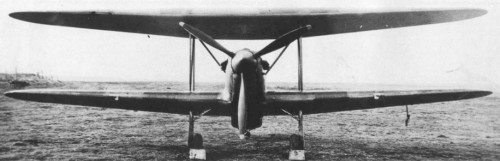
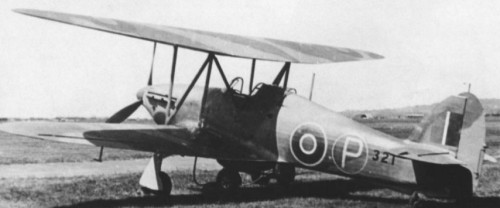
Hillson FH.40 Hurricane
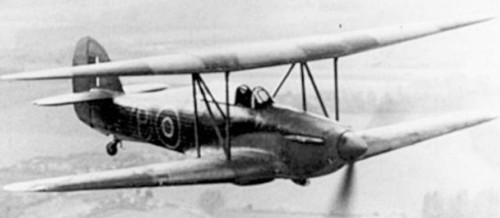
The Hillson FH.40 was a full-scale development of the Hills & Son bi-mono slip-wing concept, designed to operate as both a biplane and monoplane.
The prototype was constructed using a Hawker Hurricane Mk.I.
The airframe originally returned from Canada under RCAF serial number 321 (RAF serial L1884).
Initial taxi and flight trials were conducted at RAF Sealand in May 1943, followed by further testing at the Aeroplane and Armament Experimental Establishment (A&AEE), Boscombe Down, beginning in September 1943.
Despite the innovative design, the upper wing was never jettisoned in flight, and the programme was ultimately discontinued due to unsatisfactory performance.
Yugoslav Production History
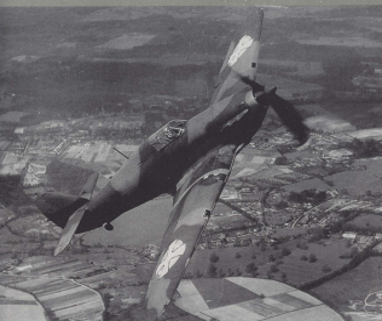
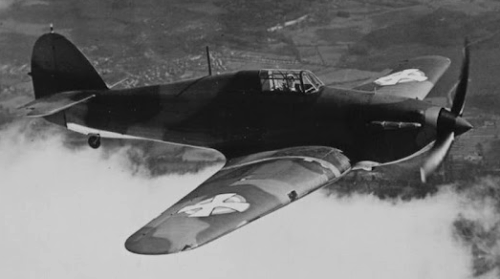
The Royal Yugoslav Air Force (VVKJ) was the first foreign customer for the Hawker Hurricane.
Initial deliveries began in 1938, with 24 British-built Hurricane Mk I aircraft supplied between 1938 and 1940.
To bolster domestic aviation capability, Yugoslavia secured a licence to produce Hurricanes locally, split between
Zmaj factory in Zemun (60 aircraft)
Rogožarski factory in Belgrade (40 aircraft)
Zmaj Production
Zmaj began production in 1939, focusing on Hurricane Mk I airframes.
By April 1941, Zmaj had completed 24 aircraft, with 18 delivered to the VVKJ and 6 more awaiting delivery.
These aircraft were powered by Rolls-Royce Merlin III engines and featured fabric-covered wings, consistent with early Mk I specifications.
Some Zmaj-built Hurricanes were assembled using British-supplied components.
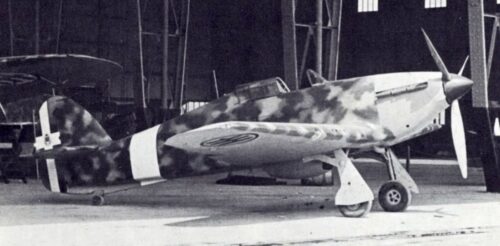
Due to engine shortages, one British-built Hurricane was experimentally fitted with a Daimler-Benz DB 601a engine at Zmaj in March 1941.
This prototype was designated LVT-1 (Technical Aviation Fighter 1).
A second batch of Rogožarski Hurricanes was planned to use DB 601 engines, but none entered service before the Axis invasion.
Operational Use and Fate
At the time of the German-led Axis invasion in April 1941, Yugoslavia had 38 Hurricanes in service, of which 35 were operational.
Zmaj-built Hurricanes participated in defensive operations but were overwhelmed by superior Luftwaffe forces.