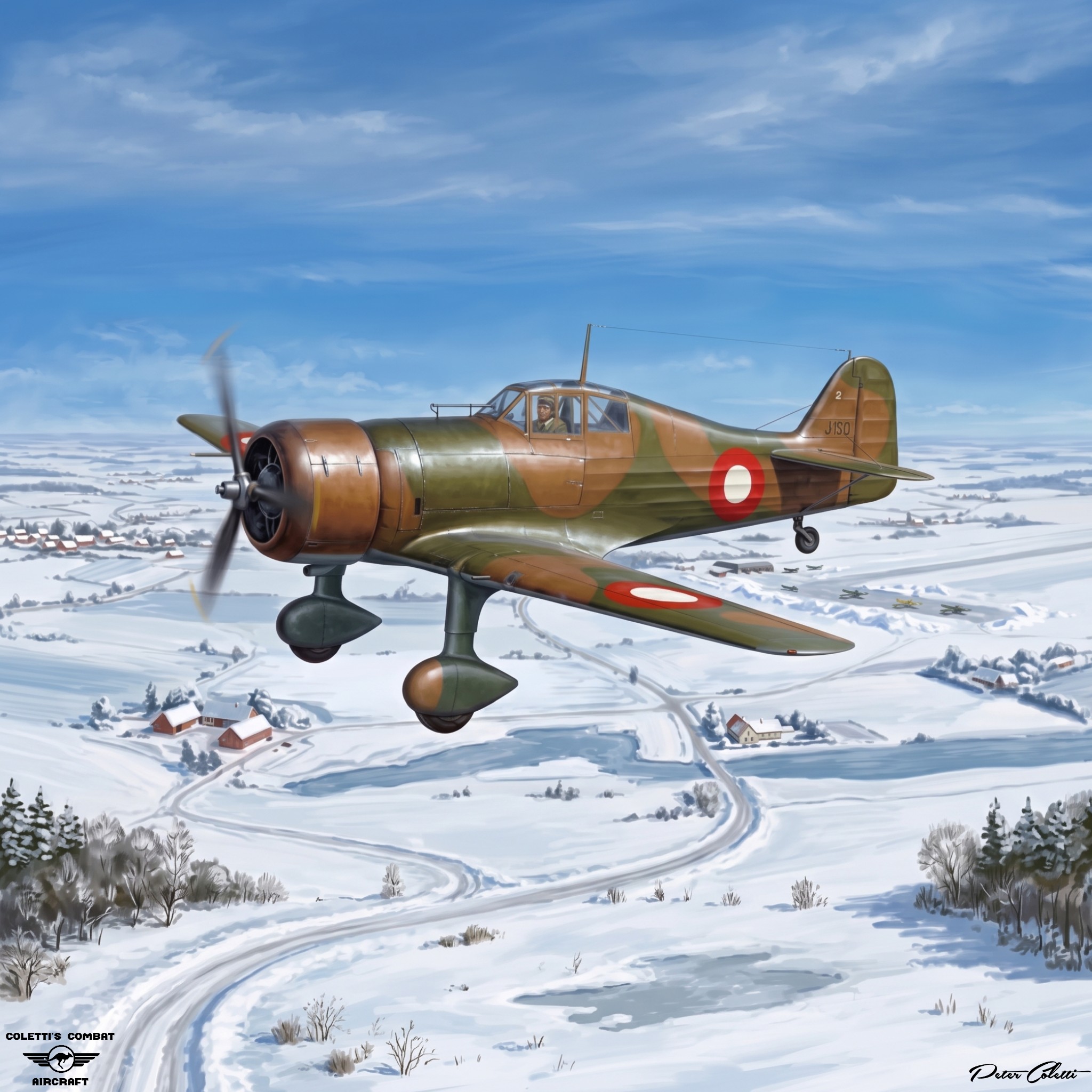
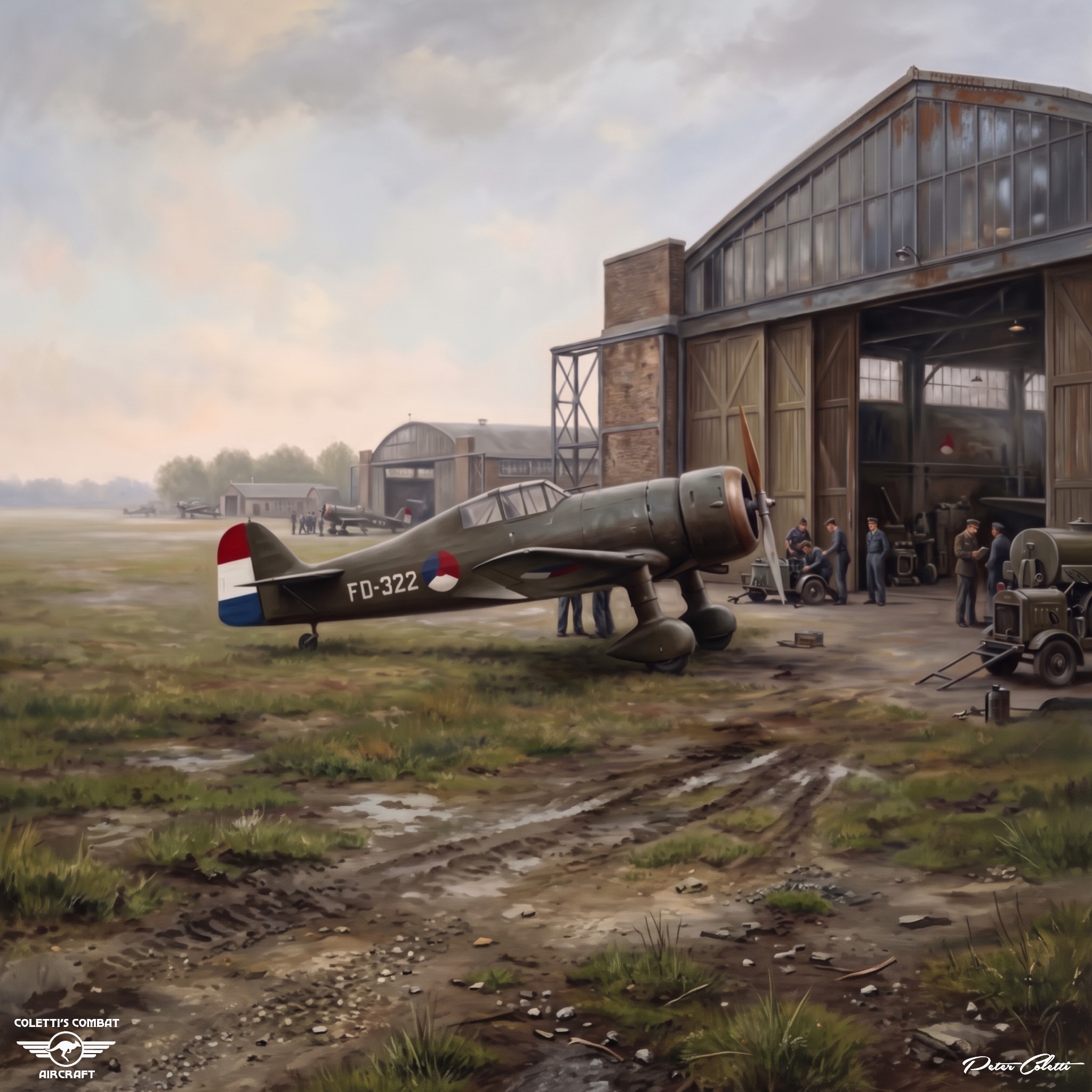
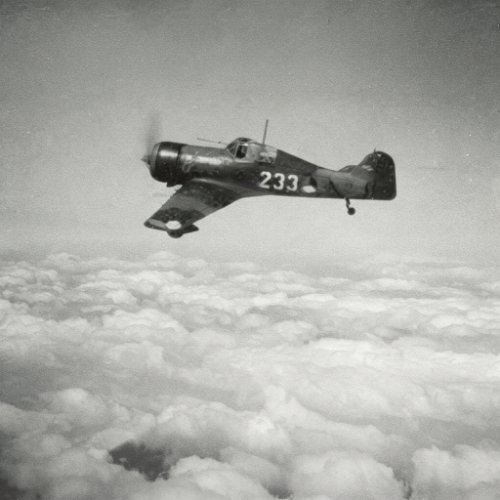
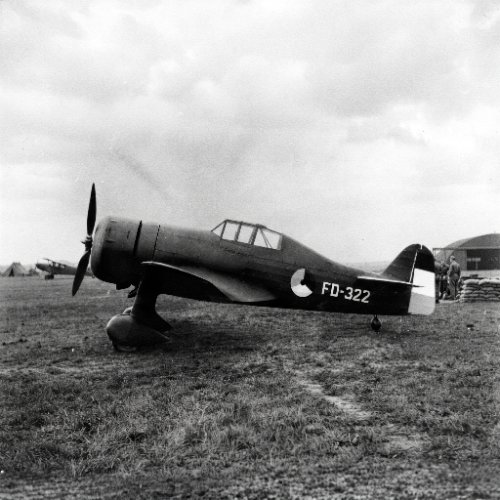
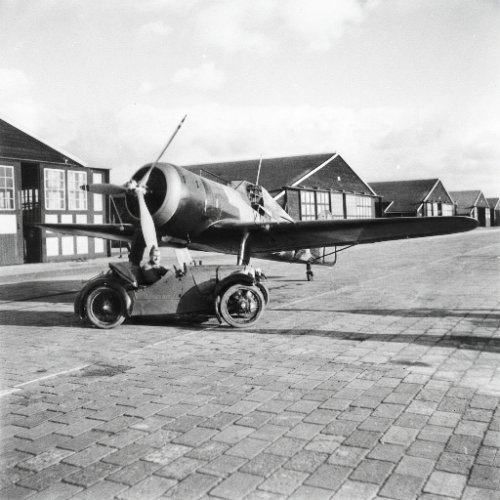
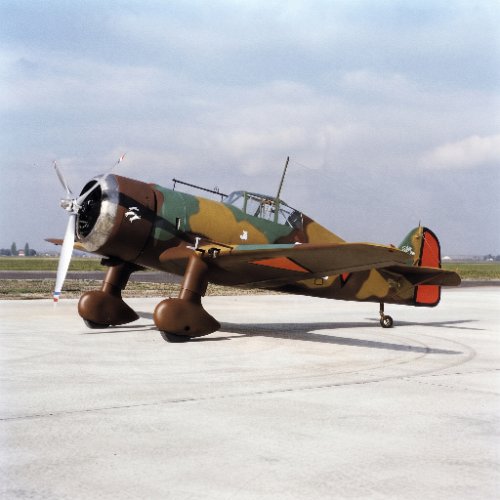
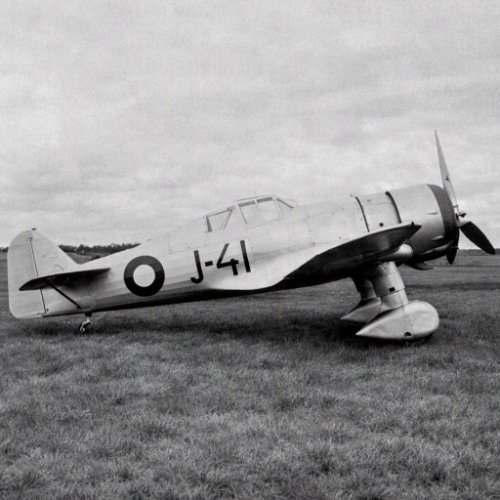
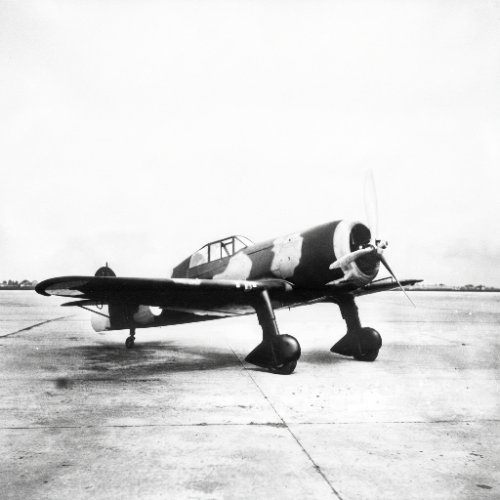
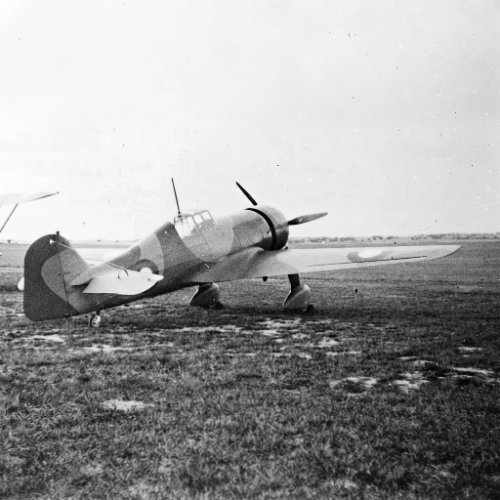
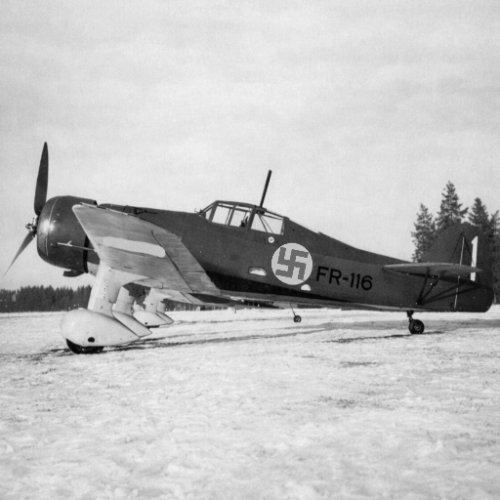
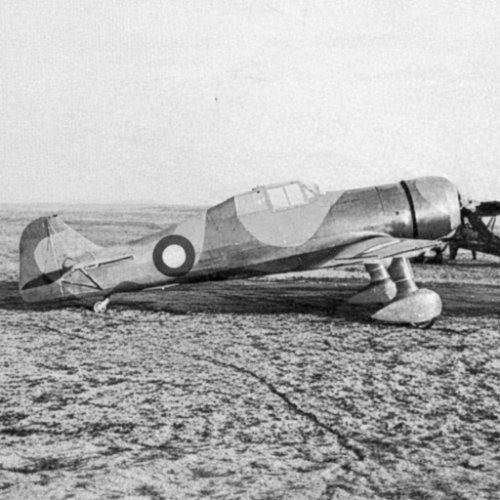
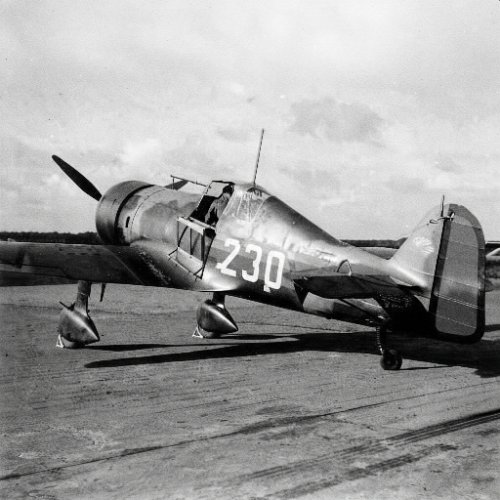
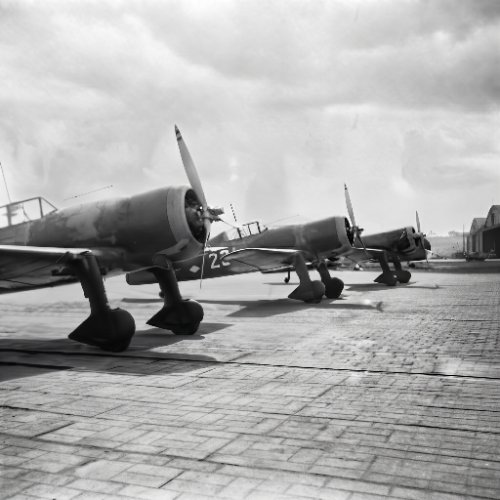
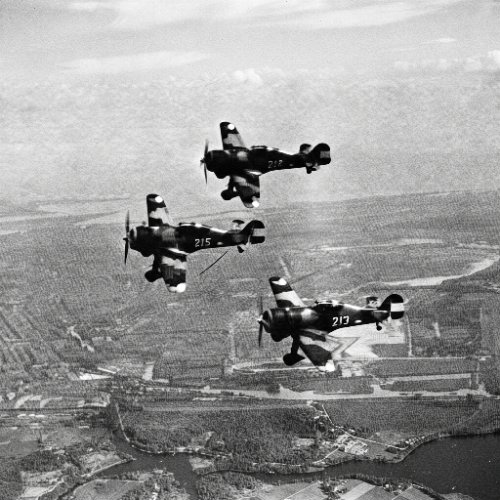
The Fokker D.XXI emerged from the Dutch military’s urgent need to modernise its fighter fleet in the mid‑1930s.
At the time, the Luchtvaartafdeling (LVA)—the air arm of the Royal Netherlands Army—was still operating biplanes such as the Fokker D.XVII, which were rapidly becoming obsolete in the face of rising European tensions.
In 1934, the LVA issued a requirement for a new single‑seat monoplane fighter capable of serving both in Europe and in the Dutch East Indies.
Fokker’s design team, led by Erich Schatzki, responded with a rugged, low‑wing monoplane concept that emphasised reliability, simplicity, and cost‑effectiveness rather than cutting‑edge sophistication.
Schatzki incorporated lessons from earlier Fokker designs (C.X and D.XVII) and adopted modern features such as an enclosed cockpit and monoplane layout.
Early design work even involved Rolls‑Royce, with the initial concept intended to use a Rolls‑Royce Kestrel IV engine.
On 14 November 1934, Fokker formally submitted its design proposal.
The Dutch East Indies Air Force (ML‑KNIL) ordered a prototype in early 1935.
This aircraft, designated FD‑322, was powered by a Bristol Mercury VI‑S radial engine and performed its maiden flight on 27 March 1936 at Welschap Airfield, Eindhoven.
Although initial Dutch defence policy shifts briefly threatened production—prioritising bombers over fighters—the D.XXI ultimately entered service due to its practicality, affordability, and suitability for colonial defence.
Design and Construction
Airframe Philosophy
The D.XXI was designed as a rugged, compact, and inexpensive fighter, optimised for ease of production and maintenance.
Its construction reflected Fokker’s traditional mixed‑material approach:
Fuselage: A welded steel tubing frame covered largely with fabric, providing strength with low weight.
Wings: Primarily wooden, low‑mounted monoplane wings with simple internal structure.
Tail Unit: Conventional tail with a single vertical fin and fabric‑covered control surfaces.
This hybrid construction made the aircraft durable and easy to repair—an advantage in both Dutch colonial environments and Finland’s harsh winters.
Cockpit and Ergonomics
The pilot sat in a fully enclosed cockpit, positioned forward enough to provide good rearward visibility despite heavy canopy framing.
The cockpit featured:
Basic instrumentation suitable for short‑range interception
External gunsight
Prominent radio mast behind the canopy
Undercarriage
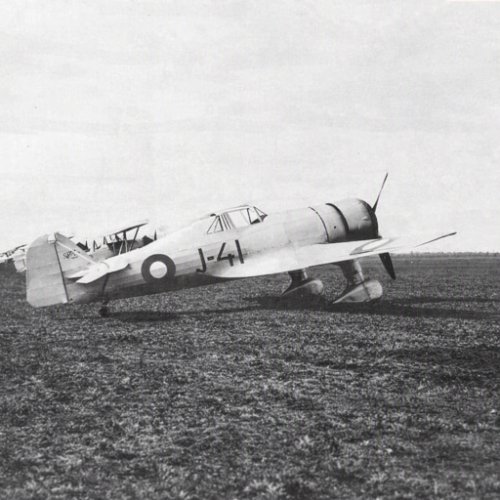
The D.XXI used a fixed, spatted tail‑dragger undercarriage, chosen for simplicity and reliability.
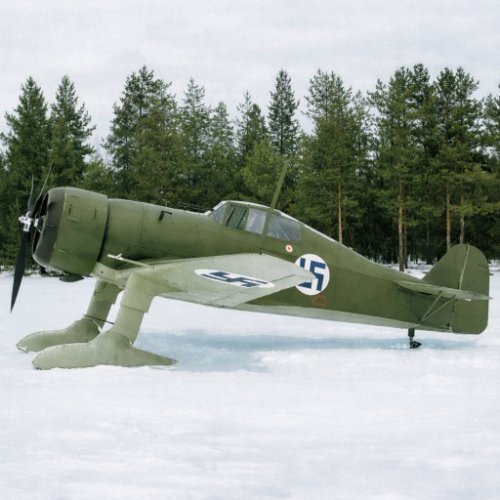
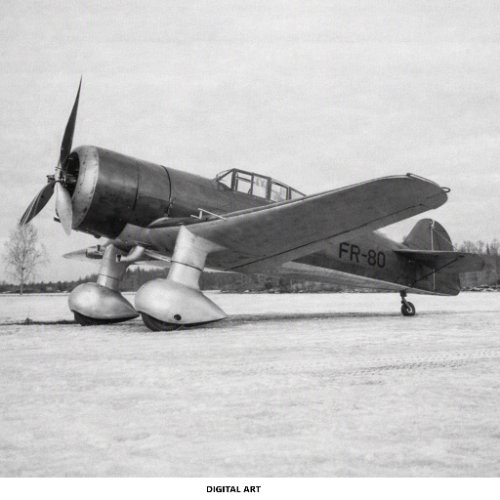
Finnish variants later replaced wheels with skis for winter operations.
Powerplant
Prototype and early Dutch production aircraft used:
Bristol Mercury VI‑S (645 hp) radial engine
Later Dutch and Finnish aircraft upgraded to:
Bristol Mercury VIII (830 hp) radial engine
Finnish license‑built aircraft also experimented with:
Pratt & Whitney Twin Wasp engines (in limited numbers)
Armament
Standard Dutch armament: 4 × 7.92 mm FN Browning M36 machine guns
2 in the engine cowling (synchronised)
1 in each wing
Finnish modifications relocated all guns to the wings, resulting in:
4 wing‑mounted Brownings
Some Finnish aircraft also carried 20 mm cannons, though these were limited in number.
Performance Characteristics
Typical performance (Mercury VIII engine):
Top speed: ~286 mph (460 km/h) at 14,500 ft
Service ceiling: ~36,089 ft (11,000 m)
Range: ~888 km (projected in early design studies)
Climb rate: Adequate for mid‑1930s standards
Manoeuvrability: Excellent at low altitudes due to a sturdy airframe and responsive controls
By late‑1930s standards, the D.XXI was modest in speed and climb compared to emerging fighters like the Bf 109, but it remained competitive in durability and turning performance.
Production Overview
Total production: 148 aircraft (all variants)
Breakdown:
Netherlands: 36 for LVA + additional export units
Finland: 100 total (7 imported + 93 licence-built)
Denmark: 12 total (2 imported + 10 licence-built)
Spain: 1 prototype (El Carmolí factory)
Operational History and WWII Context
Spanish Civil War (1936–1939)
A small number of D.XXIs were built in Spain before the factory fell into rebel hands.
These aircraft saw limited combat use.
Dutch Service in WWII (1940)
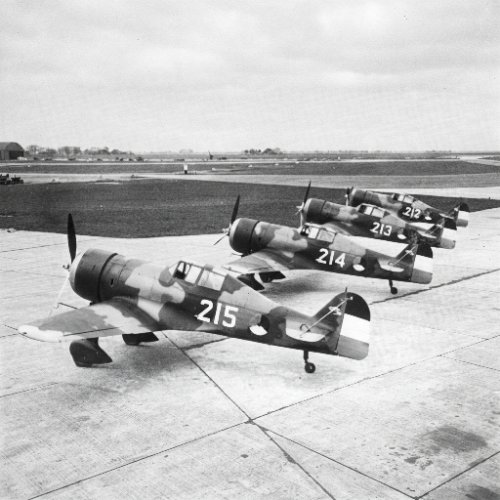
The D.XXI was the primary Dutch fighter during the German invasion of the Netherlands on 10 May 1940.
Despite being outclassed by the Messerschmitt Bf 109E, Dutch pilots achieved notable successes:
37 German Ju 52 transports shot down on the first day of fighting.
However, the small Dutch fighter force was quickly overwhelmed.
Surviving aircraft were captured, and some were pressed into Luftwaffe service for training and secondary duties.
Danish Service (1940)
Denmark operated 12 D.XXIs.
During the German invasion in April 1940, Danish fighters saw limited action and were captured intact.
Finnish Service: Winter War & Continuation War (1939–1944)
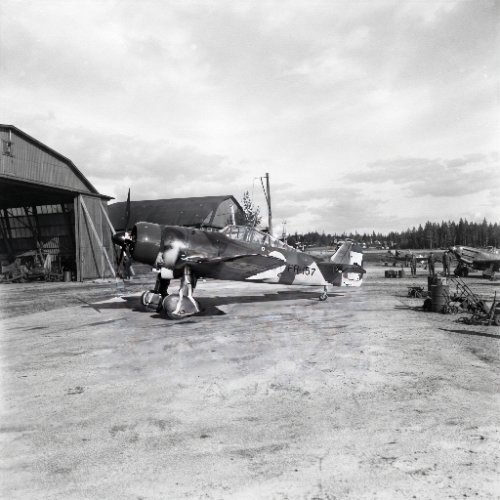
Finland was the most successful operator of the D.XXI. Nicknamed “Ukkomokker” (“Mosquito Fokker”), the aircraft excelled in low‑altitude dogfights against
Soviet bombers and early fighters.
Key achievements:
On 6 January 1940, Finnish ace Jorma Sarvanto shot down six Soviet DB‑3 bombers in a single sortie, a world‑record achievement at the time.
Finnish D.XXIs were served throughout the Winter War and Continuation War, gradually becoming obsolete as Soviet aircraft improved.
They remained in service until 1948, making Finland the final operator.
The Fokker D.XXI represents a transitional moment in European fighter design.
Although modest in performance compared to cutting‑edge contemporaries, it was:
Highly manoeuvrable
Extremely rugged
Easy to maintain
Well-suited to harsh climates (especially Finland)
Cost‑effective, enabling production by smaller nations
Its combat record—particularly in Finland—demonstrated that a well‑handled, sturdy fighter could remain effective even when technologically outclassed.
The D.XXI’s mixed‑construction philosophy and practical engineering embodied Fokker’s interwar design ethos.
Technical Summary (Consolidated)
Type: Single‑seat monoplane fighter
Engine: Bristol Mercury VI‑S or VIII; some Finnish Twin Wasp
Power: 645–830 hp
Speed: ~286 mph (460 km/h)
Ceiling: ~11,000 m
Range: ~888 km (projected)
Armament: 4 × 7.92 mm Browning; some Finnish aircraft with 20 mm cannons