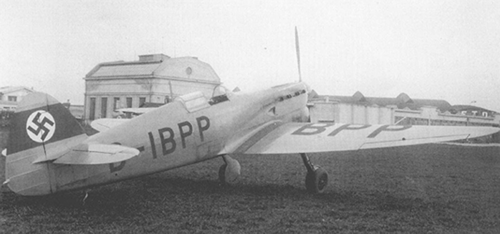
In the mid-1930s, Czechoslovakia sought to modernise its air force, leading Avia to design the B.35 monoplane fighter as a successor to the B-534 biplane.
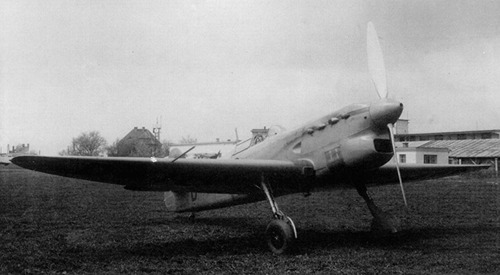
The B.35 blended modern ideas with older features, using a steel tube fuselage with metal skin at the front, fabric at the rear, wooden elliptical wings, and a fixed, spatted undercarriage powered by an 860 hp Hispano-Suiza V-12 engine.
Despite some outdated aspects, it proved highly manoeuvrable, and Avia evolved it into the B.35/3 prototype with retractable landing gear, all-metal wings, and better aerodynamics and visibility.
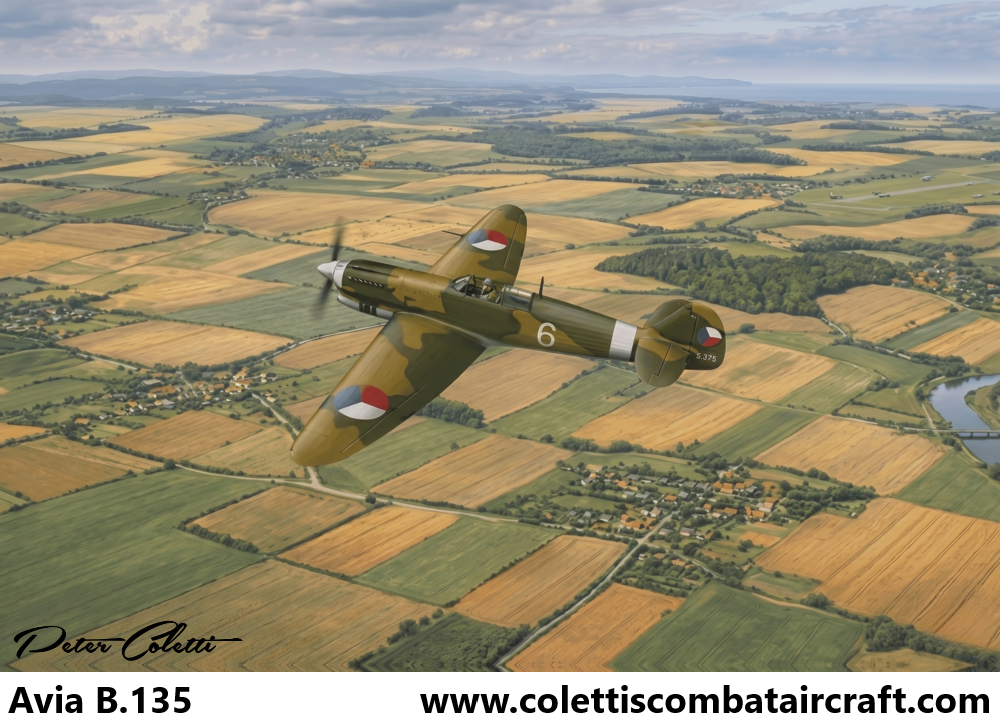
This became the basis for the B.135, finalised in 1938, featuring a cantilever low-wing design, an enclosed cockpit with a raised spine, and an armament of a 20 mm MG FF cannon and two 7.92 mm vz. 30 machine guns while retaining the Hispano-Suiza engine and fixed-pitch wooden propeller.
Bulgarian officers were impressed, ordering 12 aircraft built in Czechoslovakia, along with engines and a licence for local production as the DAR 11 “Lyastovitsa”, though only the original 12 were made before German authorities halted production.
Engine reliability issues limited the B.135 mostly to training roles, though on March 30, 1944, four of them intercepted USAAF bombers over Bulgaria, possibly downing a B-24 in one of their few combat actions.
Avia B.135/1 Prototype
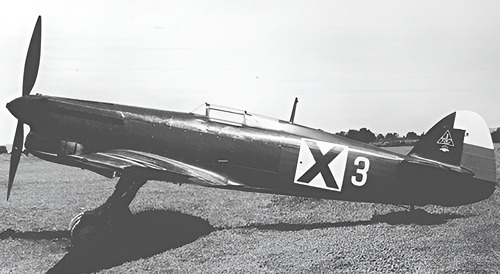
The Avia B.135/1 was the sole prototype of the B.135 fighter series, developed in 1939 as a refined successor to the B.35/3.
It featured a retractable undercarriage, a streamlined fuselage, and a newly designed all-metal wing for improved performance and durability.
Powered by a Hispano-Suiza 12Ydrs engine, it reached speeds of up to 535 km/h and demonstrated stable handling during flight trials.
Bulgarian Air Force officers, impressed by its capabilities, ordered 12 production aircraft and 62 engines, with plans to build 50 more under licence as the DAR 11 Lyastovitsa.
However, domestic production failed, and German authorities later blocked further deliveries, ending the programme.
The B.135/1 remains a symbol of Czechoslovakia’s advanced pre-war fighter design, curtailed by wartime geopolitics.
Avia B.135 Production Variant
Following successful trials of the B.135/1 prototype, a production contract was signed in 1940 between Avia and the Bulgarian Air Force for 12 aircraft and 62 Hispano-Suiza 12Y engines.
These production models retained the prototype’s key features: all-metal wing, retractable undercarriage, and streamlined fuselage.
Armament included one 20 mm MG FF cannon and two 7.92 mm machine guns.
The 12 aircraft were completed at Avia’s Prague facility and delivered to Bulgaria later that year.
They were assigned to the 2nd Orlyak (Air Group) and initially intended for frontline service.
However, persistent engine reliability issues and limited spare parts relegated them to advanced training roles.
Despite their secondary status, four B.135s saw combat on 30 March 1944, intercepting USAAF B-24 bombers returning from the Ploiești raid.
Bulgarian sources credit Lieutenant Yordan Ferdinandov with a possible kill over the Tran–Breznik region, though Western records remain inconclusive.
No further B.135s were built.
German authorities blocked additional engine deliveries and pressured Bulgaria to adopt the Messerschmitt Bf 109, ending the B.135’s operational future.