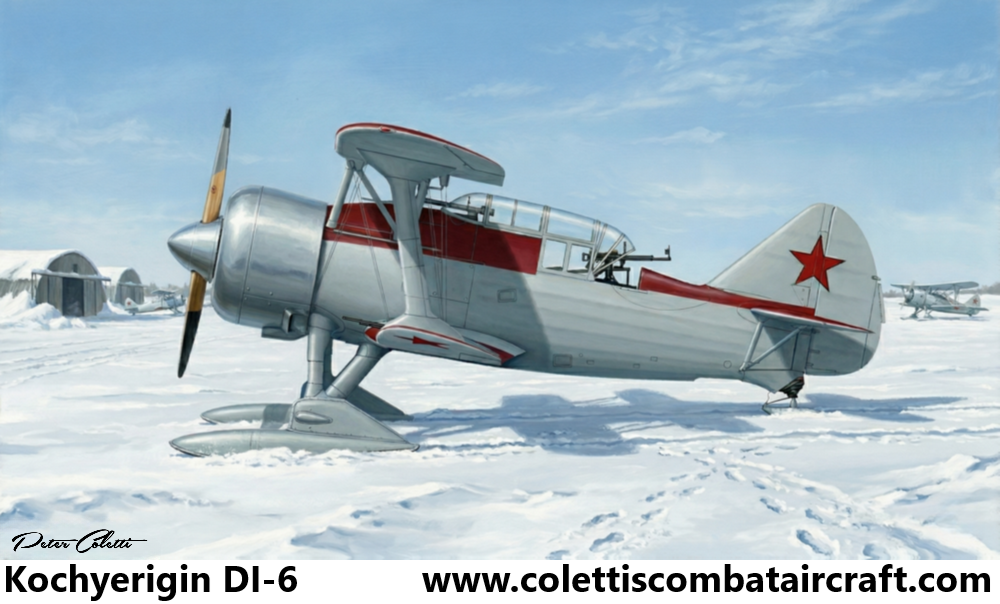
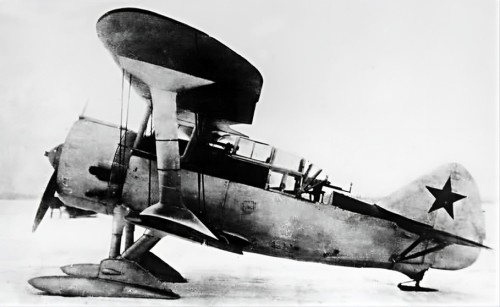
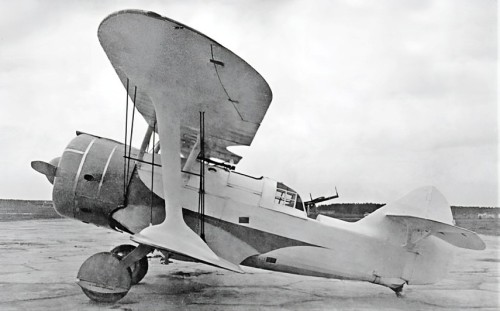
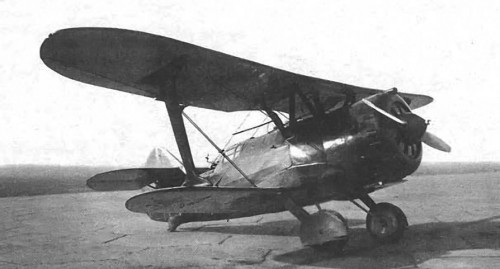
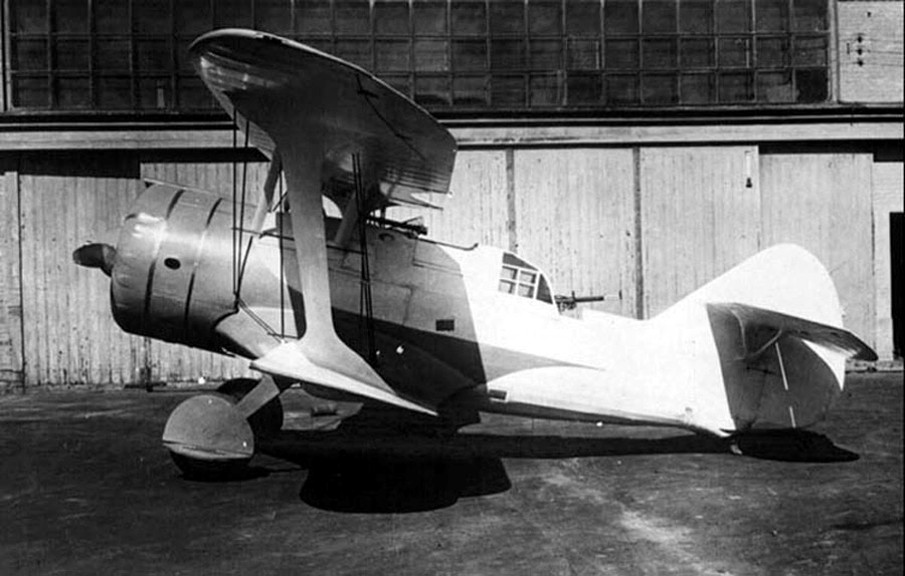
The Kochyerigin DI-6 had a limited and largely peripheral operational history during World War II, reflecting its obsolescence by the time hostilities intensified
Design Origins
Developed in the mid-1930s by Sergei Kochyerigin as a two-seat fighter and ground-attack biplane, the DI-6 was intended to fill a dual-role niche for the Soviet Air Force.
It featured a mixed-construction airframe, tandem cockpits for pilot and gunner, and retractable landing gear.
Production and Deployment
Approximately 222 units were built, but by the outbreak of WWII, the DI-6 was already outdated compared to newer monoplane designs.
It was primarily used for training and second-line duties rather than frontline combat.
Combat Use
There is no substantial evidence of the DI-6 participating in major combat operations during WWII.
Its performance and armament were insufficient for the evolving demands of aerial warfare, and it was quickly superseded by more modern aircraft like the I-15, I-16, and later Yak and LaGG series fighters.
Legacy
The DI-6’s operational relevance had faded by the early 1940s.
It served more as a transitional design in Soviet aviation development, bridging the gap between early biplanes and more advanced monoplanes.
The Variants
DI-6bis
Role
Trainer aircraft
Features
Simplified version of the DI-6 with fixed landing gear, optimised for pilot instruction and familiarisation.
Operational Use
Primarily used in training units; not intended for combat.
Its fixed gear reduced complexity and maintenance for student pilots.
DI-6Sh
(also designated TsKB-11Sh, TsKB-38)
Role
Ground-attack variant
Armament
Equipped with four forward-firing PV-1 machine guns mounted under the lower wing.
Protection
Featured an armoured pilot’s seat to enhance survivability in low-altitude attack missions.
Production
Approximately 60 units built.
Operational Use
Intended for close air support and battlefield interdiction; however, its performance and survivability were limited by its biplane configuration and light armour.
DI-6MMSh
Role
Experimental ground-attack prototype
Engine
Fitted with the M-300 X engine, a more powerful but ultimately unsuccessful power plant.
Outcome
Only one prototype was constructed; it did not enter serial production due to technical and performance shortcomings.