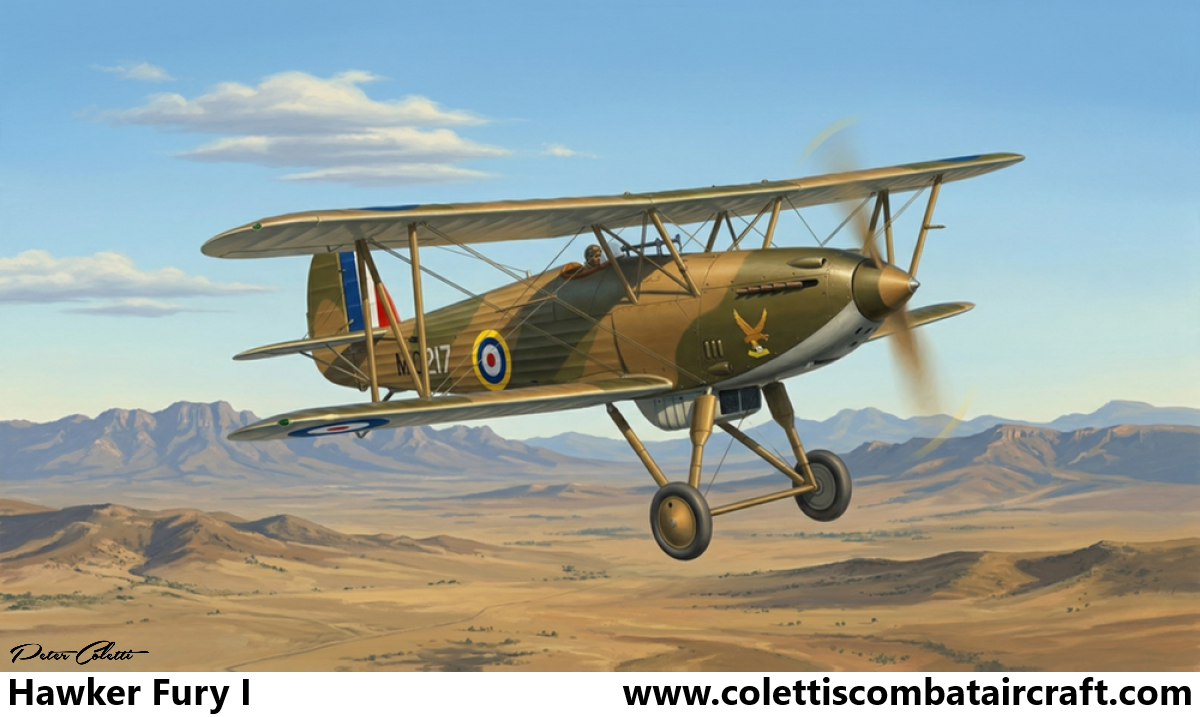
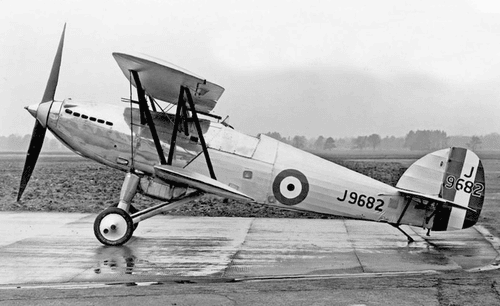
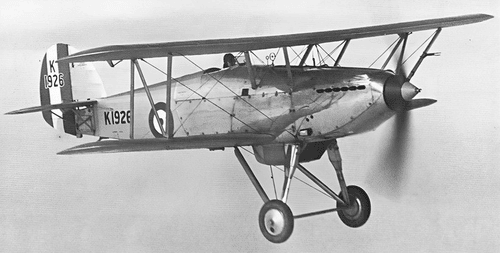
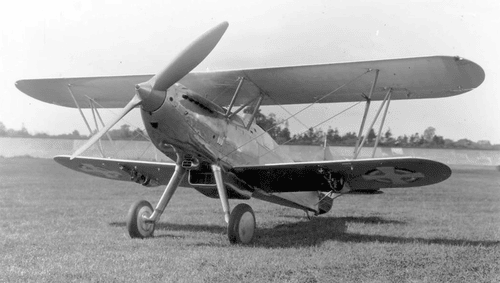
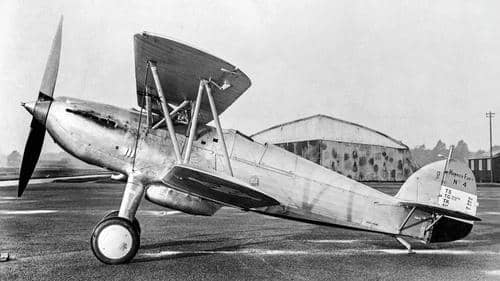
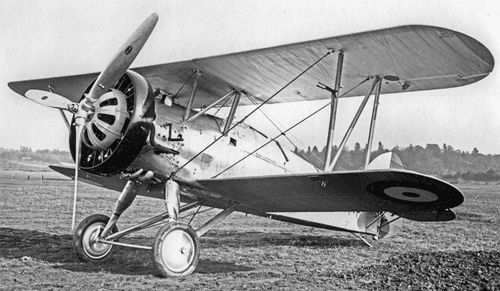
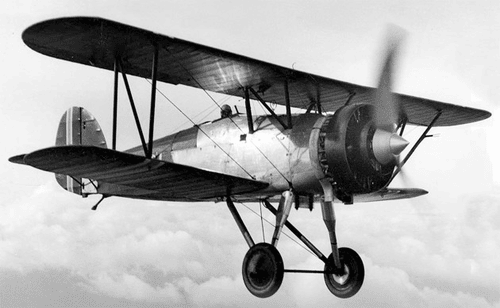
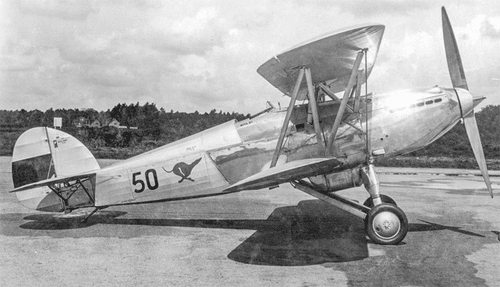
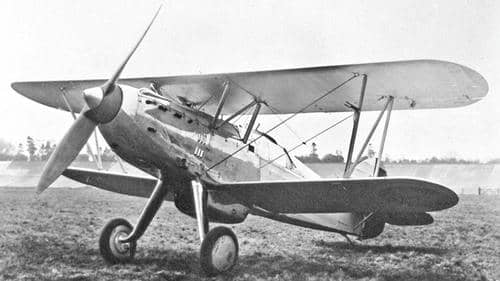
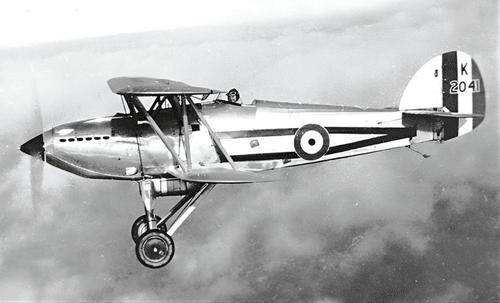
Although the Hawker Fury was primarily a pre-war RAF fighter, its legacy extended into the early stages of World War II through export service
RAF Service Conclusion
By January 1939, the Fury had been retired from frontline RAF service, replaced by more modern fighters like the Gloster Gladiator and Supermarine Spitfire.
Some remained in use as trainers.
Export Use in WWII
Yugoslavia
The Royal Yugoslav Air Force operated Hawker Furys during the Axis invasion in April 1941.
Despite being outdated, they were deployed in combat against German aircraft, including Messerschmitt Bf 109s.
South Africa
The South African Air Force used Furys in a limited capacity, primarily for training and local defence roles.
Iran and Spain
While Iran and Spain acquired the Furys before the war, their operational use during WWII was minimal or undocumented.
Combat Performance
In Yugoslav hands, the Fury was outclassed by modern Luftwaffe fighters but still saw action, symbolising the desperate defence efforts of smaller air forces during early Axis campaigns.
Legacy
Though obsolete by WWII standards, the Fury’s participation in the 1941 Balkans campaign marks its final combat chapter.
Its design lineage influenced the development of the Hawker Hurricane, a key RAF fighter during the war.
The Variants
Hawker Hornet
Type
Prototype single-seat fighter
Engine
Initially Rolls-Royce F.XIA (420 hp), later upgraded to F.XIS (480 hp)
Notes
First flown in March 1929 at Brooklands.
Smaller and lighter than the Fury; treated as a separate type by Hawker.
Demonstrated superior handling and metal construction over competitors like the Fairey Firefly II.
Led directly to the Fury’s development after Air Ministry trials.
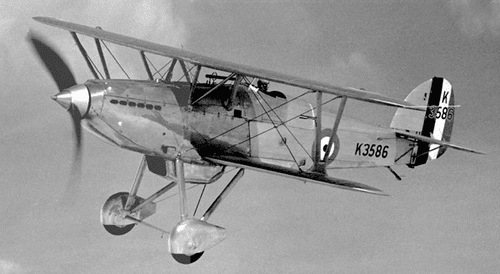
Fury Mk I
Type
First production single-seat RAF fighter
Engine
525 hp Rolls-Royce Kestrel IIs
Production
118 built
Notes
First RAF fighter to exceed 200 mph in level flight.
Entered service in 1931 with No. 43 Squadron.
Highly manoeuvrable and aerobatic; used in air displays and squadron service until replaced by Gladiators.
Fury Series 1A
(Yugoslav Export)
Type
Export variant for Yugoslavia
Engine
Kestrel IIS (525 hp); one tested with Hispano-Suiza 12 NB (500 hp), another with Lorraine Petrel HFrs (720 hp)
Production
Six built by Hawker
Notes
Trials with alternative engines showed reduced performance or reliability.
Served as a precursor to the more advanced Yugoslav Fury.
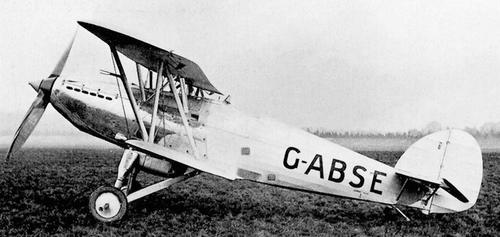
Intermediate Fury
Type
Prototype/test aircraft
Registration
G-ABSE
Notes
Used for aerodynamic and systems trials.
Bridged development between Hornet and Fury Mk I.
High Speed Fury
Type
Private venture prototype
Purpose
High-speed trials; precursor to Fury Mk II
Notes
Incorporated aerodynamic refinements and reduced drag.
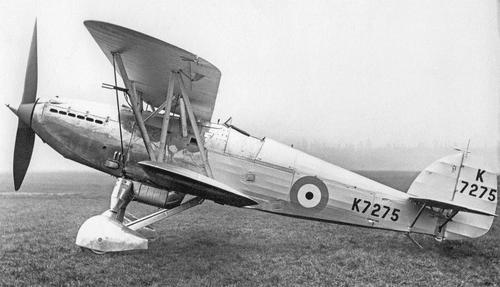
Fury Mk II
Type
Improved RAF fighter
Engine
640 hp Rolls-Royce Kestrel VI
First Flight
3 December 1936
Production
112 built
Notes
Features a cleaner airframe and better climb rate.
Last RAF variant before transition to monoplane fighters.
Used primarily for training at the WWII onset.
Yugoslav Fury
Type
Advanced export variant
Engine
745 hp Kestrel XVI
Features
Dowty cantilever undercarriage, low-drag radiator, provision for 4 machine guns
Production
10 built by Hawker (1936–37), 40 licence-built (Ikarus: 24; Zmaj: 16)
Notes
Saw combat during Axis invasion in April 1941.
Outclassed but bravely deployed against Bf 109s.
Persian Fury
Export fighter for Iran
Engines
Pratt & Whitney Hornet S2B1g
(radial, 3-blade prop)
&
Bristol Mercury VISP
(550 hp, 2-blade prop)
Norwegian Fury
Type
Trial aircraft
Engine
530 hp Armstrong-Siddeley Panther IIIA radial
Production
One built
Portuguese Fury
Type
Modified Fury Mk I
Engine
Rolls-Royce Kestrel II
Production
Three built
Spanish Fury
Type
Improved export variant
Engine
700 hp Hispano-Suiza 12Xbrs
Production
Three built
Specifications (Mk II)
Crew
1
Length
26 ft 9 in (8.15 m)
Wingspan
30 ft 0 in (9.14 m)
Height
10 ft 2 in (3.10 m)
Wing area
252 sq ft (23.4 m²)
Empty weight
2,734 lb (1,240 kg)
Max take-off weight
3,609 lb (1,637 kg)
Powerplant
1 × Rolls-Royce Kestrel IV,
liquid-cooled V12 engine,
640 hp (480 kW)
Performance
Maximum speed
223 mph (359 km/h, 194 kn) at 16,500 ft (5,000 m)
Range
270 mi (430 km, 230 nmi)
Service ceiling
29,500 ft (9,000 m)
Time to altitude
3 min 50 s to 10,000 ft (3,000 m)
Armament
Guns
2 × 0.303 in (7.7 mm) Vickers Mk IV machine guns with 600 rpg.