Home
Aircraft
Blog
Contact
Home
Aircraft
Blog
Contact
Search
Home
/
A - Z INDEX
/
F
/ Fiat CR.30
Fiat CR.30
Fiat CR.30
Design Origins
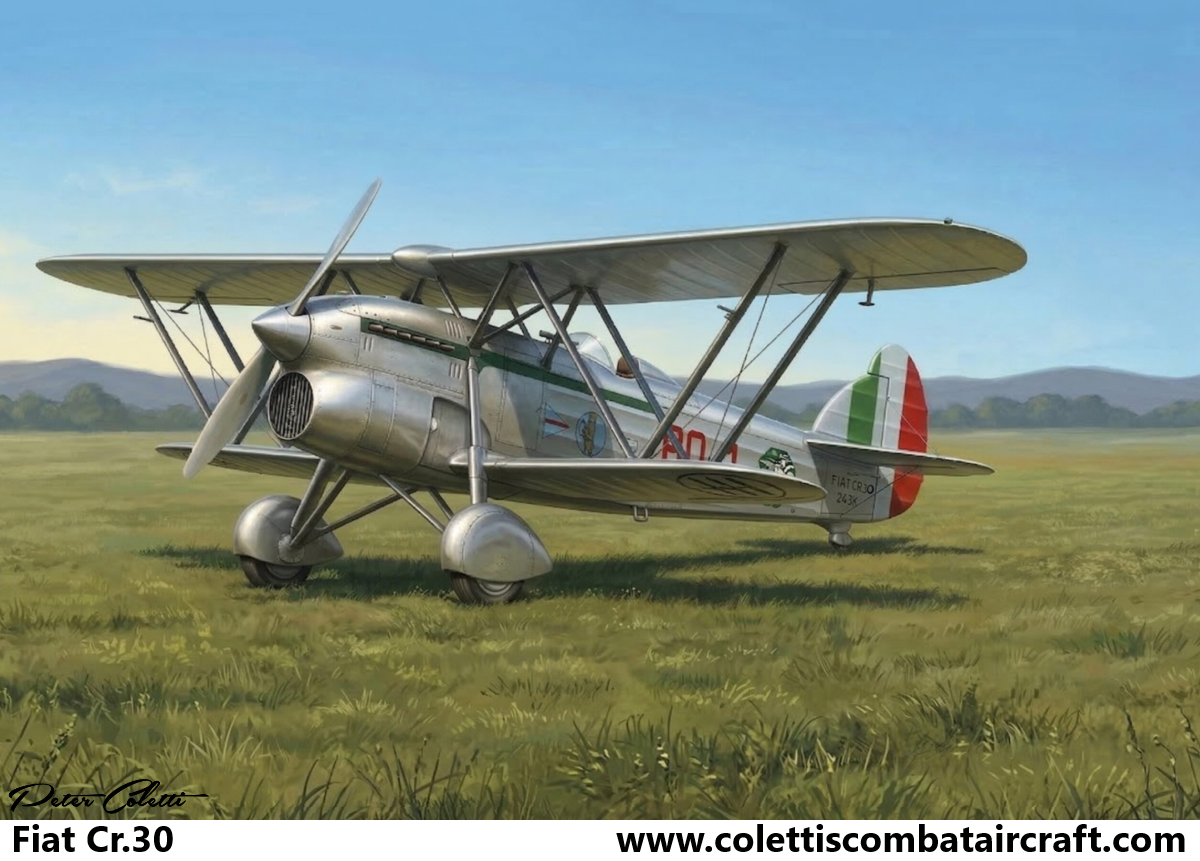
The Fiat CR.30 was a single-seat biplane fighter designed by Celestino Rosatelli and first flown in March 1932.
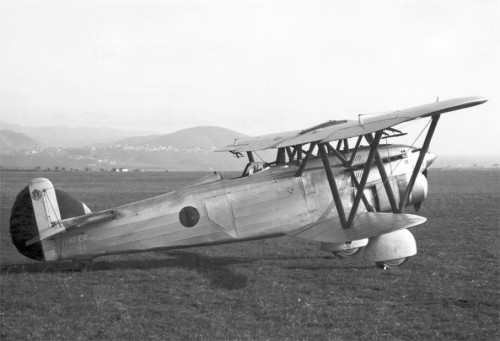
It featured a 447 kW (600 hp) Fiat A.30 R.A. V-12 engine, fixed tailwheel undercarriage, and distinctive W-form interplane struts.
Though fast for its time (up to 340 km/h / 211 mph), it was already becoming obsolete by the mid-1930s.
Pre-War Service
The Regia Aeronautica (Italian Air Force) ordered 121 aircraft, followed by 20 CR.30B two-seat trainers.
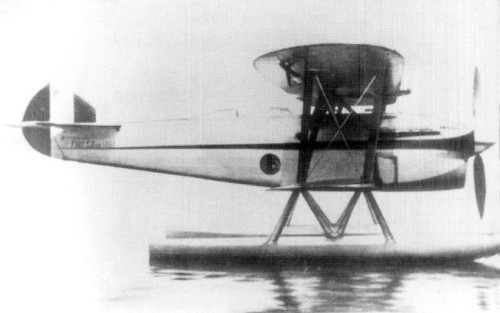
The CR.30 was used in international competitions and training roles, with some converted to floatplanes (CR.30 Idro).
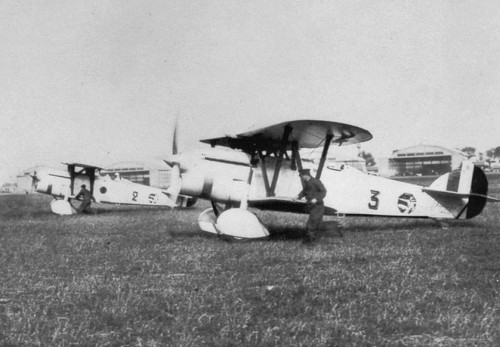
Exported to Austria, Hungary, China, Paraguay, Venezuela, and Spain, often in small numbers.
World War II Role
By the outbreak of WWII in 1939, the CR.30 was completely obsolete as a frontline fighter.
Italy had transitioned to more modern aircraft like the CR.42 Falco but retained CR.30s for training, liaison, and advanced instruction.
Austria’s CR.30s, after the 1938 Anschluss, were absorbed into the Luftwaffe and used for training.
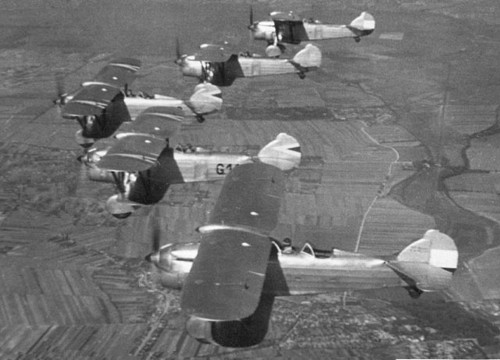
Hungary operated CR.30s into the early war years, primarily as trainers and liaison aircraft.
Paraguay used two CR.30s as advanced trainers from 1939 onward, but they saw no combat.
Spain and Venezuela operated small numbers in non-combat roles.
Summary of WWII Use
Combat Role
None.
The CR.30 was retired from frontline service before WWII began.
Training Role
Widely used in Italy, Hungary, Austria (under Germany), and Paraguay.
Survivability
No known combat losses; most were retired or scrapped during the war.
The Variants
CR.30
Single-Seat Production Fighter
Design
Developed by Celestino Rosatelli, the CR.The 30 was a metal-framed biplane with W-form interplane struts and fixed tailwheel undercarriage.
Engine
Powered by a 447 kW (600 hp) Fiat A.30 R.A. V-12 engine.
Performance
Achieved speeds up to 340 km/h (211 mph), winning speed trials at Zurich in 1932.
Production
121 units were built for the Regia Aeronautica between 1932 and 1935.
Role
Served as a frontline fighter in the early 1930s; by WWII, relegated to training and liaison duties.
Export
Operated by Austria, Hungary, China, Paraguay, Spain, and Venezuela.
CR.30B
Two-Seat Trainer Variant
Conversion
Initially, two CR.30 prototypes were modified into two-seaters for refresher training and liaison work.
Production
20 new-build CR.30Bs were ordered by the Regia Aeronautica; many single-seaters were later converted.
Features
Dual controls for instructor and trainee; retained the same airframe and engine as the CR.30.
Use
Widely used for advanced training into the early WWII years, especially in Italy and Hungary.
CR.30 Idro
Seaplane Variant
Conversion
Two CR.30s were fitted with twin floats for water operations.
Purpose
Experimental adaptation for naval use and floatplane training.
Performance
Retained the same engine and general layout; performance slightly reduced due to float drag.
Legacy
Did not enter mass production; served as a testbed and training platform.
Specifications
Crew
one
Length
7.88 m (25 ft 7.25 in)
Wingspan
10.50 m (34 ft 5.5 in)
Height
2.78 m (9 ft 1.5 in)
Wing area
27.05 m² (291.17 sq ft)
Empty weight
1,345 kg (2,965 lbs)
Gross weight
1,895 kg (4,178 lbs)
Powerplant
1 × Fiat A.30 R.A. 12-cylinder Vee piston engine,
447 kW (600 hp)
Performance
Maximum speed
351 km/h (218 mph, 189 kn)
Range
850 km (528 mi, 459 nmi)
Service ceiling
8,350 m (27,845 ft)
Armament
2 × Breda-SAFAT 7.7 mm (0.303 in) machine guns
(synchronised forward-firing).
Share on facebook