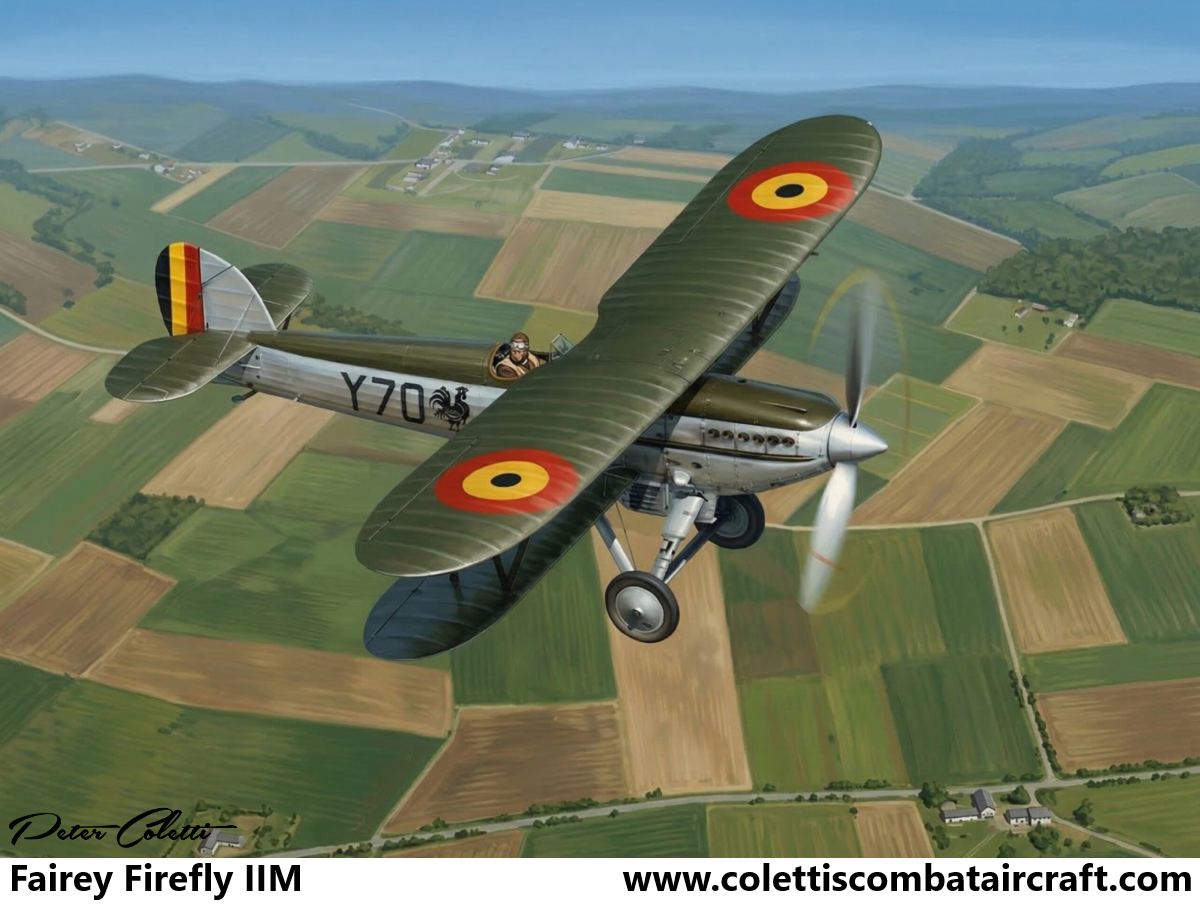
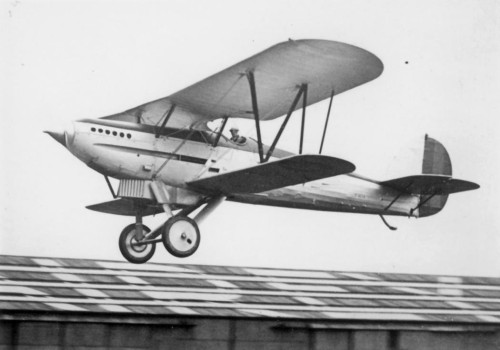
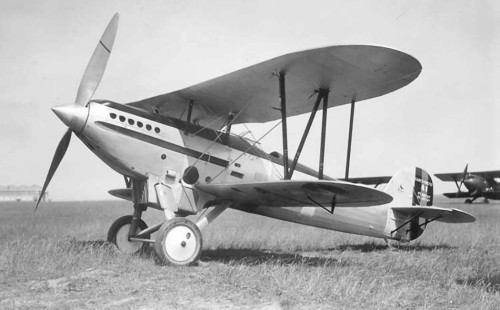
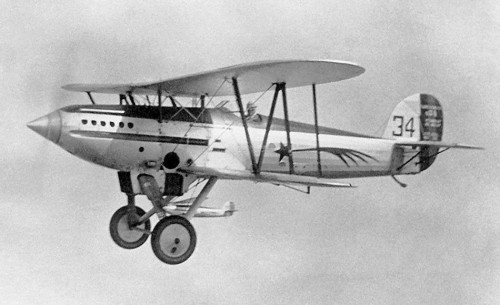
The Fairey Firefly IIM had a limited but notable operational history during World War II, primarily in Belgian service
Belgian Air Force Deployment
Primary Operator
Belgium’s Aviation Militaire was the main user of the Firefly IIM, having acquired 25 aircraft directly from Fairey in the UK, followed by 62 more built under licence by Avions Fairey in Belgium.
Role
These aircraft served as frontline fighters throughout the 1930s.
By the time WWII began, they were largely obsolete but still in service due to limited modernisation options.
Combat Use in WWII
May–June 1940
During the German invasion of Belgium, Firefly IIMs were briefly deployed in combat.
Their performance was limited against modern Luftwaffe aircraft, and they were quickly overwhelmed.
Tactical Role
Used primarily for local air defence and reconnaissance, though their biplane configuration and older engines made them vulnerable.
Other Notable Mentions
Soviet Union
One aircraft was supplied to the USSR for evaluation, but no further use was recorded.
Variants
Two Belgian Firefly IIMs were converted to the Firefly IV with upgraded Hispano-Suiza engines, but the performance gains were insufficient to justify further development.